
Sending flowers to someone in hospital
A bunch of flowers on the locker tells a patient that people are thinking of them. In Irish hospitals, though, flowers are not always welcome on the ward, and the ones that are need to suit a crowded room. This is what to check before you order.


Will the hospital take them?
There is no single rule for the whole country. Each hospital sets its own policy, and the nurse in charge of a ward can be stricter still. Over the past number of years a lot of Irish hospitals have cut back on flowers at the bedside, and some now ask visitors not to bring fresh flowers or plants onto any ward. The reasons they give are practical: hygiene, patients with allergies or asthma in the same room, spilt water on the floor, broken vases and the time staff spend looking after them.
The easiest way to find out is to ring the hospital switchboard and ask to be put through to the ward. While you are on the phone, check that the patient has not been moved or sent home, and ask whether a glass vase is a problem.
| Where the patient is | Flowers? | What to know |
|---|---|---|
| Maternity hospital or unit | Sometimes | Policies differ a great deal. Many new parents are home within a day or two, so the house is often the better address. |
| Medical or surgical ward | Ask first | Shared rooms of four or six beds leave little space, and the person in the next bed may have hay fever or asthma. |
| Private room or private hospital | More often yes | Still worth a call; private hospitals have their own rules. |
| ICU, CCU and high dependency | No | Patients are watched closely and the bed space is full of equipment. Wait until they are moved to a ward. |
| Oncology, haematology, transplant | No | Patients with weak immune systems must avoid standing water and soil. Send a card now and flowers later. |
| Hospice or palliative care | Ask the unit | Many allow a small arrangement in the room. The family can tell you what is welcome. |
Getting the address right
Large hospitals take in hundreds of deliveries a day, and flowers that are badly addressed can sit at reception. Give everything the porters need:
- The patient’s full name
Use the name the hospital has on file. A nickname or a married name they do not use officially can cause delays.
- Ward or unit
For example St Anne’s Ward, or Day Ward 2. If you do not know it, the switchboard can usually tell a relative.
- Hospital name and Eircode
Several Irish towns have more than one hospital, and some have changed names, so the Eircode removes any doubt.
- A phone number for you
If the patient has gone home, that is how the florist reaches you to agree a new address.
Choose a bouquet for a patient or for their homecoming.
See the bouquetsWhat suits a hospital bedside
Think small, tidy and nearly scent-free. A ward is warm, the air is dry, and the locker also holds water jugs, tablets and a phone charger. A compact hand-tied bunch in its own water, or a low arrangement in a box, is far more practical than a tall vase of long stems.
Alstroemeria
Probably the most practical hospital flower. It has almost no scent, opens bud by bud over a week or more and comes in soft pinks and warm oranges.
Gerberas and spray roses
Gerberas give a big splash of colour from only a few stems, which is handy when space is tight. Spray roses carry several small heads on one stem and have much less perfume than many garden roses.
Tulips and daffodils in spring
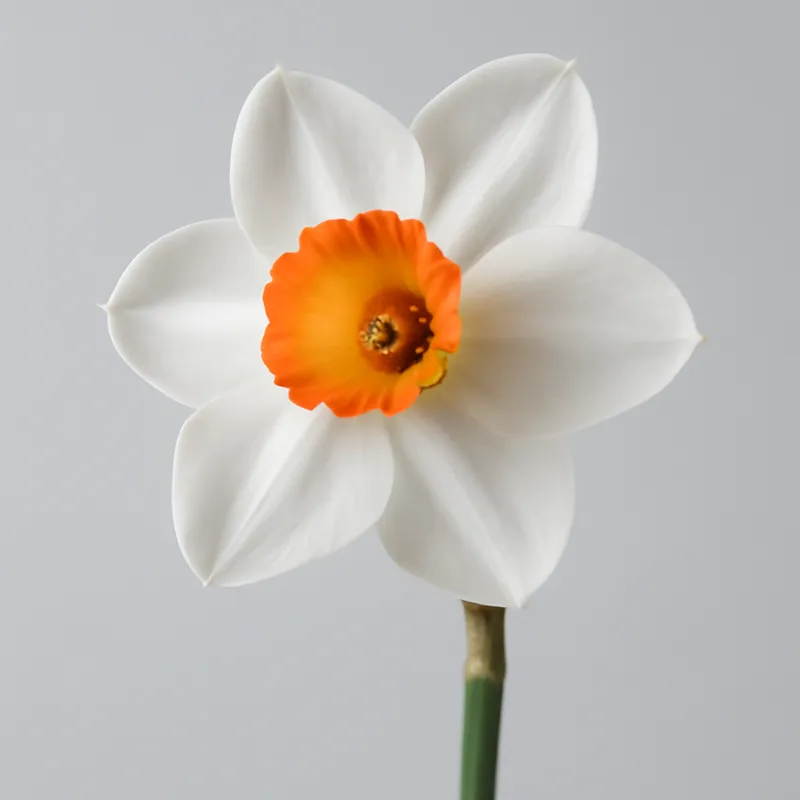
Tulips keep growing in the vase and bend towards the light, which gives a patient something to watch change. Daffodils are the flower many people in Ireland link with the fight against cancer, but they release a sap that shortens the life of other flowers, so they are best on their own. You can send flowers to the hospital or to the house.
Best left out
- Lilies: heavy perfume, and the orange pollen stains sheets and clothes. Many wards that accept other flowers draw the line here.
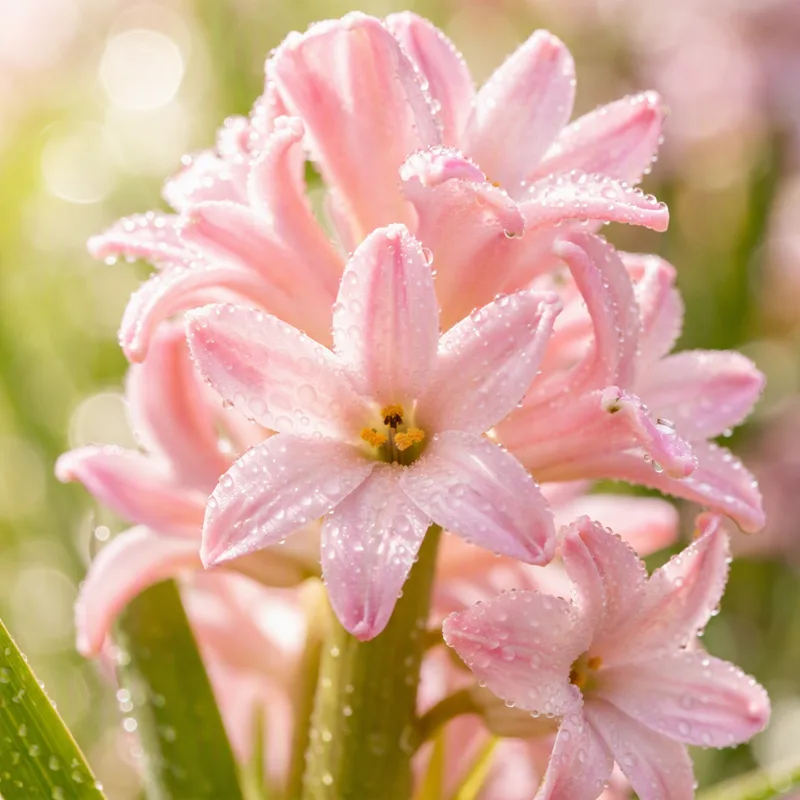
- Hyacinths and freesias: lovely at home, but the scent fills a small shared room. Save hyacinths for the kitchen table later.
- Pot plants: soil can carry fungal spores, and most hospitals do not allow it on the ward.
- Balloons with the flowers: some hospitals do not allow latex balloons because of allergies, so leave them off the order.
- Very large arrangements: they often end up on the floor or at the nurses’ station.
When flowers are not allowed
A card with a few lines, a photo from home or a magazine they like will get through when flowers cannot. Then send the flowers to the house for the day they are discharged: they will be there to greet the person, they can be as fragrant as you like, and they will last a lot longer than on a warm ward. If you are unsure of the date, ask a family member to let you know.
Choosing at a glance
Good for the ward
- Alstroemeria – almost no scent, long-lasting
- Gerberas – lots of colour from a few stems
- Tulips – soft scent, keep changing
- Spray roses – small heads, gentle perfume
- Arrangements in their own water – no vase hunt for staff
Better at home
- Lilies – scent and staining pollen
- Hyacinths, freesias – strong perfume
- Pot plants – soil on the ward
- Tall vases – too big for a locker
- Latex balloons – allergy risk
Questions people ask
Do Irish hospitals allow flowers on the wards?
What address should I put on flowers for a patient?
Which flowers are the safest choice for a ward?
Is it better to wait until the patient is home?
Looking for a particular hospital? Our pages on hospitals in Ireland list addresses and practical details. For colours and meanings, see the guide to flower language, and for keeping any bouquet fresh, our care tips.