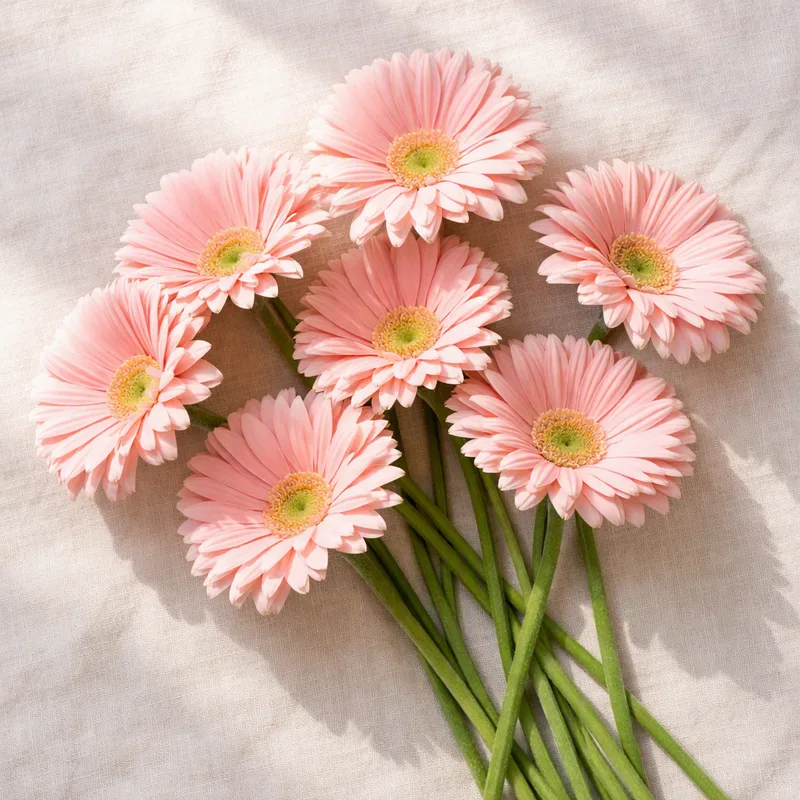
A colour made by breeders
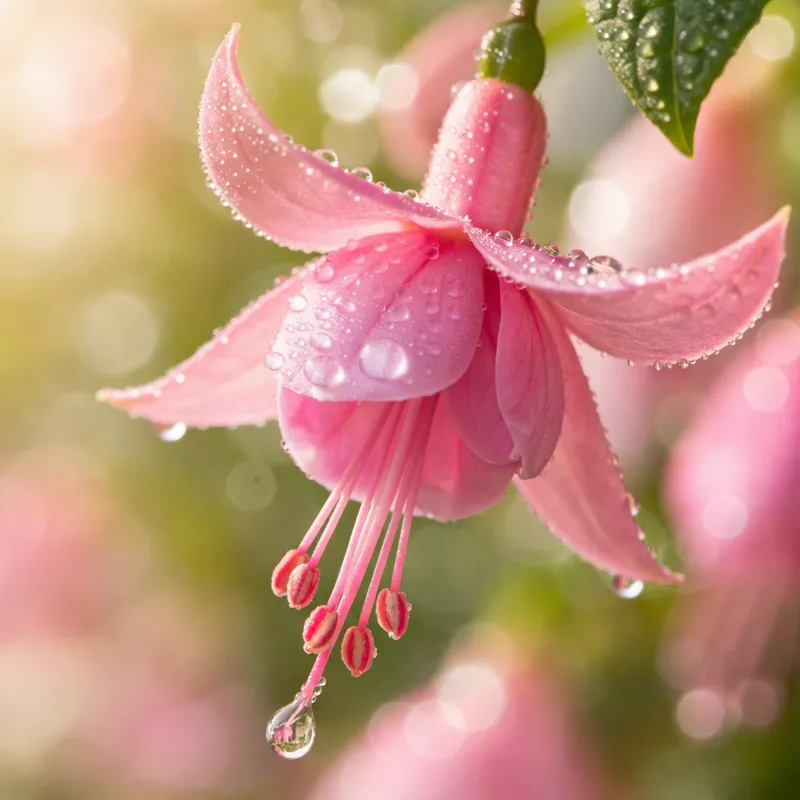
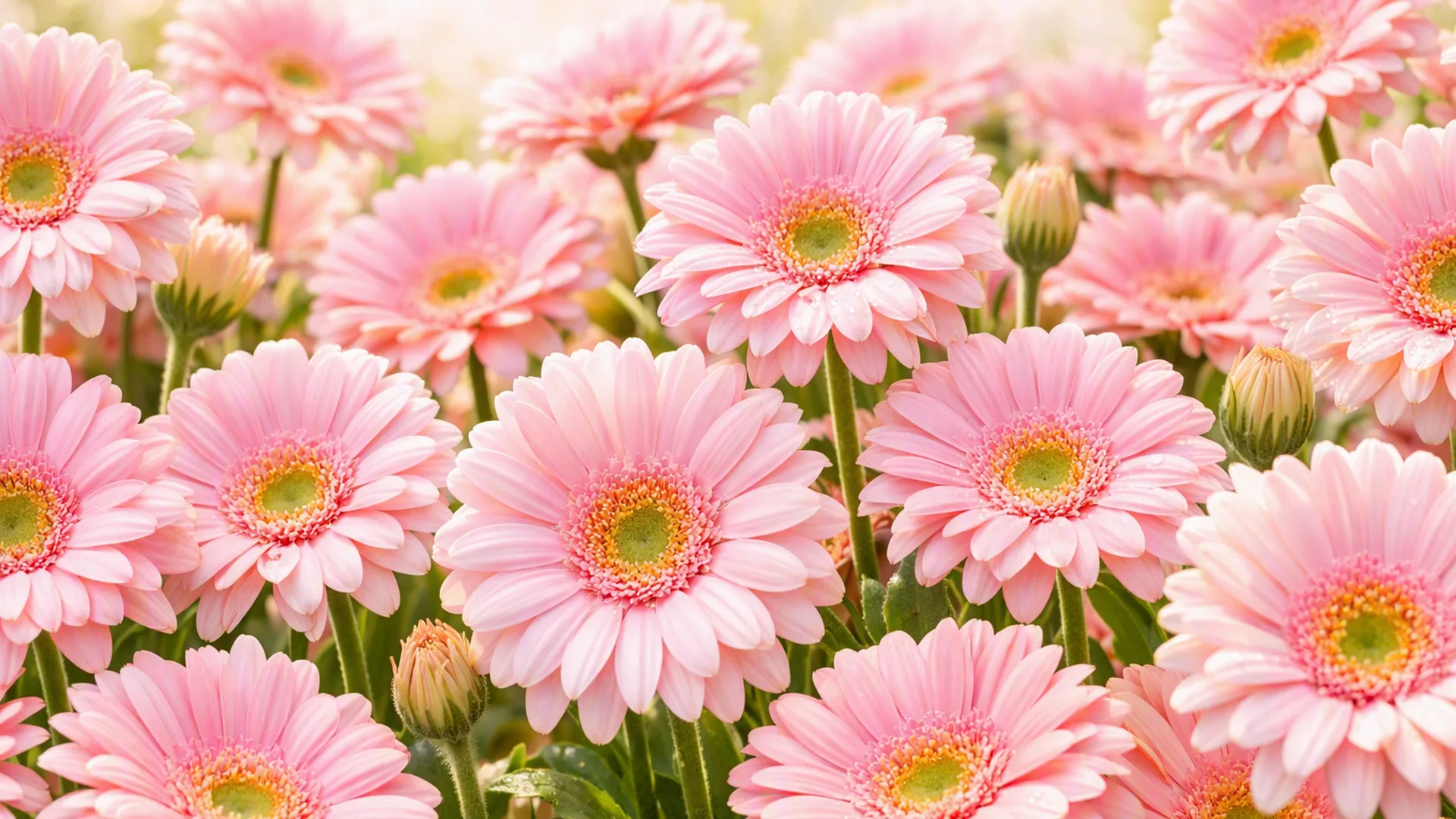
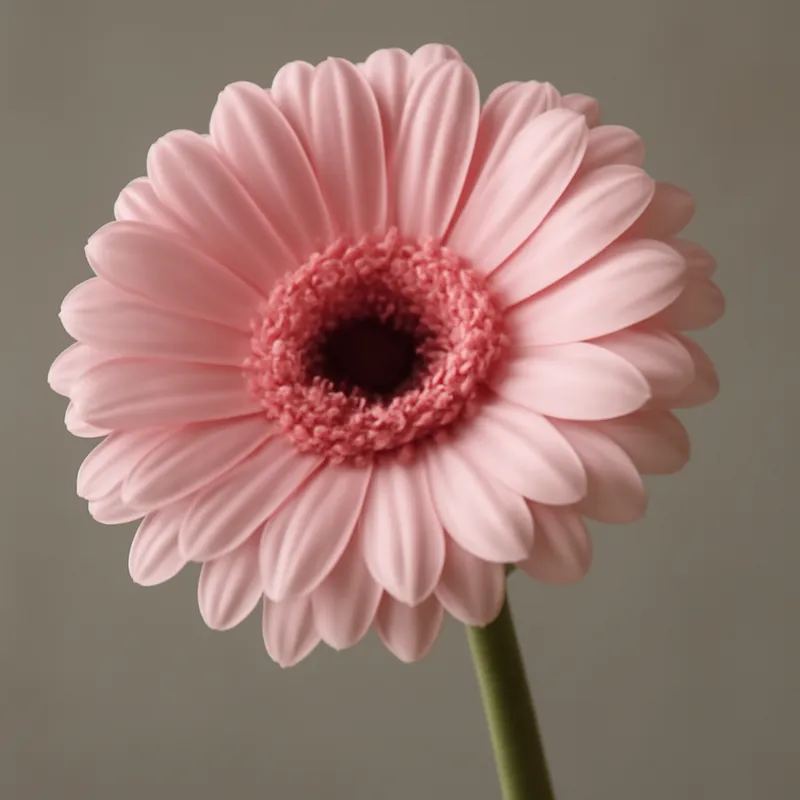
Pink is a rare shade in the wild gerbera, which usually shows orange-red ray florets. Nearly all the pink gerberas on sale nowadays come from careful selection after the Cambridge cross made about 1890 between Gerbera jamesonii and Gerbera viridifolia. Thousands of named cultivars have followed, and pink ranges from near-white blush to deep cerise.
Occasions
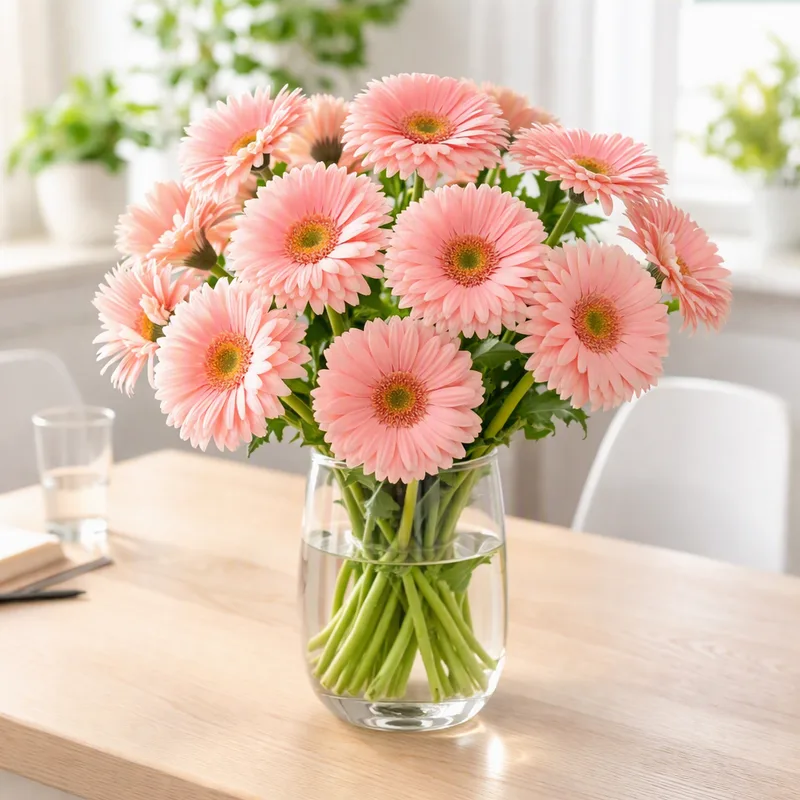
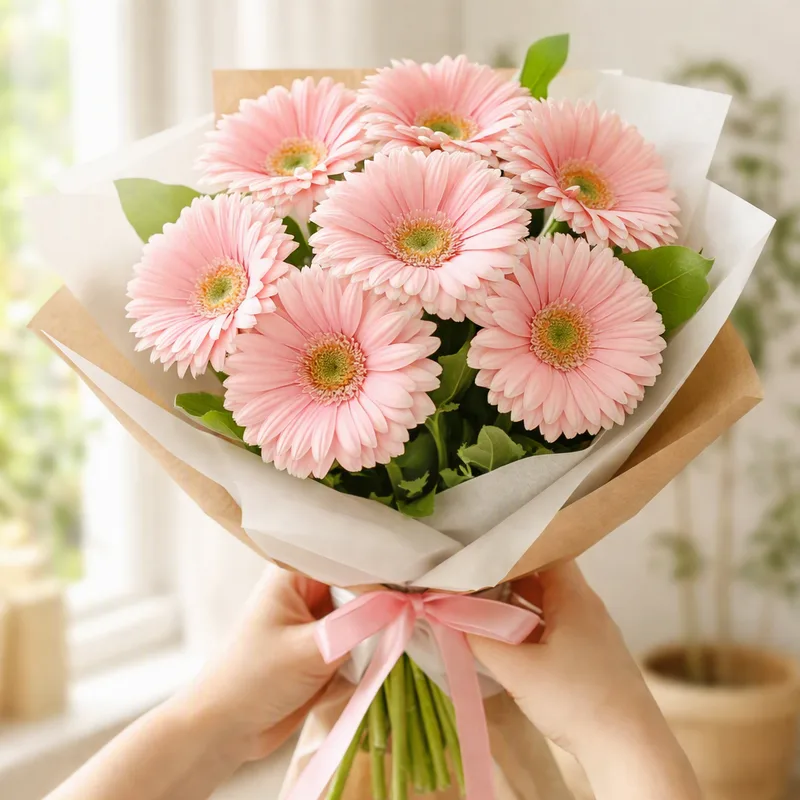
Pink gerberas fit the gentle end of the calendar. Mothering Sunday, celebrated in Ireland in March, is the obvious one, along with birthdays, christenings and a new baby. Their open, daisy-like faces feel friendlier and less formal than roses, and they sit happily in a jug on a kitchen table.
Looking after them
- Pour in only about 5 cm of water; gerbera stems rot easily when submerged.
- Give each stem a diagonal snip when you get it home.
- Keep the vase cool and out of draughts.
- Check the neck of the stem, 10 to 15 cm under the head, because that is where bending starts.
In a cool room a good bunch commonly lasts a week to ten days. Gerberas dislike being squashed, so leave room between stems.
Growing pink gerbera in a pot
Pot gerberas flower for months, but they are better treated as a summer feature in Ireland. Mild, damp winters rarely bring prolonged hard frost to coastal areas, though inland frost pockets can still kill a pot left out. The kinder risk is wet compost in winter, which rots the crown, so keep the plant fairly dry and bright indoors from late autumn.
Is it safe for the cat?
Gerbera jamesonii is listed by the ASPCA as non-toxic to dogs, cats and horses.