
Pink for gratitude and admiration
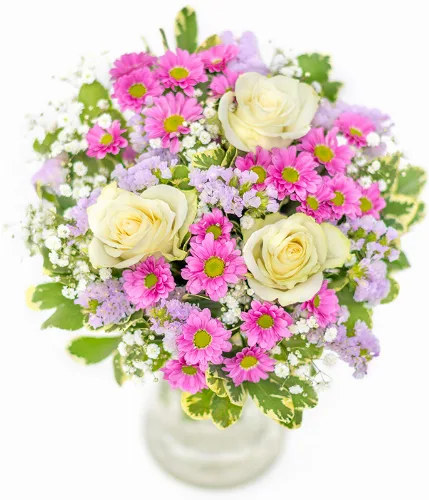
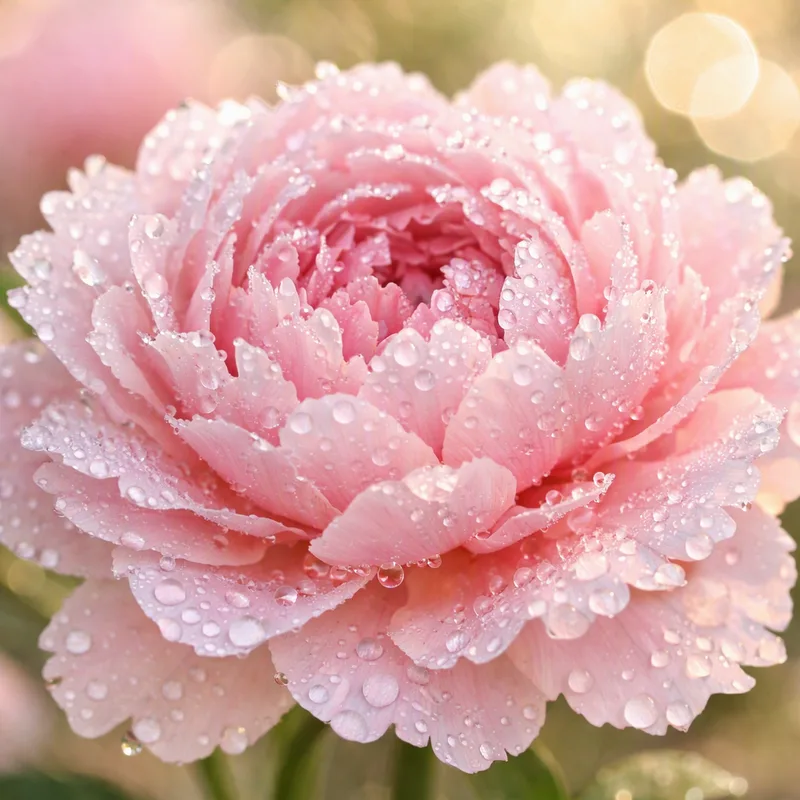
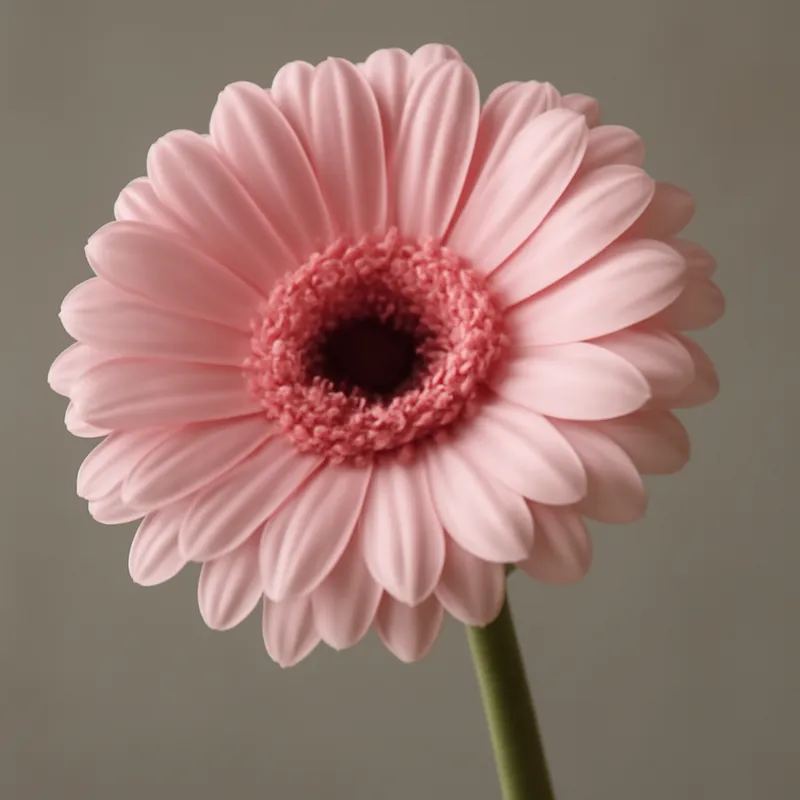
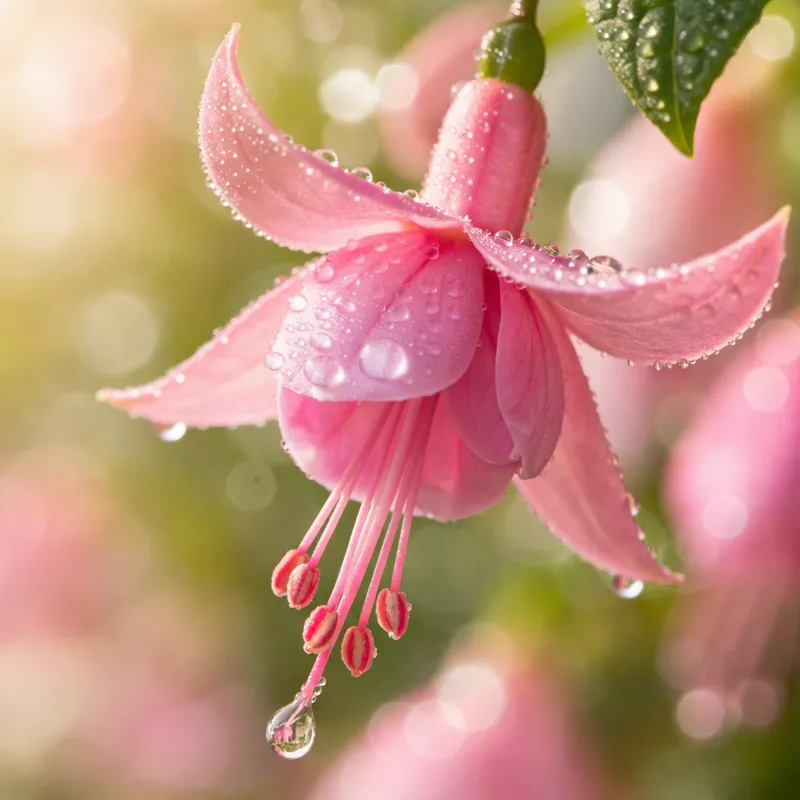
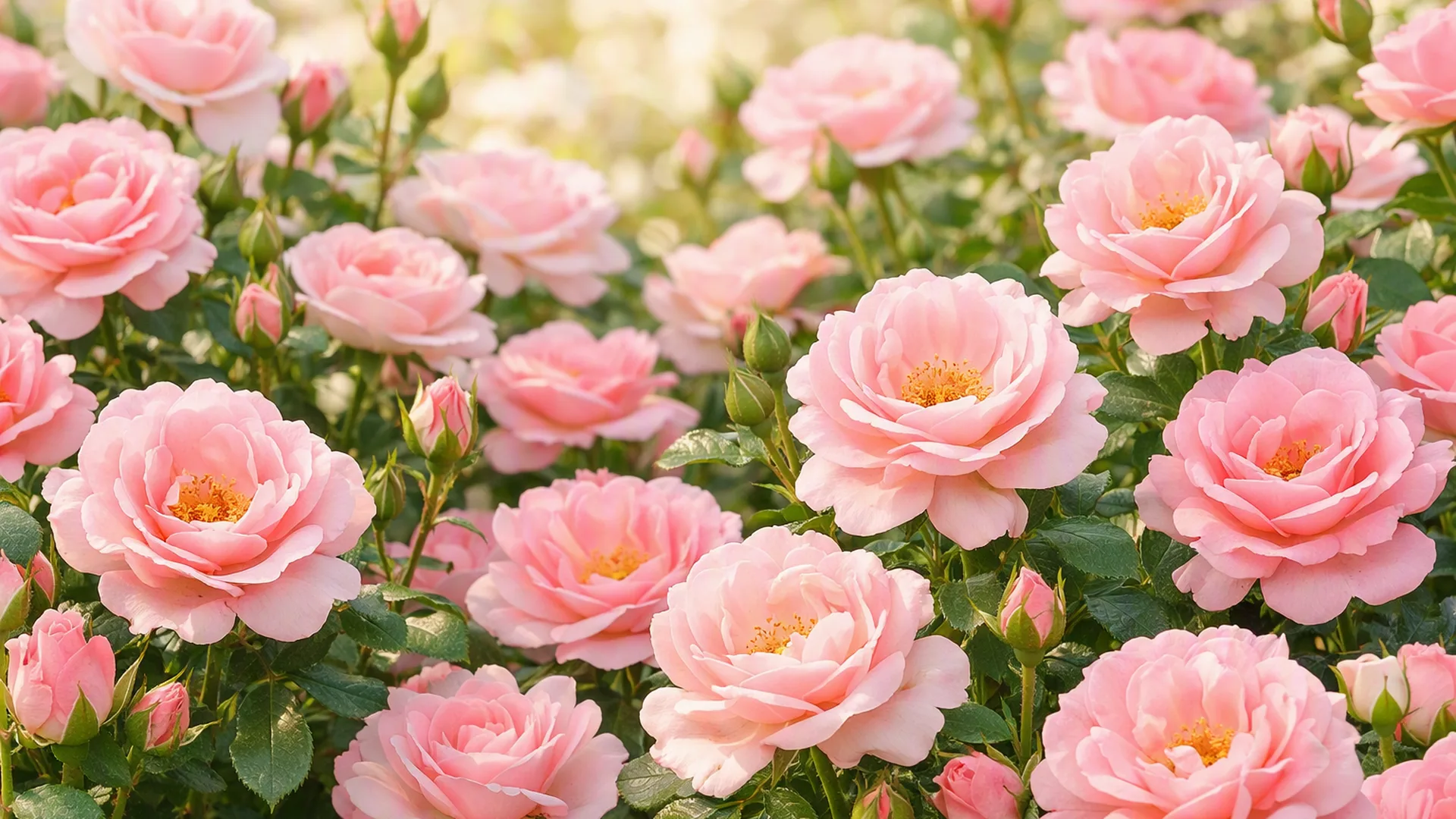
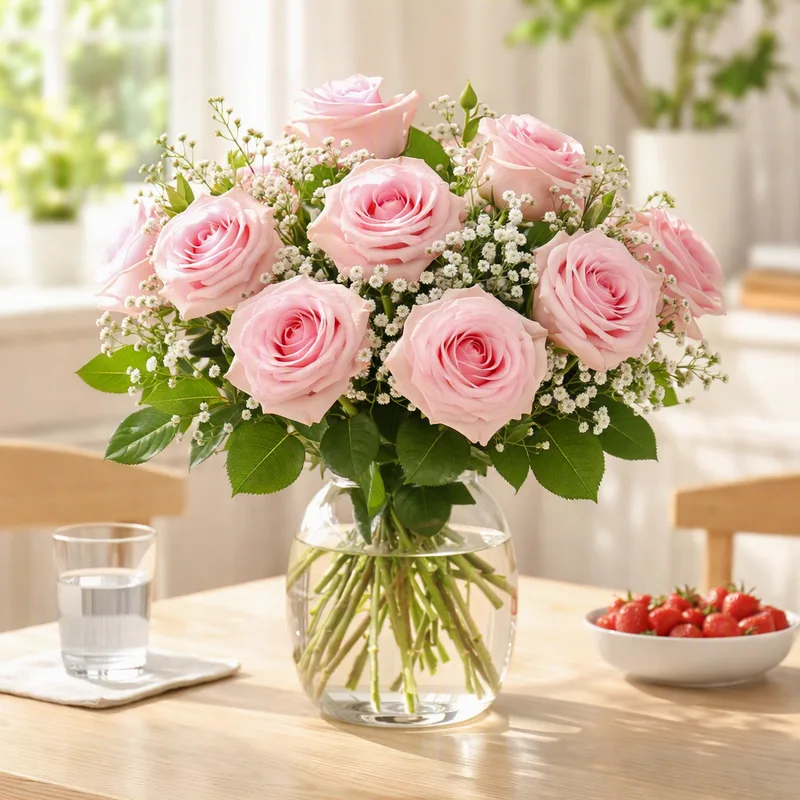
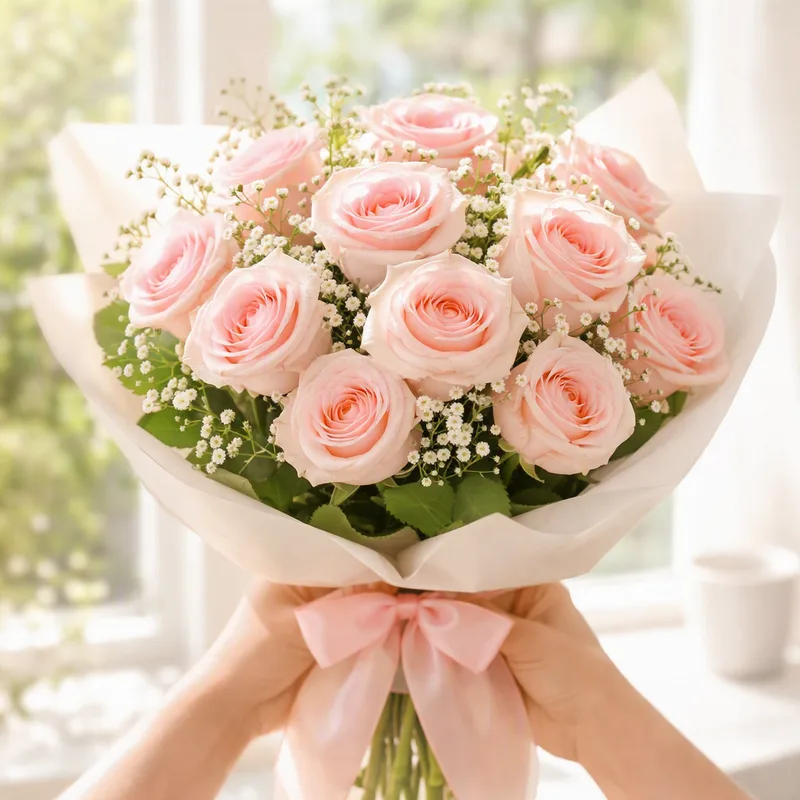
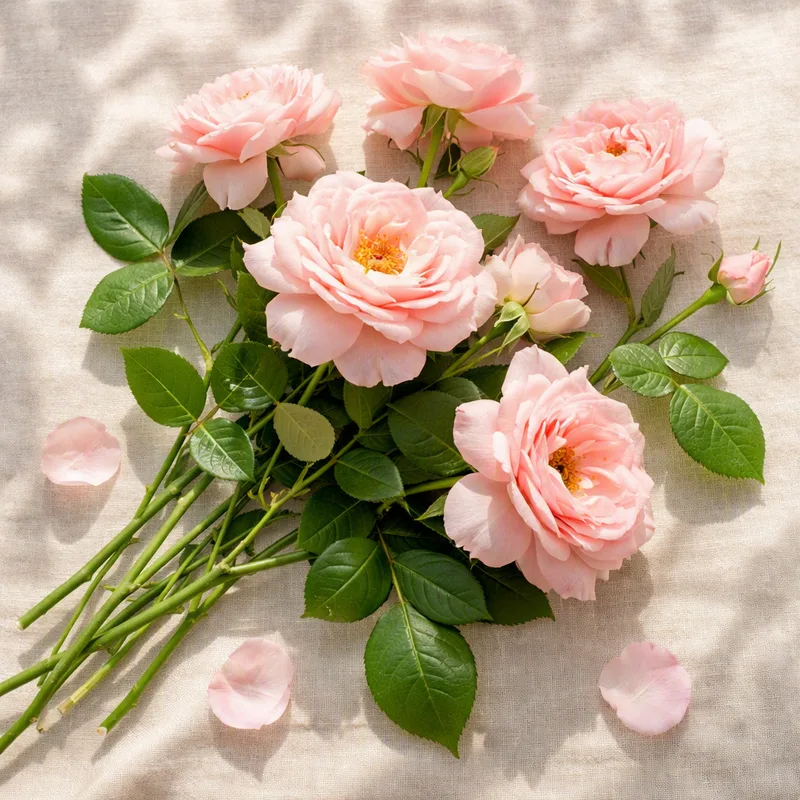
In the language of flowers a pink rose traditionally stands for gratitude, admiration and gentle affection. Paler shades are linked with grace and sweetness, deeper pinks with thanks. That makes pink a popular choice for Mothering Sunday, which falls in mid-Lent, usually in March, and for birthdays and christenings.
Pink varieties with a story
- 'Gertrude Jekyll' is an English shrub rose with big, rounded, richly scented pink flowers.
- 'Queen Elizabeth' is a tall pink grandiflora from the 1950s that works at the back of a border.
- 'Queen of Denmark' is an old alba rose in soft pink, flowering once in early summer.
- 'Elizabeth of Glamis' was raised in Portadown by the Irish breeder Sam McGredy and has salmon-pink blooms.
Fading and sun
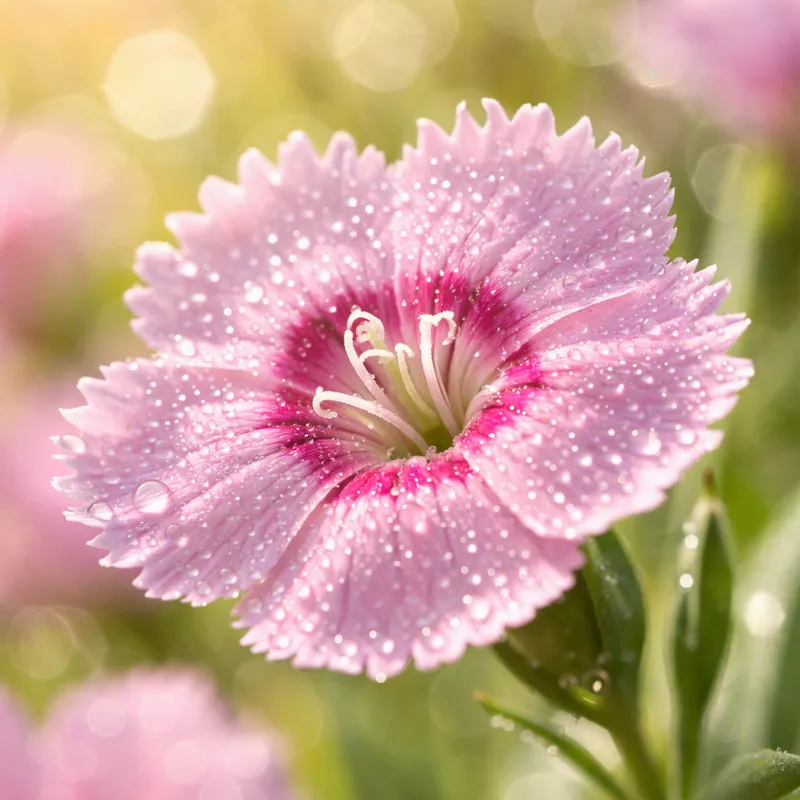
Pink pigments are delicate. Hot sun bleaches them and heavy rain can leave petals spotted, so a spot with some shelter is better. Blooms last longer in a vase out of direct sun.
Roses also take on different tones in different light: pink can look cooler at dusk and warmer at midday.
Looking after pink roses
Plant in a rich, well-drained soil and water at the base. Mulch in spring and prune in late winter or early spring. Feed with a rose fertiliser after the first flush. Pinch off damaged leaves early to keep black spot under control.
Reflected heat from a south wall can scorch petals, so a west or east aspect often works better in a warm summer.
For pet owners
Roses are listed as non-toxic to dogs, cats and horses by the ASPCA.