
Pink and the other colours
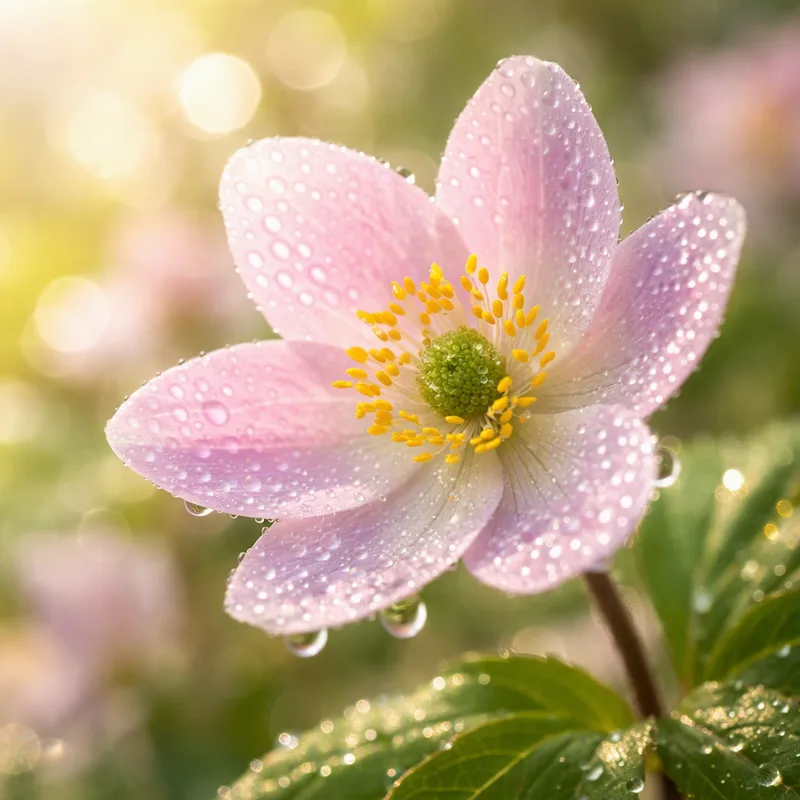
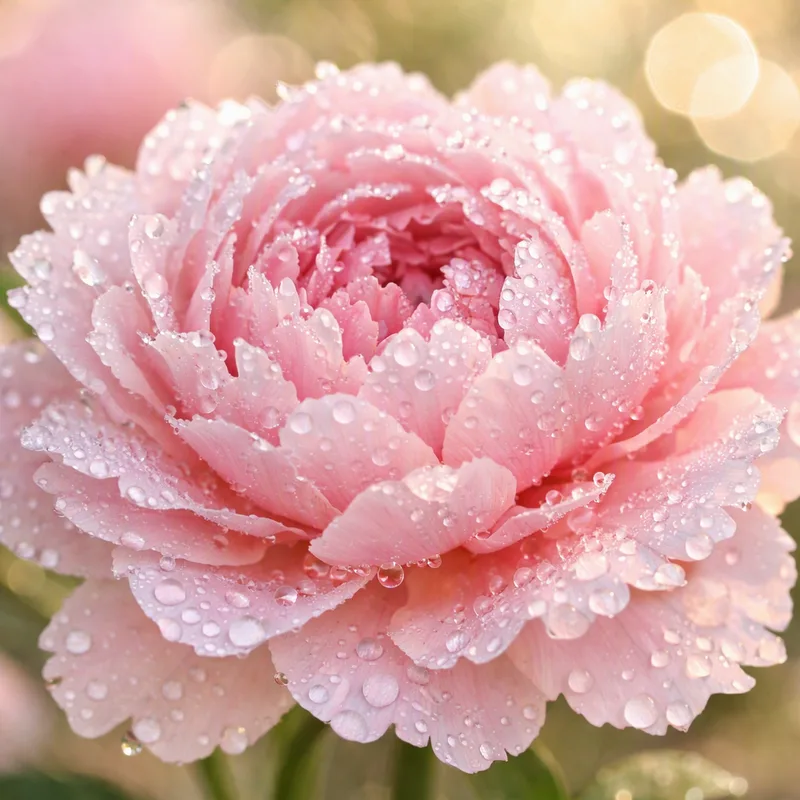
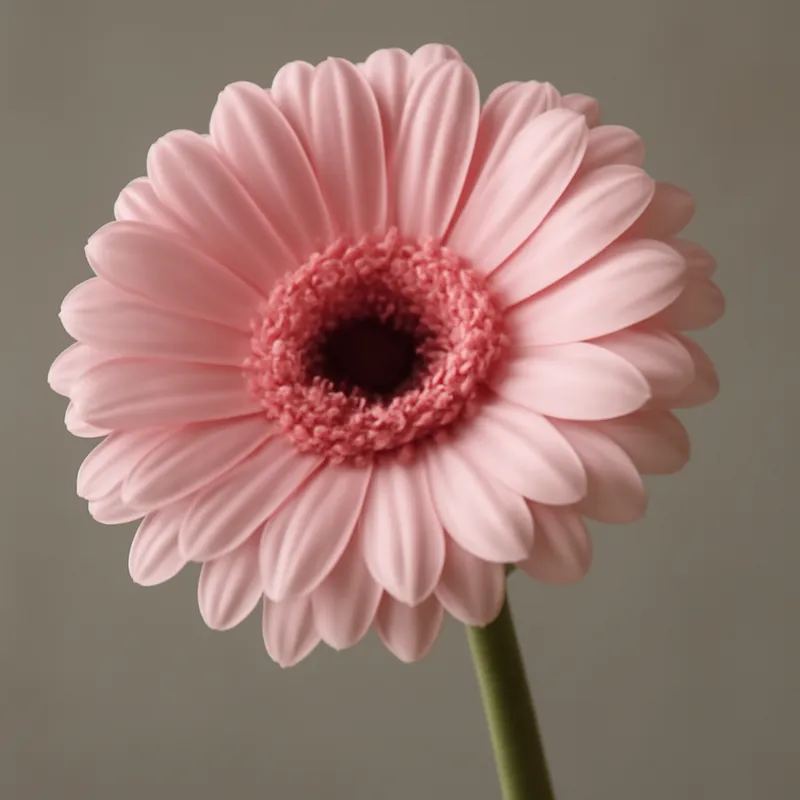
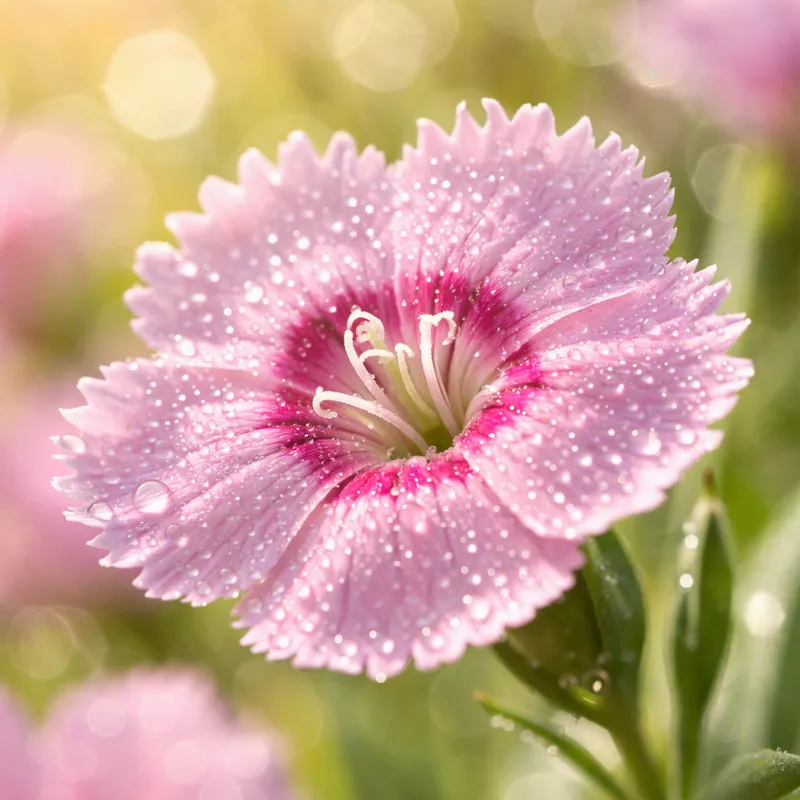
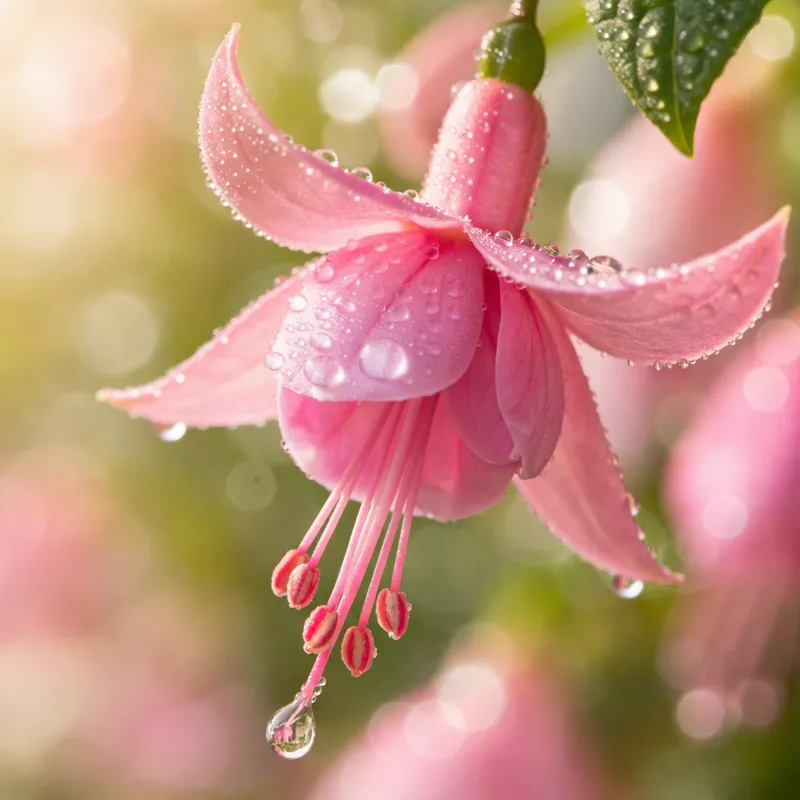
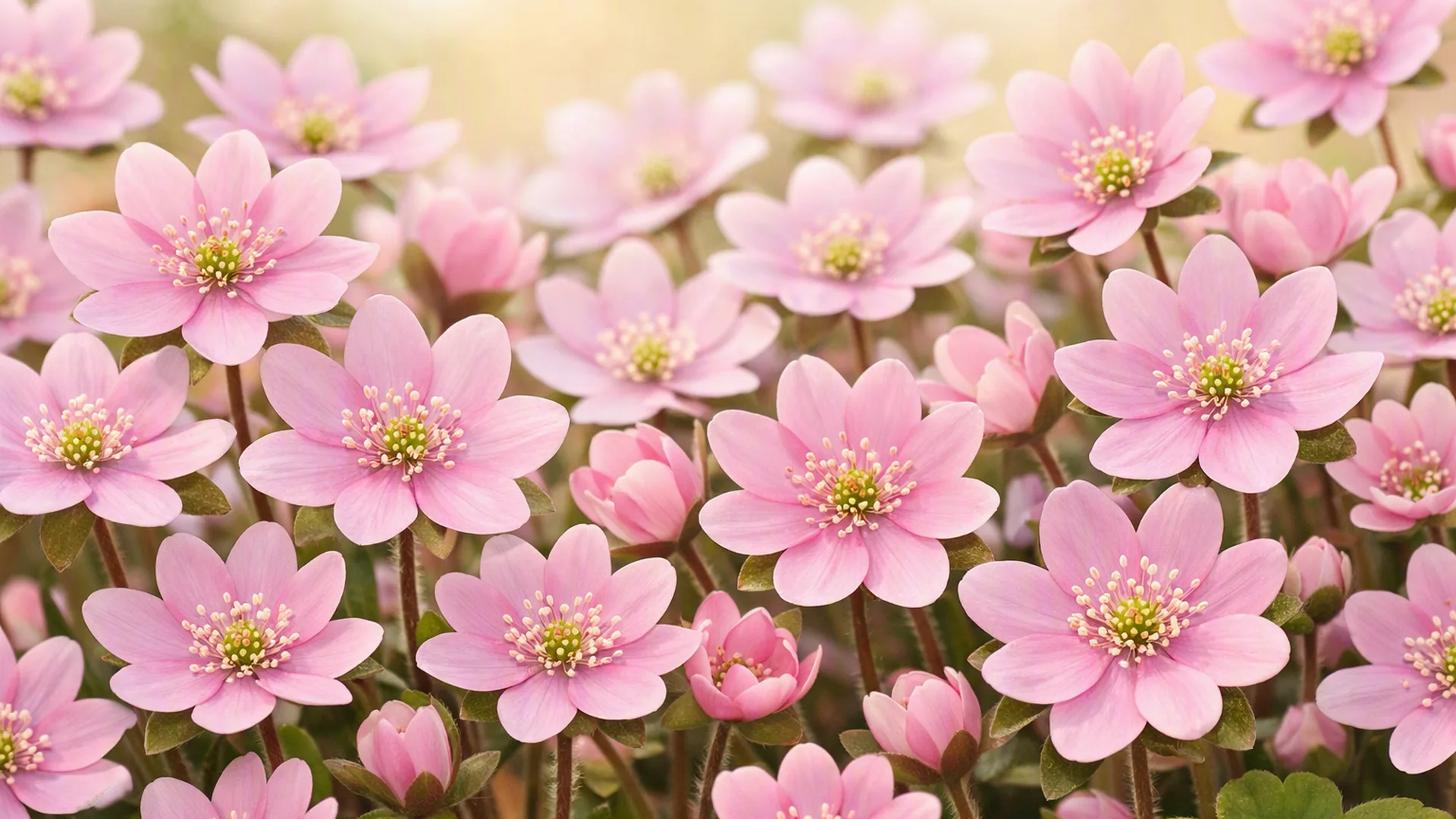
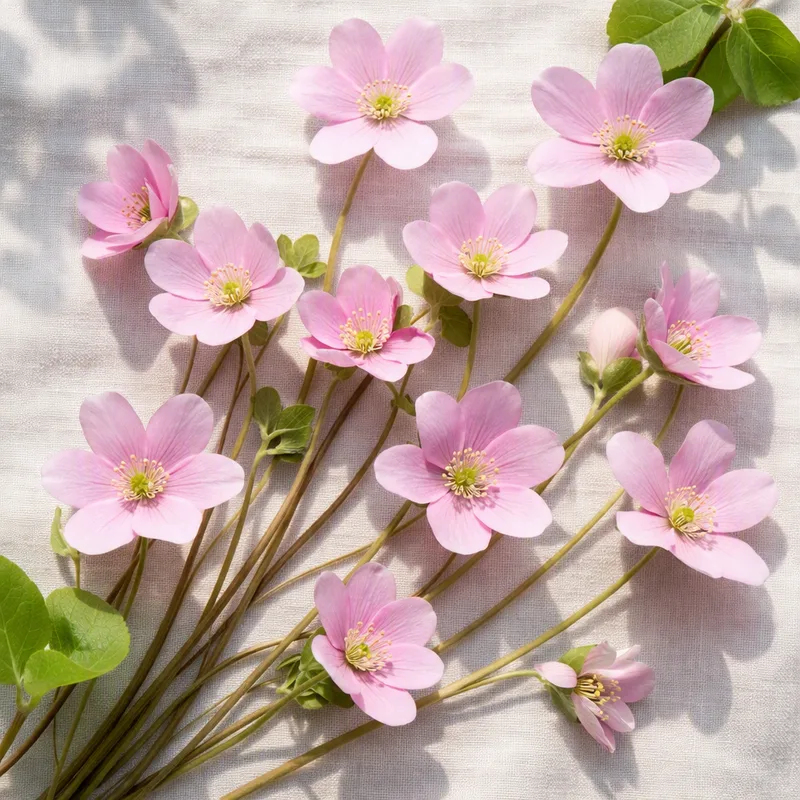
Hepatica flowers are blue, purple, pink or white. In the wild, European plants are most often blue to blue-violet, so pink is one of the less common shades. It is the colour you are likeliest to meet in nursery selections and Japanese forms rather than in a wood.
Is it a florist's flower?
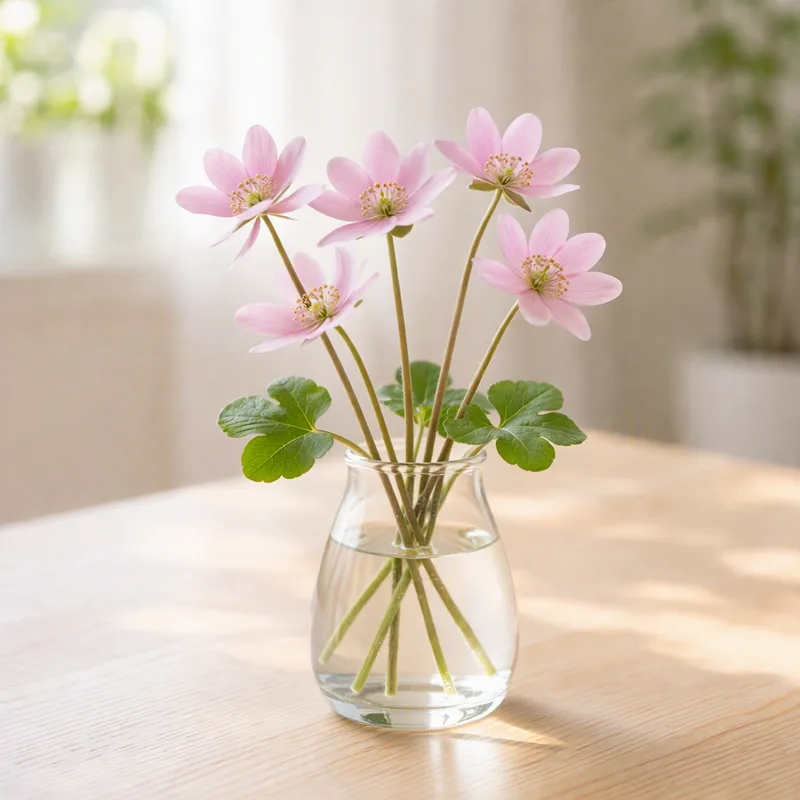
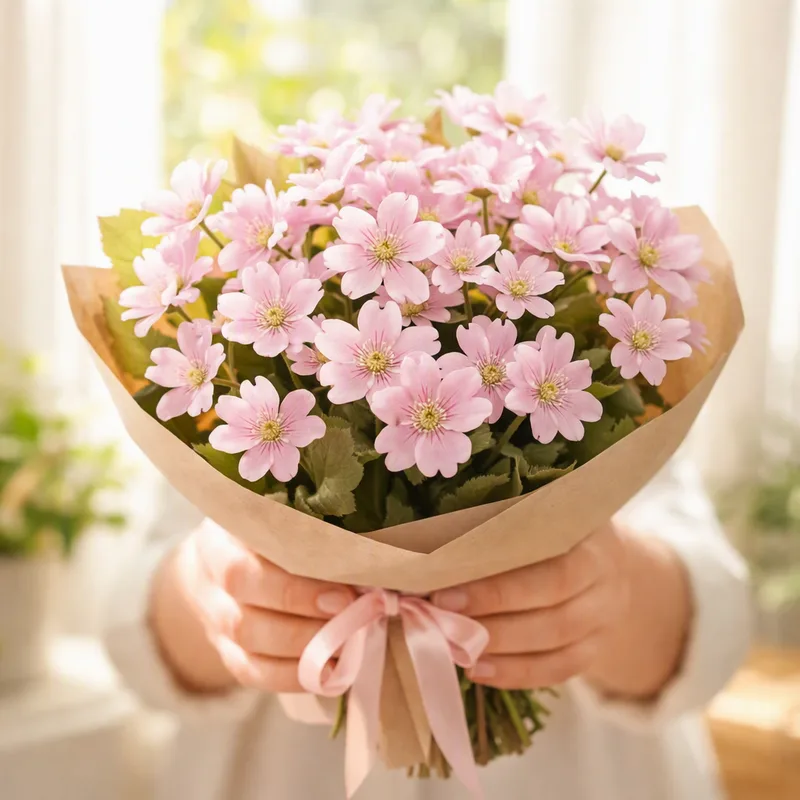
Searches for "hepatica florist" suggest buyers expect a bunch. In practice, the plant is only 5 to 15 cm tall, with flowers that close in poor light, so it does not suit cut-flower work. It is sold as a small potted perennial for the garden, where it will return every spring.
Japan's snow-breaking plant
In Japan, where the plant is called yukiwariso, meaning snow-breaking plant, hepatica is popular and has been the subject of winter flower festivals in Tokyo and Niigata. Nineteenth-century Japanese artwork shows cultivars with colours and petal shapes that are not believed to exist now, and there was renewed interest in developing them from the 1970s. It is one reason why modern pink and white forms are sought after by collectors.
Growing it in a cool, wet climate
- Choose dappled shade and a moisture-retentive, humus-rich soil.
- In wild habitats it often grows on lime-rich ground, so very acid peaty beds may suit it less well.
- Leave the clump undisturbed once planted.
- The leaves stay green over winter, so do not cut them back hard.
A mildly toxic plant
Like other members of the buttercup family, fresh hepatica contains protoanemonin, which is slightly toxic and can irritate the skin. Do not chew it and keep animals from nibbling. If someone has eaten some, contact your GP or the National Poisons Information Centre.