One flower made of hundreds
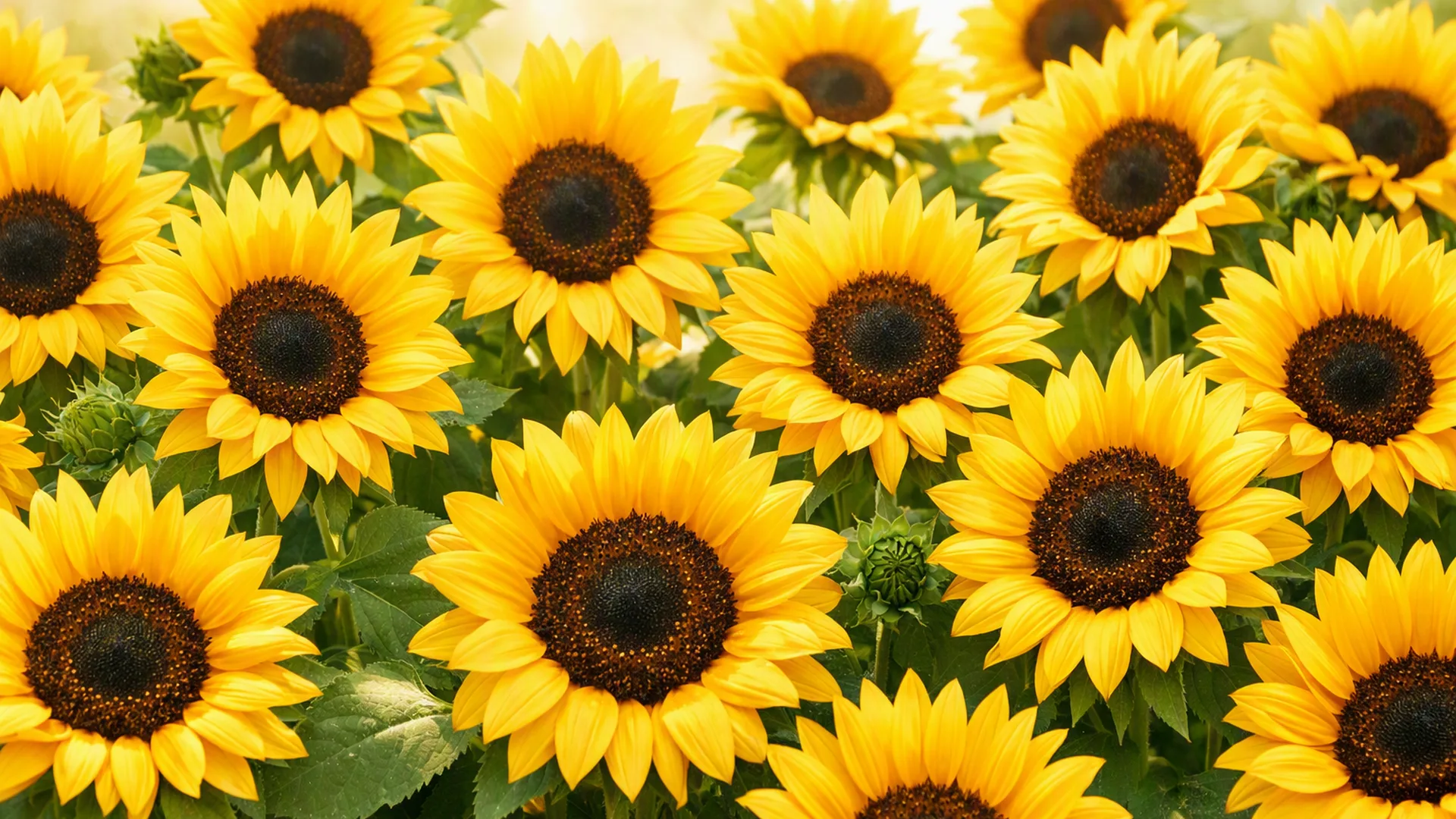
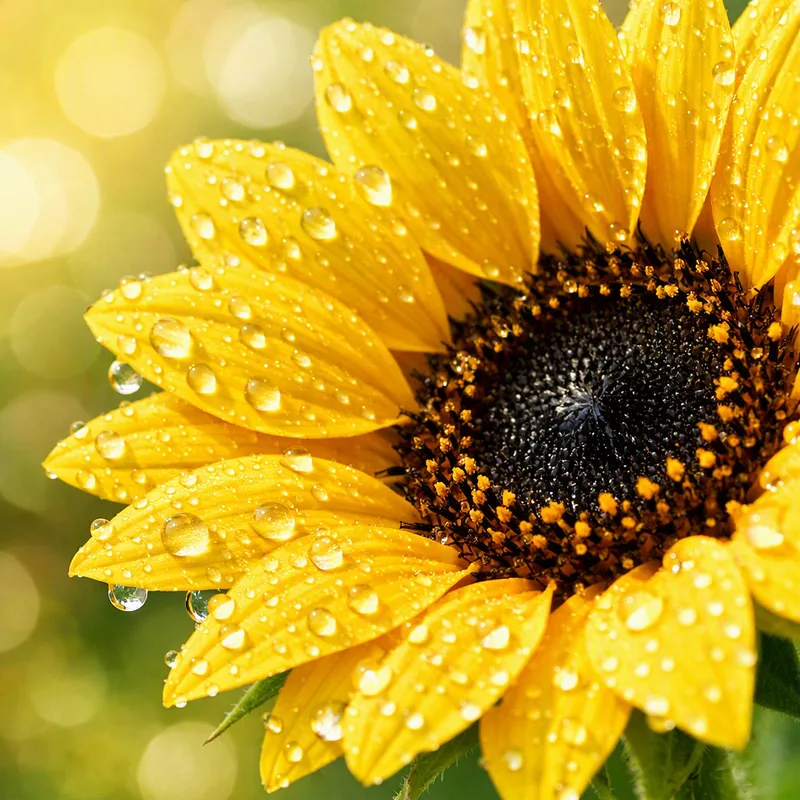
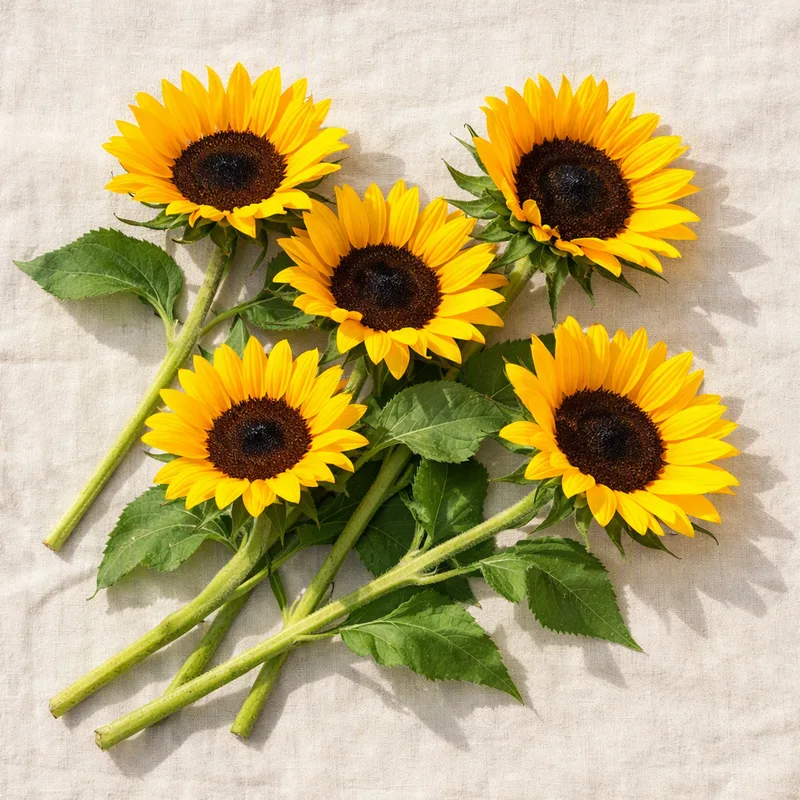
A sunflower head is not a single bloom. The yellow outer petals are ray florets, while the brown centre is a disc of hundreds of tiny tubular flowers that ripen into seeds. Helianthus annuus comes from the Americas and has been grown widely for oil and for ornament.
Does it follow the sun?
Young buds turn to follow the sun across the sky and swing back east overnight. Once the flower opens, this movement stops and mature heads face east.
Growing in Ireland
An Irish summer can be cool and breezy, but sunflowers are still very doable.
- Sow seed indoors in April in individual pots, or sow outdoors in May once frost has passed.
- Harden off plants before putting them out in a sheltered, sunny spot, ideally against a south-facing wall.
- Stake tall types, because wind can snap stems of 2 to 3 metres.
- Protect young seedlings from slugs and snails, which will eat a plant overnight.
- Water generously in dry spells, as big plants lose a lot of moisture.
Wildlife and seeds
Leave the heads on after flowering and goldfinches, tits and other birds will feed on the seeds.
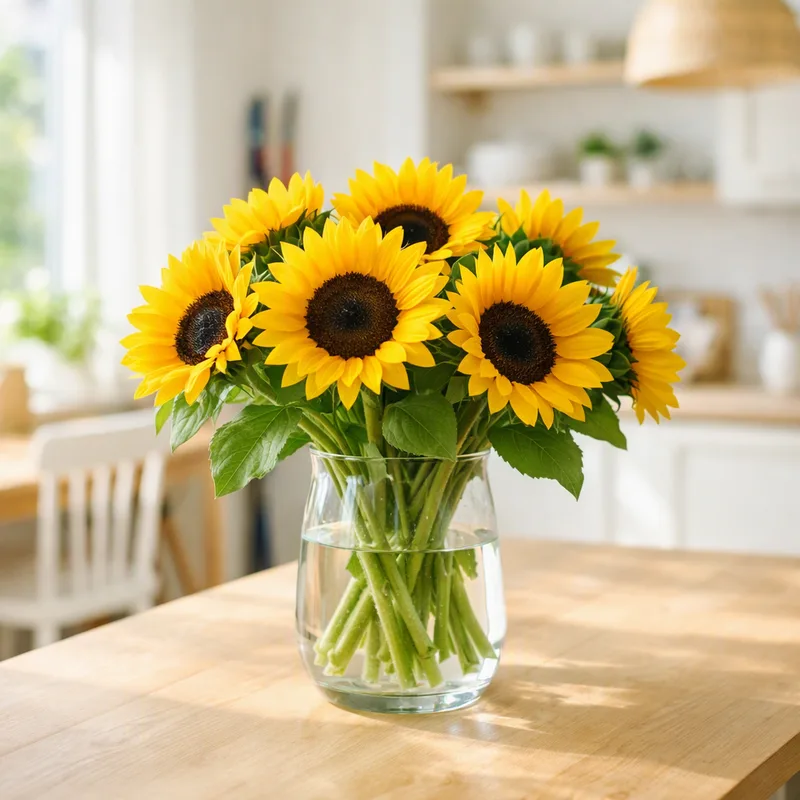
Change the water every day. Stems should last about seven to twelve days. Pollen-free varieties do not stain tablecloths.
Seeds are rich in oil, and sunflower has been grown commercially for oil and edible seeds in many countries.
Safe for pets
Sunflowers are rated non-toxic to dogs, cats and horses by the ASPCA.