Flower care: how to get the most from a bouquet
Most cut flowers die early for the same few reasons: dirty water, a warm room and a blocked stem. Fix those and a decent bouquet will usually give you a week or more. Here is the routine that works.
The first ten minutes
- Get them into water. If the bouquet arrives with a water bubble at the base, it can sit for a while, but the sooner it is in a vase the better.
- Use a clean vase. Wash it with hot soapy water; old residue is full of bacteria.
- Trim the stems. Take off a couple of centimetres with sharp scissors, secateurs or a knife, at a slant for most flowers. Blunt kitchen scissors crush the stem.
- Strip the lower leaves. Anything below the waterline rots and fouls the water.
- Add the flower food. The sachet has sugar for energy, an acidifier that helps the stems drink and something to slow bacteria. Use the whole sachet in the amount of water it says.
Fresh bouquets delivered in Ireland.
See bouquetsChoosing the spot
Cut flowers are alive, and warmth makes them use up their energy faster. A cool, bright room is ideal. In Irish homes the biggest enemy is usually the radiator under the window, followed by the range or the cooker. A few more points:
- Fruit bowl: ripening fruit gives off ethylene, which ages flowers. Carnations, alstroemeria and some lilies are especially sensitive.
- Direct sun: lovely for a photo, hard on the flowers. Move them back from a south-facing window.
- Overnight: if the living room is warm in the evening, moving the vase to a cool hall or porch overnight adds days.
- Pets: some flowers, lilies above all, are dangerous to cats. Keep vases out of reach.
A simple routine
- Every two or three days: empty the vase, rinse it, recut the stems and refill with fresh water.
- Top up daily: thirsty flowers such as hydrangeas and sunflowers can drink a vase half dry.
- Remove faded flowers so the rest of the bouquet looks fresh and the water stays clean.
- Shorten as you go: when the bunch looks tired, cut everything shorter and move it to a smaller vase. It often gets a second life.
In parts of Ireland with very hard water, a little extra flower food or a vase rinsed with vinegar now and then helps keep limescale and film off the glass.
Send flowers that are worth looking after.
Choose a bouquetFlower by flower
Roses
Cut at a slant and remove leaves, but do not scrape off every thorn; damaging the stem lets bacteria in. If a head droops, recut the stem under water. More in our rose guide.
Tulips
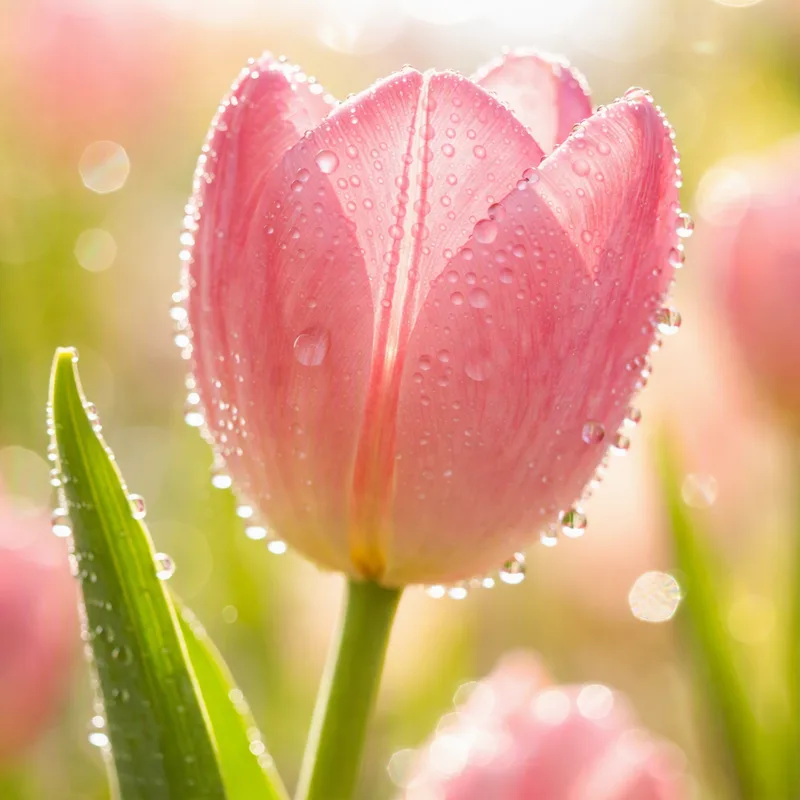
They keep growing and bend towards light. Use cold water, a tall vase and turn it daily. See the tulip guide.
Daffodils
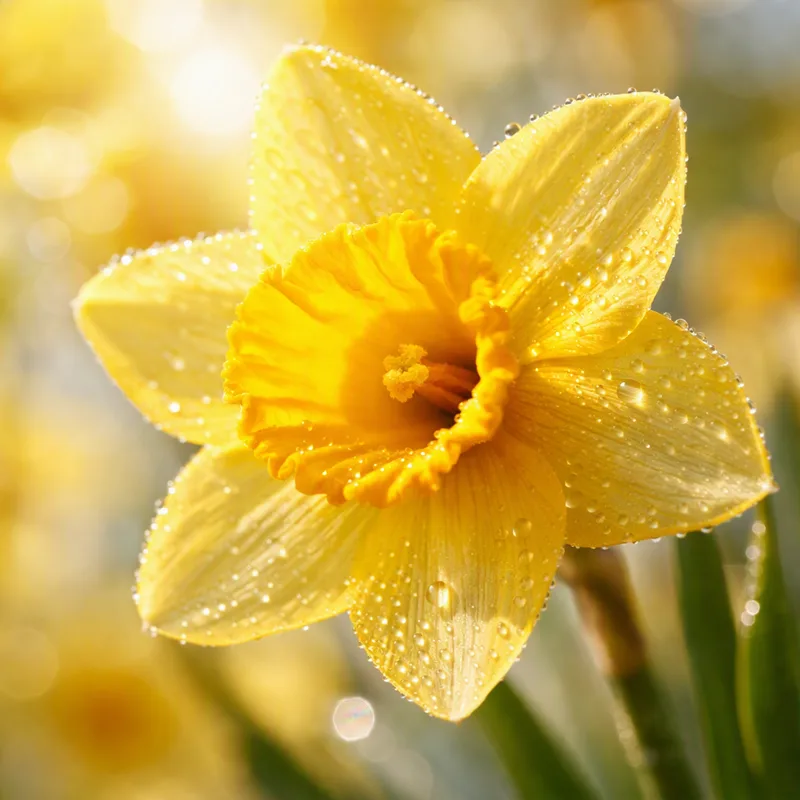
Their sap harms other flowers, so give them a few hours in their own water before mixing.
Lilies
Pinch out the pollen tips as each flower opens. Buy them with closed buds for the longest show.
Hydrangeas
If a head collapses, submerge it in cool water for half an hour. It usually recovers.
Woody stems
Blossom, lilac and other woody stems drink better with a fresh, sharp cut. The old advice to hammer the ends is out of favour, as it crushes the stem.
Myths worth ignoring
- Copper coins, aspirin, lemonade, bleach: none beats the sachet that comes with the flowers.
- Warm water for everything: it speeds up opening, which is handy for tight buds, but most flowers last longer in cool water.
- Spraying the petals: it does little indoors and can spot delicate flowers.
Have another question? Our FAQ covers many more, and our sending guide explains the practical side of ordering. Ready to send flowers?