
A Mediterranean shrub in an Atlantic garden
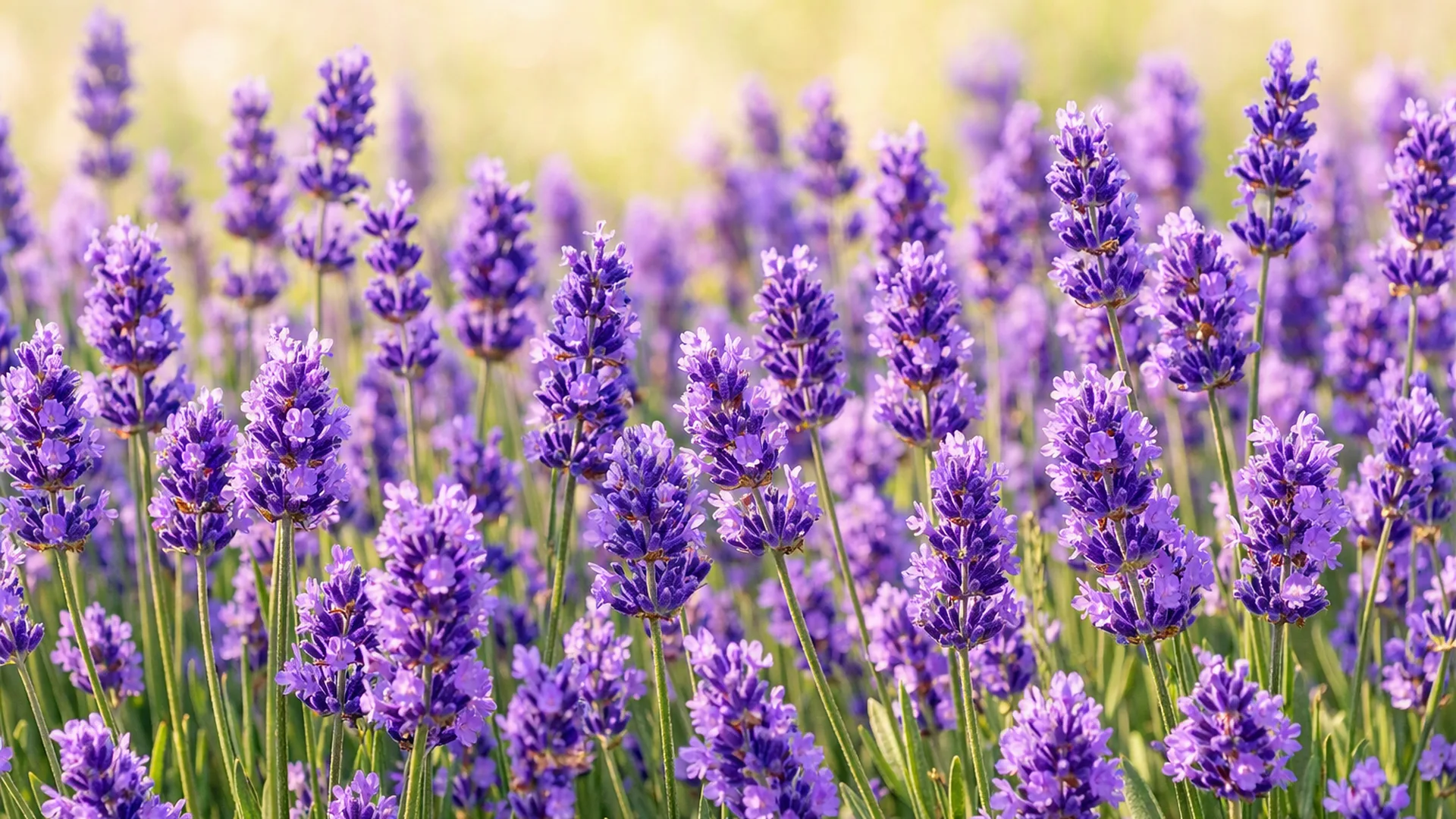
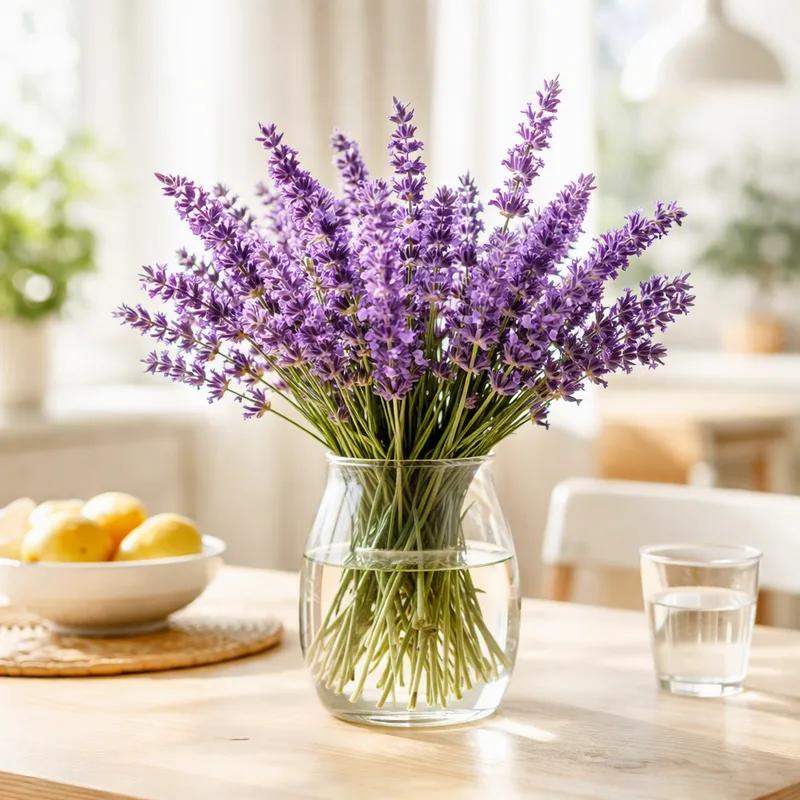
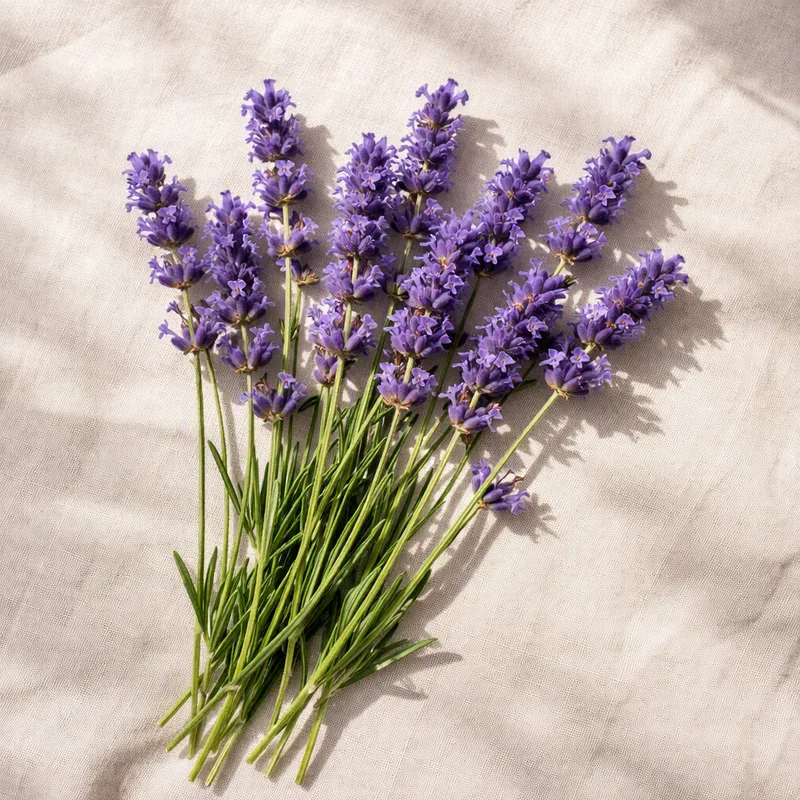
Lavandula angustifolia is native to the Mediterranean basin. It forms a strongly aromatic shrub, with leafless flower stems 10 to 30 cm long carrying purple spikes 2 to 8 cm long. Garden cultivars generally stay between 30 and 60 cm. 'Hidcote' is a famous compact one, 40 to 50 cm tall with silver-grey leaves and deep violet-blue flowers, and it carries the RHS Award of Garden Merit.
Making it happy in Ireland
The plant tolerates cold fairly well. Wet is the problem, particularly in heavy soil over winter. To succeed:
- Plant on a slope, a raised bed or in sandy, gritty soil.
- Pick the sunniest, most sheltered place, ideally against a wall.
- Clip after flowering, trimming only the green growth and not into old wood.
- Avoid rich feeding; it produces leaf at the expense of scent.
Bees and uses
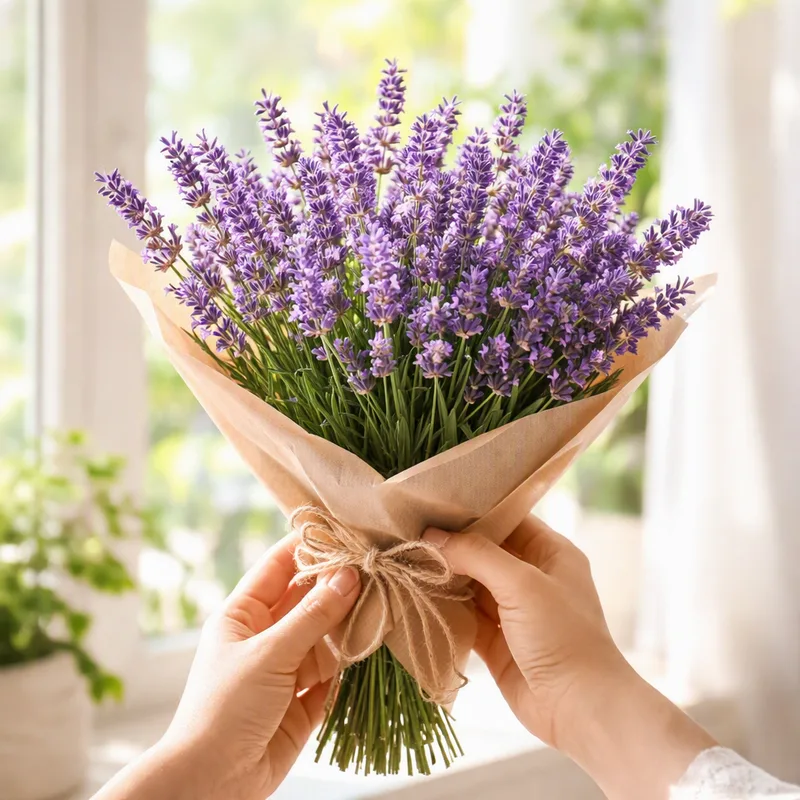
Flowers attract bees and butterflies. The flowers and leaves have long been used in herbal products, and the buds are sometimes used in cooking. Cut stems can be hung to dry for sachets.
Keeping animals safe
The ASPCA lists lavender as toxic to dogs, cats and horses. The toxic principles are linalool and linalyl acetate, and signs include nausea, vomiting and loss of appetite. Keep essential oils and cut stems away from animals and speak to your vet if one has eaten lavender.