
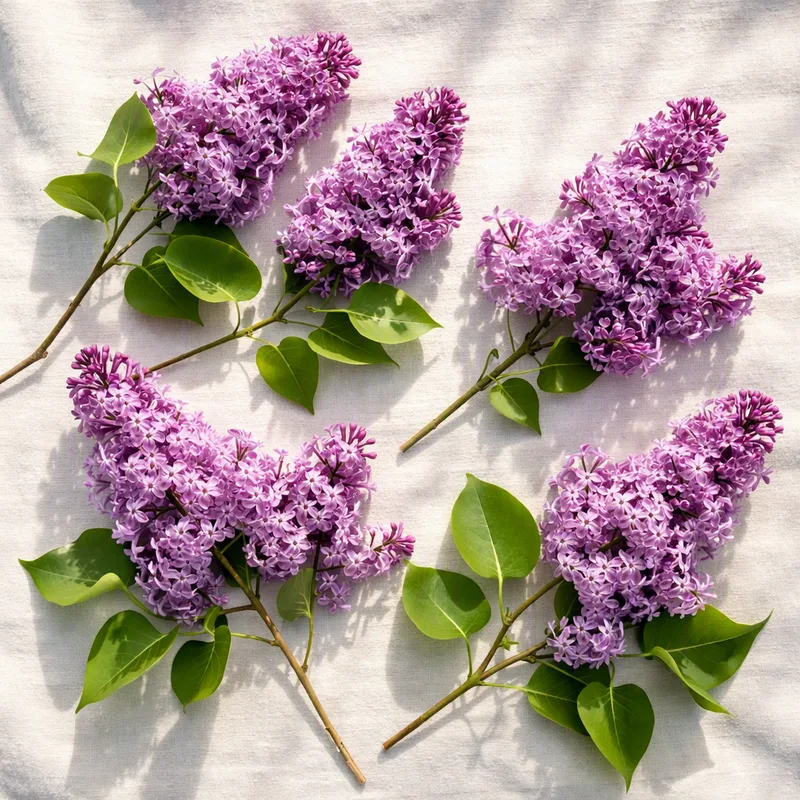
The shrub behind the colour
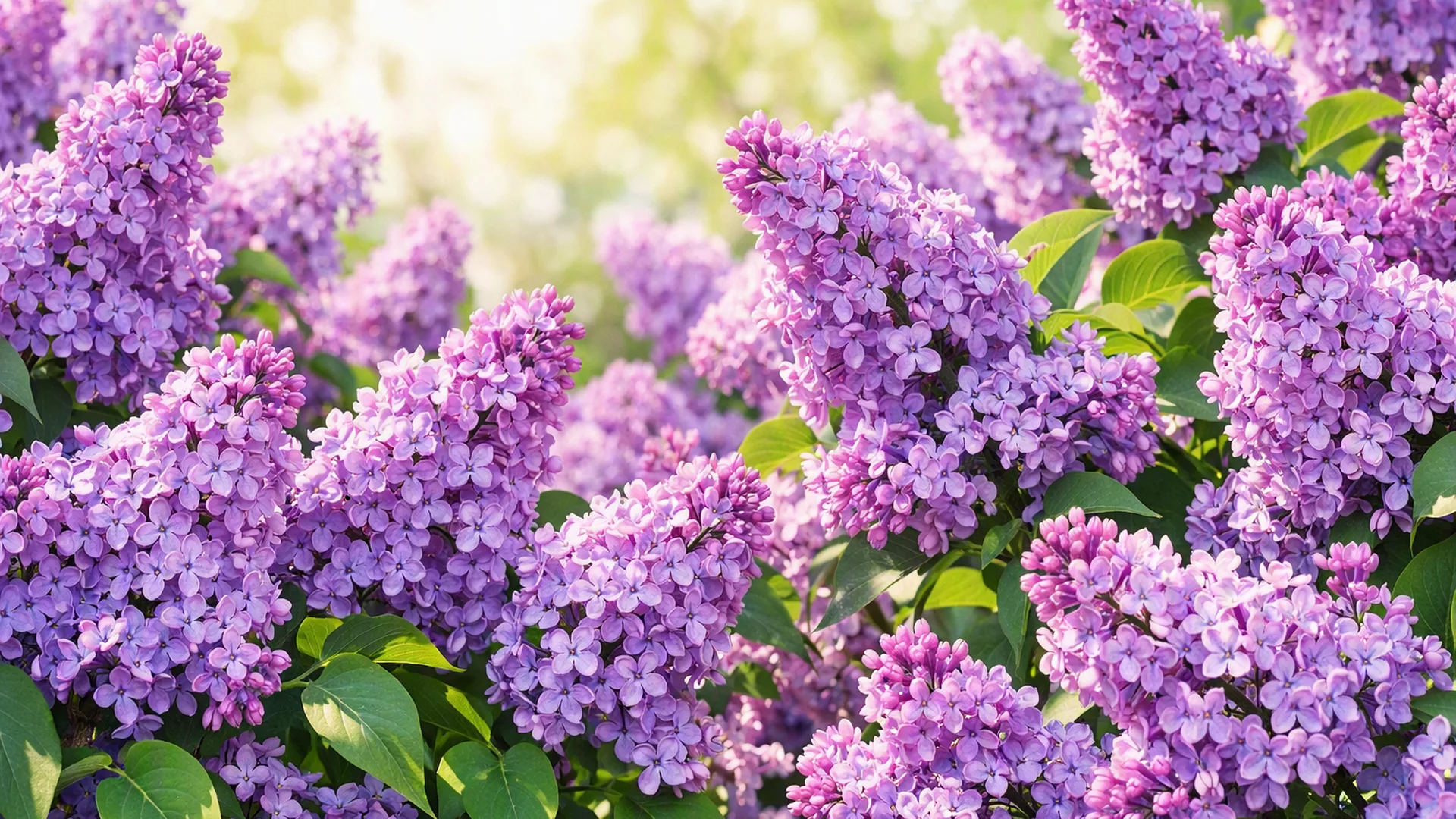
Syringa vulgaris is a large deciduous shrub or small tree, native to rocky hills in the southern Balkans and grown across northern and western Europe since the sixteenth century. It reaches several metres, sends up suckers from the base and carries dense, upright panicles of scented flowers that are usually lilac to mauve and occasionally white. The shade has given its name to a colour of its own.
The first plants reached northern gardens through the diplomat Ogier Ghiselin de Busbecq, who is credited with sending cuttings from Constantinople to the botanist Carolus Clusius around 1562. Most garden lilacs now are named cultivars, including many bred by Victor Lemoine in Nancy between 1876 and 1927.
When to expect it in Ireland
Lilac flowers in May. That is too late for Mothering Sunday in March but just right for the bank holiday weekends, First Communion and early summer weddings. It copes with Irish winters without trouble and likes soil that is not waterlogged, ideally neutral to slightly alkaline, so acid peat areas may need a dose of garden lime.
Cutting back after the show
- Remove the flower heads as soon as they fade, before seed forms.
- Cut out old, congested wood straight after flowering, never in late summer, or you remove next year's buds.
- Sun matters more than anything: shade gives leaf but few flowers.
For the vase
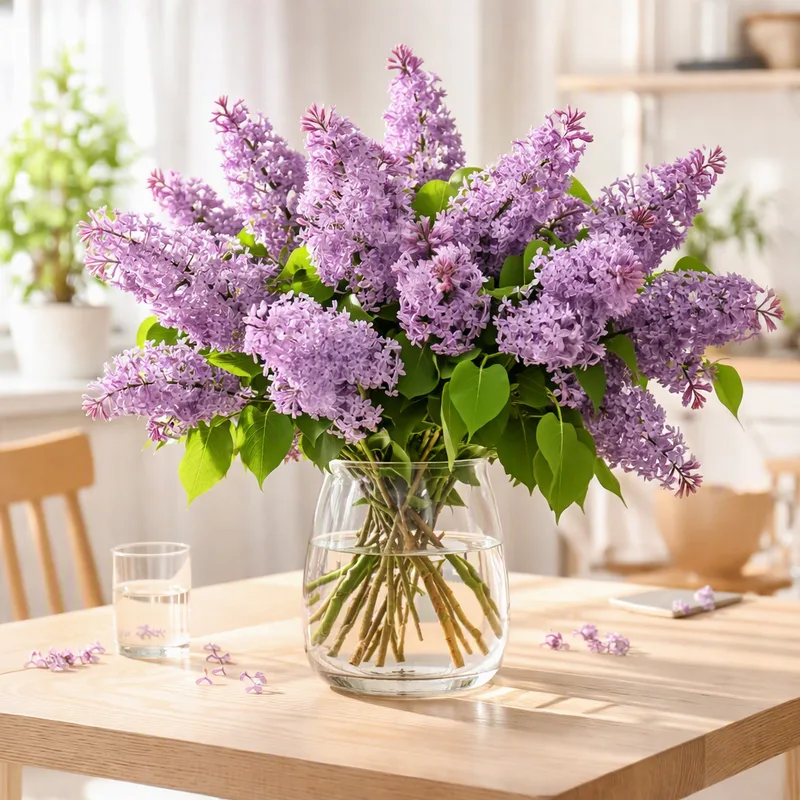
Cut branches early in the morning, strip most of the leaves and put them in cold water straight away. They last only a few days.
Pets
The ASPCA does not list common lilac as toxic. Its "Persian lilac" is a different tree, Melia azedarach, which is dangerous, so check the Latin name if a source warns about lilac.