A Japanese shrub at home in the Atlantic mist
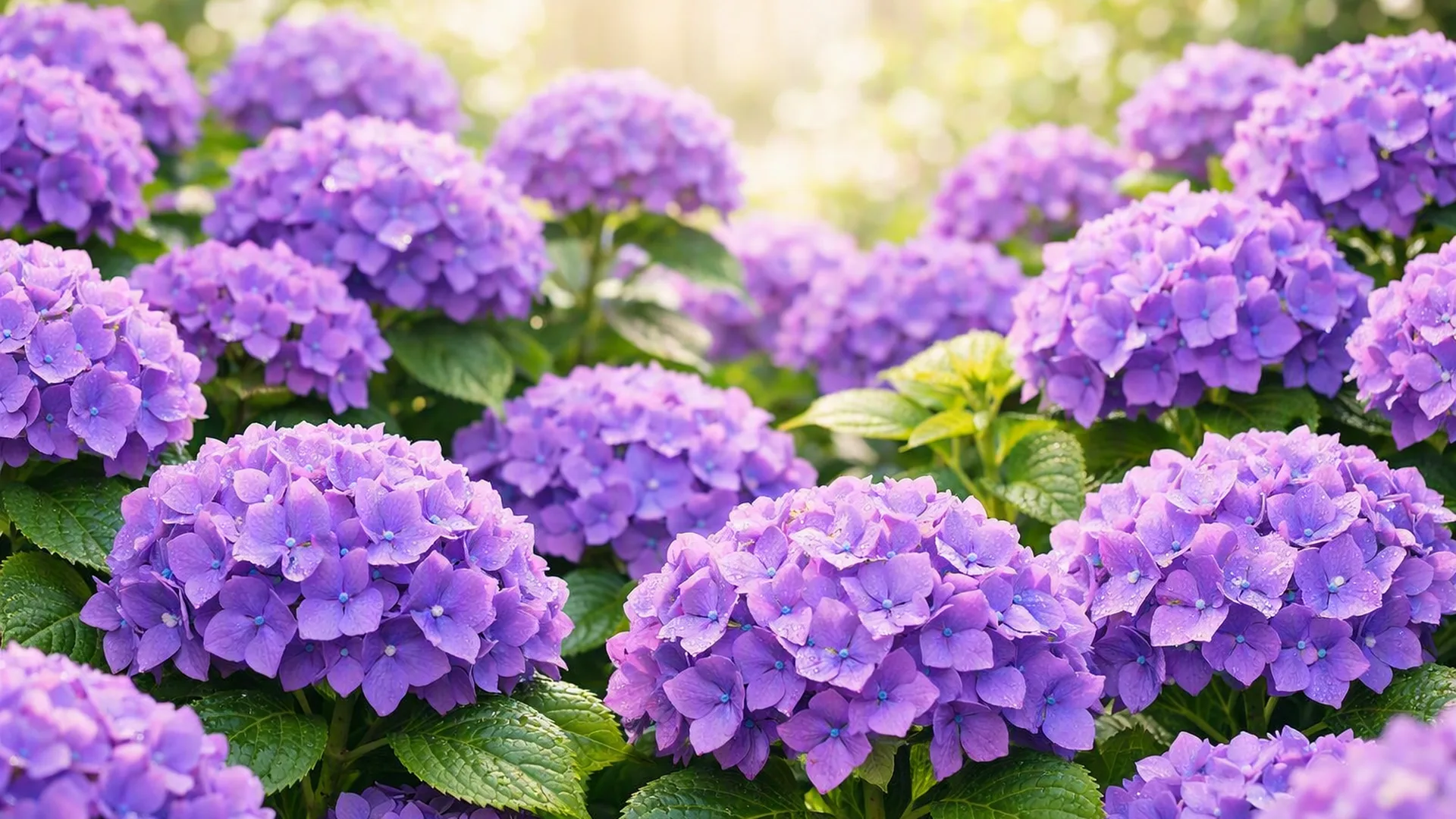
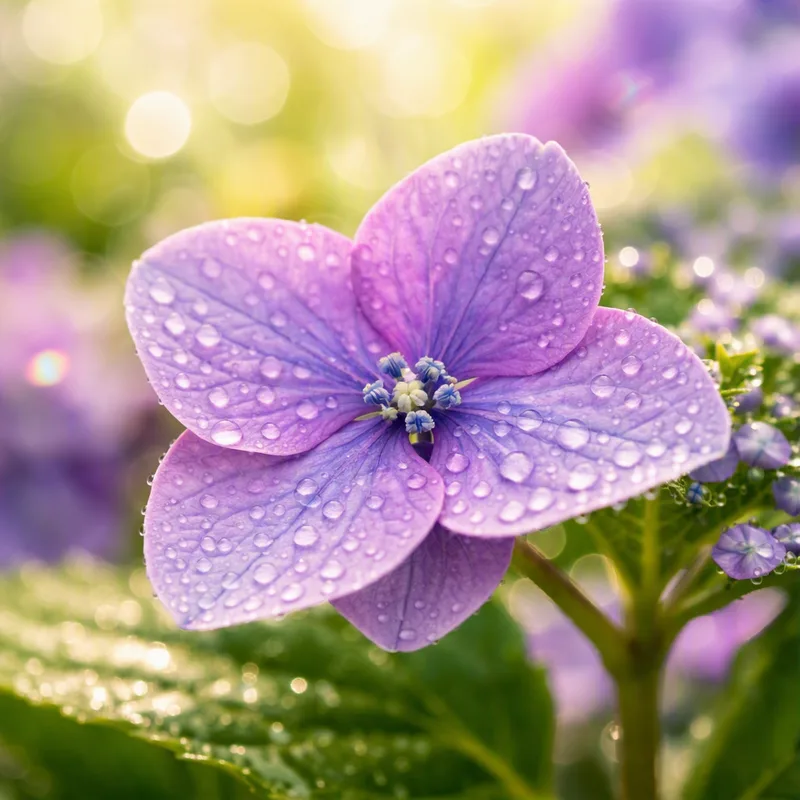
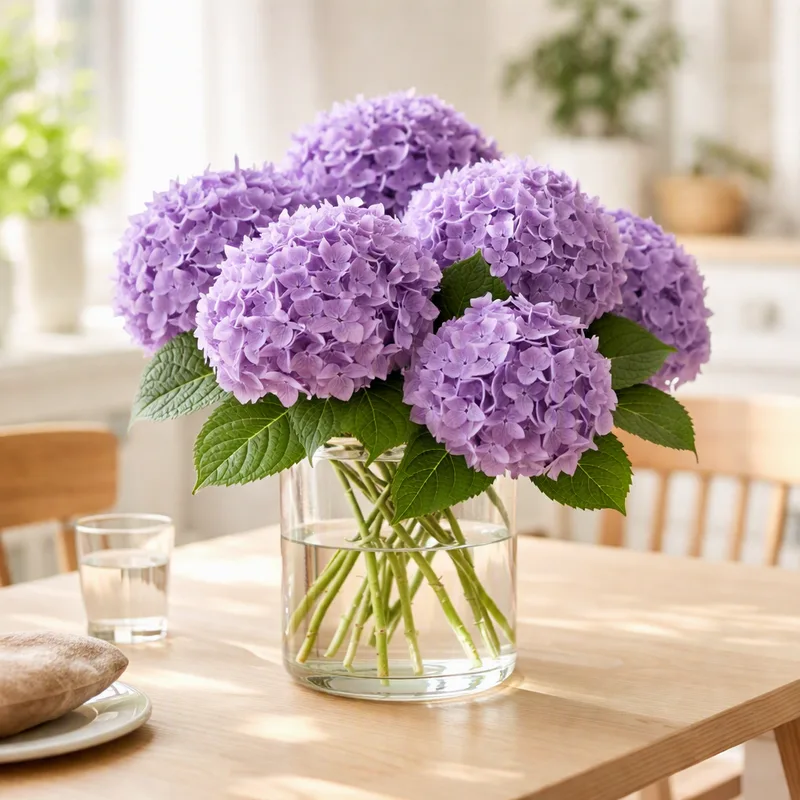
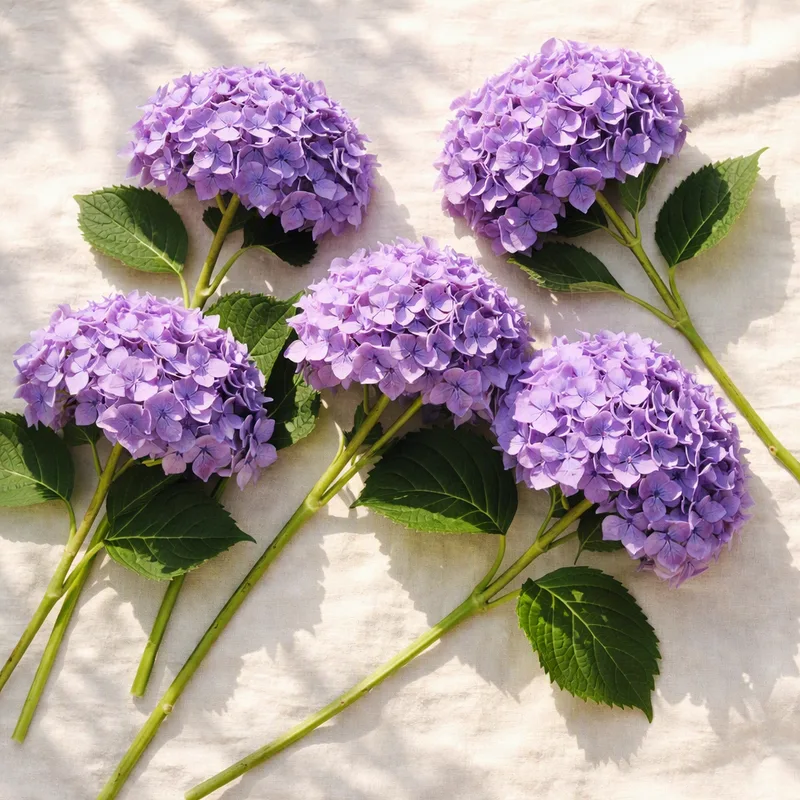
Hydrangea macrophylla, the bigleaf hydrangea, is native to Japan. It forms a deciduous shrub up to about 3 metres tall, carrying big heads of pink or blue flowers from summer into autumn. The cultivar groups have their own names: mopheads, also called hortensias, are round balls of sterile flowers, while lacecaps wear a flat ring of showy florets around a fertile centre.
Irish weather suits it better than many places can offer. Mild, moist air and regular rain are what it asks for, and in sheltered coastal gardens it can grow into a generous, shoulder-high mound.
How to look after it
- Choose light shade or morning sun. Hot afternoon sun scorches the leaves and wilts the heads.
- Keep the soil moist but not waterlogged, and mulch each spring with compost or leaf mould.
- Shelter it from cold, drying winds, which can brown the new shoots.
The pruning mistake to avoid
Most macrophylla varieties set next summer's flower buds on last season's stems. Cut hard in autumn or early spring and you remove the flowers. Leave the faded heads on over winter to protect the buds, then trim just above a strong pair of buds once the worst frosts are past. In inland frost pockets a late frost can still blacken the tips, so a layer of mulch around the base is cheap insurance.
Soil and colour
Soil acidity affects the pigment: below pH 7 you tend towards blue, above pH 7 towards pink or red. White varieties are unaffected. Peaty, acidic ground in much of the west gives blue easily, whereas limestone areas lean pink.
What to tell the vet
Cyanogenic glycosides in hydrangea make it a stomach irritant for dogs, cats and horses, according to the ASPCA. Cyanide poisoning itself is rare, but vomiting and low energy are enough reason to phone the vet. Keep pets from chewing stems or fallen leaves.