Two violets you may already know
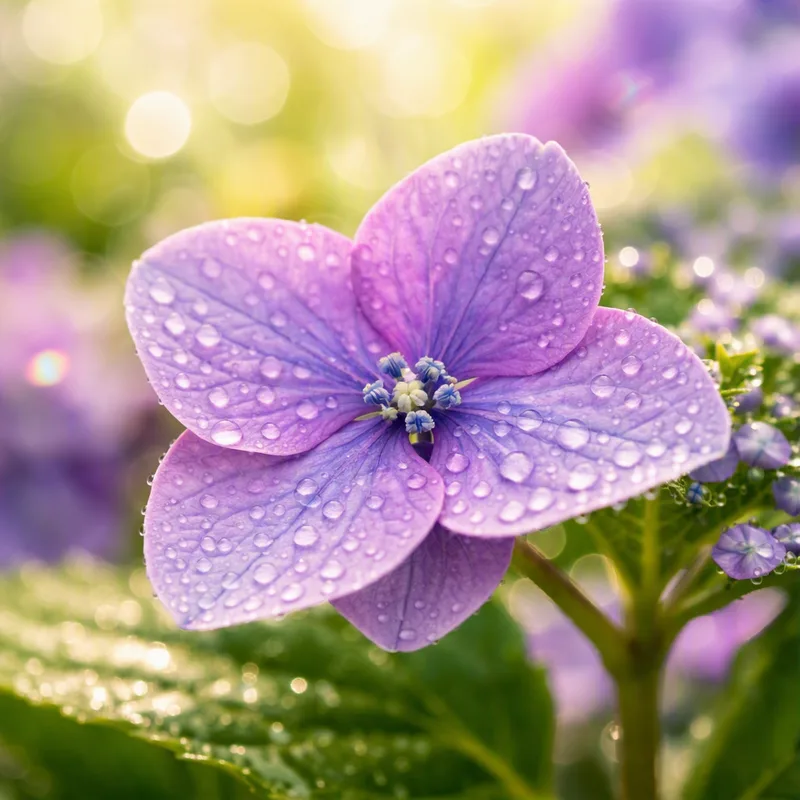
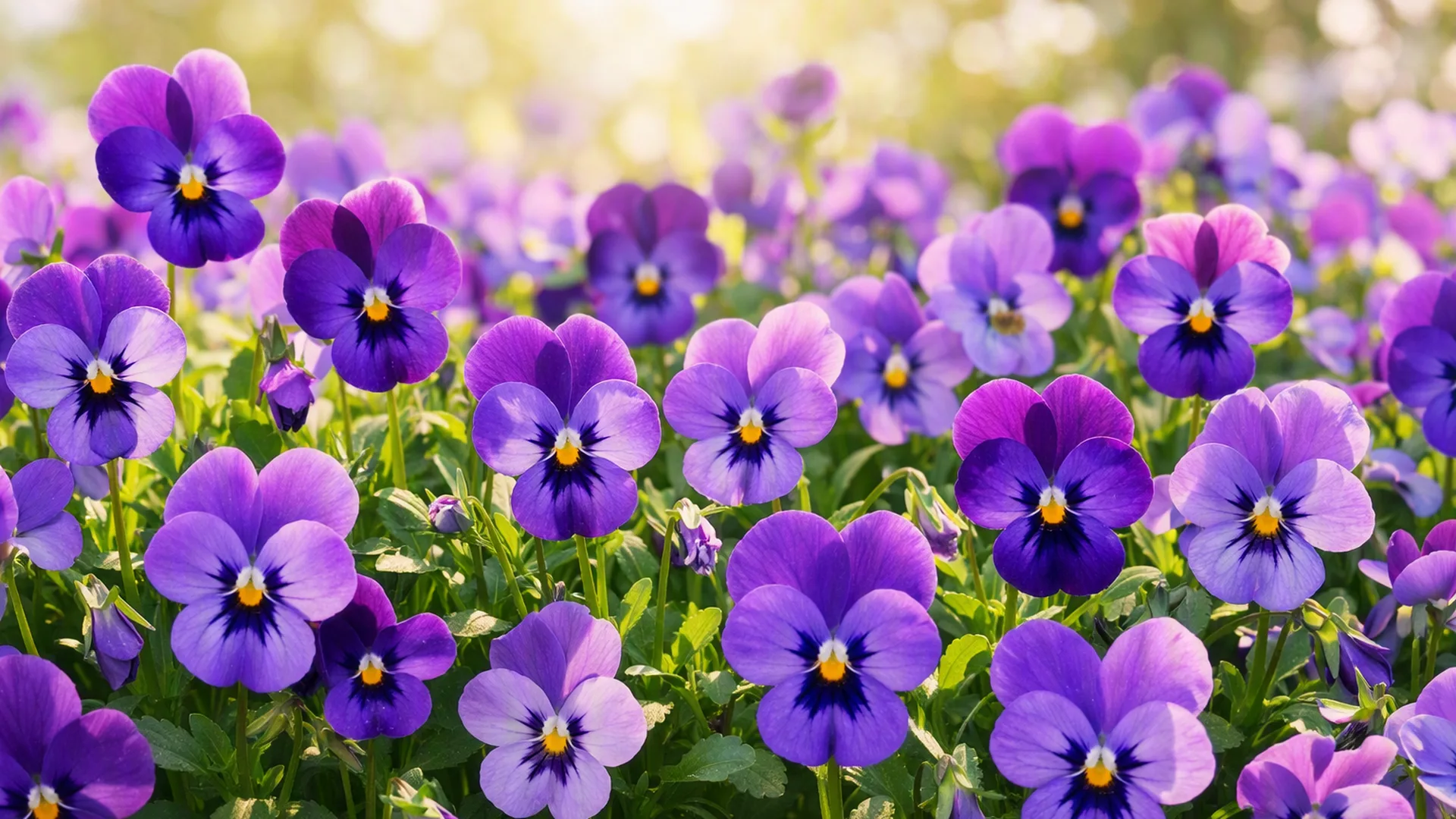
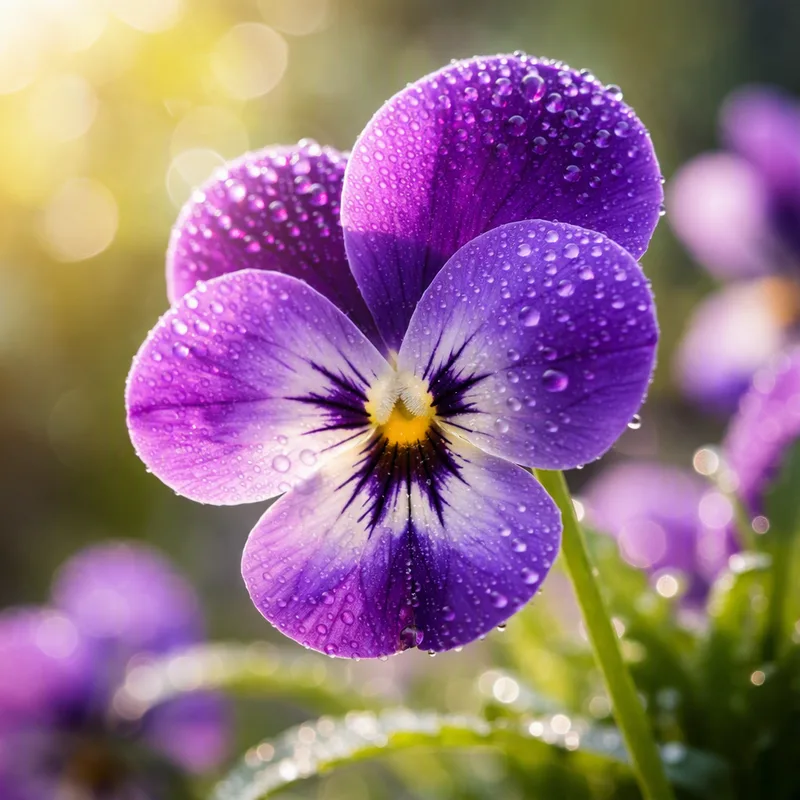
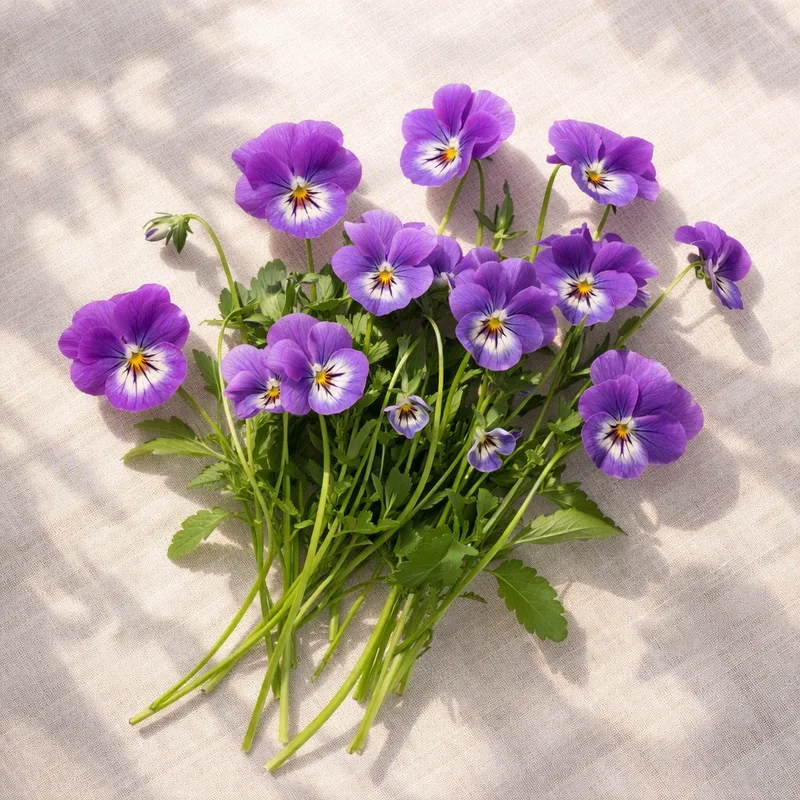
The sweet violet (Viola odorata) is the scented one, a low plant of 10 to 15 cm with deep purple flowers in early spring. The common dog-violet (Viola riviniana) is the one you will most often see in Irish woods, banks and hedgerows. It is common throughout the country but has little or no scent, which is the source of the "dog" in the name.
A scent that vanishes
The fragrance of sweet violet comes from substances called ionones, which temporarily dull the sense of smell. That is why the perfume seems to fade after a few sniffs. Violets were once grown in huge numbers for perfumery, and the old Parma violets are a reminder of that trade.
Wildlife value
Violet leaves are the food plant of several fritillary butterflies, including the small pearl-bordered fritillary, whose caterpillars feed on common dog-violet.
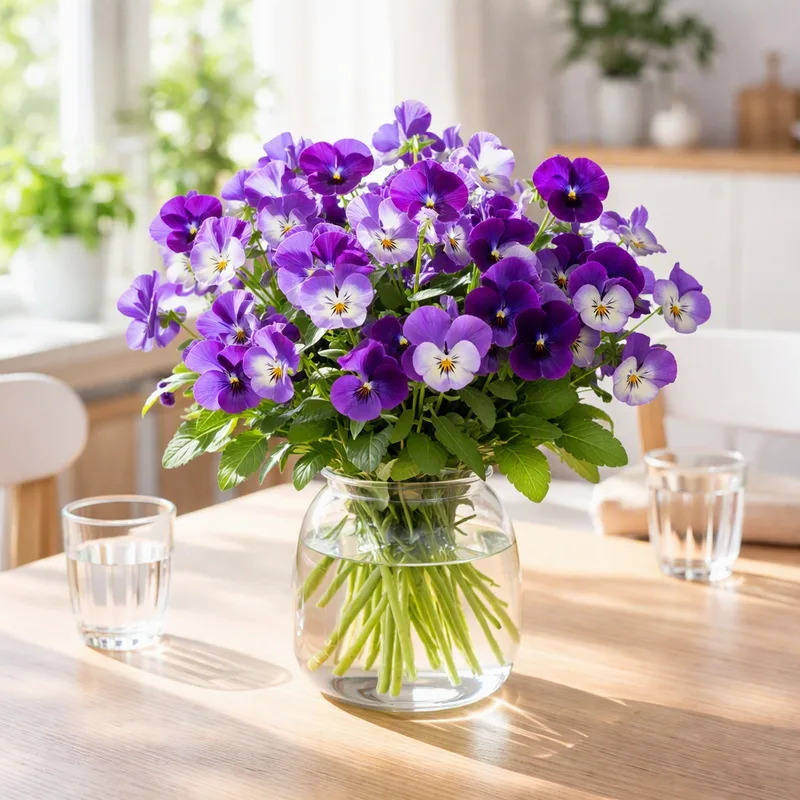
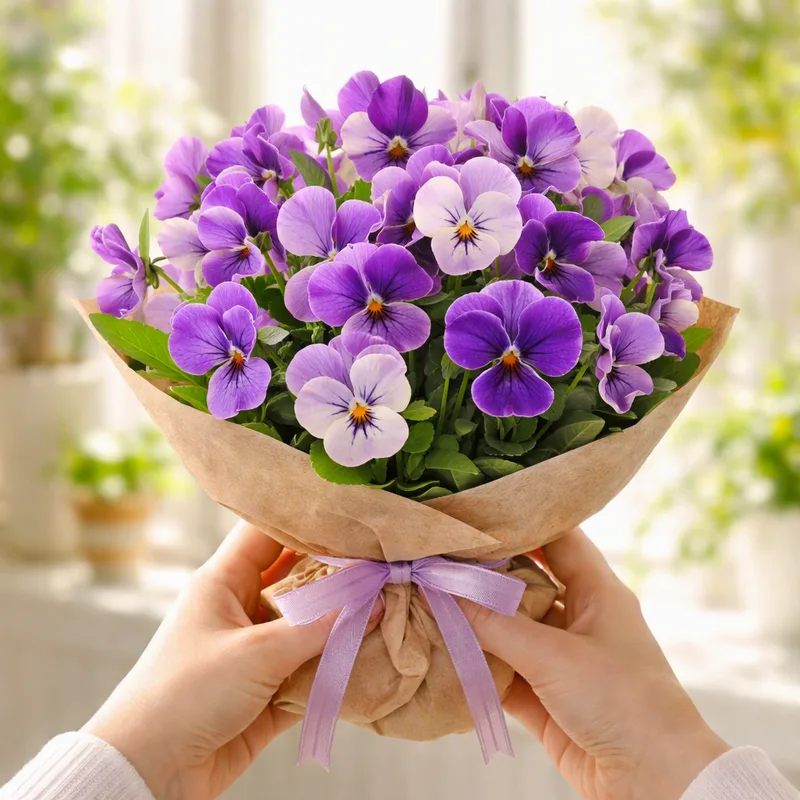
Viola is the genus, so violets, pansies and violas are all relatives. Big, bright seasonal pots are usually pansies (Viola × wittrockiana), bred from wild species in the nineteenth century.
Giving violets a home
- Choose partial shade and humus-rich soil that stays moist.
- Sweet violet spreads by runners and will form a carpet in a few years.
- Cut back leaves in early spring if they look tired.
Pets
There is no ASPCA entry for Viola that we could find. African violets (Saintpaulia) are a different plant and are listed as non-toxic, but that does not apply to wild violets. Keep a dog from digging up and chewing the roots.