
The colour that ignores your soil
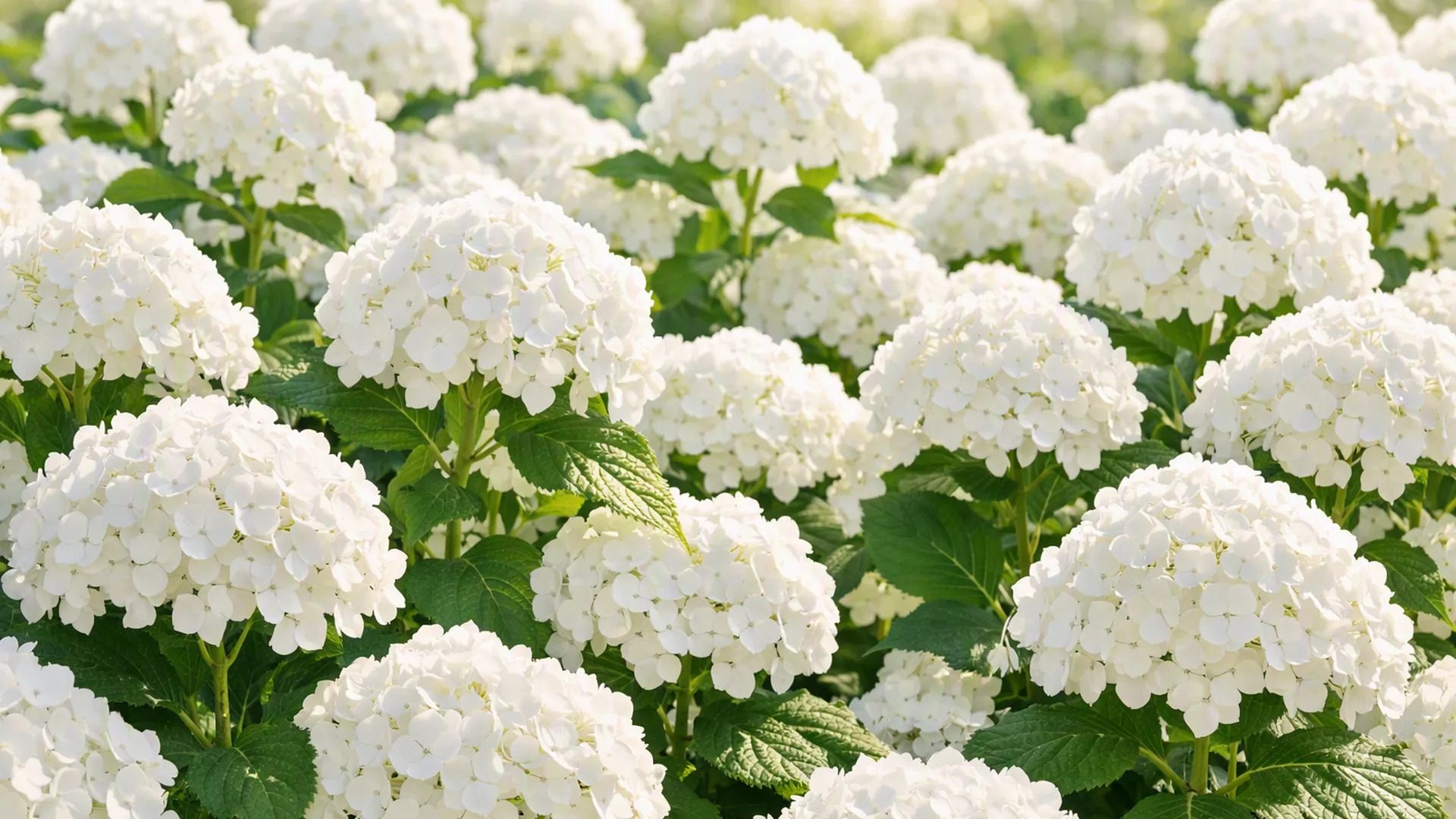
Blue and pink hydrangeas change with the pH of the ground. White varieties do not, because they lack the colour pigment that reacts to aluminium. A white mophead will stay white in the peaty west, in limestone country and in a pot of ordinary compost, which makes it the low-fuss option for anyone who does not want to fiddle with soil.
Choosing a white
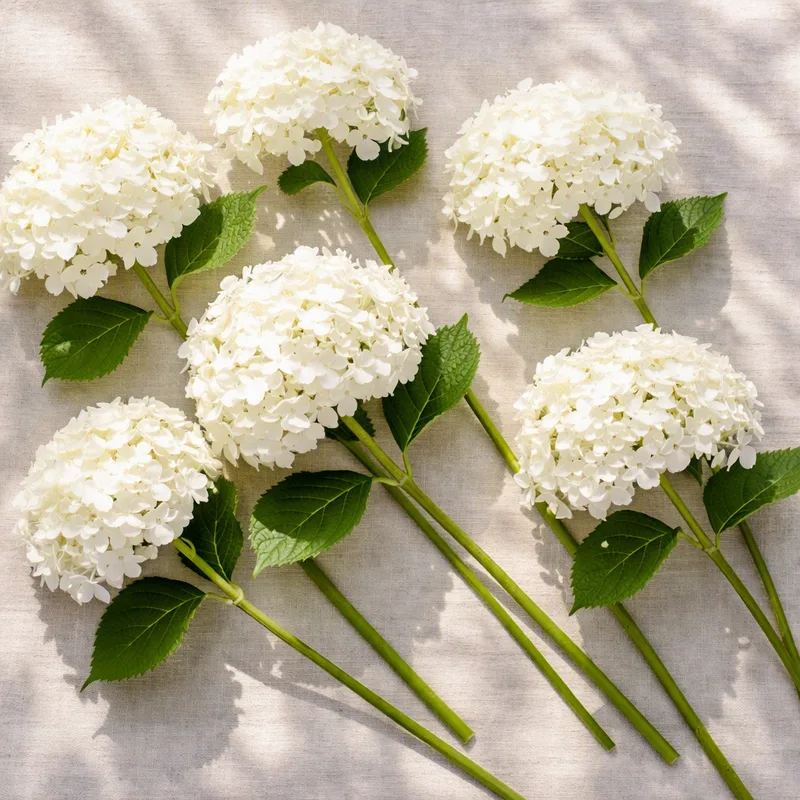
Hydrangea macrophylla whites come as full mopheads or as lacecaps with a white ring around small buds. 'Madame Emile Mouillere' is a long-established white mophead grown for its clean white heads.
Heads often open with a slight green or cream tint, and then age to pink or russet as autumn comes. That change is normal and many people prize the antique tones.
In the vase
Hydrangeas drink heavily and wilt dramatically if stems are not given enough water. A few habits help:
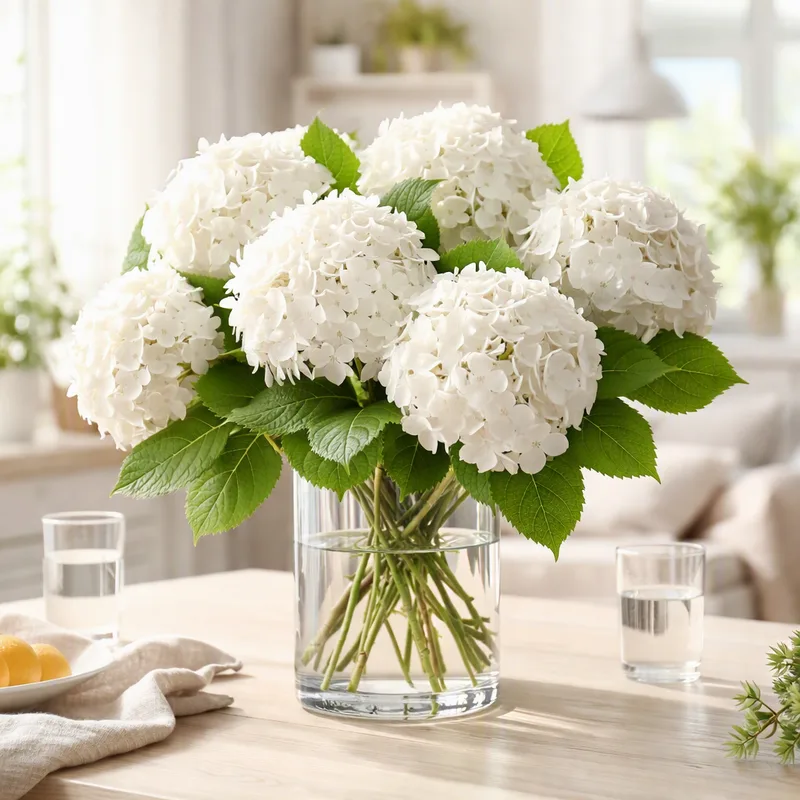
- Recut the stems and stand them in deep, cool water straight away.
- If a head droops, submerging the whole bloom in cool water for a while often revives it.
- Keep white heads away from direct sun and radiators.
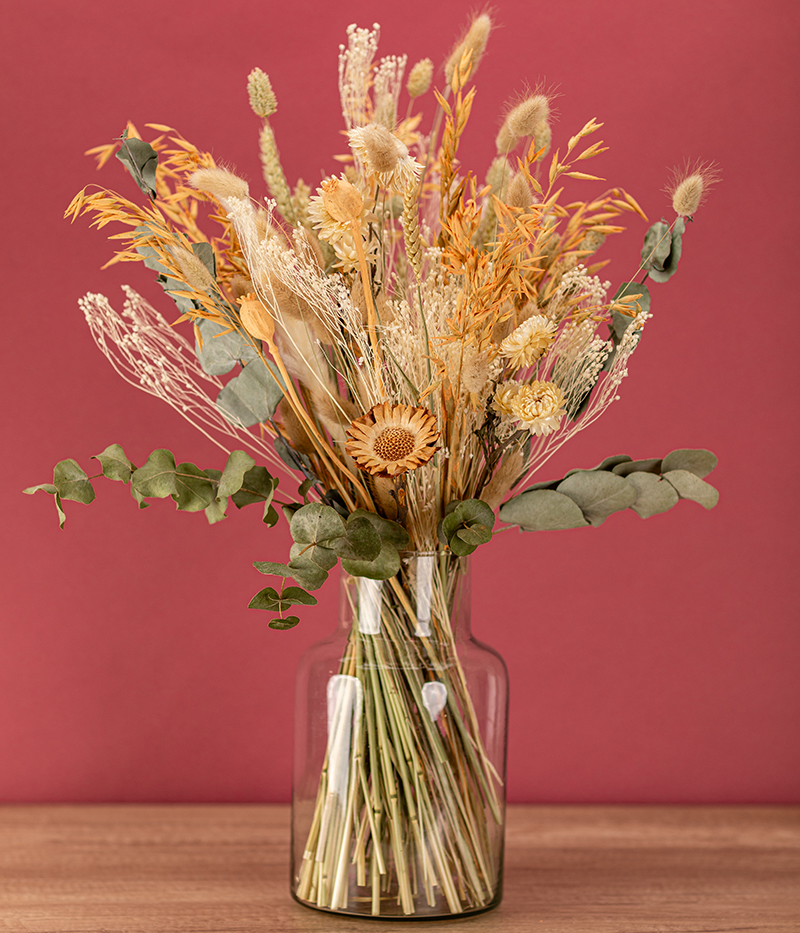
After flowering, a well-faded head dries nicely in an empty vase, no water needed. Pick it before frost has bruised it.
Planting a white in Ireland
Mild, damp summers suit white-flowered macrophyllas, but protect them from salt-laden wind on the coast and from late spring frost inland. Dappled shade gives the cleanest white, because hard sun can mark petals.
Out of reach of nibblers
Hydrangea contains cyanogenic glycosides, which the ASPCA says cause vomiting and diarrhoea in dogs, cats and horses. A high shelf is safest for the vase, and any dried heads kept in the house need the same care.