
Three kinds of peony, one genus
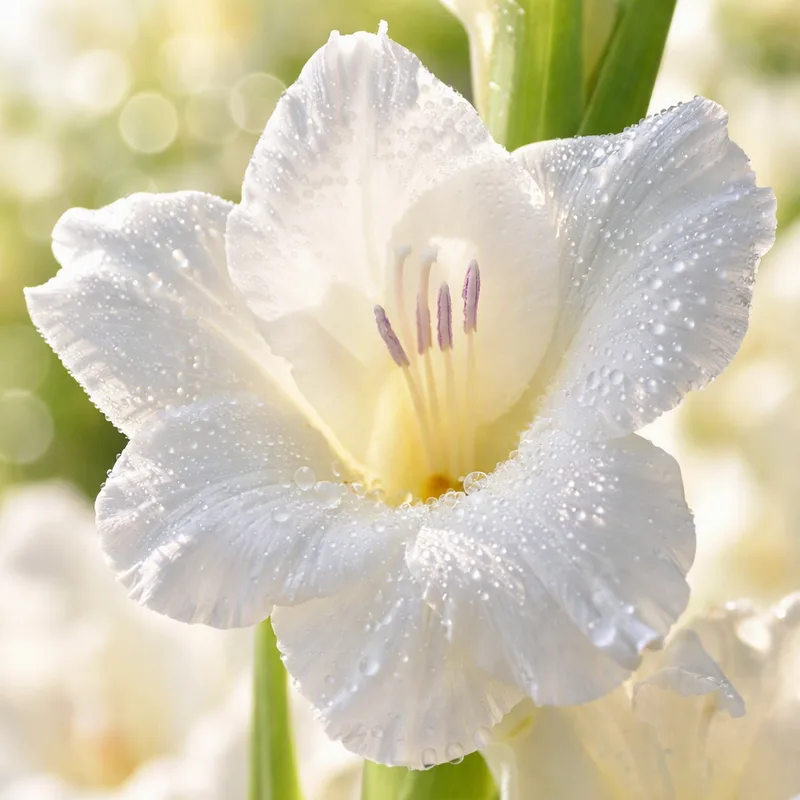
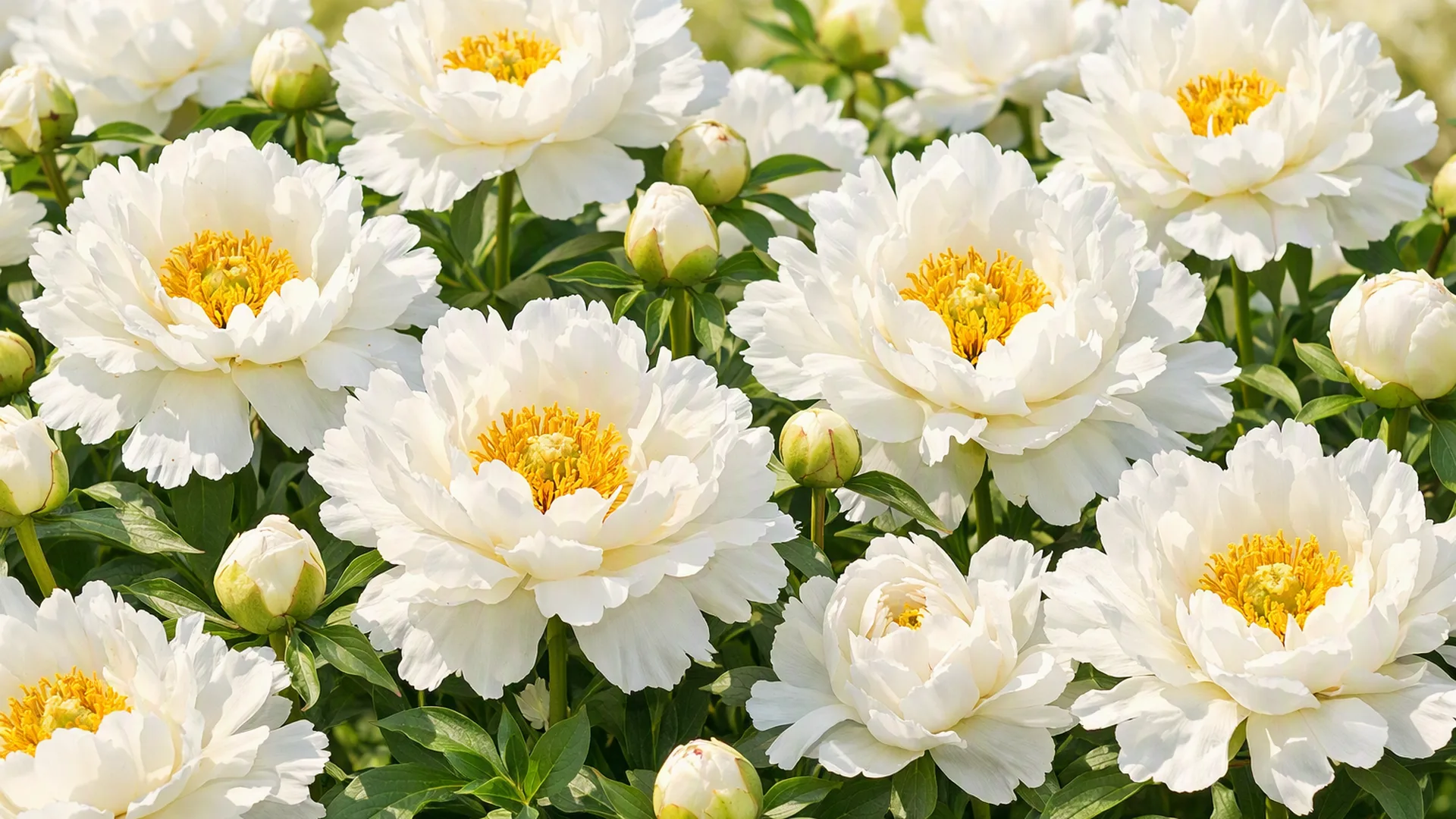
Botanists currently recognise about 33 species of Paeonia, native to Asia, Europe and western North America. In gardens they fall into three practical groups. The herbaceous kind vanishes underground every autumn and returns in spring; it is the peony most gardeners know. Tree peonies form a woody framework that stays through winter. Itoh hybrids, a Japanese cross first made in 1948 by Toichi Itoh, pair the tree peony's big flowers with the habit of a plant that dies down in winter.
Colours include white, a long run of pinks, deep red, purple and yellow, but nobody has bred a blue one.
What an Irish garden gives them
Peonies like sun, deep soil and a cool winter, which most of Ireland supplies. What they dislike is soil that sits wet, so heavy clay or low-lying ground needs grit or compost worked in. Herbaceous types usually open from late May into June. A wet, muggy spell can encourage grey mould on buds and leaves, so give plants room for air to move and clear fallen foliage in autumn.
- Plant in autumn or early spring, with the pink buds only a few centimetres below the surface. Set too deep, a peony may leaf happily and never flower.
- Leave the clump alone once settled. Peonies resent being moved and can then sulk for a year or two.
- Tall double flowers get heavy in rain, so a hoop or a few canes is worth adding early.
Buying cut peonies
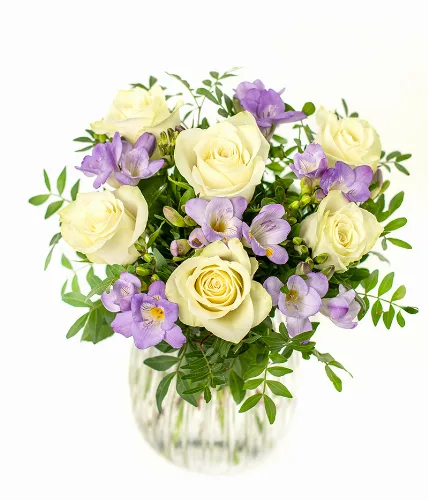
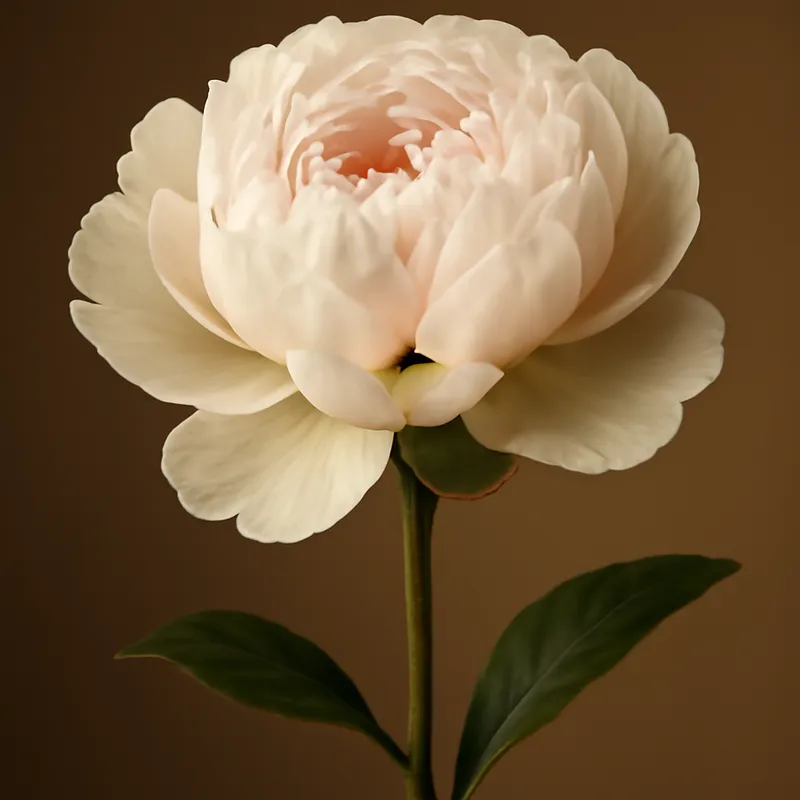
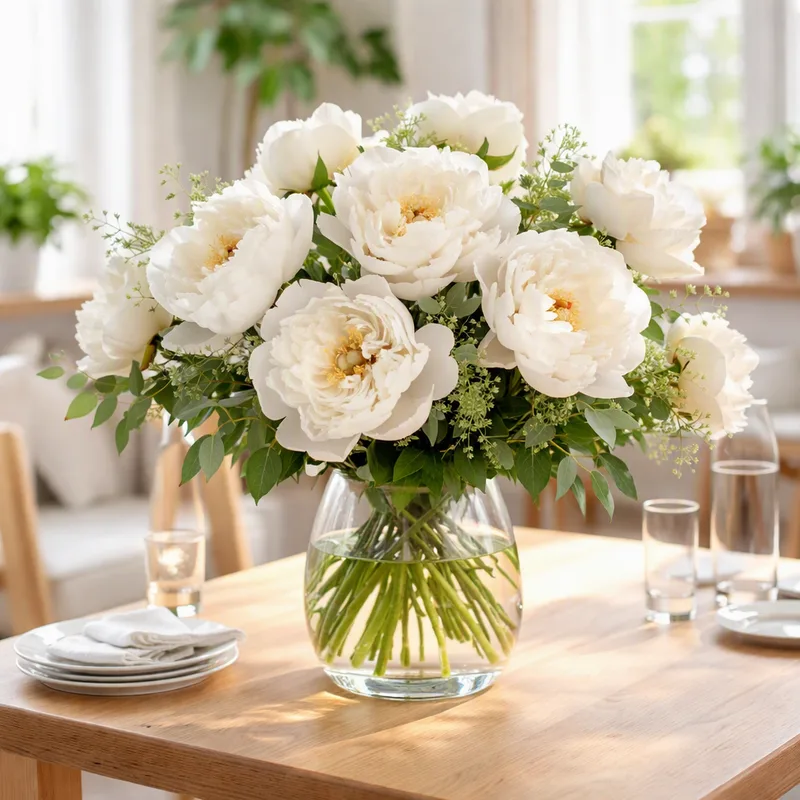
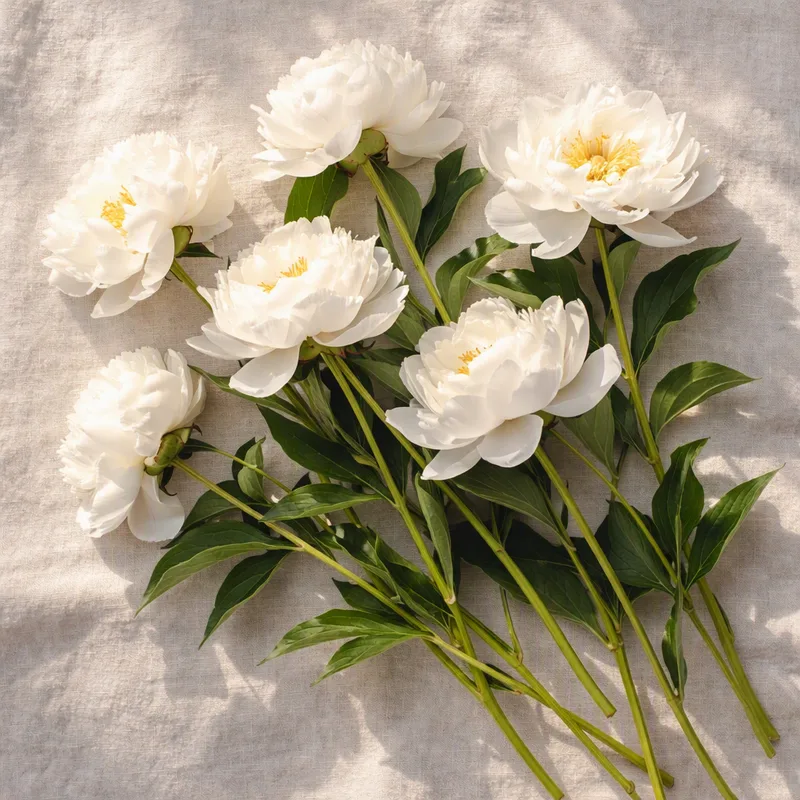
For the vase, choose buds that feel like a soft marshmallow and show a little colour. They open within a few days in cool, clean water. The ants crawling on tight buds do no harm and are after the sweet coating.
Paeonol and the family dog
Paeonol is the compound that makes peony a problem for animals. The ASPCA names dogs, cats and horses among the species at risk, and lists vomiting, diarrhoea and low spirits as signs. Put the vase on a high shelf, sweep up dropped petals and ring your vet if a pet has chewed a stem.