

An honest note on white
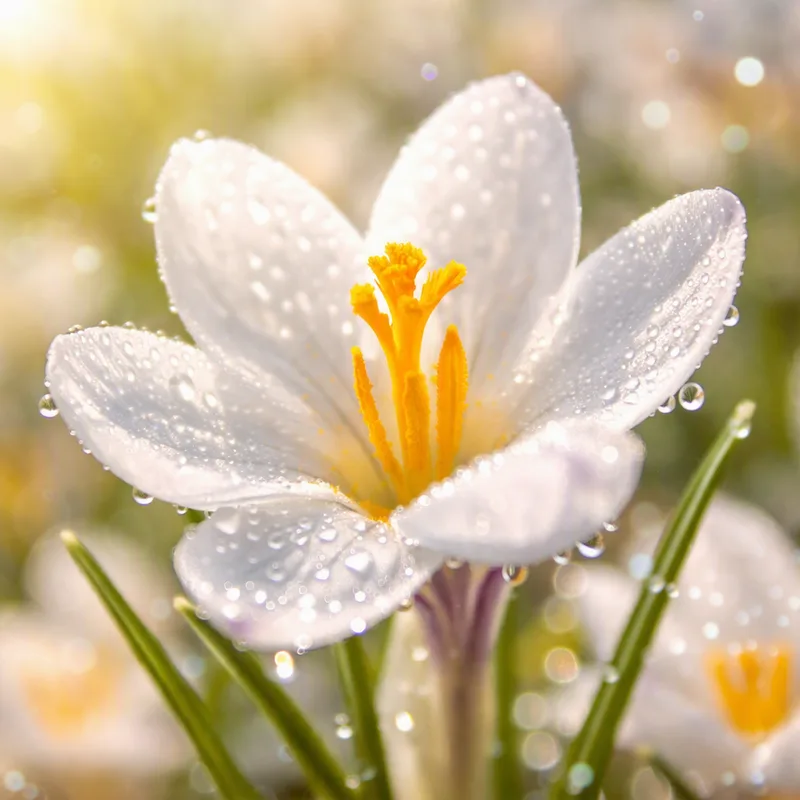
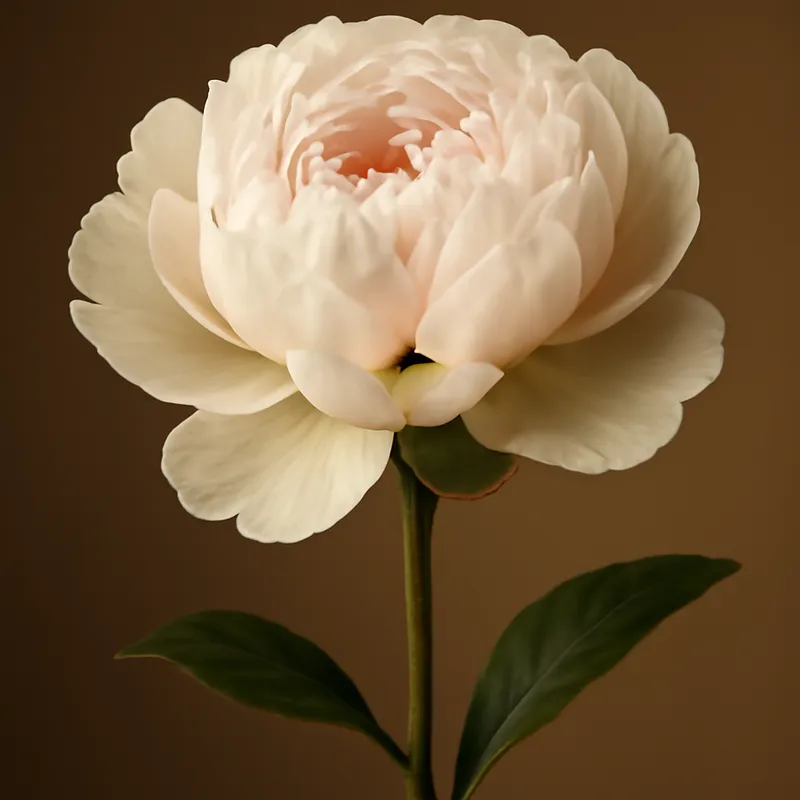
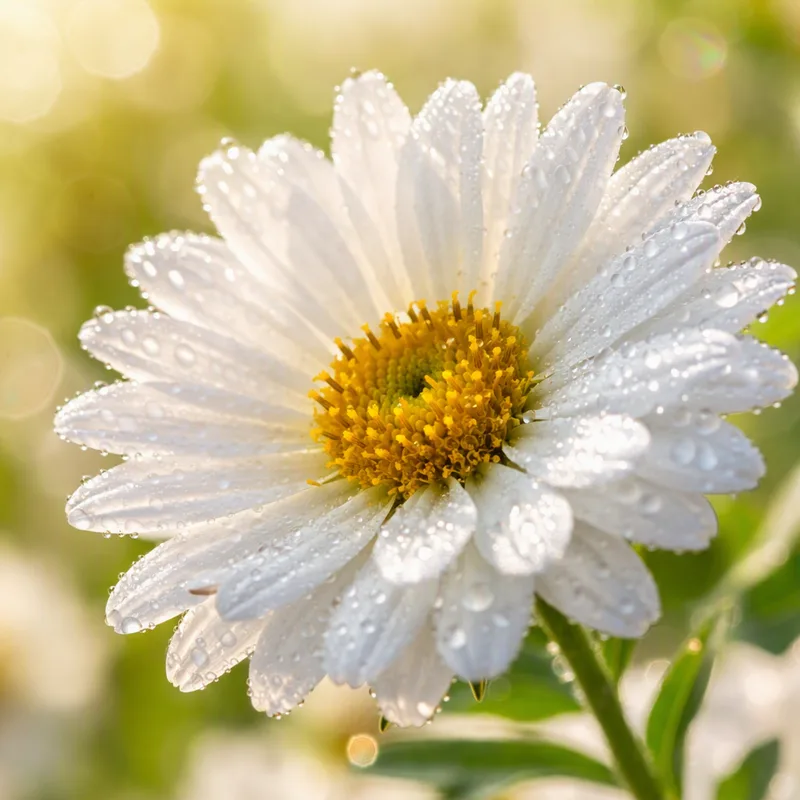
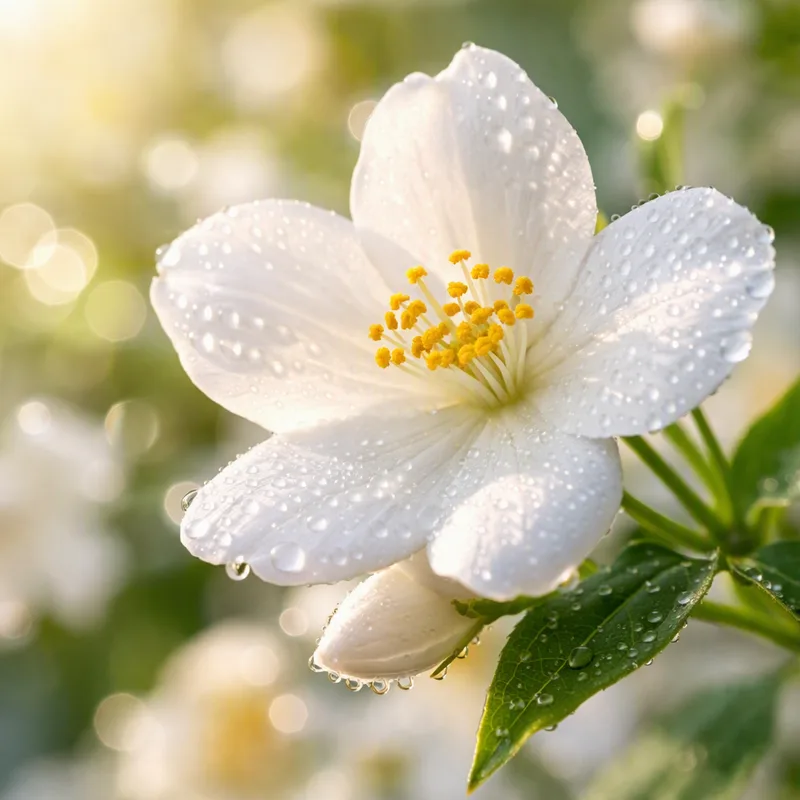
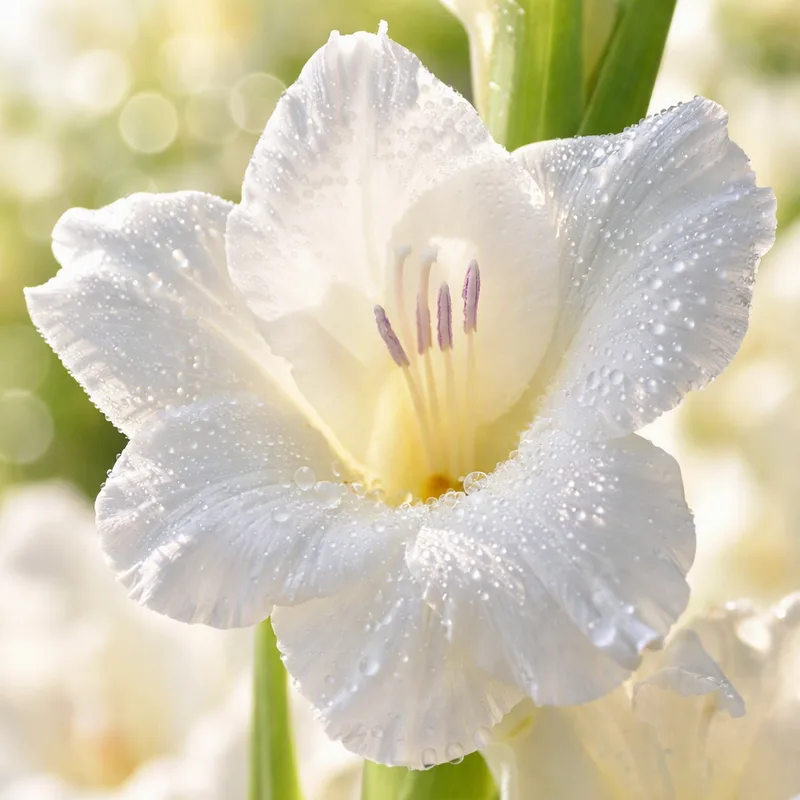
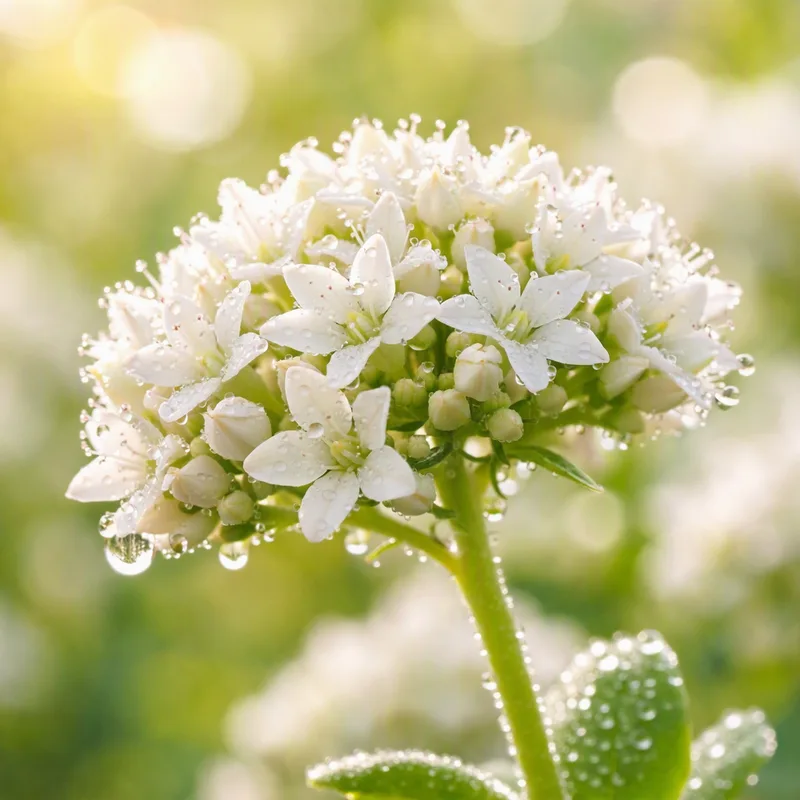
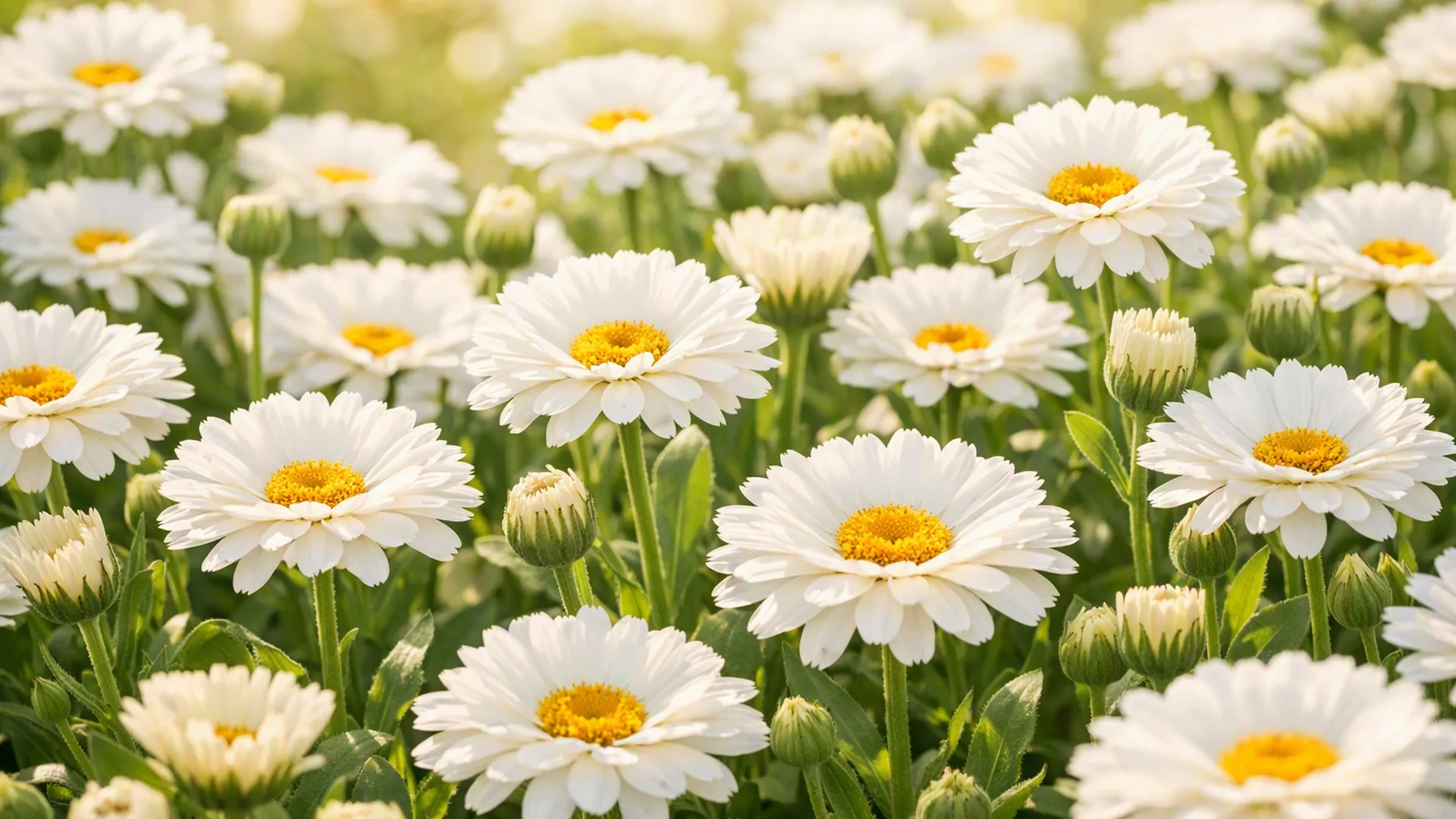
The species Calendula officinalis flowers in yellow and orange, with carotenoid pigments giving the glow. Breeders have pushed that range towards pale cream and lemon, but pure white is not on offer in the standard plant. If a bunch or seed packet is labelled white, expect ivory or buttery tones, often with a darker eye. 'Lemon' is a named pale yellow cultivar, and that is the nearest you will get.
Why pale calendula is worth growing
Pale petals look soft against green foliage and sit nicely beside silver plants such as lamb's ears or lavender cotton. In a mixed border they cool down the hotter oranges around them. Because calendula is an annual treated as short-lived, you can try different shades each year without a big commitment.
Care in a mild, wet climate
- Sow in spring in a sunny place; seedlings pop up in under two months from seed.
- Plant in free-draining soil and avoid heavy feeding, which means leaf over flower.
- Deadhead frequently to prolong colour from summer into October.
- Watch for greenfly during warm spells and slugs in wet ones.
Pale cultivars can show rain damage as brown spotting, so a sheltered position helps.
In the vase
Cut stems when the flower is fully open. Expect five to eight days. A few stems look charming in a small jug on a kitchen windowsill.
Pets and skin
According to the ASPCA, pot marigold is non-toxic to dogs and cats. Gloves are sensible if you react to daisy-family plants.