Flower language: the meaning behind the bouquet
Long before text messages, people sent flowers to say things they could not say out loud. Most of those coded meanings have faded, but a few have stuck so firmly that they shape what we choose today, from Valentine’s roses to white lilies at a funeral.
Where the idea came from
The fashion for giving every flower a meaning took off in the early nineteenth century. Lady Mary Wortley Montagu had written home from Constantinople in the early 1700s about the Turkish custom of sending messages through objects, and French writers later turned the idea into dictionaries of flowers. In Victorian Britain and Ireland these little books were hugely popular, though they often contradicted each other. That is why you can find the same flower meaning love in one book and indifference in another.
Choose flowers that say what you mean.
See bouquetsMeanings that still matter
Roses
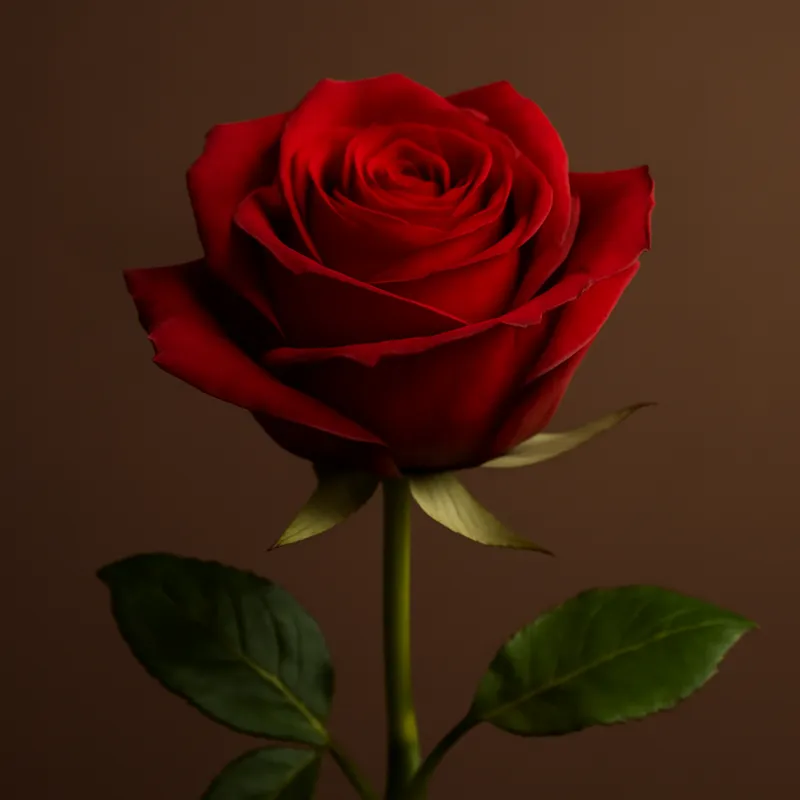
Red for romance, pink for thanks and affection, white for respect and new beginnings, yellow for friendship. Our rose guide goes into more detail.
Tulips
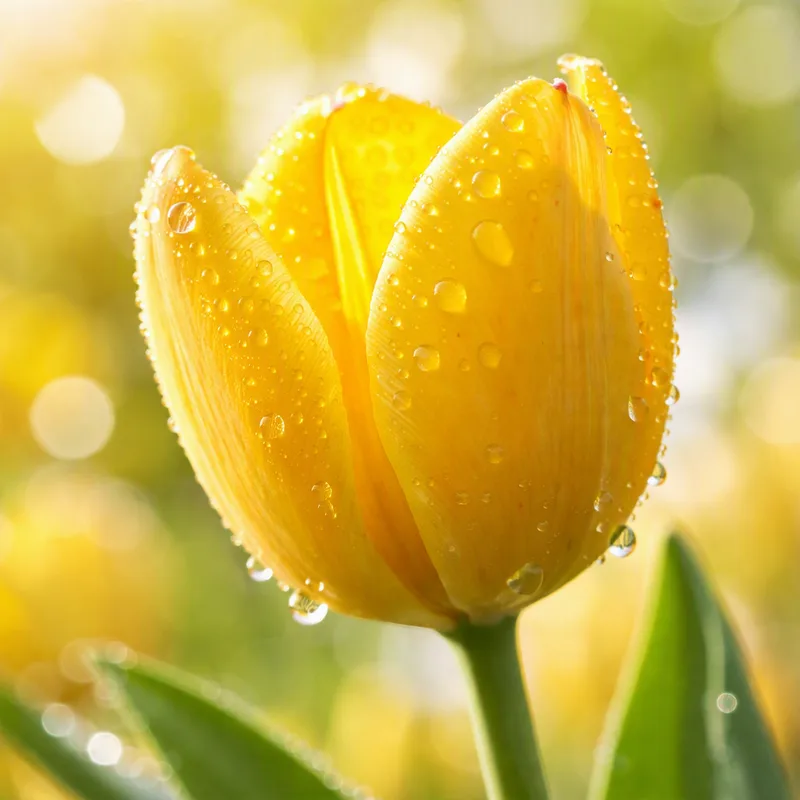
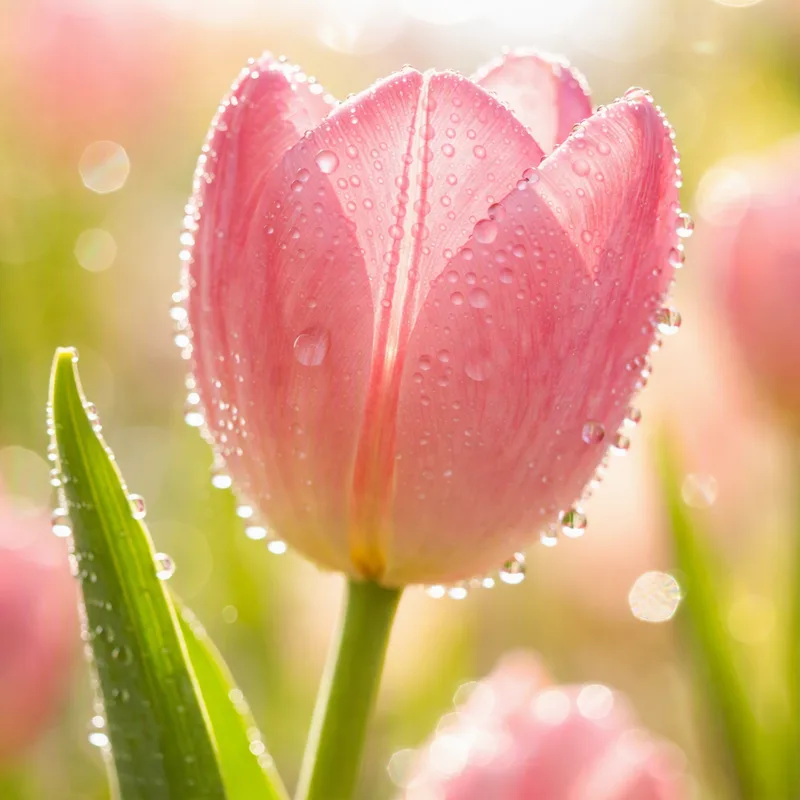
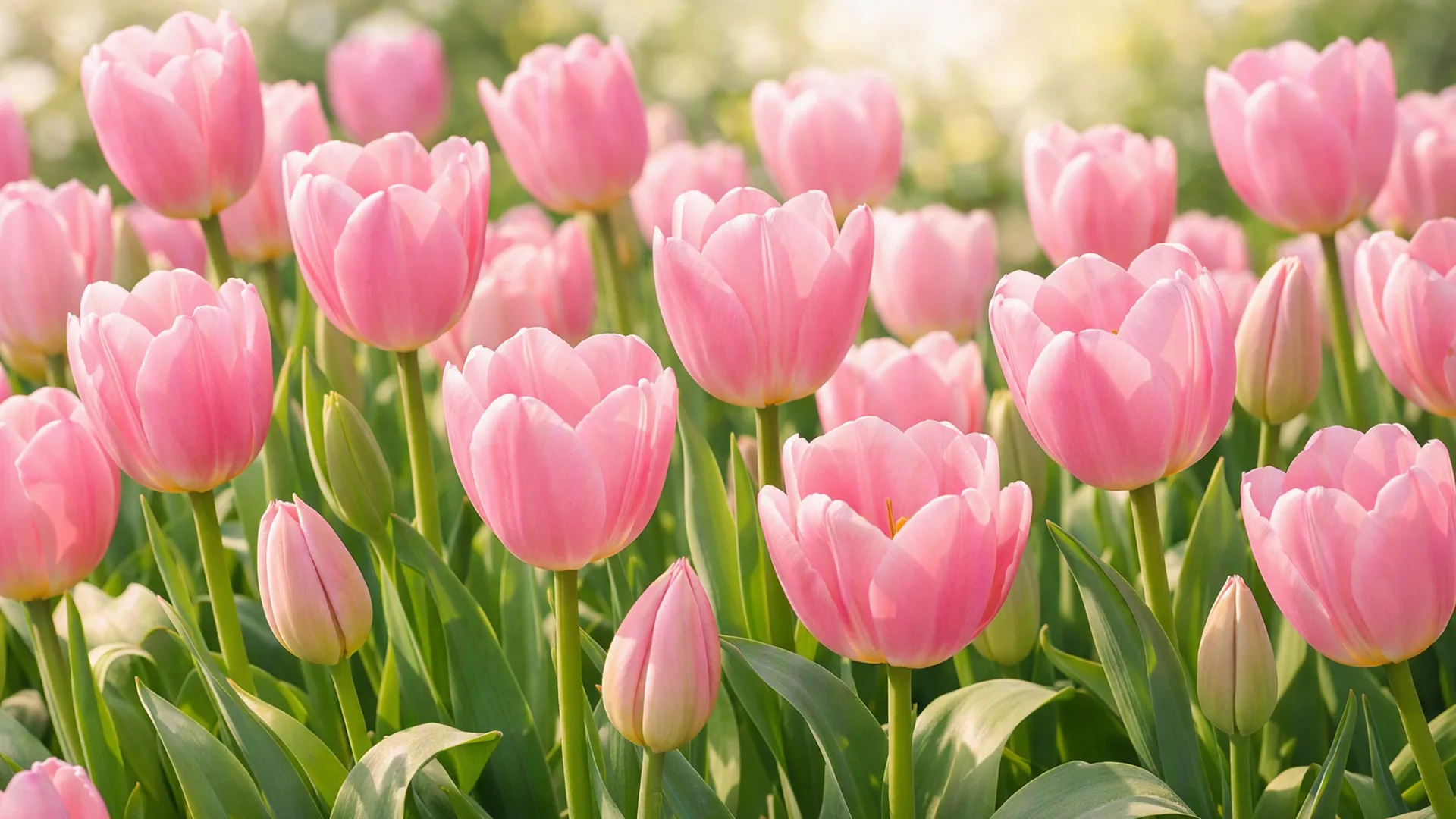
Less formal than roses. Red tulips are a light-hearted way to say you care, white ones suit an apology or a fresh start. See the tulip guide.
Lilies
White lilies stand for purity and peace, which is why they appear at weddings, Easter and funerals. Note that lilies are dangerous for cats.
Daffodils
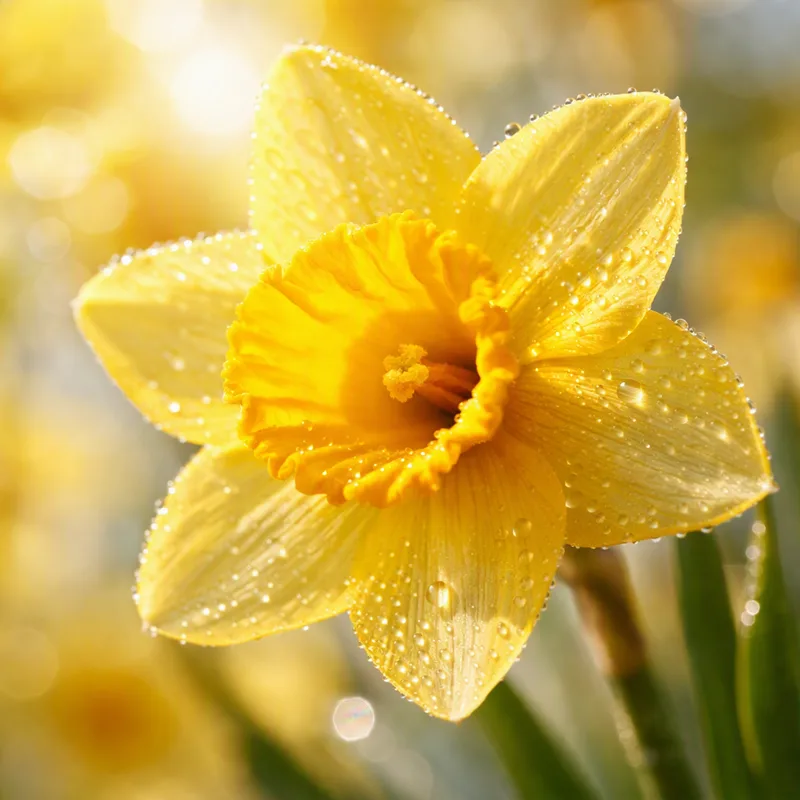
New beginnings, and in Ireland a symbol of hope for people living with cancer, thanks to Daffodil Day.
Carnations
Pink for a mother’s love, red for admiration, white for remembrance. Old books gave yellow and striped carnations gloomy meanings that hardly anyone knows now.
Forget-me-nots and rosemary
Both mean remembrance. A sprig of rosemary is a traditional addition to a wedding bouquet or a wreath.
Orchids
Refinement and admiration; a potted orchid is a safe, long-lasting gift for a boss, a host or someone who has everything.
Colours at a glance
- Red: love and passion.
- Pink: gratitude, affection, gentleness.
- White: respect, purity, sympathy.
- Yellow: friendship and cheer.
- Orange: energy and congratulations.
- Purple and blue: admiration and calm. Few flowers are truly blue, so very bright blue blooms are often dyed.
- Green: freshness and new growth.
Send a bouquet in the right colours, anywhere in Ireland.
Choose flowersIrish flower lore
Ireland has its own beliefs about flowers, many tied to the old festivals of the year:
- Hawthorn. The lone hawthorn in a field is a fairy tree, and many people still will not cut one. Bringing May blossom into the house was thought to bring bad luck.
- May Eve primroses. On the eve of Bealtaine, primroses and other yellow flowers were laid on doorsteps and windowsills to protect the house.
- The shamrock. Not a flower at all, but the plant St Patrick is said to have used to explain the Trinity, and the one worn on 17 March.
- St Brigid’s Day. On 1 February crosses are woven from rushes and hung in houses, a reminder that spring flowers are on the way.
Using meanings sensibly
Treat flower language as a set of hints rather than rules. A bunch of yellow roses will not offend anyone today, and a person’s favourite flower always beats the dictionary. Where meanings do matter is at the big moments: romance, sympathy and religious occasions. When in doubt, choose soft colours and add a card that says exactly what you mean.
Practical questions? Read our guide to sending flowers or our frequently asked questions, or go straight to send flowers.