The original trumpet daffodil
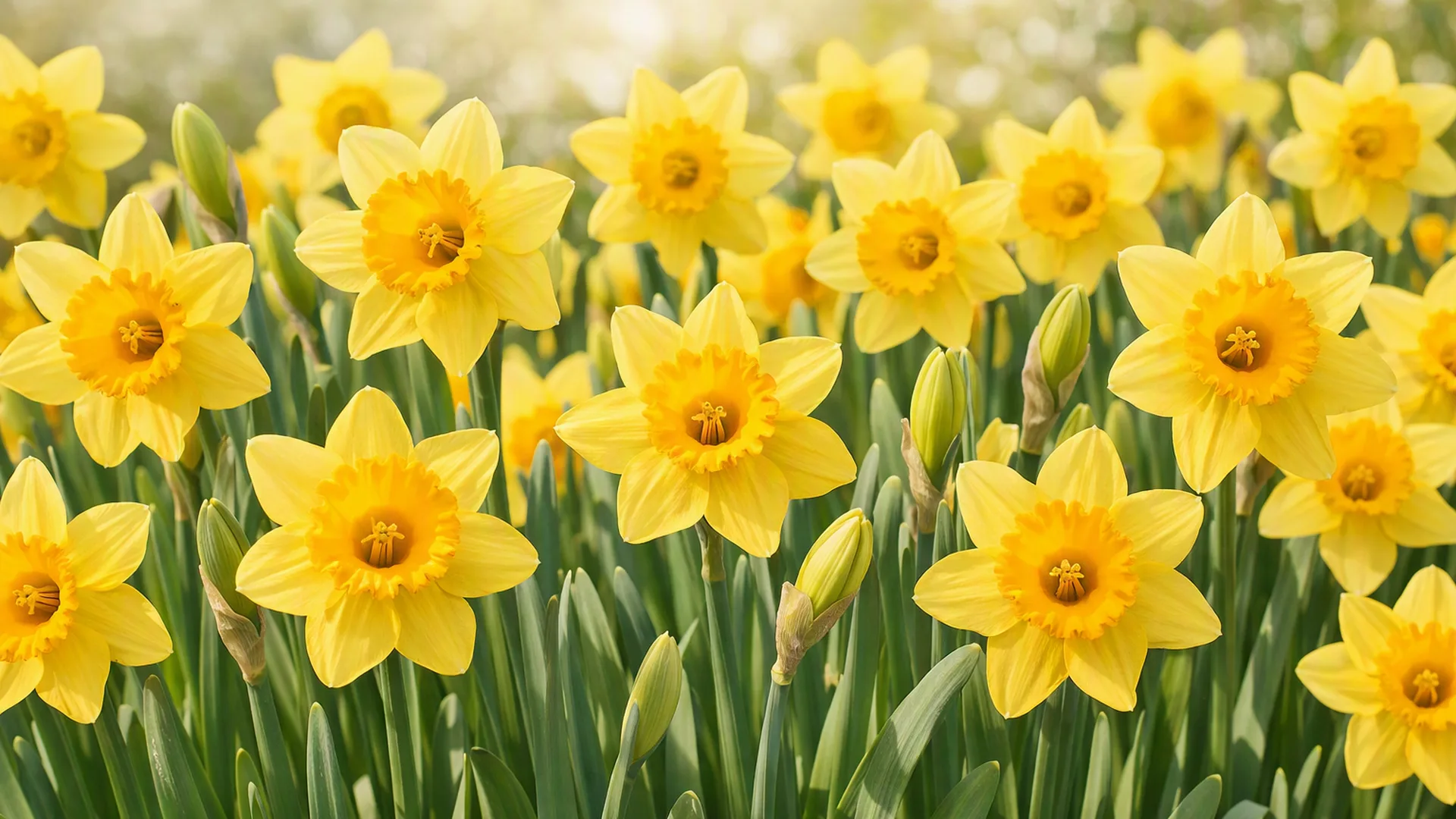
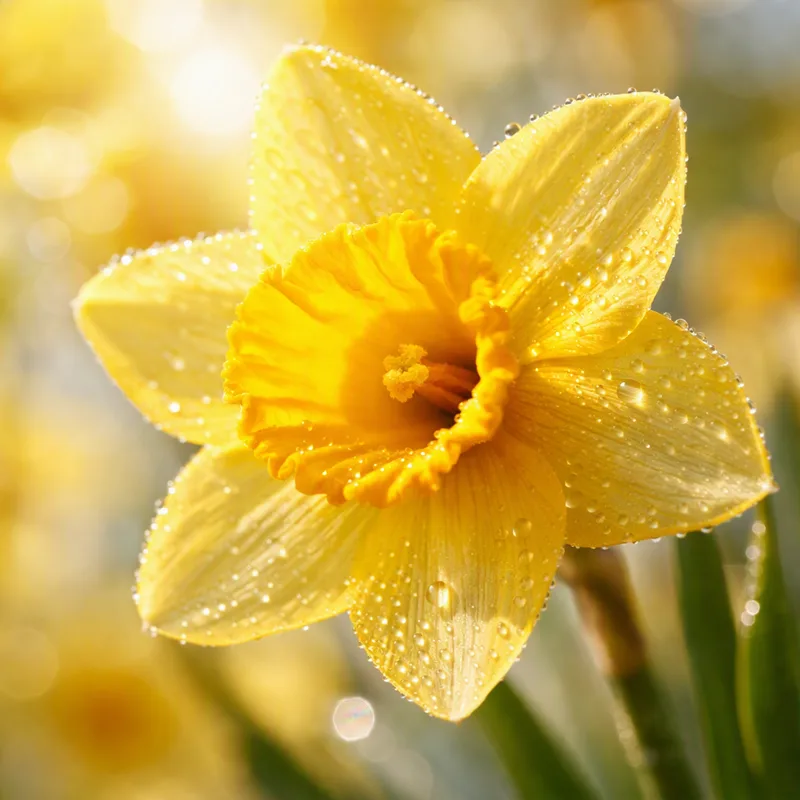
Narcissus pseudonarcissus, the wild daffodil or Lent lily, is the species that gave rise to many of the trumpet daffodils in gardens. Flowers nod on a single stem, with pale yellow petals and a deeper yellow trumpet. It flowers in March and April, which explains the Lent lily name. The plant is much smaller and more delicate than most garden varieties, around 25 to 40 centimetres.
Wild or garden escape?
Old clumps of daffodils in hedgerows, by ruins or in old orchards may be garden escapes rather than truly wild plants, so it is hard to say by sight alone. Please leave them where they are and never dig up plants from the roadside or woodland. For your own garden, buy bulbs from a nursery and choose the species or a small, natural-looking variety.
In the garden and the vase
- Plant bulbs in autumn, in grass or borders, about three times their own height deep.
- Leave the foliage after flowering until it dies back on its own.
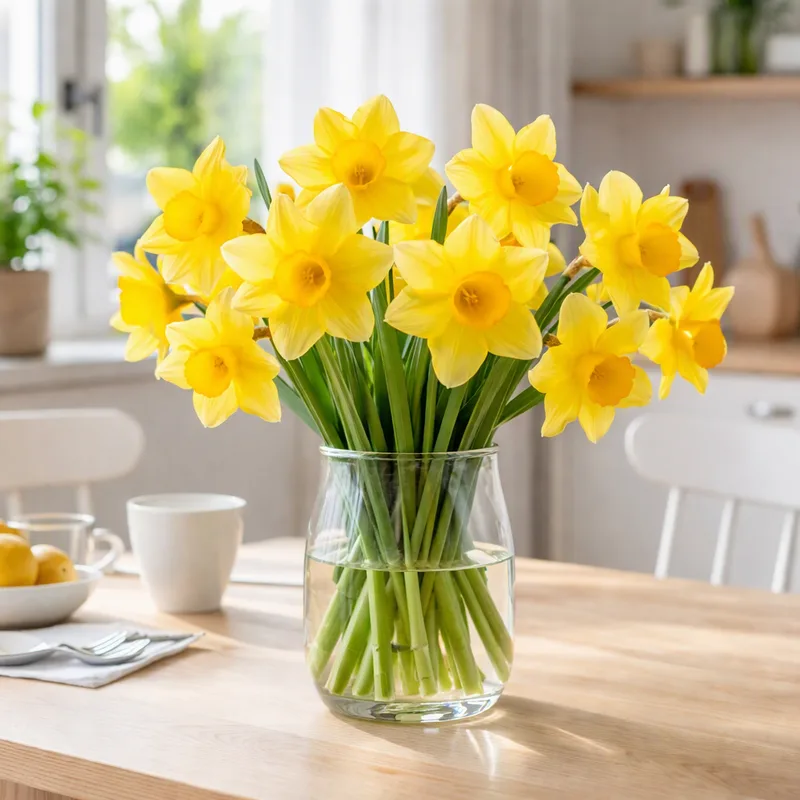
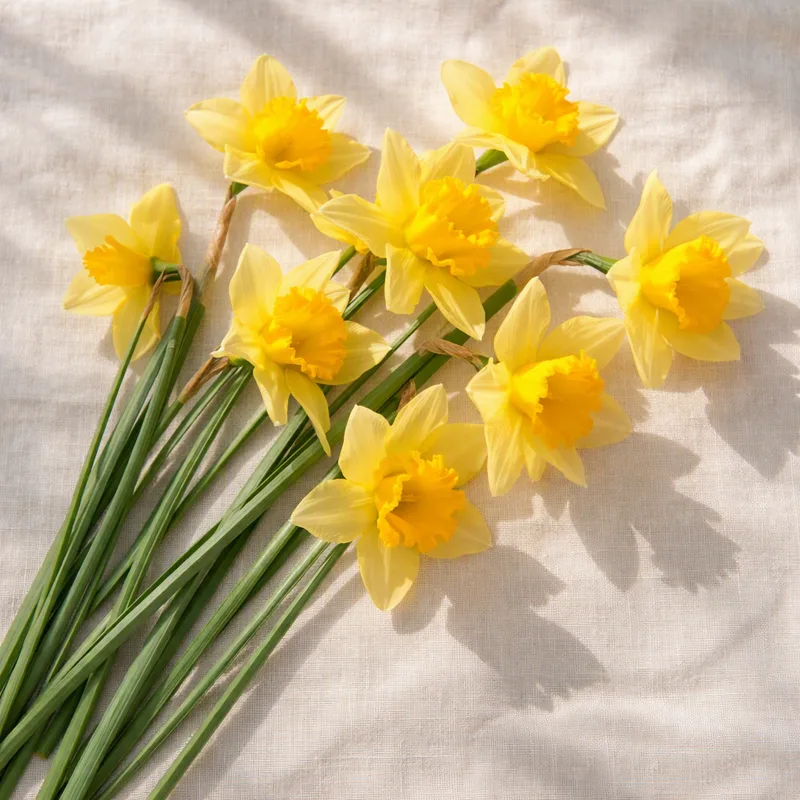
- Cut stems in bud and keep them alone in water for some hours, because the sap harms other flowers.
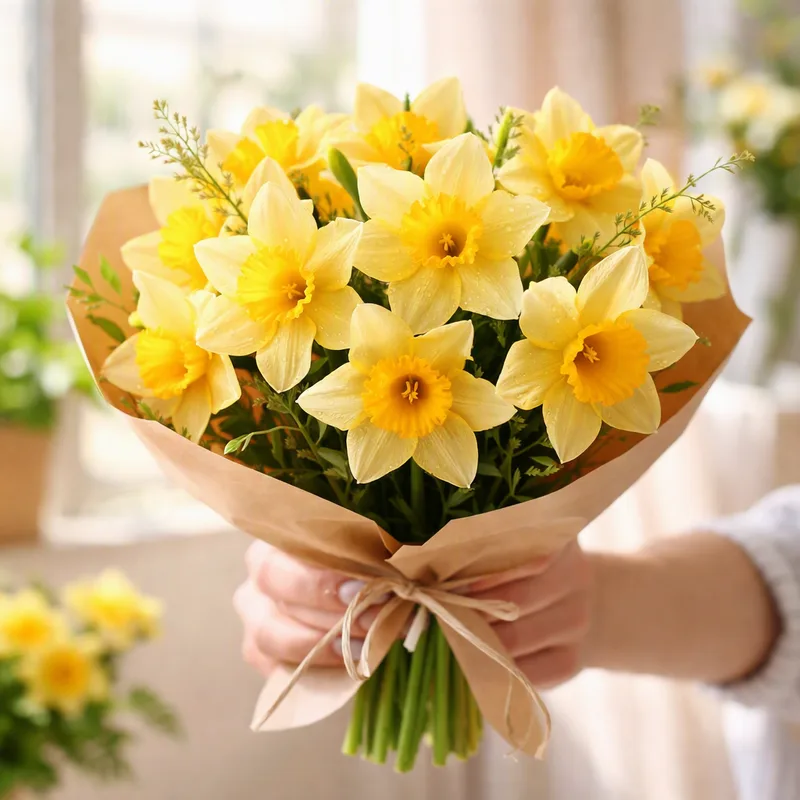
- Do not re-cut after conditioning if you mix them into a bouquet.
- In a cool room, cut stems last 5 to 7 days.
Mild, damp Irish springs are good for naturalising wild-type daffodils in rough grass, as long as the soil does not stay waterlogged.
Poisonous
Every part of the plant contains alkaloids, and the bulb is the most concentrated. In people the signs include vomiting and diarrhoea. The ASPCA lists daffodils as toxic to dogs, cats and horses, so ring a vet if an animal has eaten one.