

Colour range and varieties
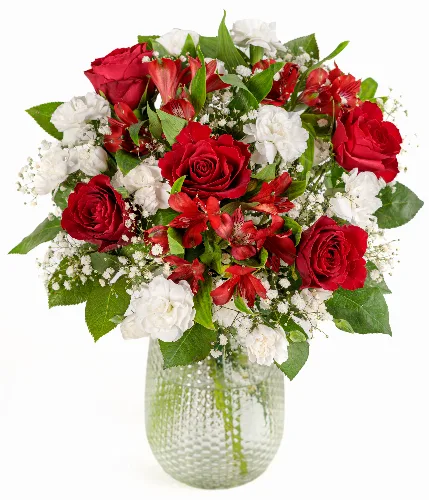
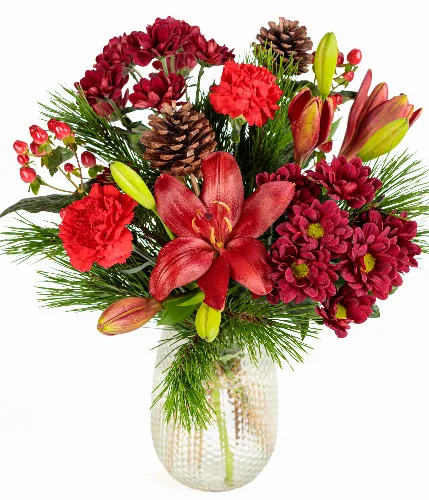
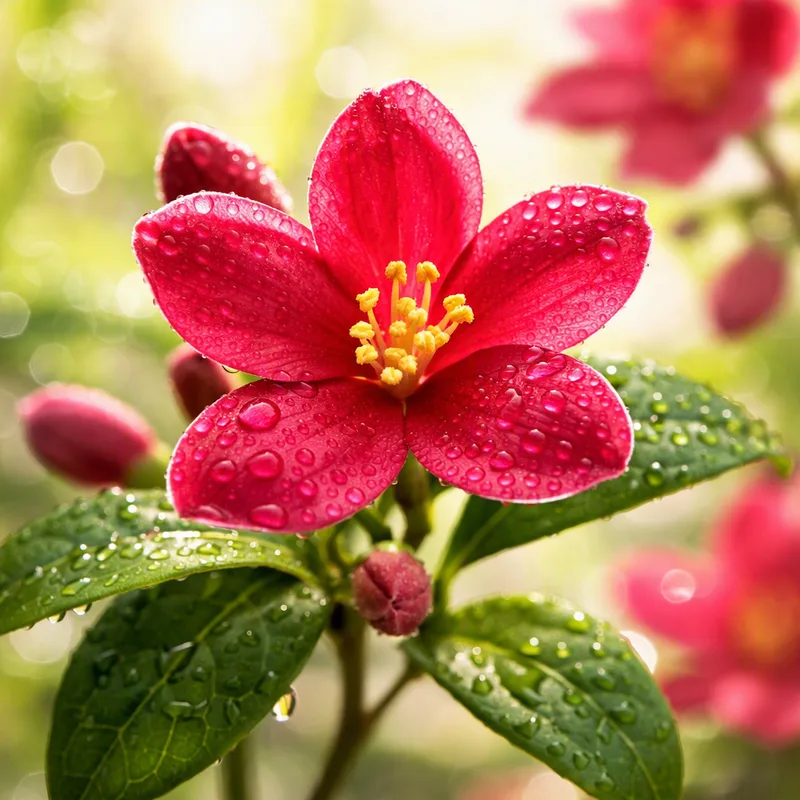
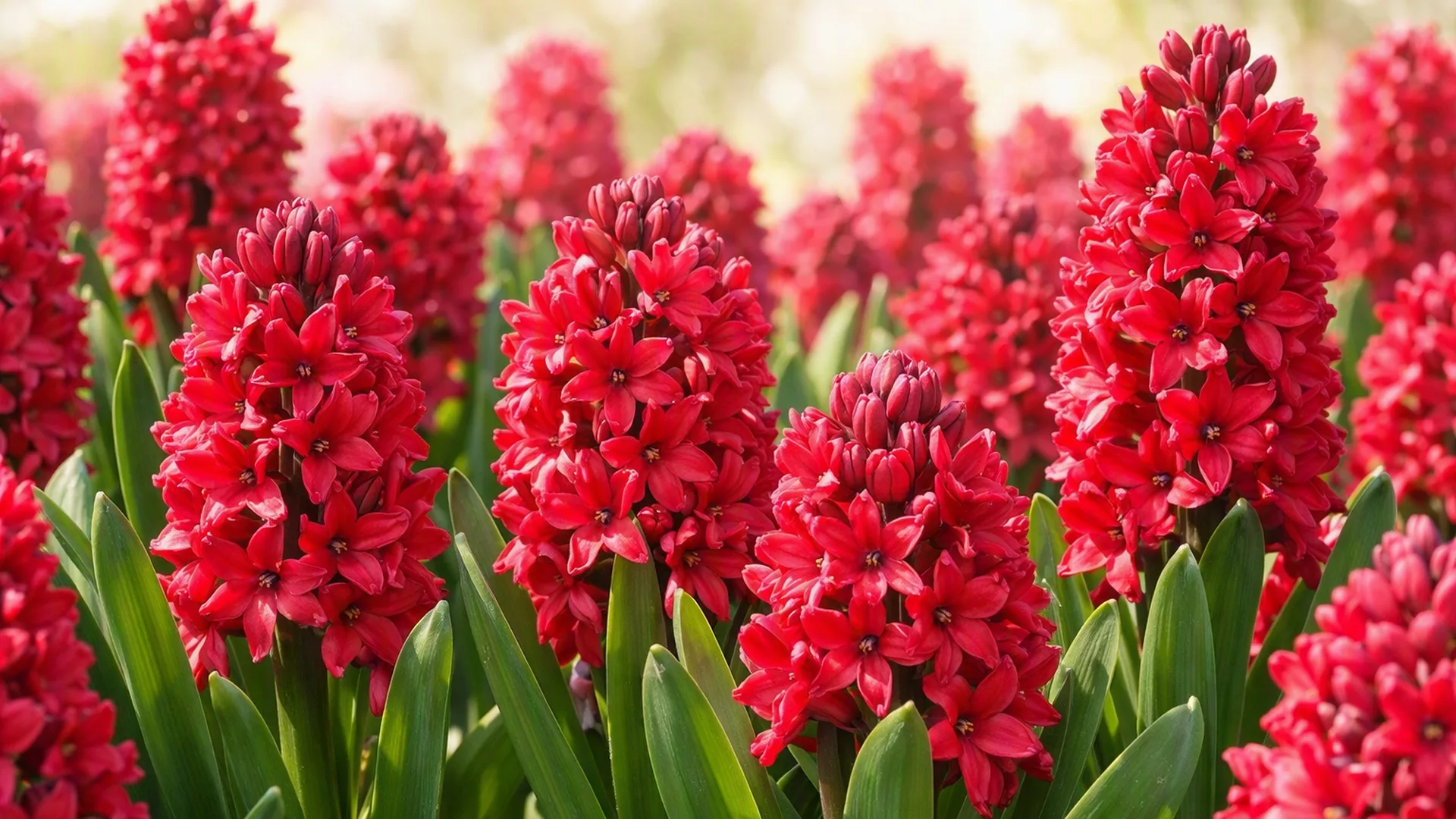
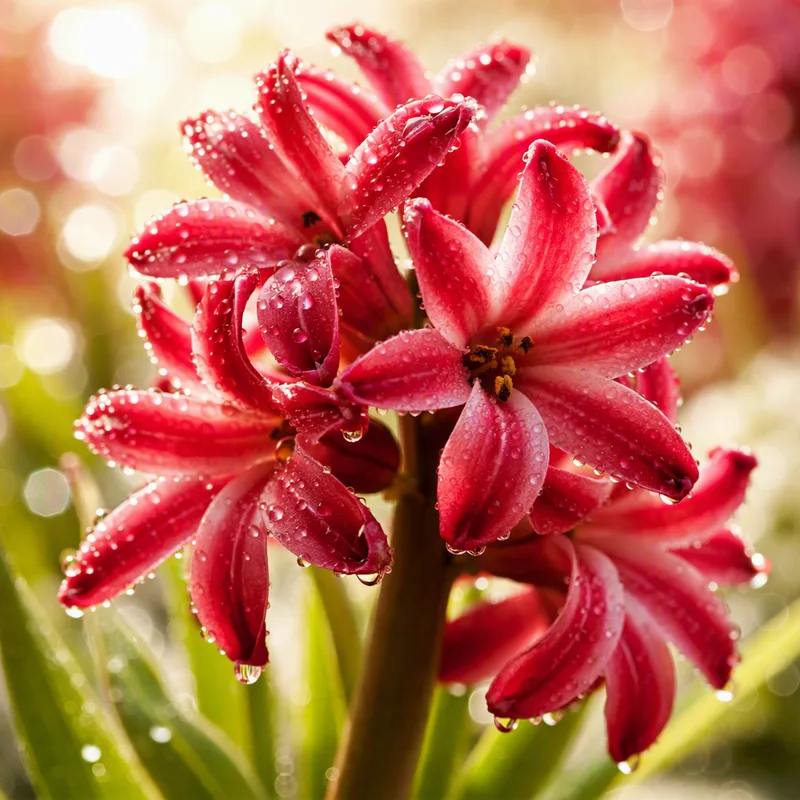
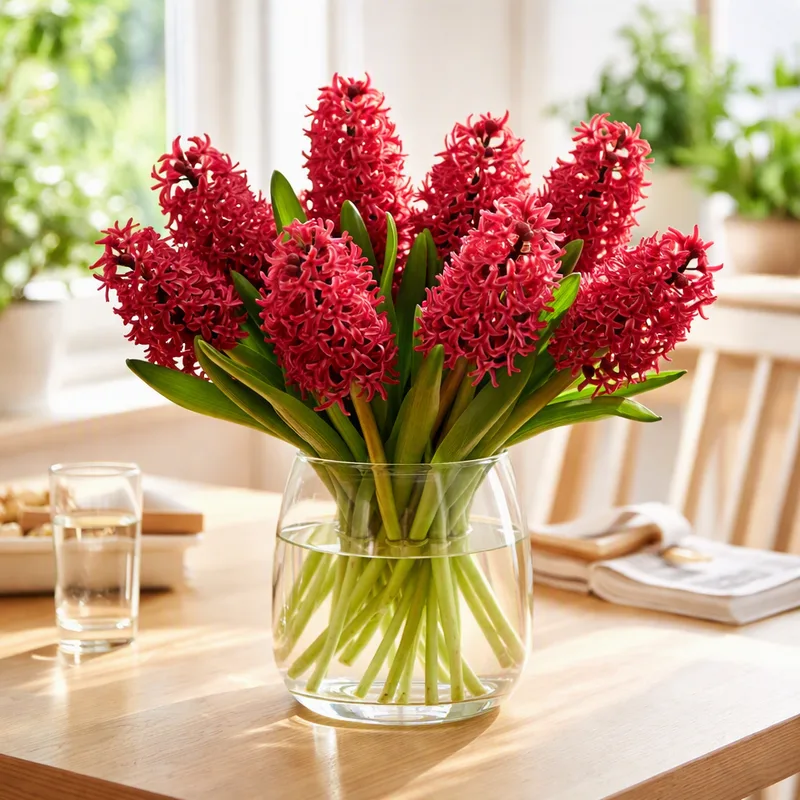
True scarlet is rare among hyacinths. Most 'red' ones are deep pinkish-red or crimson, and a few lean towards maroon. Varieties such as 'Jan Bos' and the double 'Hollyhock' are sold under this heading. If you picture a fire-engine shade, expect something a little cooler, closer to raspberry.
The plant behind every colour is Hyacinthus orientalis, native to southern Turkey, Syria, Lebanon and northern Israel and brought to western Europe in the 16th century.
Meaning, with a pinch of salt
The Victorian flower dictionaries gave different hyacinths different messages, and red or pink ones are linked to play and sport. Treat that as a charming old convention. Many people simply choose red hyacinth for Valentine's Day, because forced bulbs flower indoors around then and the colour is already tied to love.
Making it last
Timing matters. For a February display you need prepared bulbs started in autumn in a cool, dark place, then brought into light once the shoot is a few centimetres tall.
- Position: a bright windowsill that stays cool at night.
- Water: keep the compost slightly moist, never standing in a saucer.
- Support: a thin cane stops a heavy spike toppling.
- Cut stems: give them a fresh angled cut and shallow, clean water.
After the show, red bulbs can be planted outside in autumn at around 10 cm deep. In wet Irish clay add grit first.
Pets
The ASPCA classes hyacinth as toxic to dogs, cats and horses. The bulb is the most hazardous part, so a pet that digs up a planted bulb is the main risk. Ring your vet if it has chewed one.