
A name that has been rearranged
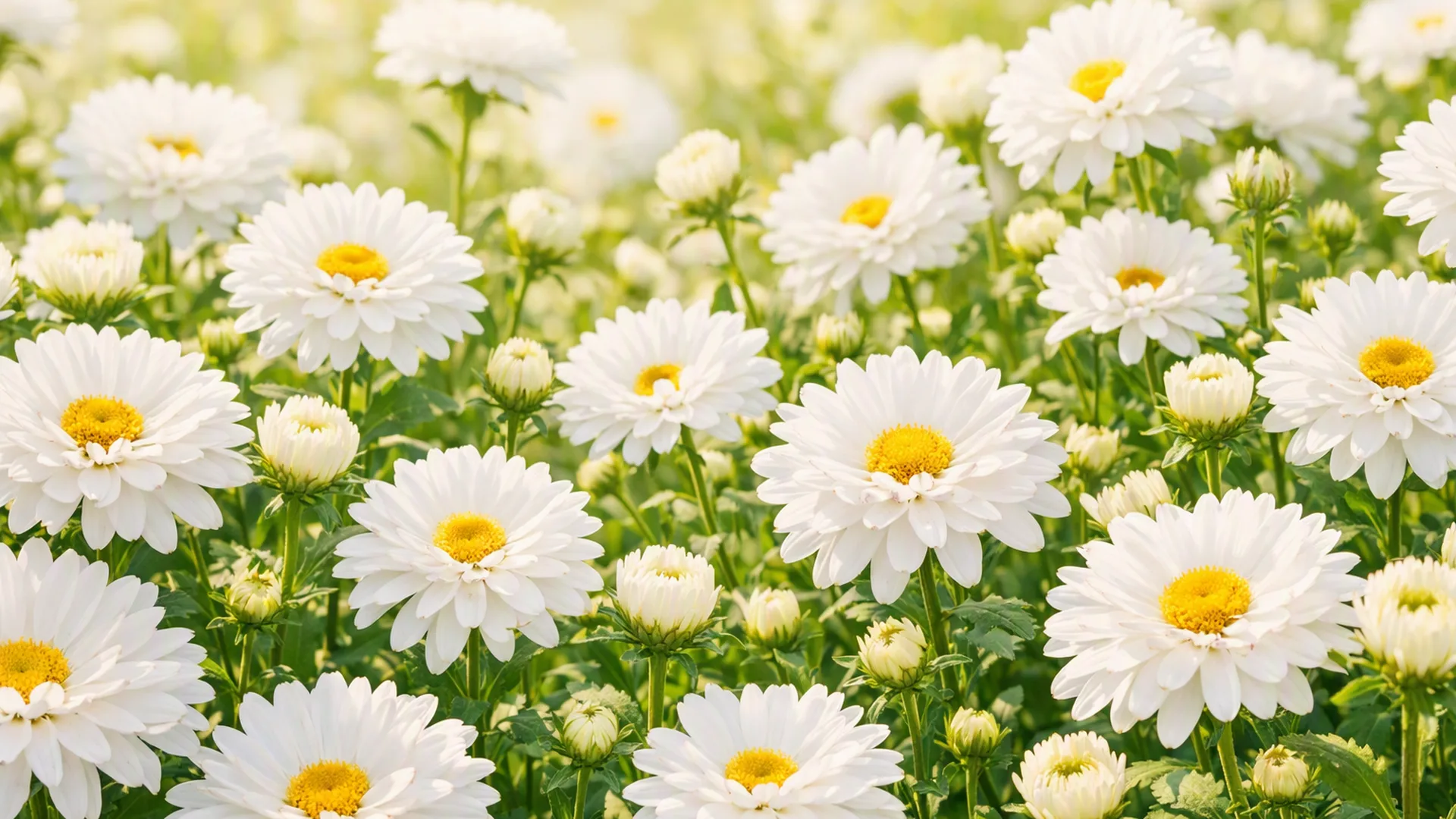
The word aster comes from the Greek for star. Botanists have since split the old genus, and most of the tall autumn plants sold as asters, including the Michaelmas daisies of cottage gardens, now sit in Symphyotrichum. The genus Aster itself keeps mostly Eurasian species. Add the annual China aster (Callistephus chinensis), a separate plant often sold as a cut flower, and it is easy to see why labels can be confusing.
The Irish wild aster
You do not need a garden to meet one. Sea aster (Tripolium pannonicum, formerly Aster tripolium) grows on salt marshes and estuary mud around the Irish coast, with lilac-blue petals around a yellow centre. It even featured on a set of Irish wildflower stamps.
Michaelmas time
Michaelmas falls on 29 September, and the daisy-like perennials of that name come into bloom around then, carrying flowers from late summer into October. At a point when many borders are fading, they feed bees, hoverflies and late butterflies.
Growing tips for a damp climate
- Choose a sunny, airy position, because powdery mildew spreads in still, damp air.
- Divide clumps every two or three years in spring to keep them vigorous.
- Water in dry spells, as drought stress invites mildew.
- Leave the dead stems over winter for insects if you can bear the look, and cut back in spring.
Cats and dogs
The ASPCA gives aster a non-toxic rating for dogs, cats and horses. Even so, a pet that chews a lot of any plant may have an upset stomach.