

From the mountains to the lawn
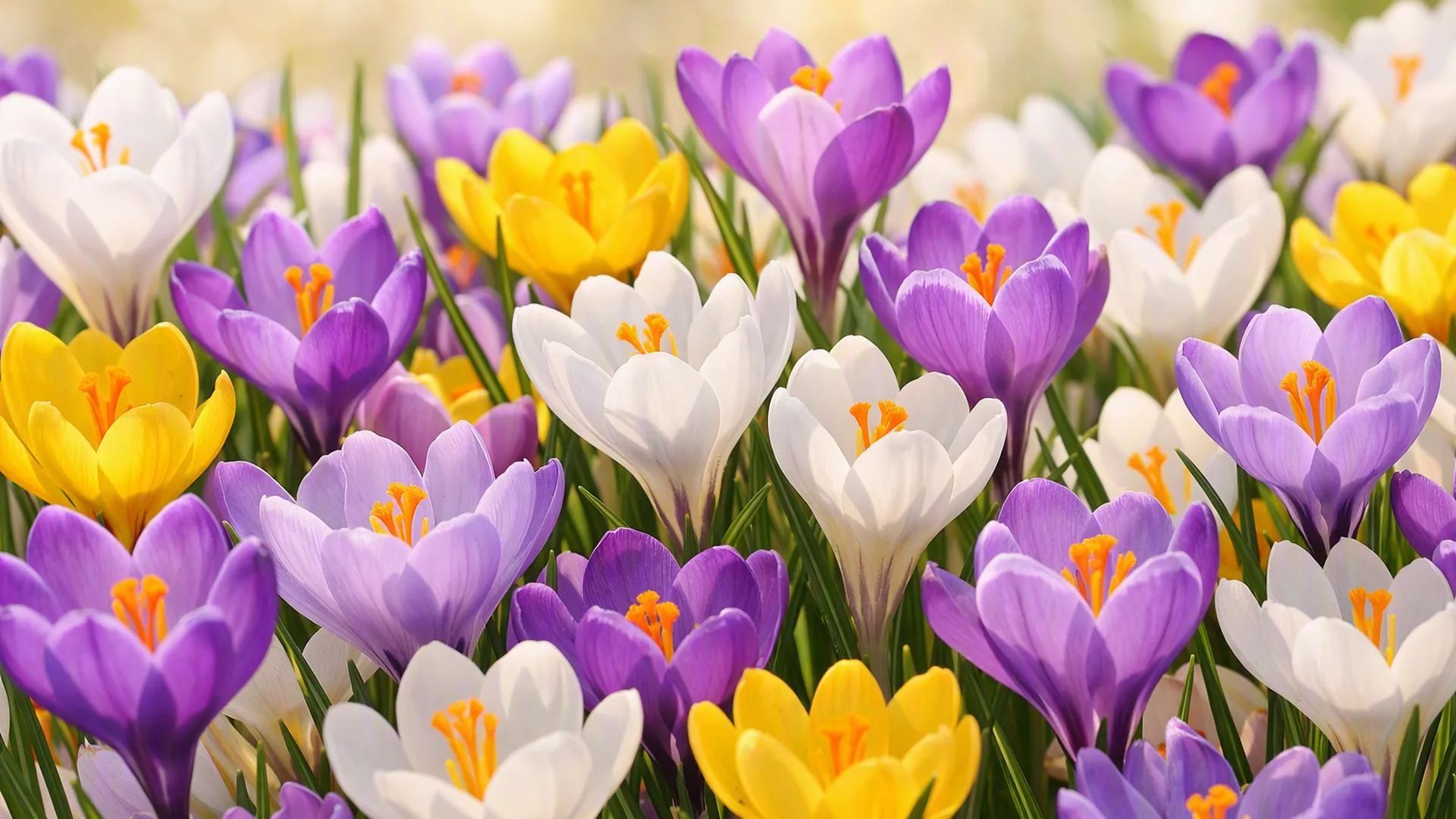
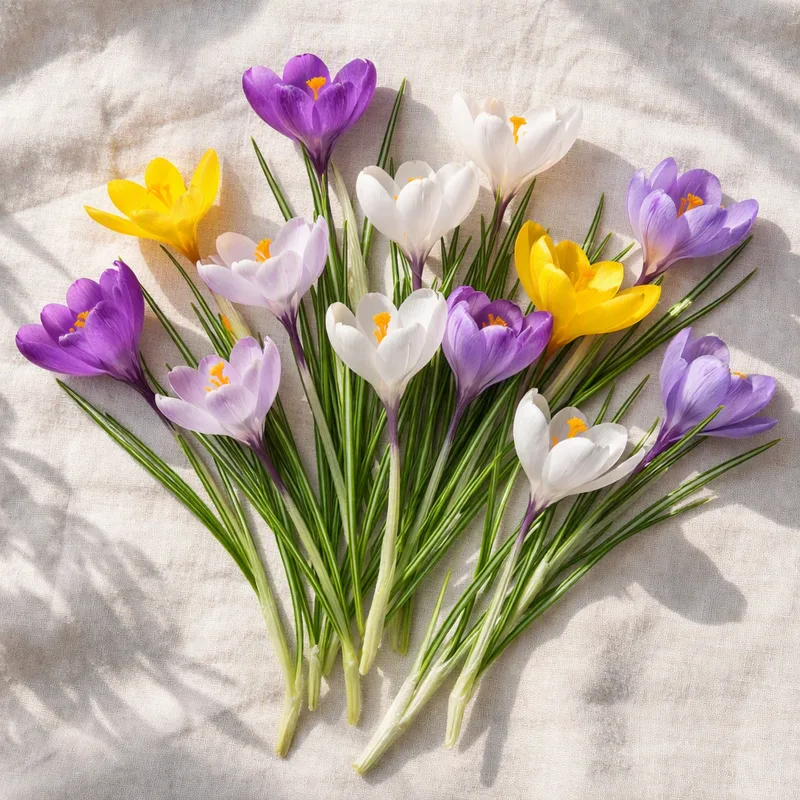
Crocus belongs to the iris family. Its natural range runs from south-west and central Europe through North Africa to western China, and most species grow in the Balkans and Turkey. About 30 species are in cultivation. Most flower between the end of winter and April, while a few bloom in autumn. The best-known species is Crocus sativus, whose red stigmas are the spice saffron.
One crocus flowers for days or a couple of weeks but returns for years if the corm is left alone. In pots, move them to a bright place after flowering and let the leaves die back before planting the corms out.
In Irish gardens
Spring crocuses (Crocus vernus) are widely planted, and other species such as Crocus tommasinianus spread through grass and form a purple carpet after a few years. In the mild west the first flowers can open in February, around St Brigid's Day, the traditional start of spring.
- Plant corms in September or October, about eight centimetres deep.
- Choose a sunny spot with free-draining soil, as wet ground rots corms.
- In lawns, do not mow until the leaves have died back.
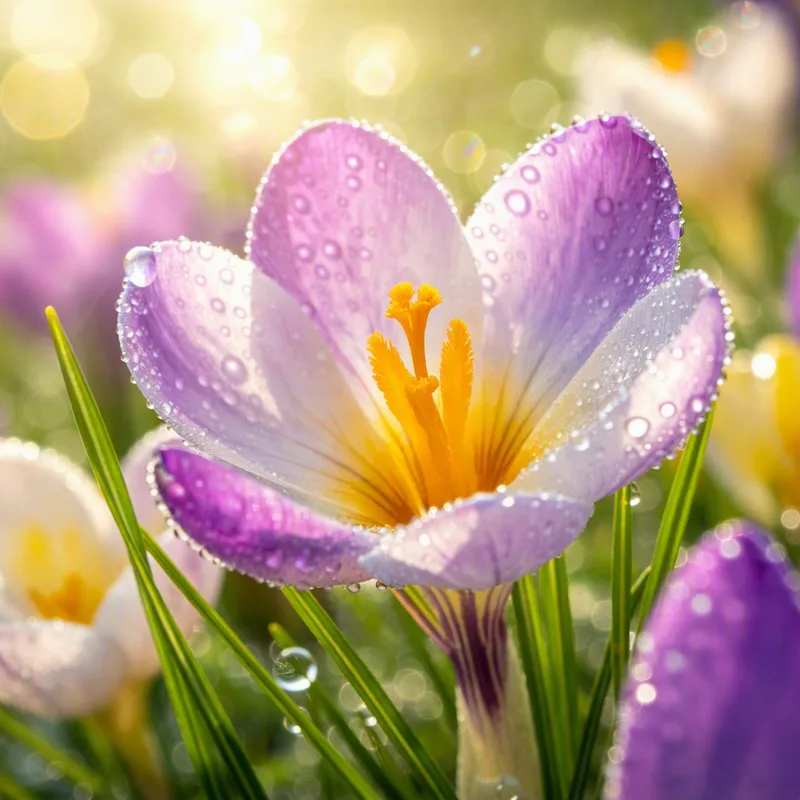
- Flowers open fully in sun and stay shut on dull days.
Bees and bumblebees use crocuses as an early source of pollen.
Beware of autumn crocus
Autumn-flowering crocuses can be confused with meadow saffron (Colchicum autumnale), a different plant that is far more poisonous. It has six stamens, a true crocus only three. The ASPCA says spring crocuses can cause stomach upsets in pets, while autumn crocus is much more dangerous. After eating an unknown bulb, call the National Poisons Information Centre, or your vet for an animal.