

Pink hides in the species
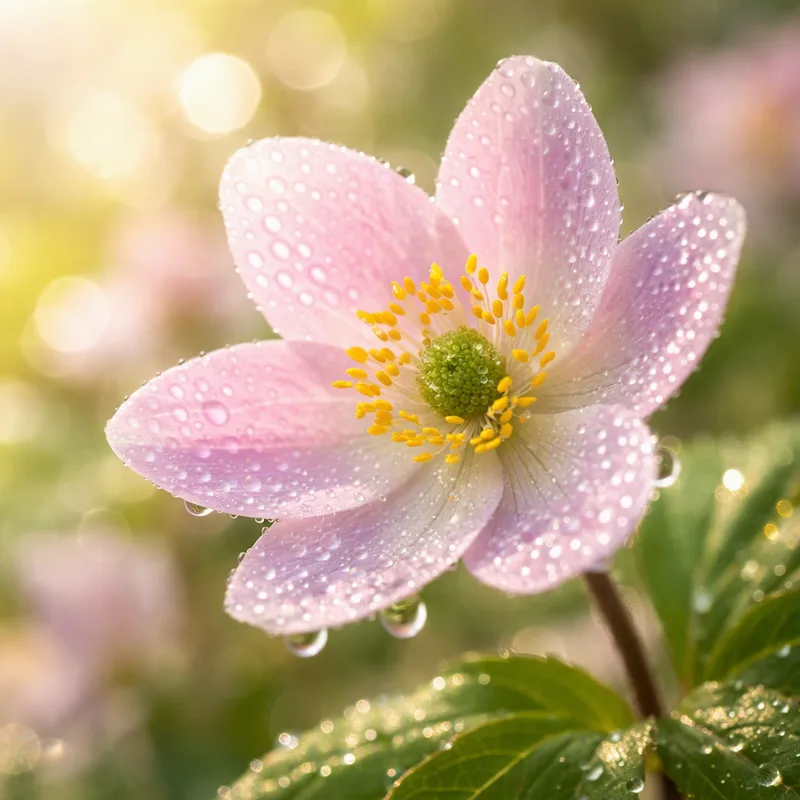
Wood anemones are usually white, but the species varies, and pink, bluish and lilac plants occur. The underside of the white petals is often tinted rose or violet, so buds and half-open flowers look pink even when they open white. A truly pink wild plant is a pleasant find, and it should be left where it is.
Pink-toned cultivars
Gardeners have picked out many named forms. Two give a pink effect:
- 'Rosea' has star-shaped white flowers with a pink flush and yellow stamens.
- 'Wisley Pink' opens white with a deeper pink reverse and turns pink as it ages.
For a softer blend, plant them beside lavender-blue forms like 'Allenii' and 'Robinsoniana'.
Looking after them
Treat pink forms as you would the wild plant. Plant rhizomes in early autumn, only a few centimetres deep, and do not let the patch dry out in its first spring. They do best in partial shade and moist, humus-rich but well-drained soil, ideally beneath deciduous trees where winter sun reaches them. They also tolerate the cool, damp springs we know, and they die back by early summer, so mark the spot.
Small and mildly toxic
Pink forms are as mildly poisonous as the wild plant. The fresh sap contains protoanemonin, which can blister skin and cause stomach upset if eaten. Handle with gloves. Contact the National Poisons Information Centre or a doctor if a child has eaten some, or a vet for an animal.