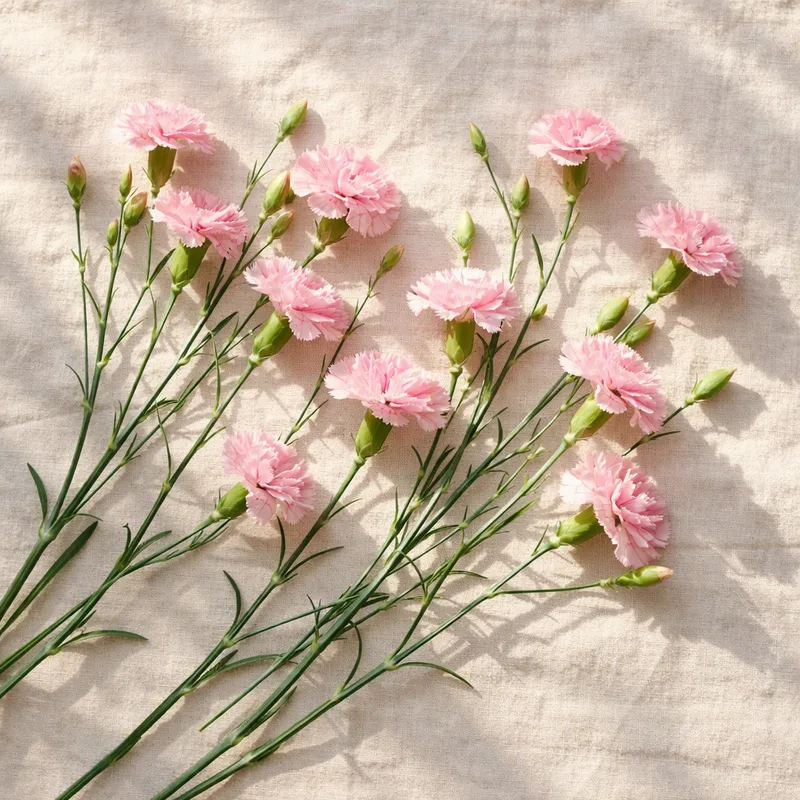
What pink says
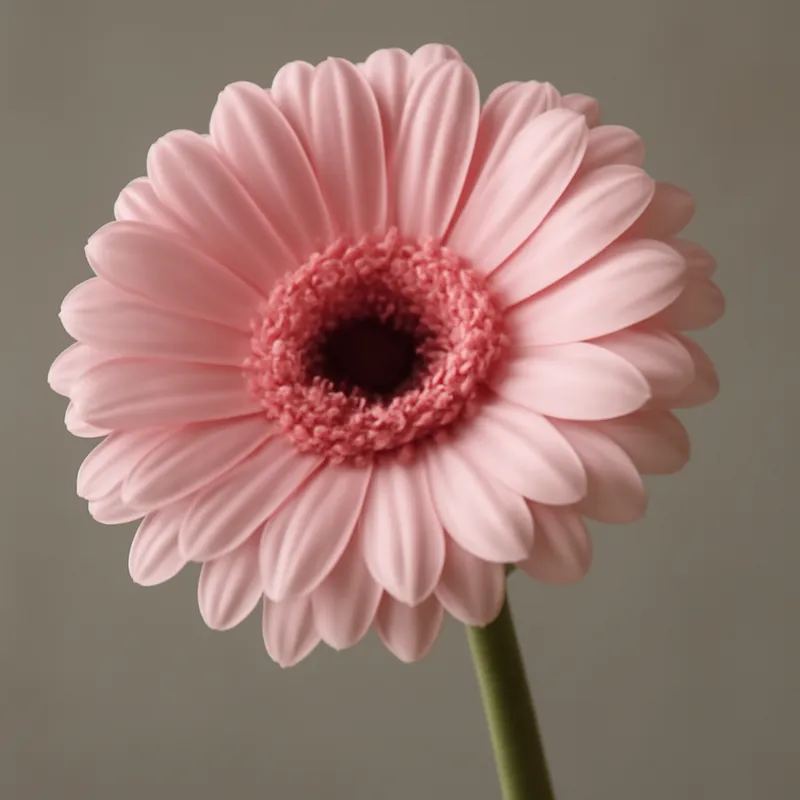
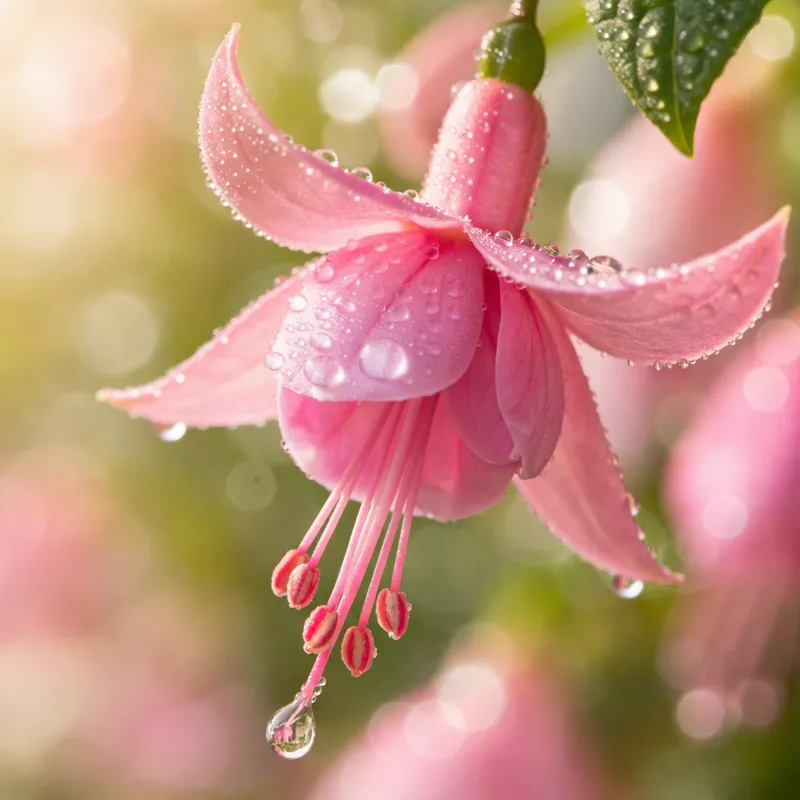
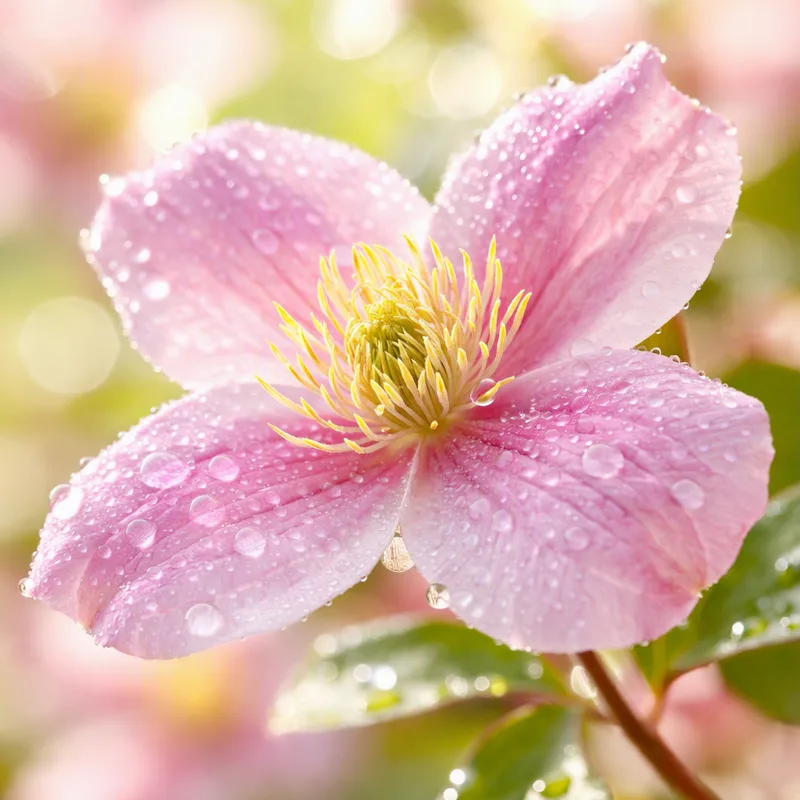
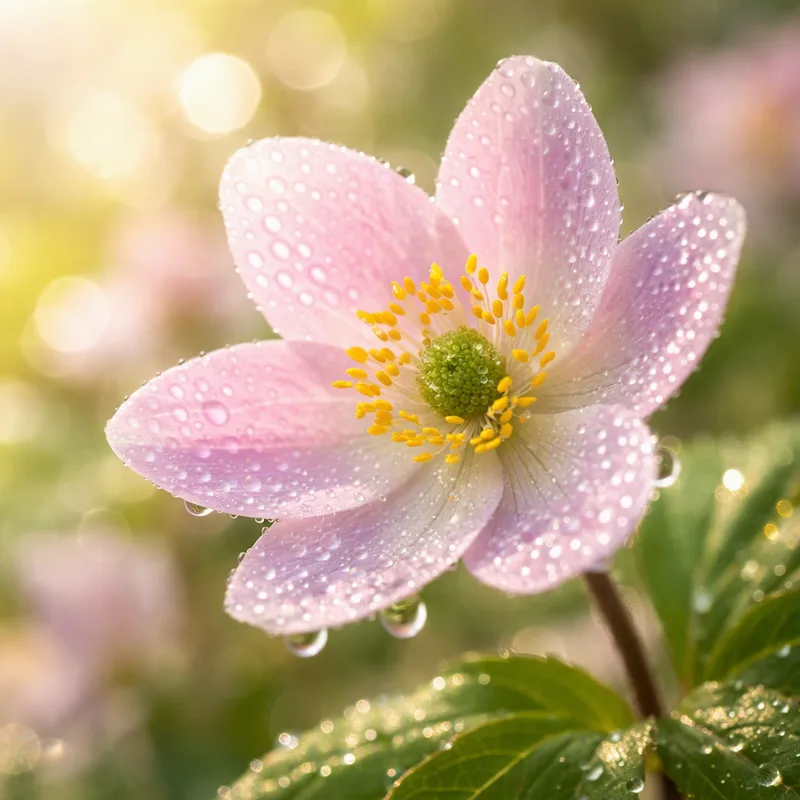
Pink carnations are traditionally tied to gratitude and to a mother's love. A Christian legend says the first carnations grew where the Virgin Mary's tears fell as she watched Jesus carry the cross, which is why pink ones were once linked to motherhood. In Ireland, with Mothering Sunday in March, pink is one of the colours people reach for when buying for their mothers.
Shades to choose from
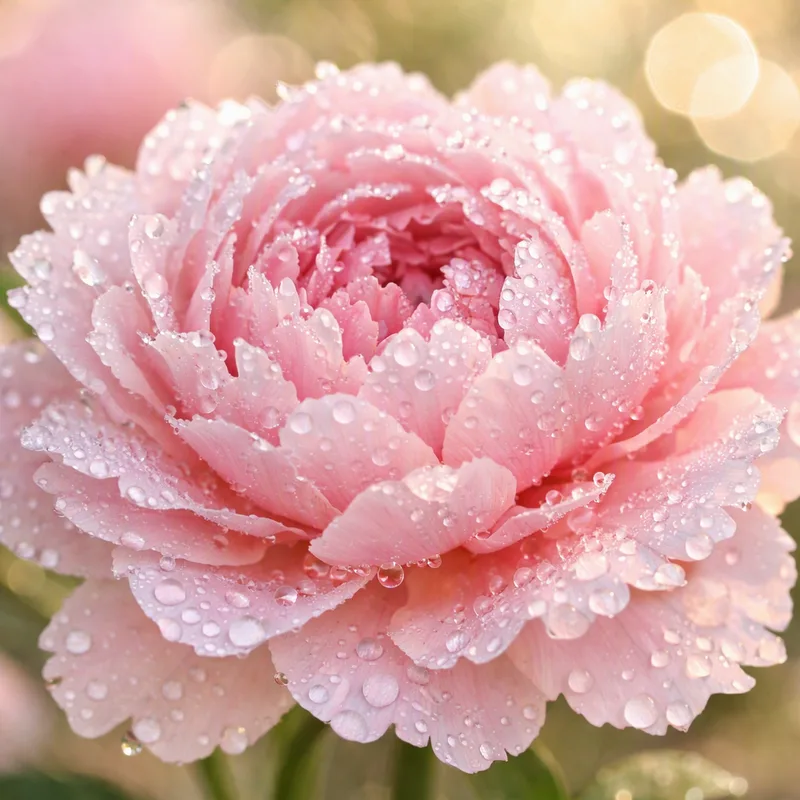
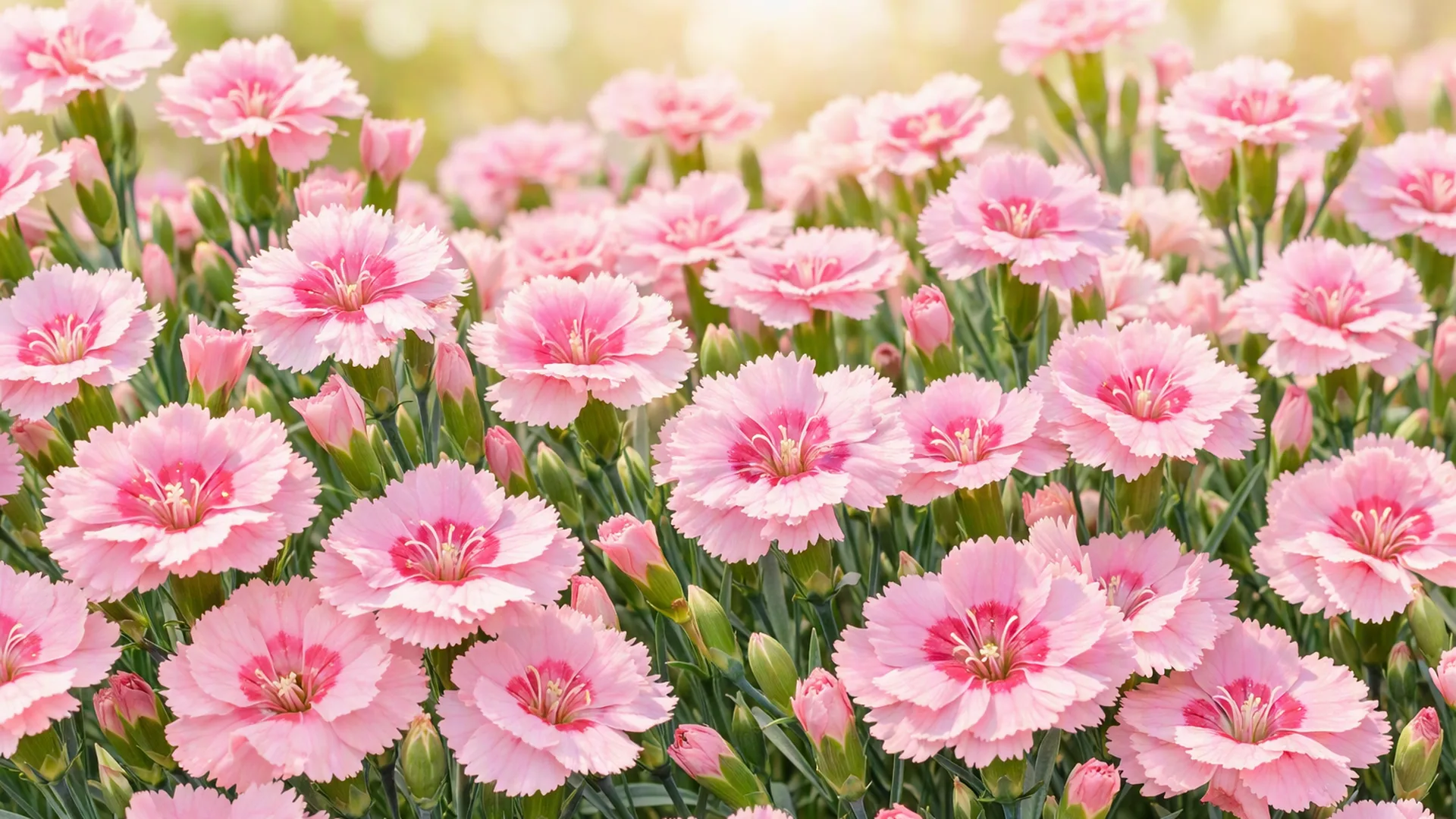
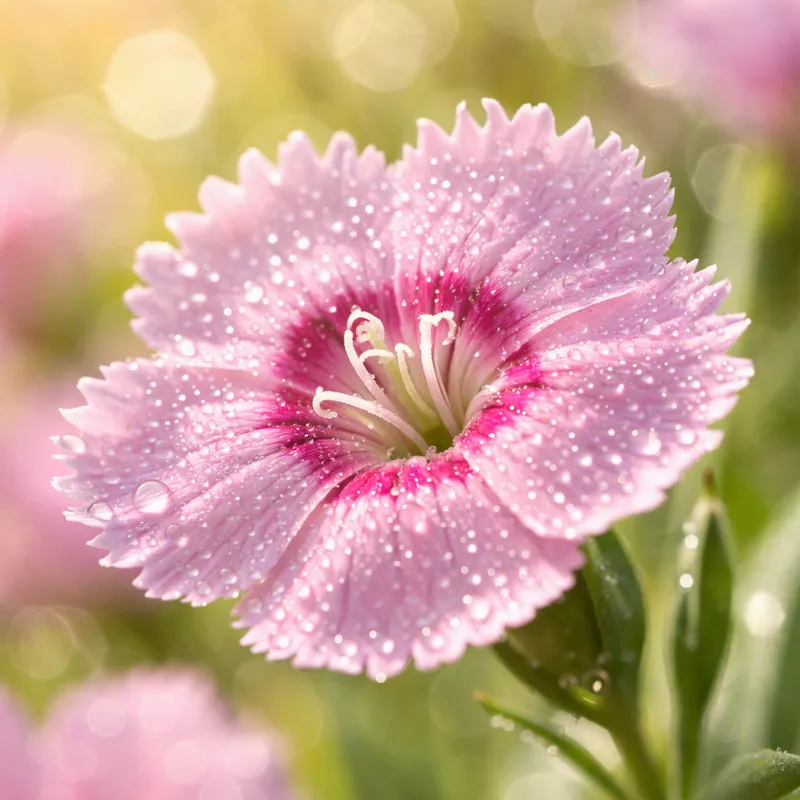
Pink runs from pale blush to a strong cerise, and bicolours edged with a deeper shade are common. The plant itself, Dianthus caryophyllus, is a Mediterranean native whose genus name means divine flower.
- Pale pink suits a christening or a baby gift.
- Mid pink works for thank-you bunches.
- Cerise suits a bold table arrangement.
Handling and vase life
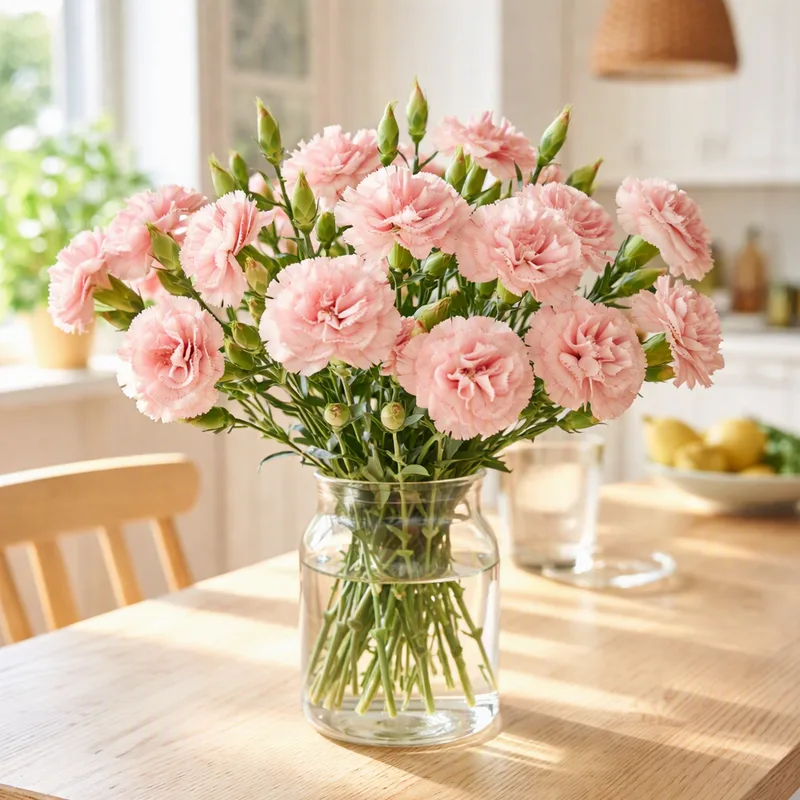
Treat the stems gently, because the joints are brittle. Cut just above a joint, strip leaves below the water and change the water regularly. A fortnight in the vase is realistic.
Pairing pink
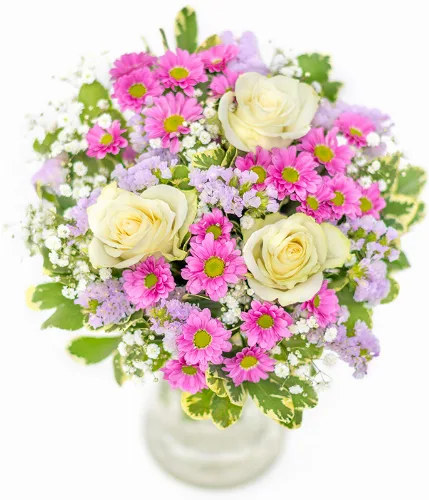
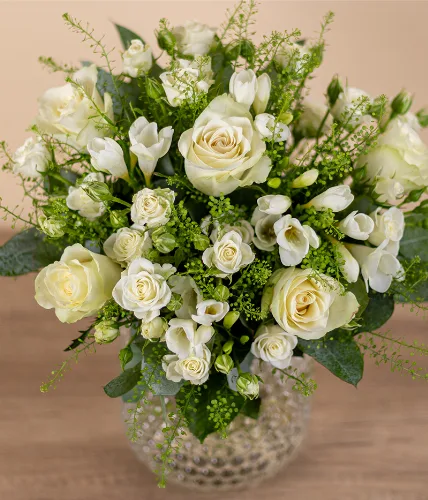
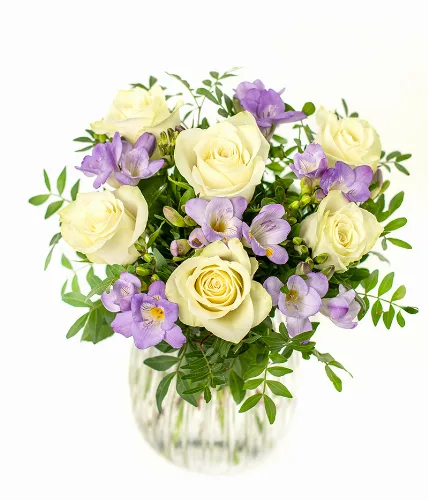
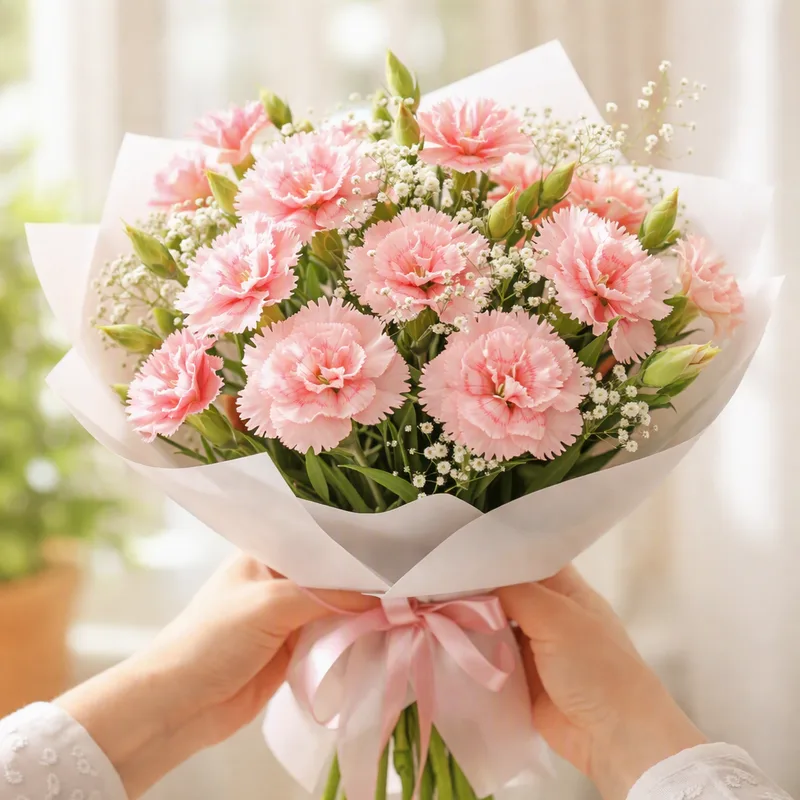
Pink carnations blend well with white lisianthus, sprigs of eucalyptus and the cream of freesia. For a small gift, three or five stems tied with raffia and set in a jam jar look relaxed and generous. They also work as a single colour mass, packed tightly in a low bowl, where the ruffled petals give the effect of a cloud.
Pets
According to the ASPCA, carnation is toxic to dogs, cats and horses. Signs are mild gastrointestinal upset and mild dermatitis. A vet can advise if your pet eats a number of petals. Garden pinks, the relatives of the florist carnation, prefer sunny, well-drained ground and lime, so on boggy or acid Irish soil use a raised bed.