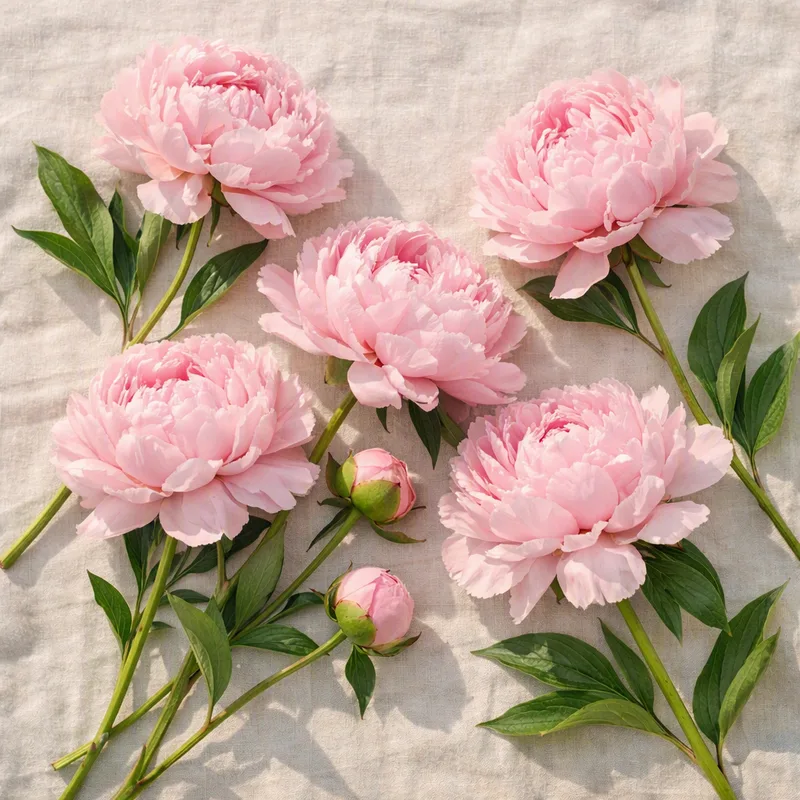
The pink peony everyone remembers
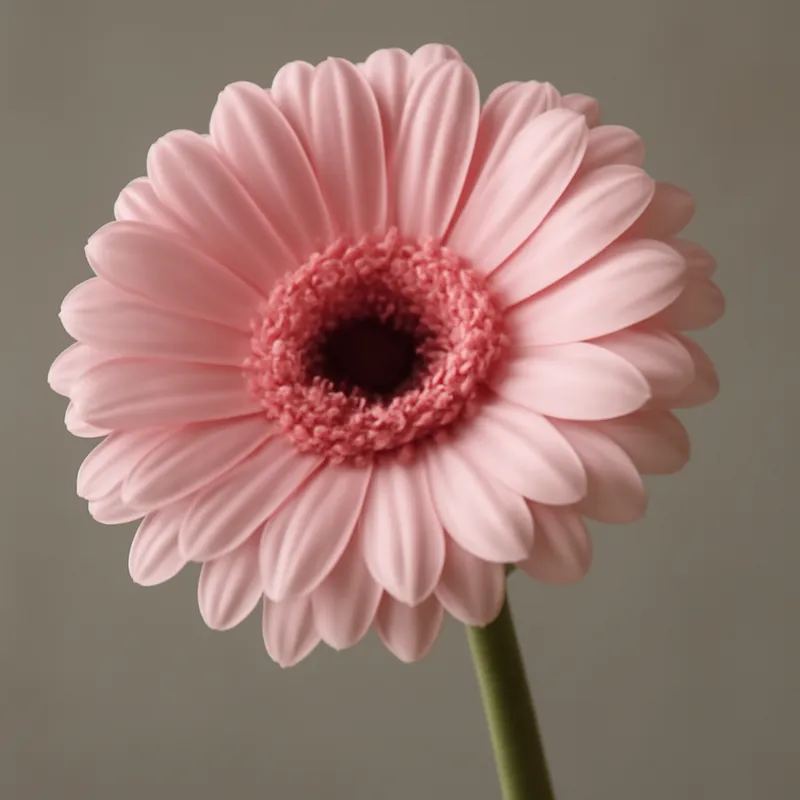
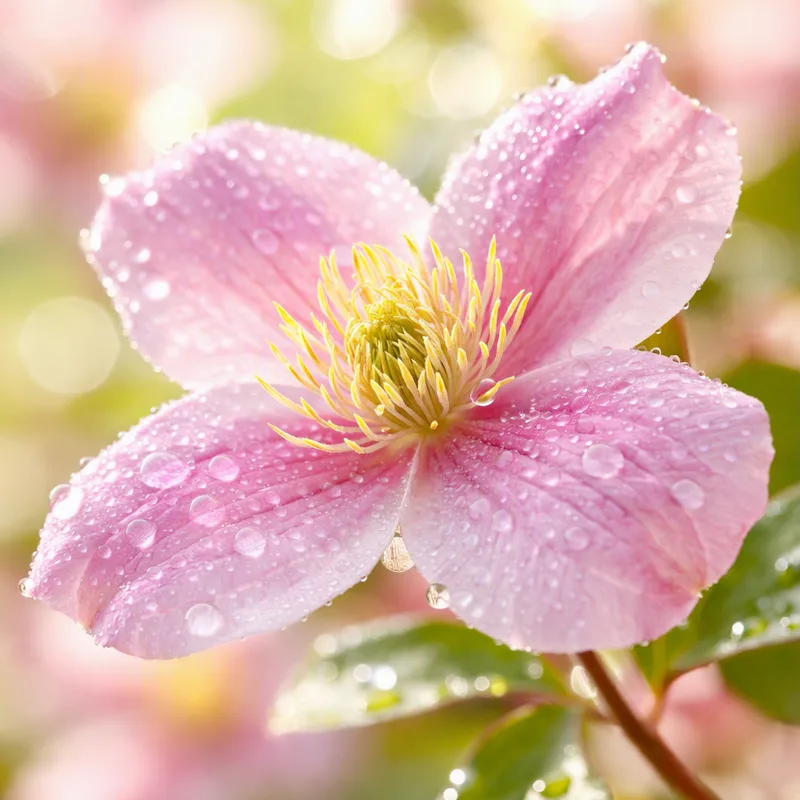
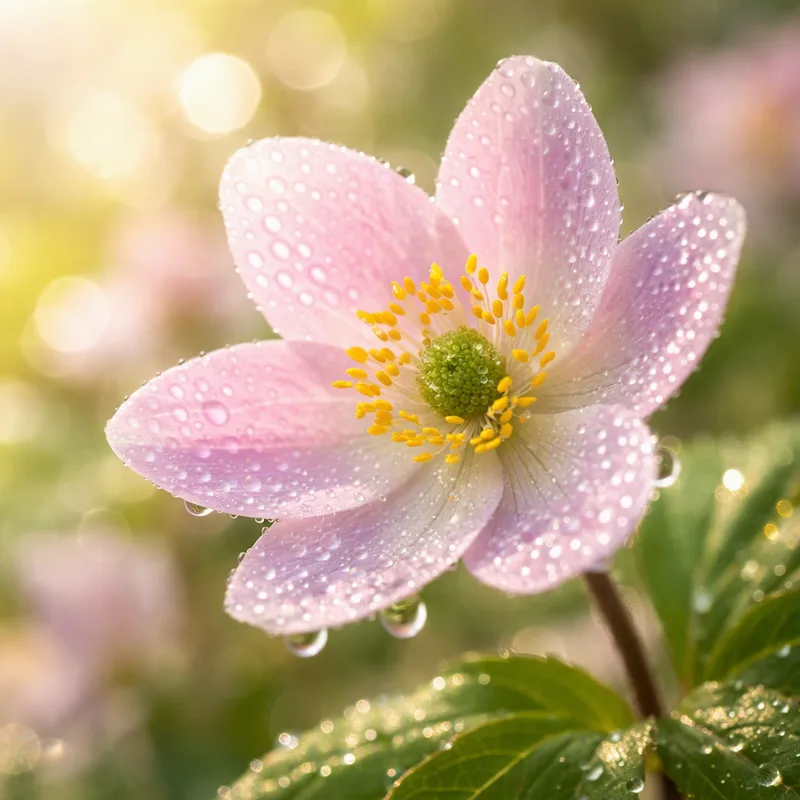
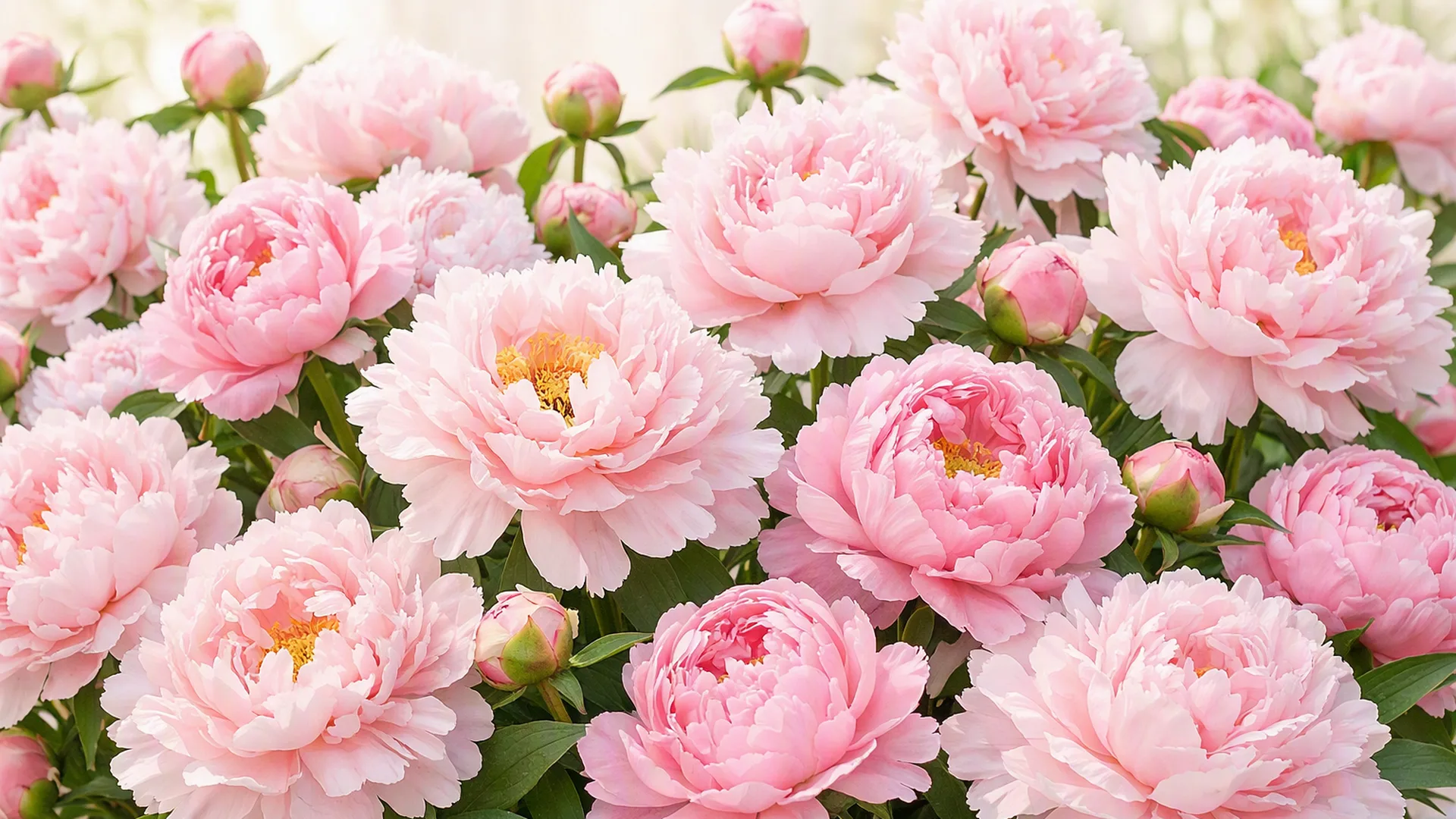
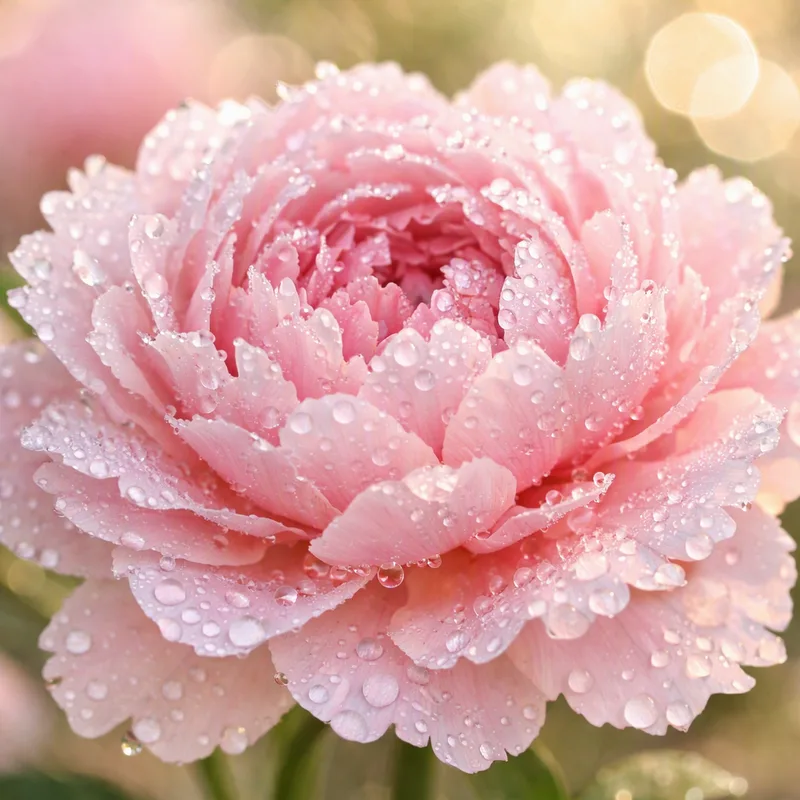
When someone says peony, the picture is usually a pink one: a ruffled, rounded head the size of a fist, often with a strong sweet scent. Pink covers a wide range, from blush that is nearly white to a deep rose.
- 'Sarah Bernhardt' is a famous soft-pink double, much grown for cutting.
- Blush and shell pinks open pale and often fade towards cream.
- Deeper rose forms hold their colour for longer in cool weather.
Colour changes through a flower's life. Tight buds can look far stronger than the open bloom, and the petals often lighten in warm spells.
Planting for the long term
Pink herbaceous peonies can stay in one spot for decades, so choose carefully at the start. Pick sun or light shade, soil that drains, and a position clear of tree roots. Autumn is the usual planting time. Cover the buds with only a few centimetres of soil; deeper planting is the commonest reason for no flowers.
In Irish gardens peonies come into their own around late May and June. Work in compost, and add a mulch in spring, but keep it clear of the buds. If your soil is heavy and wet in winter, raise the planting spot slightly.
Timing the season
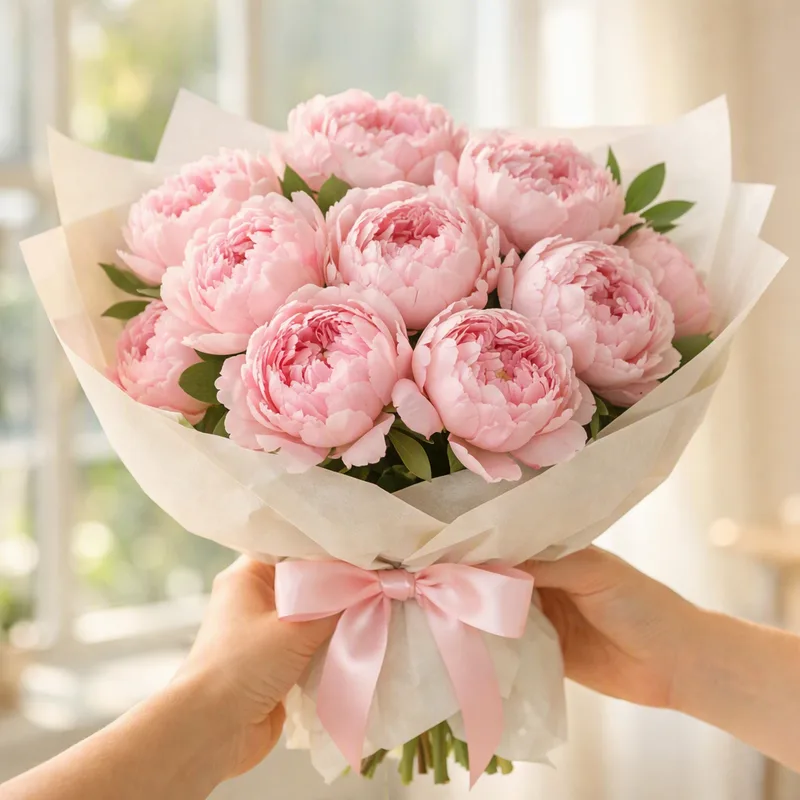
Peonies are a late-spring flower, so do not expect garden stems for Mothering Sunday in March; the plants are only pushing up red shoots by then. Their moment is the run-up to summer, when they sit nicely alongside roses and foxgloves.
Cats, dogs and the peony vase
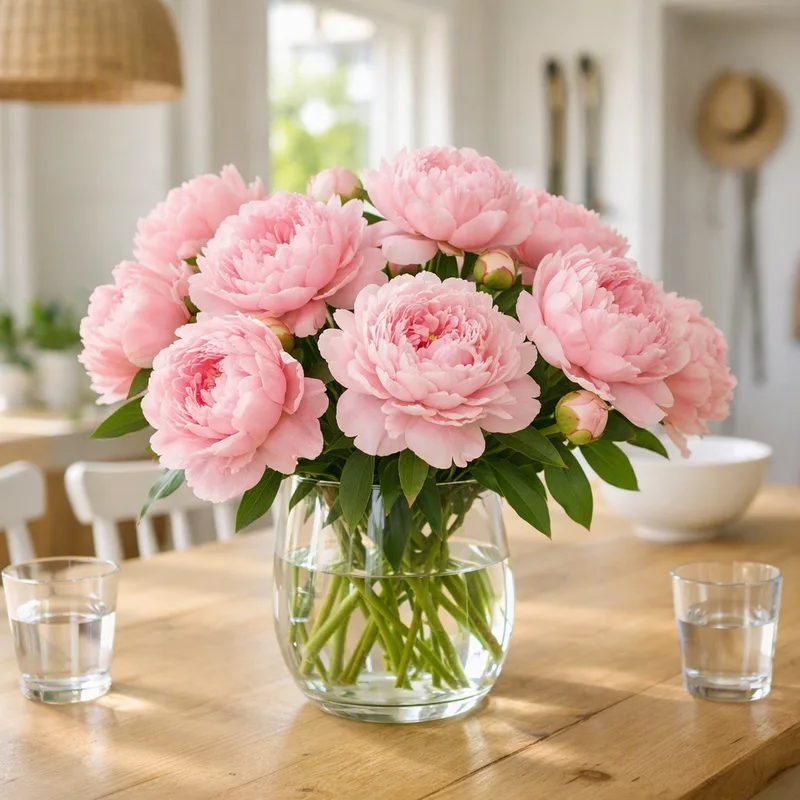
The ASPCA records peony as a cause of vomiting and diarrhoea in dogs, cats and horses. A tall vase on a sideboard or high shelf keeps the fragrant pink heads out of nosy reach.