White as a quiet autumn colour
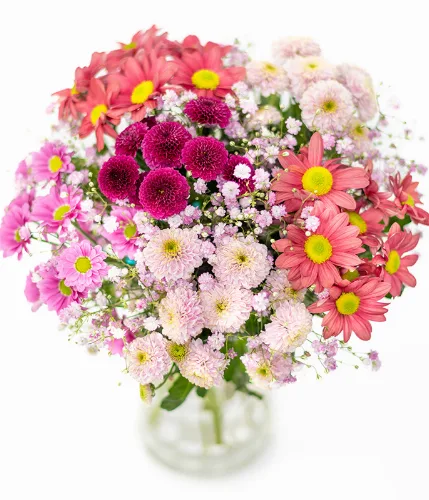
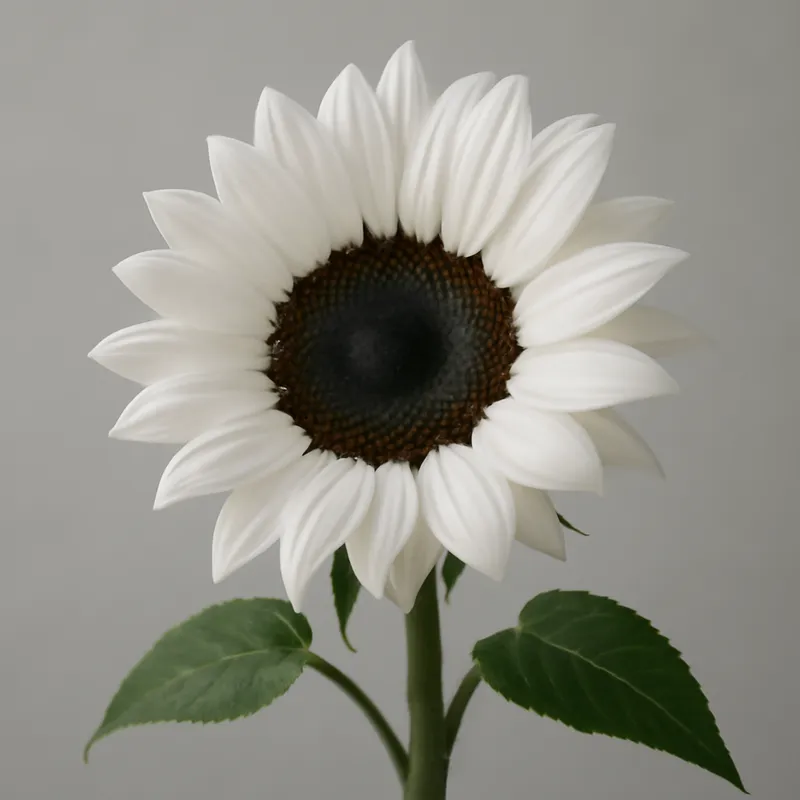
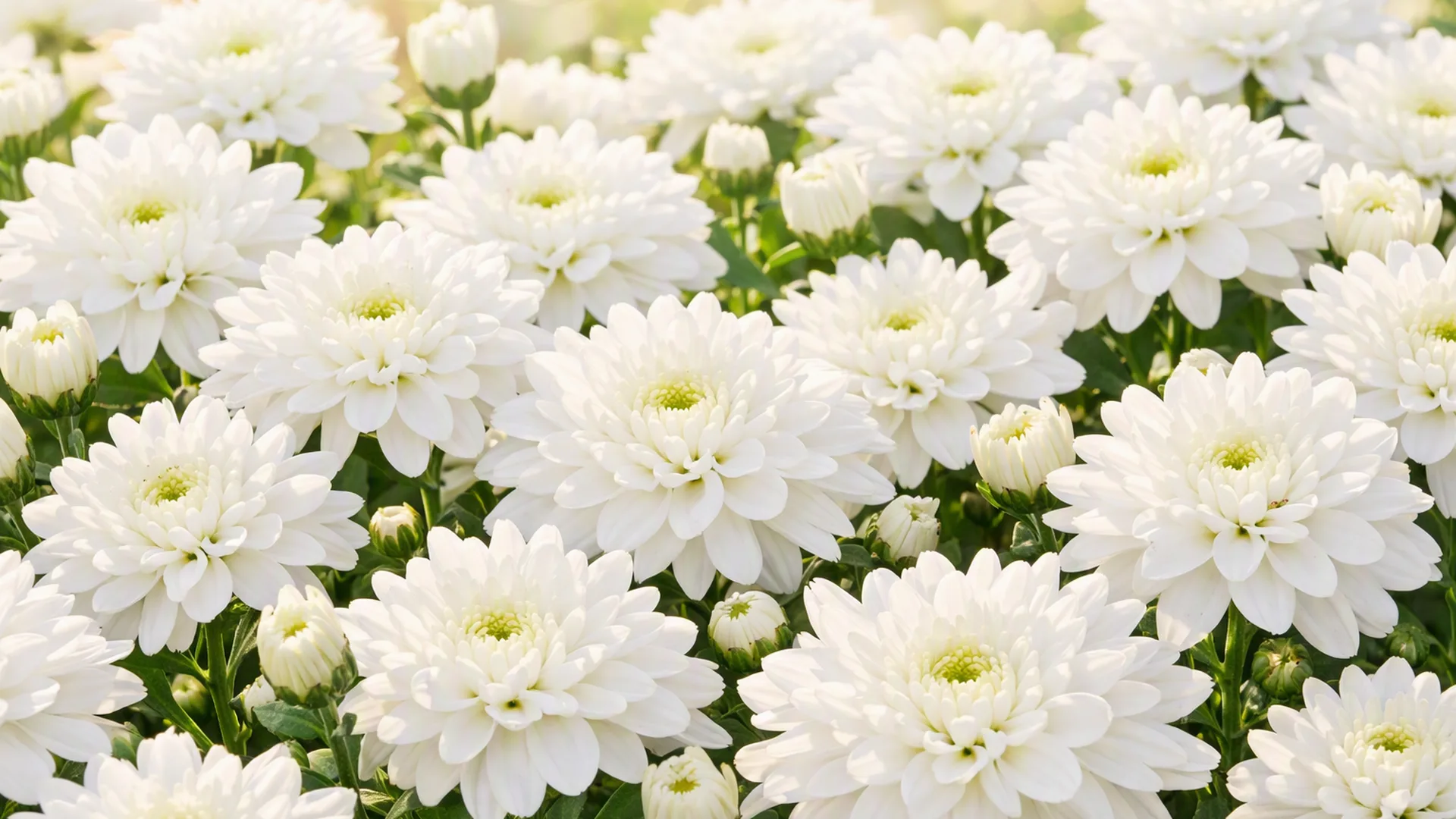
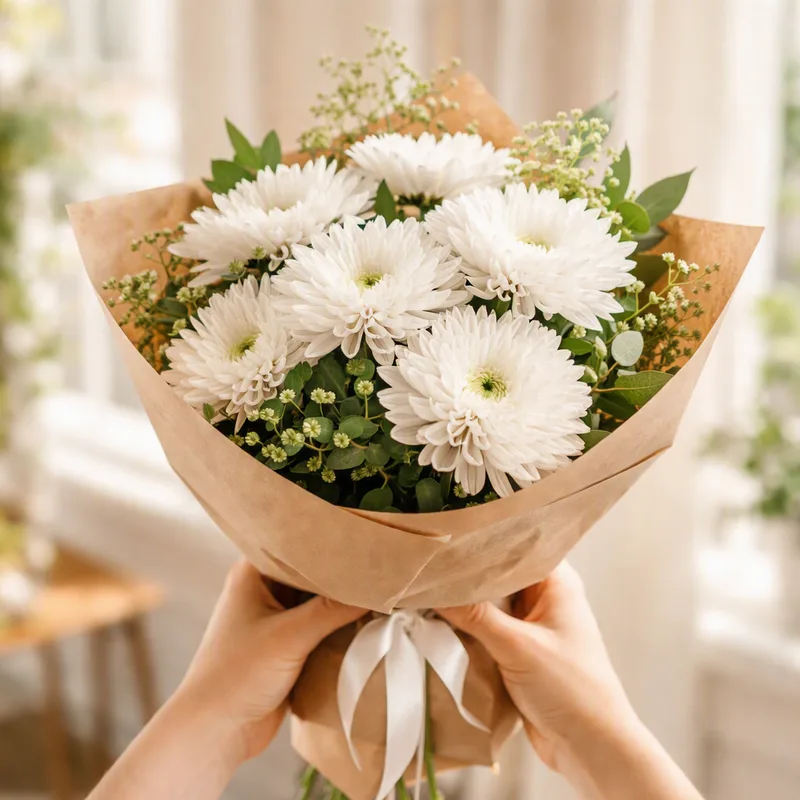
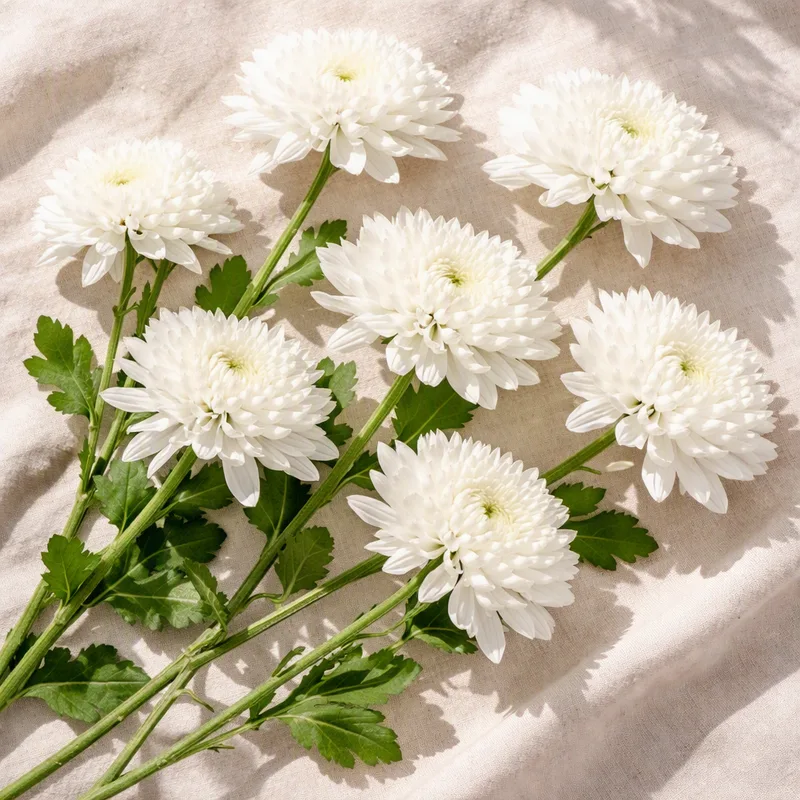
White chrysanthemums come in almost every flower shape: single heads with a yellow centre, dense globes, or sprays of small blooms on one stem. In the grey light of an Irish November, pure white looks especially bright and lets rust, copper and burgundy shades stand out beside it.
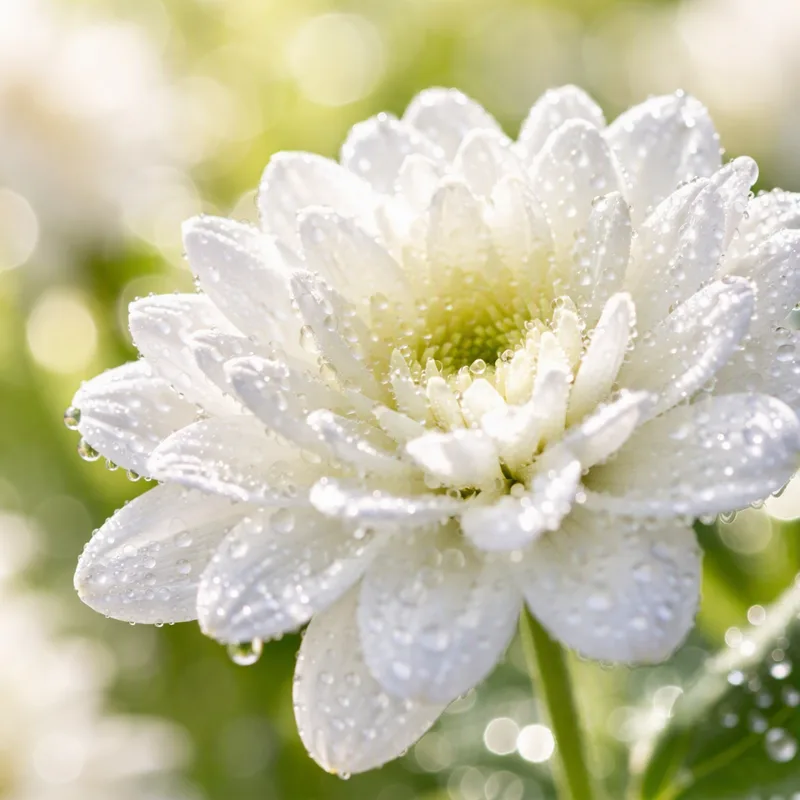
When buying, check the buds. If the outer petals are firm and the centre is still closed, the stems will keep opening for longer. Brown edges or a limp collar of petals suggest the flowers have been waiting a while.
Remembrance and gifts
White is the colour most often chosen for graves around All Souls' Day on 2 November. The plants shrug off cold and flower for weeks, so they work well in a bowl or wreath. In many European countries chrysanthemums are tied so closely to remembrance that they are rarely given as a cheerful present. If you want a celebratory feel, mix white heads with twigs, grasses or ornamental berries.
What to put with them
- Eucalyptus or gypsophila gives a loose, airy bouquet.
- Dark berries and red leaves add contrast.
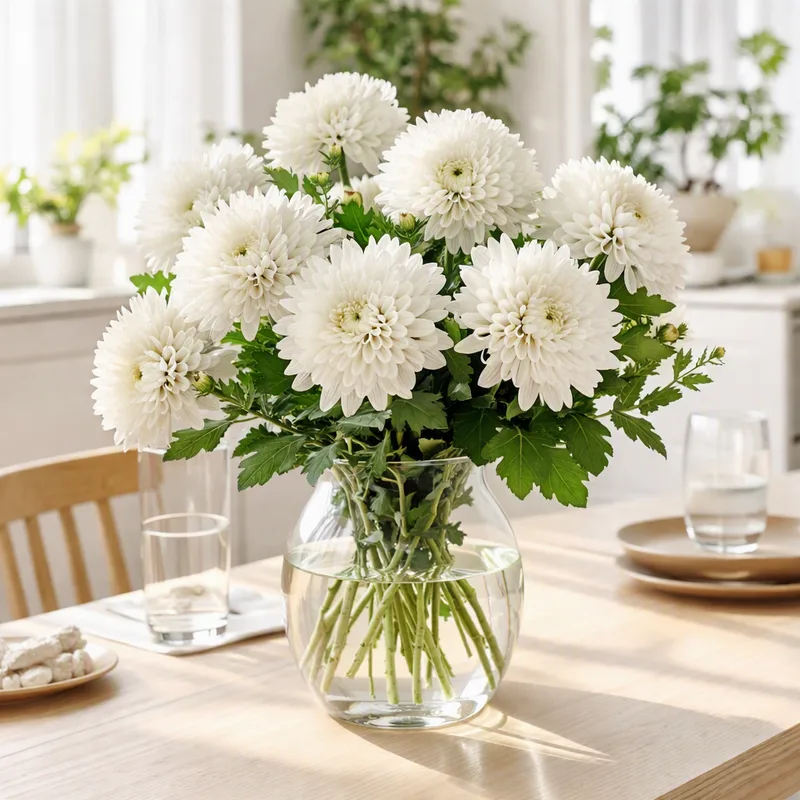
- Re-cut stems every few days and refresh the water.
- Remove faded heads early so the rest stay fresh.
Pot plants from garden centres are usually grown for a single season. Garden chrysanthemums for the border differ in hardiness by variety, so a layer of leaf mould or bracken over the crown is sensible in wet ground.
Pets and skin
Chrysanthemums contain pyrethrins. The ASPCA lists the plant as toxic to dogs, cats and horses, and chewing can lead to vomiting, diarrhoea and drooling. Contact with the sap can also irritate sensitive skin, as with many daisy-family plants. Keep the vase out of reach and ring your vet if a pet has eaten any.