How to recognise it
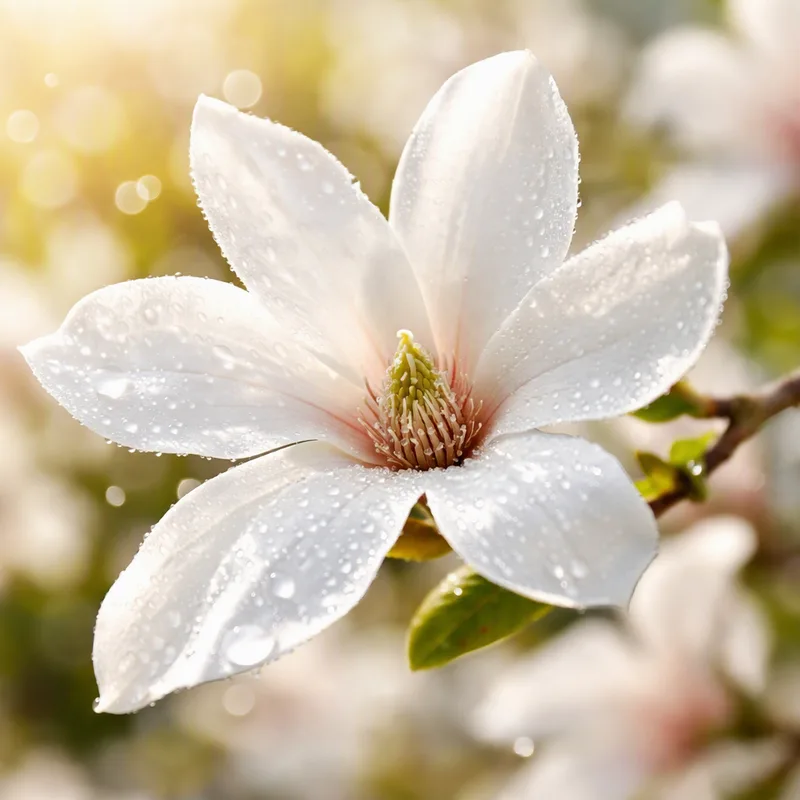
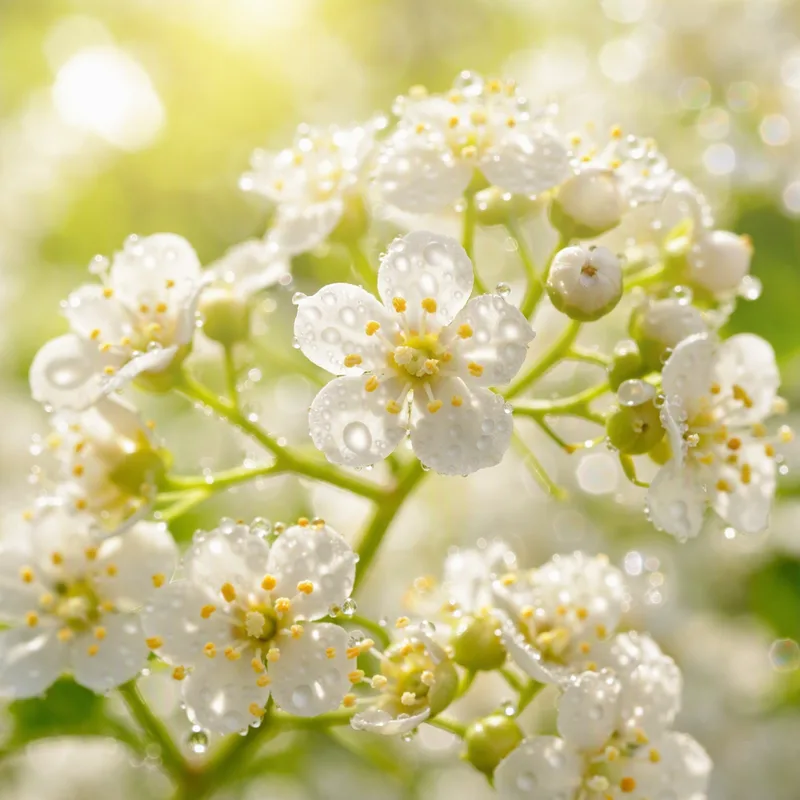
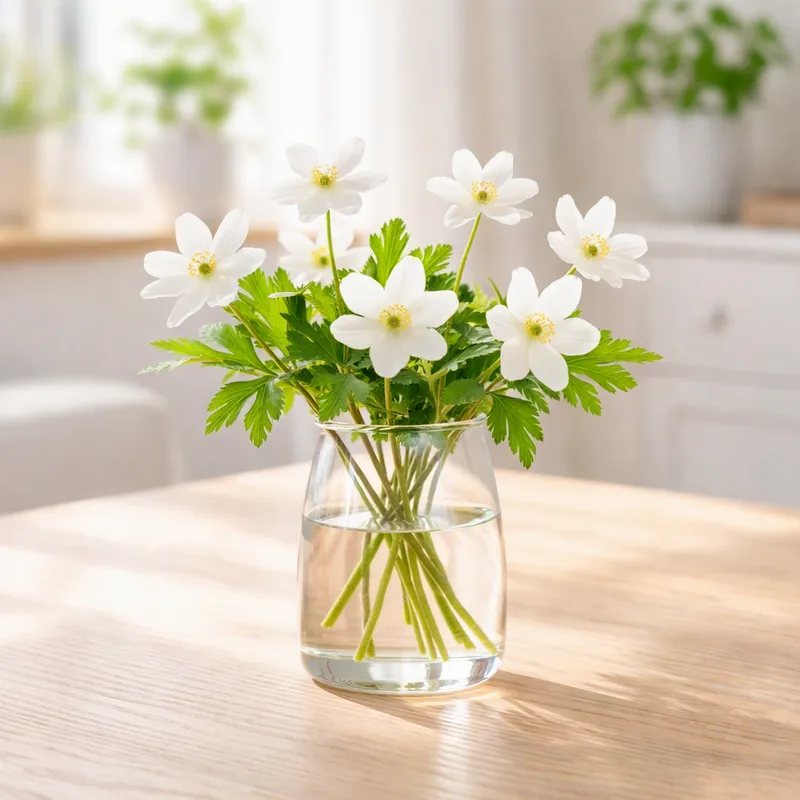
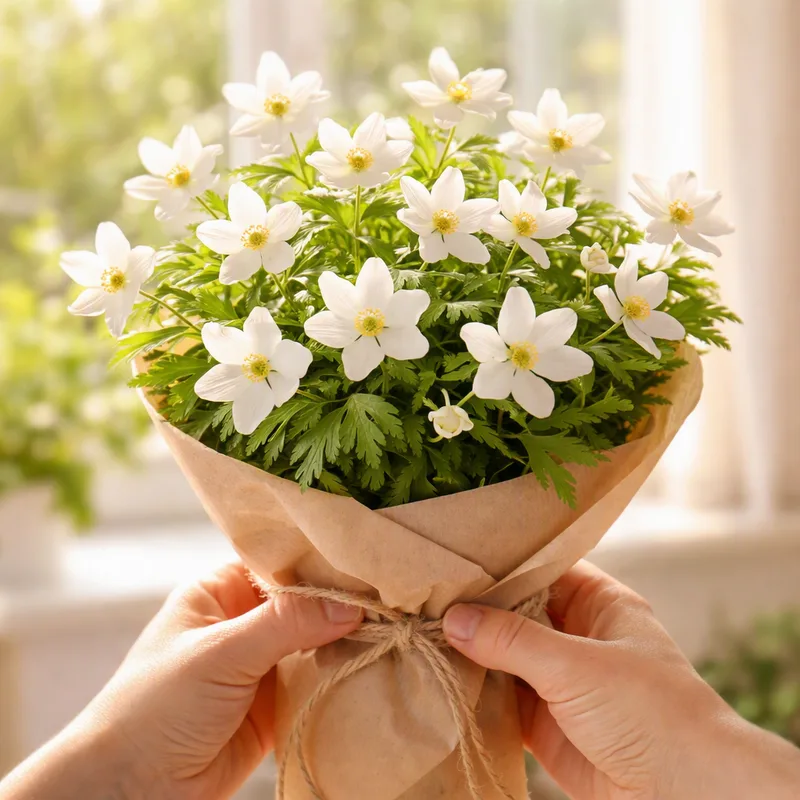
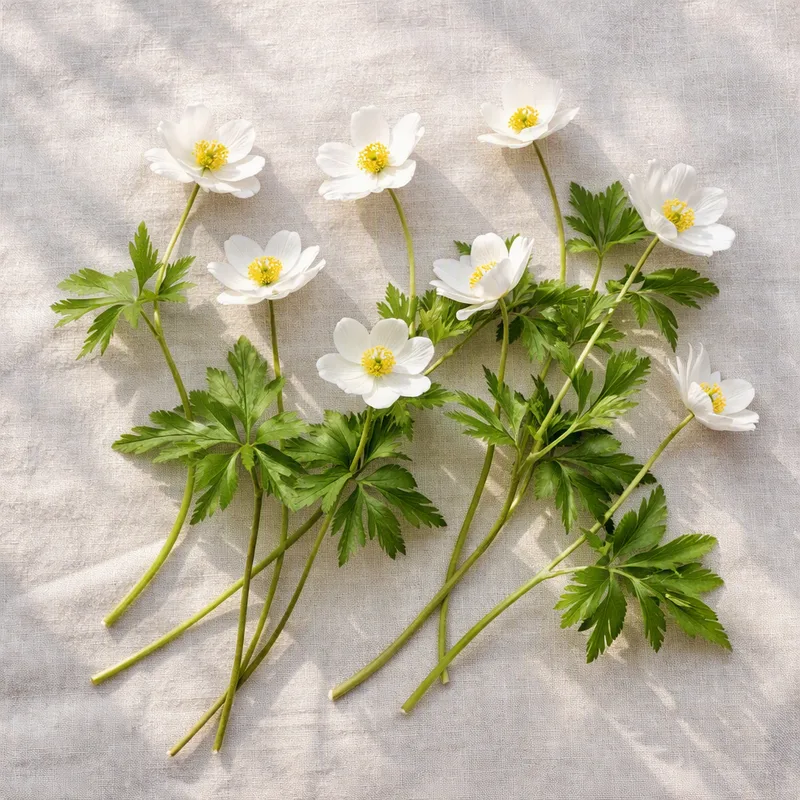
A wood anemone carries a single flower on each stem, usually with six or seven white segments. The underside is often flushed pink or lilac, especially in bud or in cold weather. In the centre are many golden stamens, and below the flower sits a whorl of three deeply cut leaves. The yellow wood anemone, which flowers in the same season, is a different species and, as its name says, yellow.
White garden forms
Many named selections exist. The double white 'Vestal' has a dense centre because the stamens have turned into small petal-like pieces. Doubles give the same spring effect as the wild plant and often stay in flower longer.
Helping a colony spread
- Plant rhizomes in early autumn under trees or shrubs.
- Choose moist, humus-rich soil in partial shade.
- Resist digging up wild plants, since the species travels only about ten centimetres a year.
- Let leaves fall and rot into the soil; this mirrors woodland.
Flowering and meaning
White anemones appear from March into May. In the language of flowers anemones are linked with anticipation, and white is traditionally for purity, although books differ.
Poisonous sap
Fresh plant material contains protoanemonin, which can redden or blister skin and upset the stomach if eaten. Drying turns it into the harmless anemonin. Wear gloves when handling it, and call the National Poisons Information Centre or your vet if somebody or something has eaten it.