
A paler way to edge a border
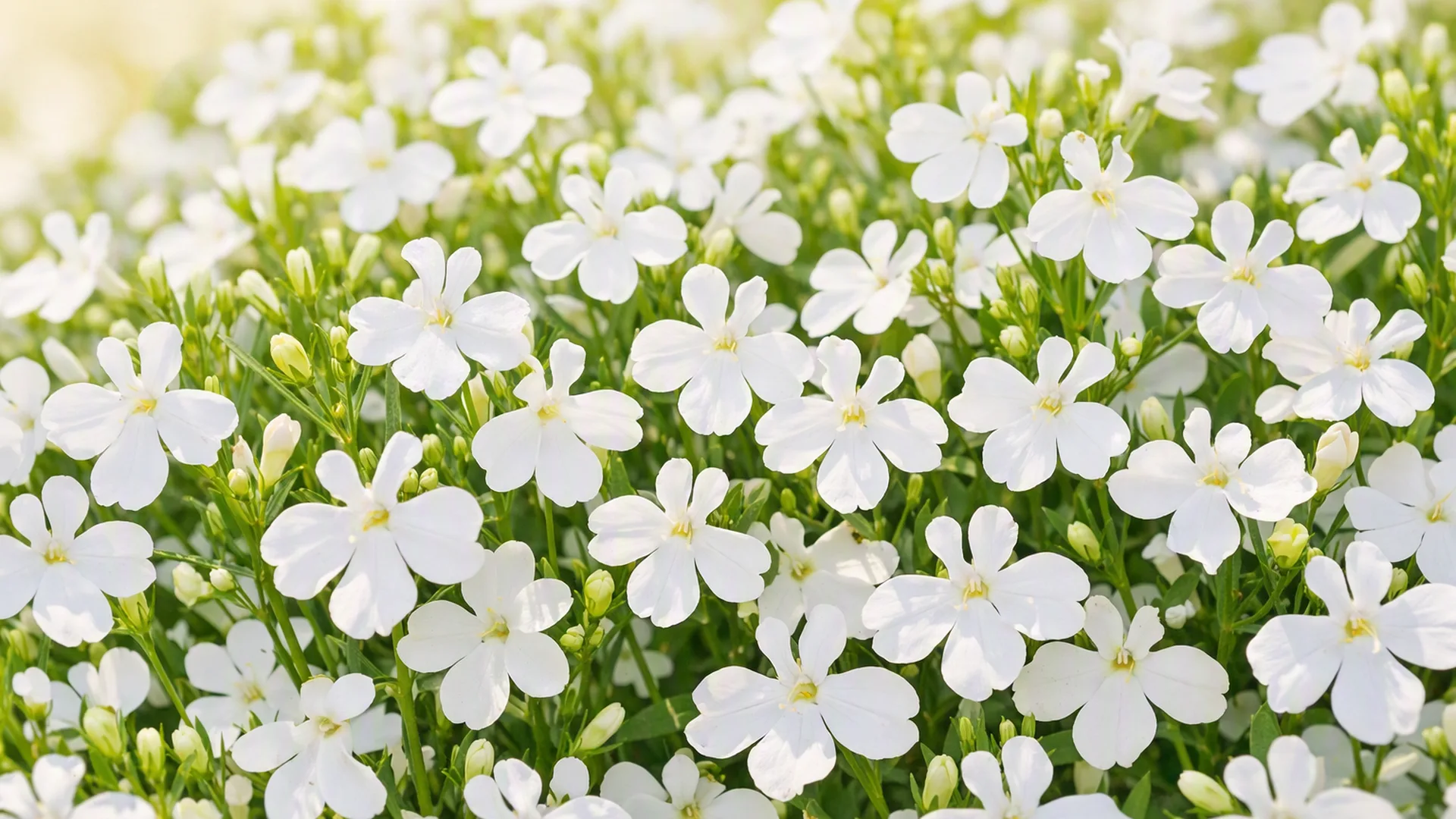
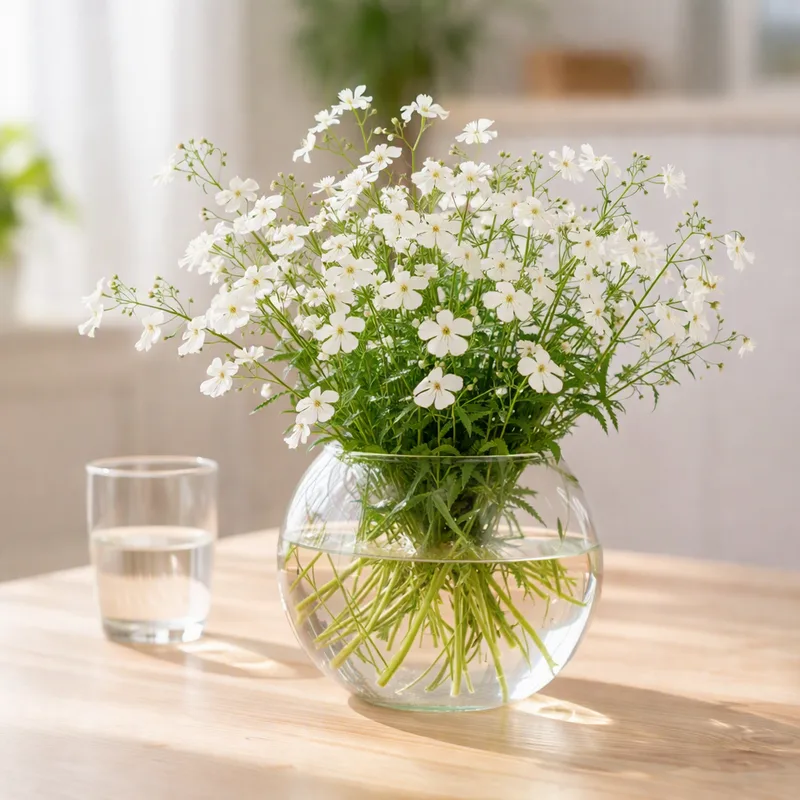
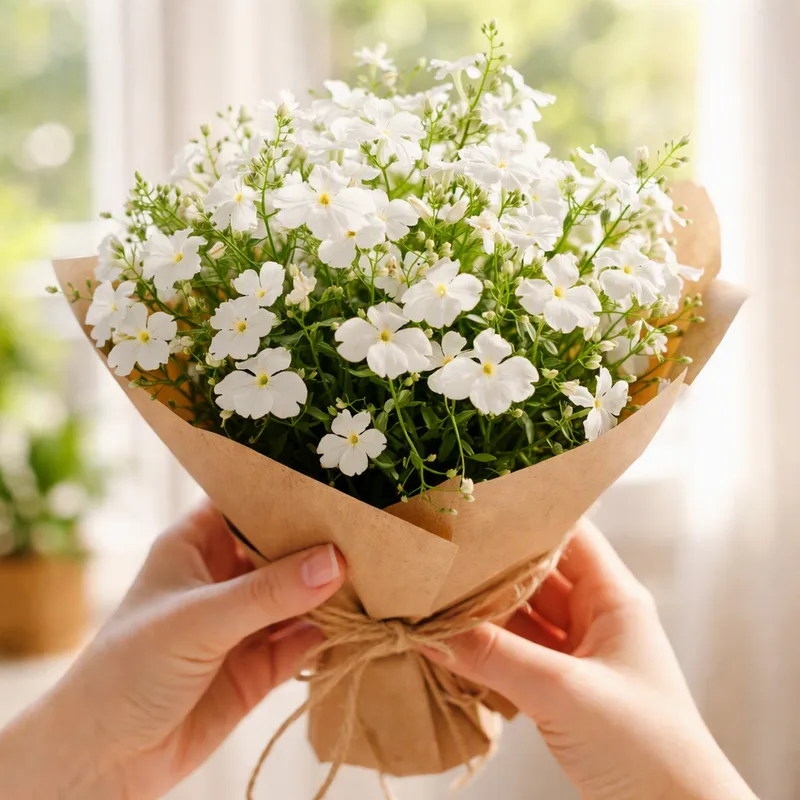
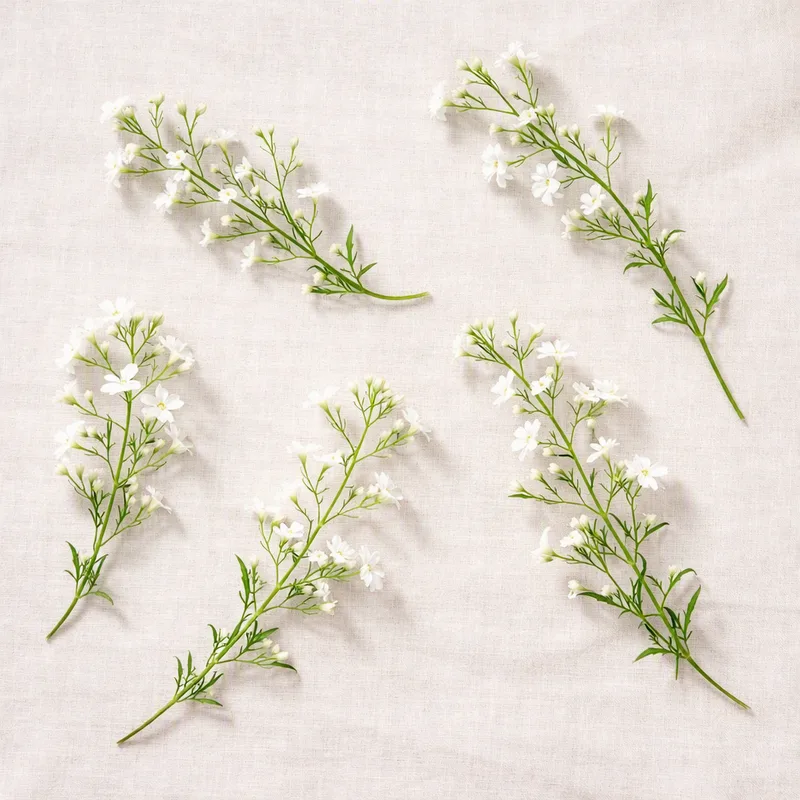
White-flowered lobelia is the same species as the familiar blue one, Lobelia erinus, selected for pure white blooms, though many have a faint blue or lilac flush. 'White Lady' is among the best-known named selections. The flowers are tiny, so the plants are valued in the mass, as a froth that spills over the rim of a pot rather than as individual specimens.
In the language of flowers white suggests purity and a clean start, which is why white schemes are popular around First Communion and Confirmation in late spring and for a wedding garden in early summer.
Good companions
White lobelia works as a calm link between stronger colours. Try it:
- under red geraniums in a window box, where it cools down the bright red;
- with silver foliage such as helichrysum in a basket;
- beside blue lobelia in a chequered edging.
Getting through the season
The plants cannot tolerate frost, so wait until nights are mild before planting them out. Set them in sun or light shade; a sheltered corner stops the thin stems from whipping about in a Dublin or Galway wind. Compost that dries out causes the flowering to stall, so water small pots every day in a dry spell and feed every second week.
Trim straggly growth back by roughly half in midsummer, water well and the plant usually sends up fresh flowers by late August. White flowers show brown petals more than blue, so a light tidy-up helps.
A note on safety
Lobelias carry alkaloids such as lobeline and are not for eating. The ASPCA lists the cardinal flower, a different Lobelia, as toxic to dogs, cats and horses, so keep curious pets away from the basket.