Searching for the white flower
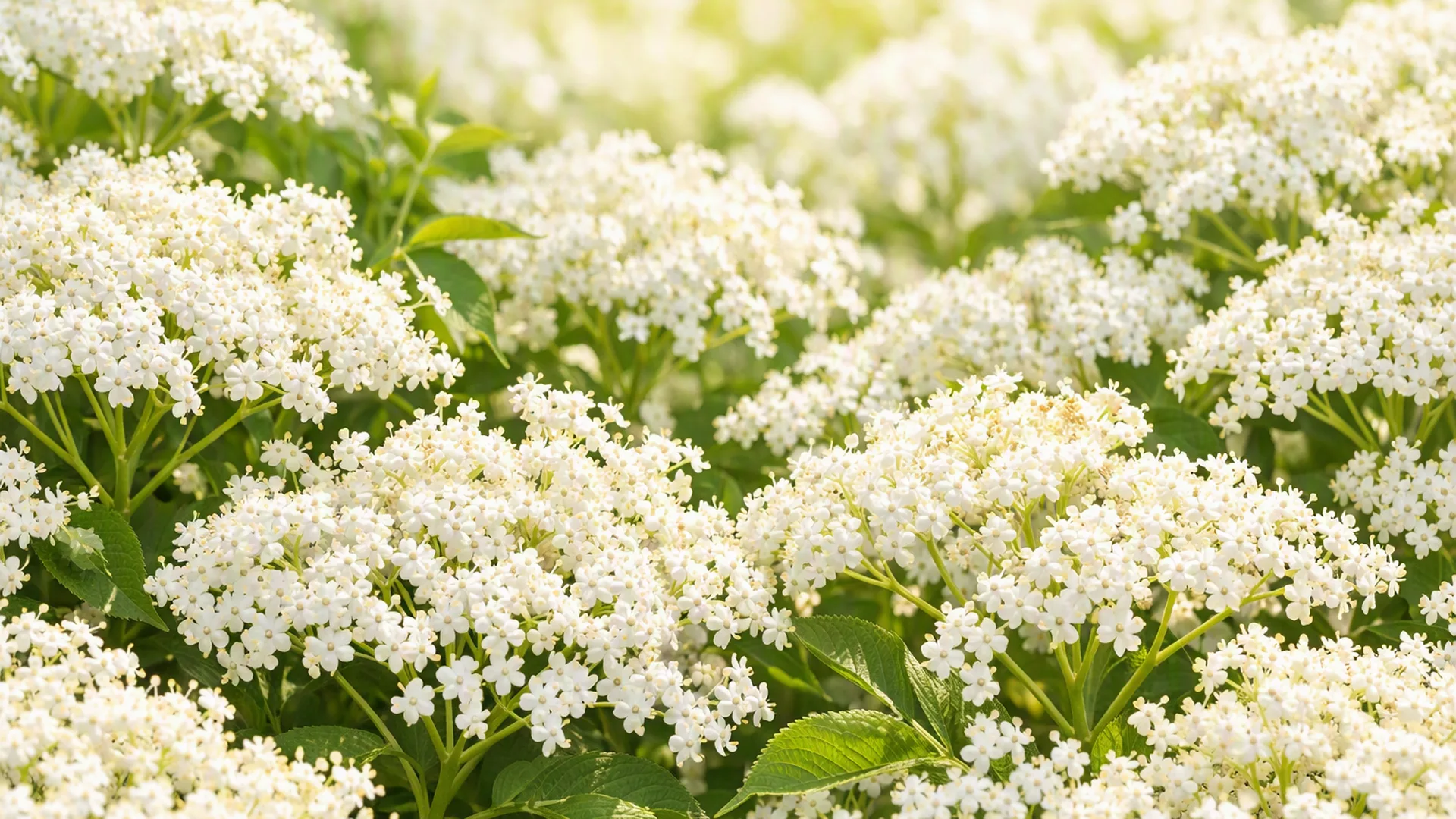
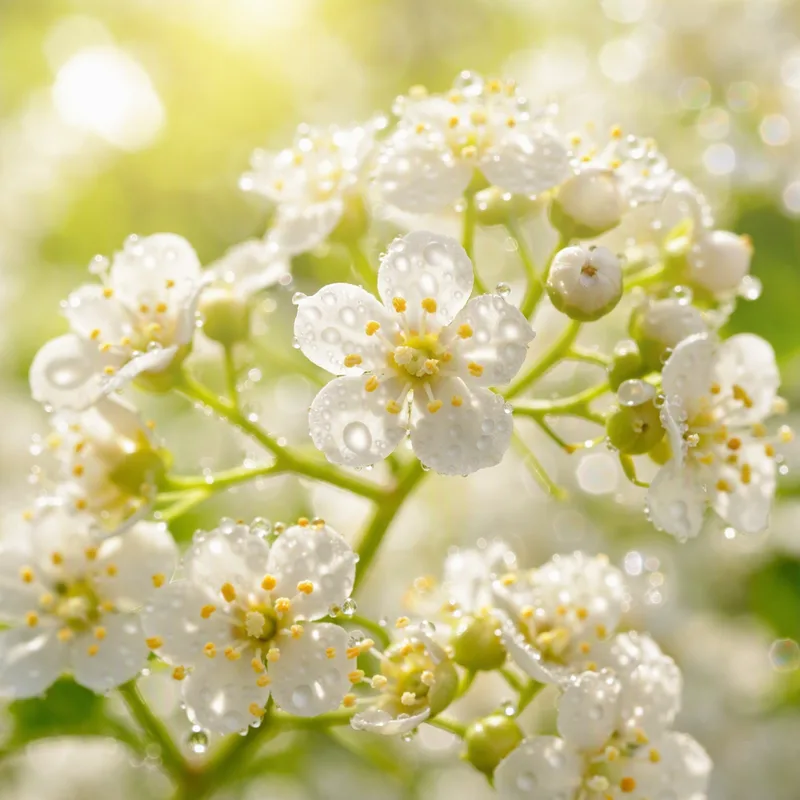
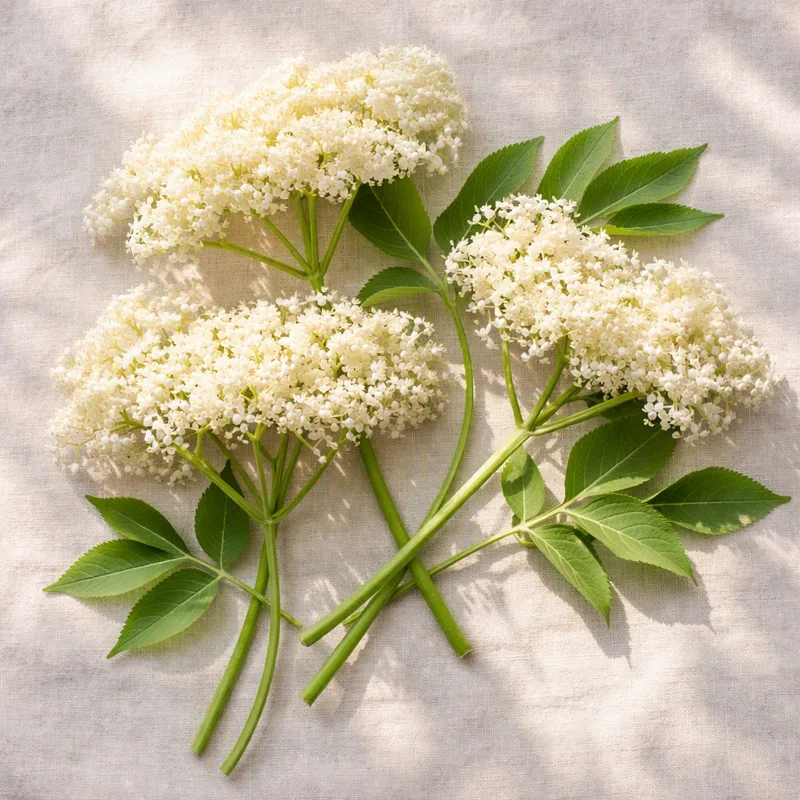
Plenty of people look up white elderflower to be sure they have the right plant. Look for flat-topped clusters up to about 24 cm across, packed with tiny five-petalled flowers. The leaves are in opposite pairs, each divided into five to seven toothed leaflets, and the young stems are hollow. The smell is sweet and slightly musky.
The tree flowers in late spring to mid-summer, so in Ireland you can expect the first heads in late May and the last in July.
A flower with a long kitchen history
Elder blossom has a long tradition in cordials and wine. Those who forage tend to pick on a dry morning and shake out insects. Take just the flowers: the green stalks and leaves are not edible, since all parts apart from flowers and ripe berries are poisonous to mammals.
- Never pick close to busy roads or fields that may have been sprayed.
- Take a share only, and leave plenty for pollinators and for berries later.
- If you aren't certain of the plant, don't pick it.
White elder in the garden and vase
A mature elder is an easy, tough garden shrub, but it needs space and can grow tall. Hard pruning in late winter keeps it in check and encourages fresh growth.
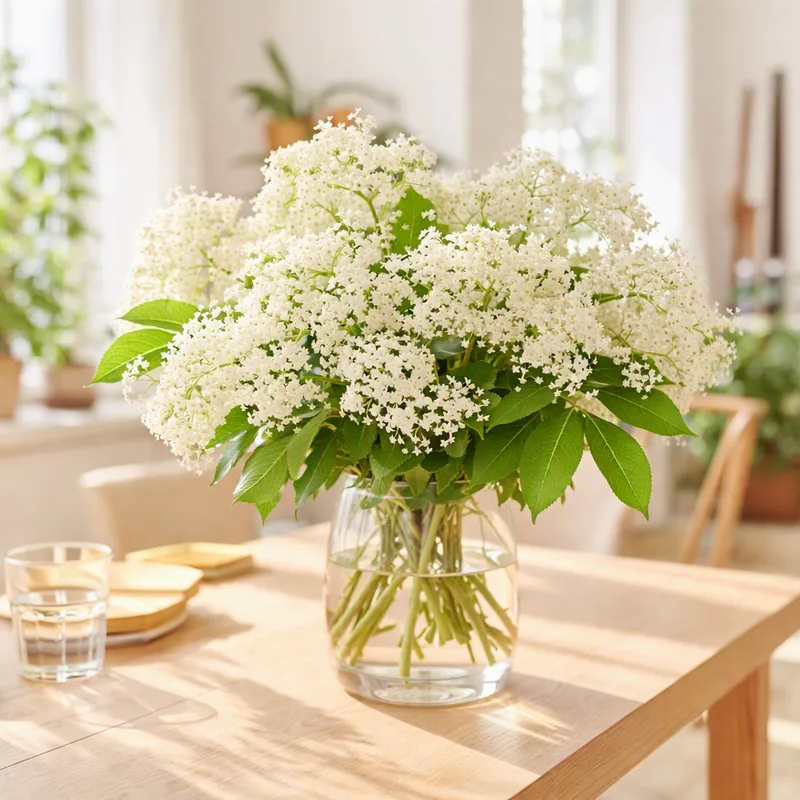
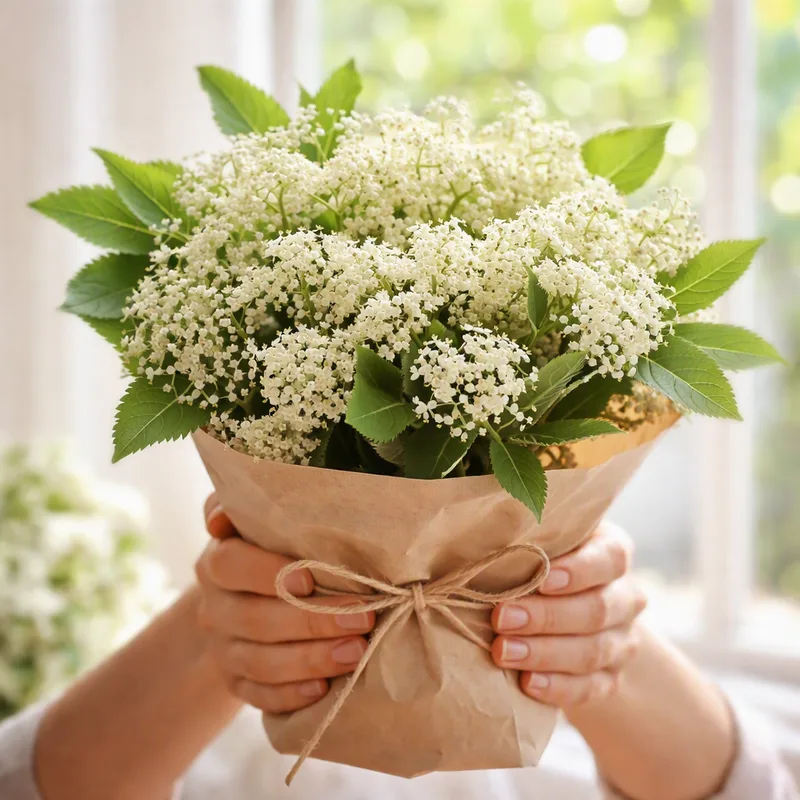
In flower arranging, white elder gives a wild, meadow-like look. Cut heads wilt faster than most flowers, so plunge them into water at once and keep them away from sun.
Handle with care
The green parts of elder are poisonous to mammals, so wild-picked heads should be stripped of leaves and stalks before the kitchen. Keep prunings away from horses, dogs and cats, and seek advice if anything is eaten by mistake.