

Shades of pink
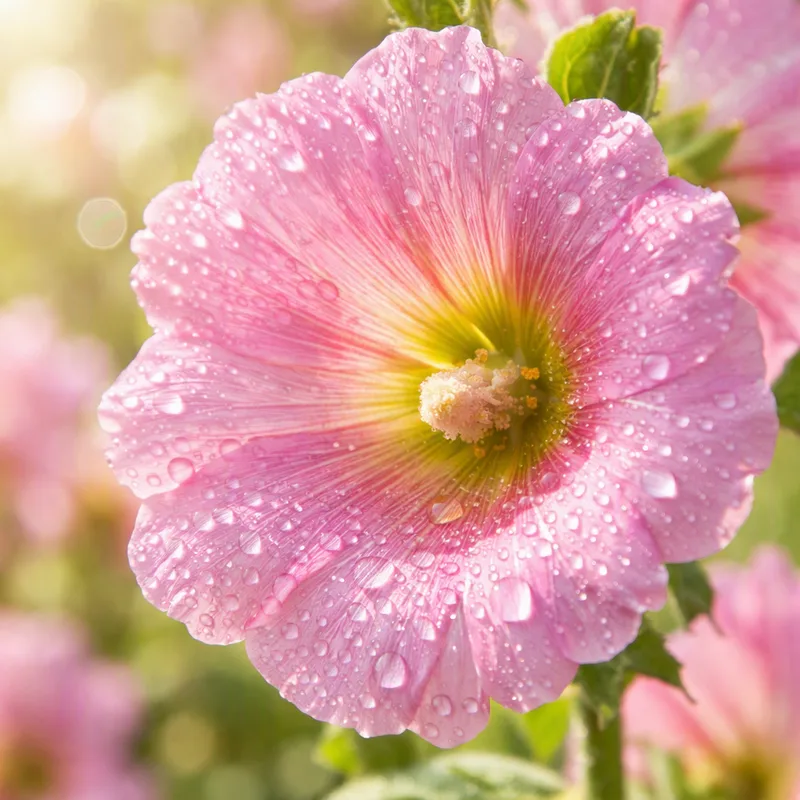
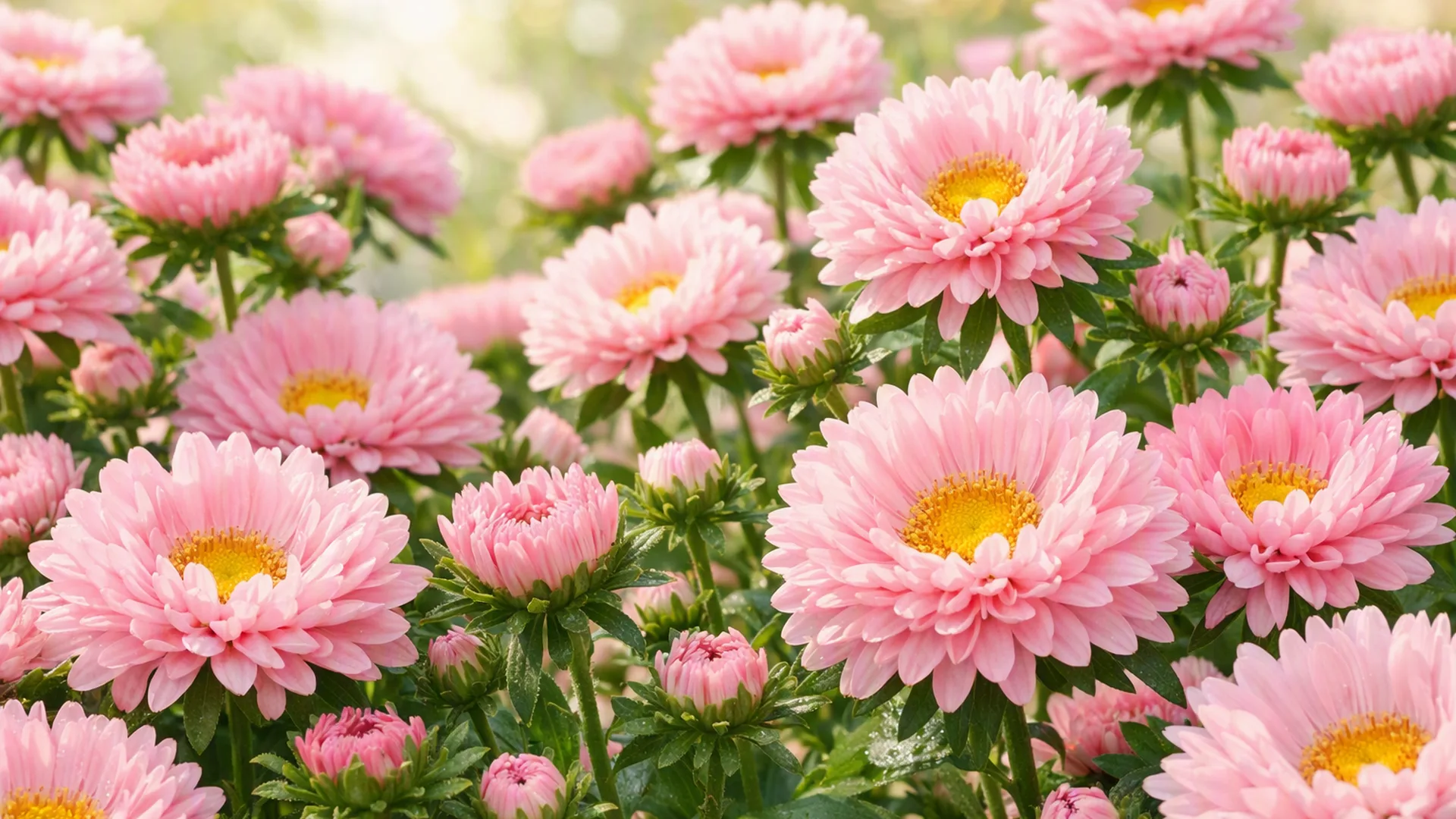
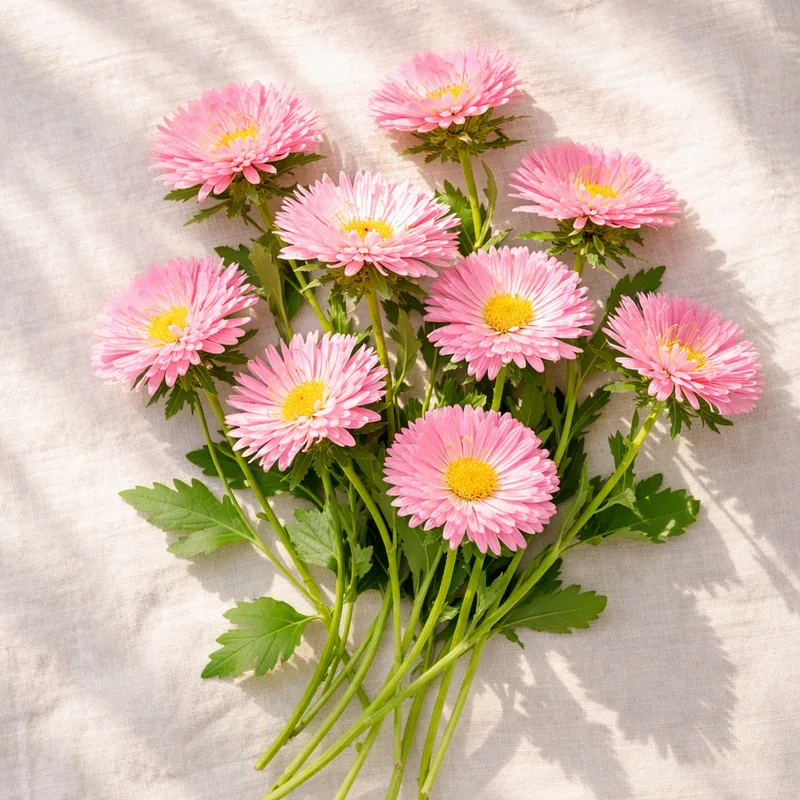
Pink is one of the most widely grown colours of Callistephus chinensis. The range includes baby pink, rose and magenta, and the flower shape can be a flat daisy, a quilled spider or a rounded pompom. All start from seed each spring, as the plant is an annual.
Pairing ideas
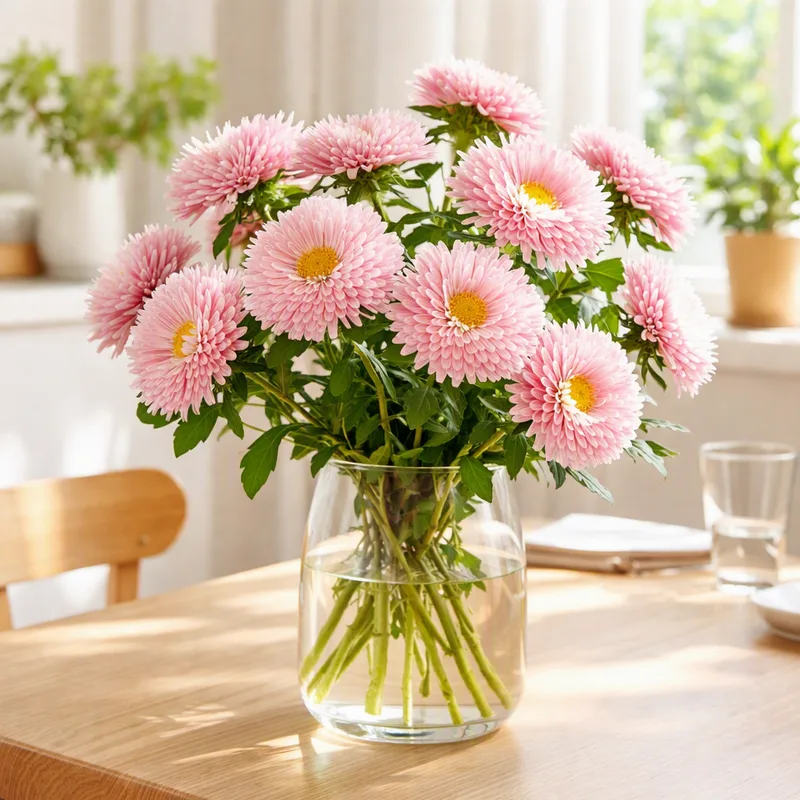
Pink China asters go well with grey foliage, white cosmos and dark blue salvias. In a vase they mix easily with greenery from the Irish garden, such as ferns and hebe cuttings.
Growing notes for a damp climate
- Raise seedlings under cover in March or April.
- Plant out after frosts have passed, in sun and fertile soil.
- Give them room, as crowded plants in humid weather get fungal problems.
- Rotate to a new bed each year to avoid fusarium wilt.
Pink asters are also less demanding than dahlias, since they need no lifting in winter.
Pick stems in the morning when the flowers are about two-thirds open, and strip the leaves below the water. Pink asters last about a week in a vase when the water is refreshed, and they look best in a low bowl with a few stems of grass.
History in a sentence
The species is native to China and Korea and has been cultivated for around 2,000 years. The genus name Callistephus is Greek for beautiful crown.
Pets and children
The ASPCA lists China aster as non-toxic to dogs, cats and horses. A little chewing on a petal is unlikely to hurt, though big mouthfuls of any plant can upset a stomach.