
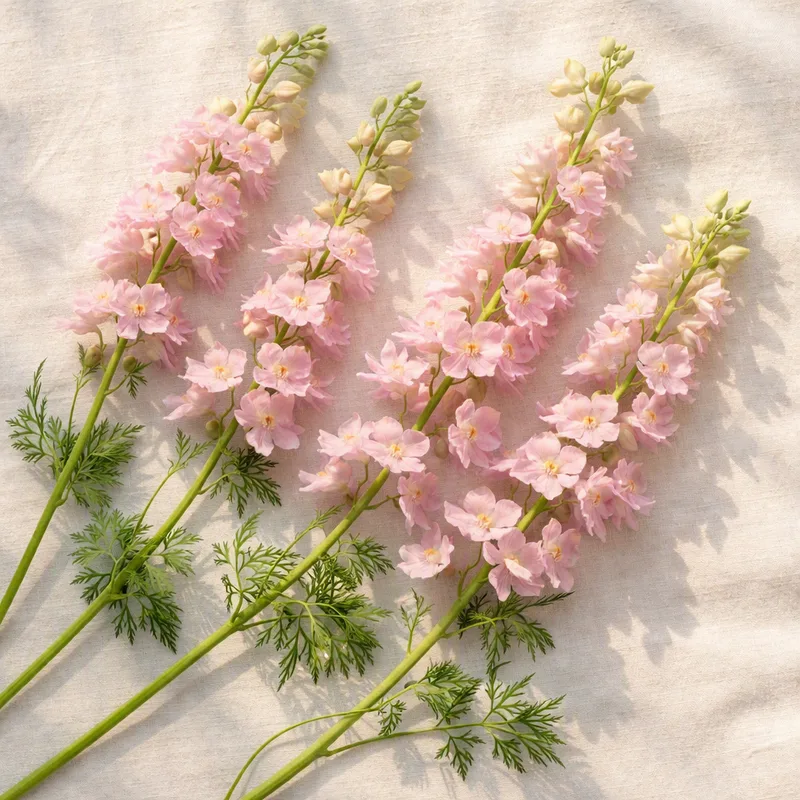
Soft rose and lilac spires
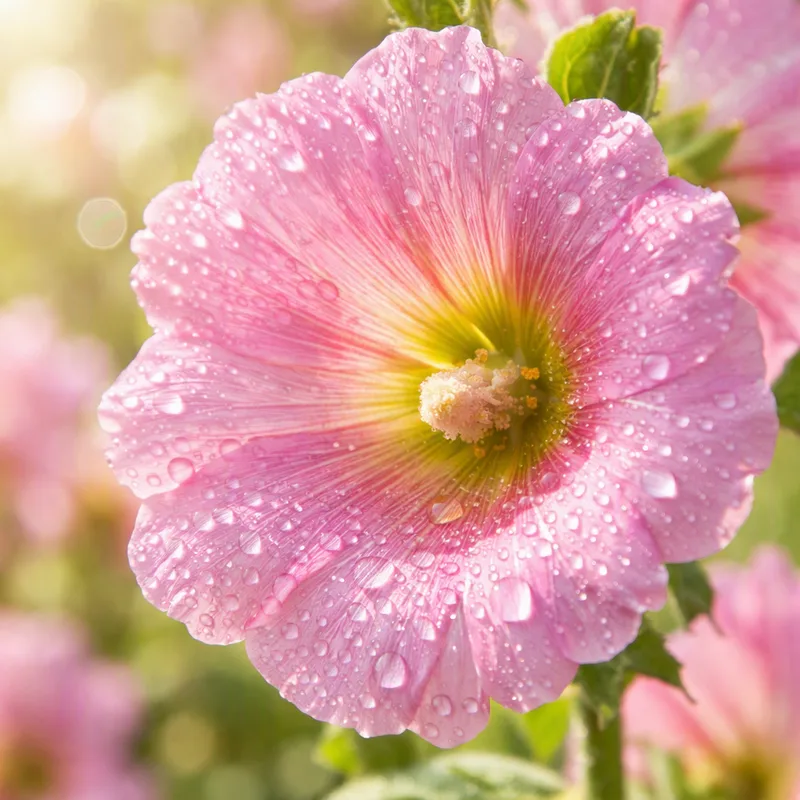
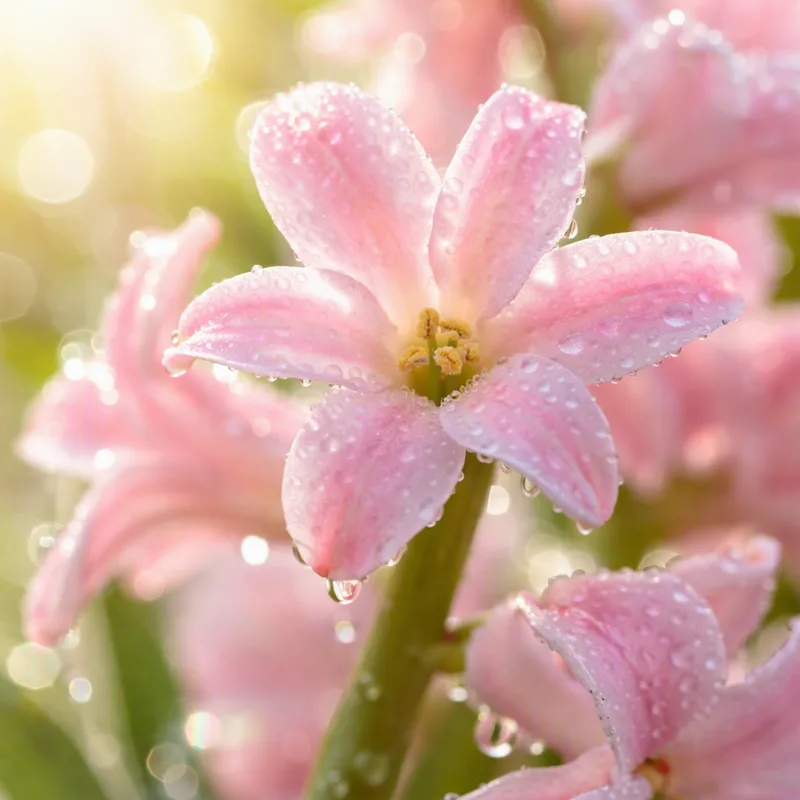
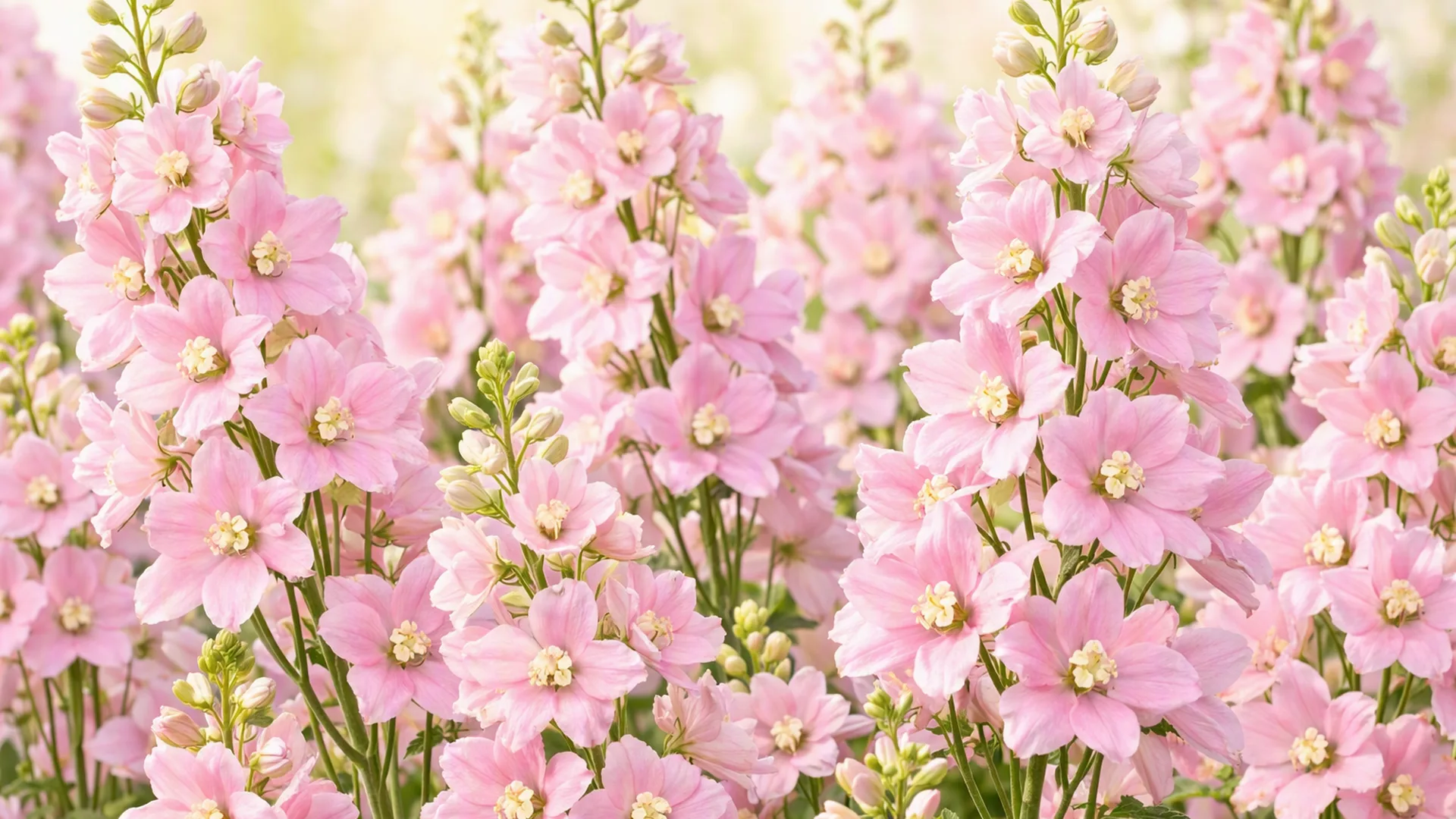
Delphinium hybrids come in soft pinks as well as blues. The Round Table series and other strains include lilac-pink and rose shades, often with a dark or white centre. Astolat is a common name for a pink-lilac strain and Guinevere a pale pink-lavender one.
Where pink fits
Pink delphiniums are lovely with old roses, foxgloves, lupins and the silver foliage of Artemisia. They flower in June and July, around the same time as many roses.
Pink also tones with silver-leaved plants and with soft blue campanulas. If you mix pink with blue delphiniums, keep the shades near to each other so they harmonise.
Ireland-specific tips
- Slugs are the main threat in the damp west and midlands. Use barriers or traps from the moment shoots appear.
- If your soil is peaty and acid, add lime or ground limestone, which delphiniums appreciate.
- Windy gardens need staking and, where possible, shelter from walls or hedges.
- Divide or take basal cuttings in spring to renew old clumps.
Cuttings taken from basal shoots in spring root quickly in a cool, moist frame, which is a good way to keep a favourite colour.
Colour fading
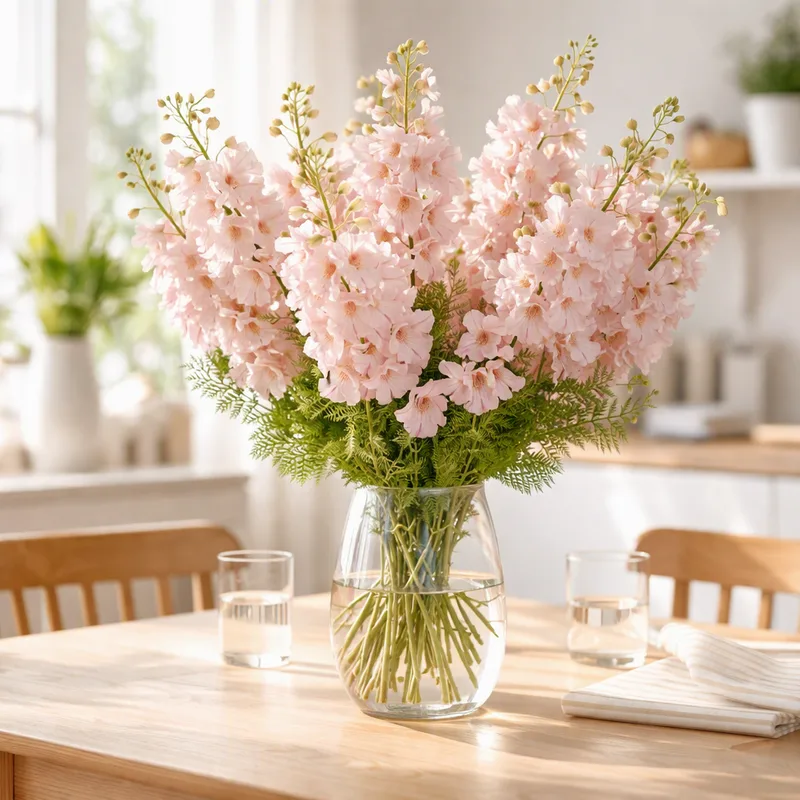
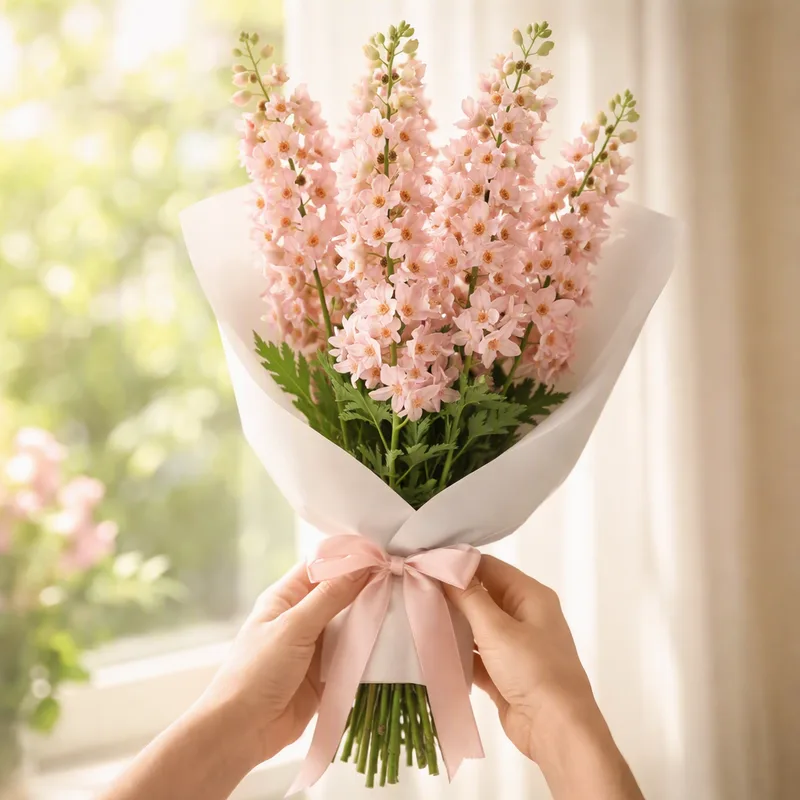
Pink pigments fade in strong sun and spotty rain. Cutting spikes in the cool of the morning gives the best vase display, which should last five to eight days.
Deadheading the main spike encourages smaller side spikes and often a second flush as summer ends.
Toxic if eaten
Dogs, cats and horses should not eat any part, as the ASPCA rates delphinium as toxic. Wear gloves when you handle it.