A bulb from the eastern Mediterranean
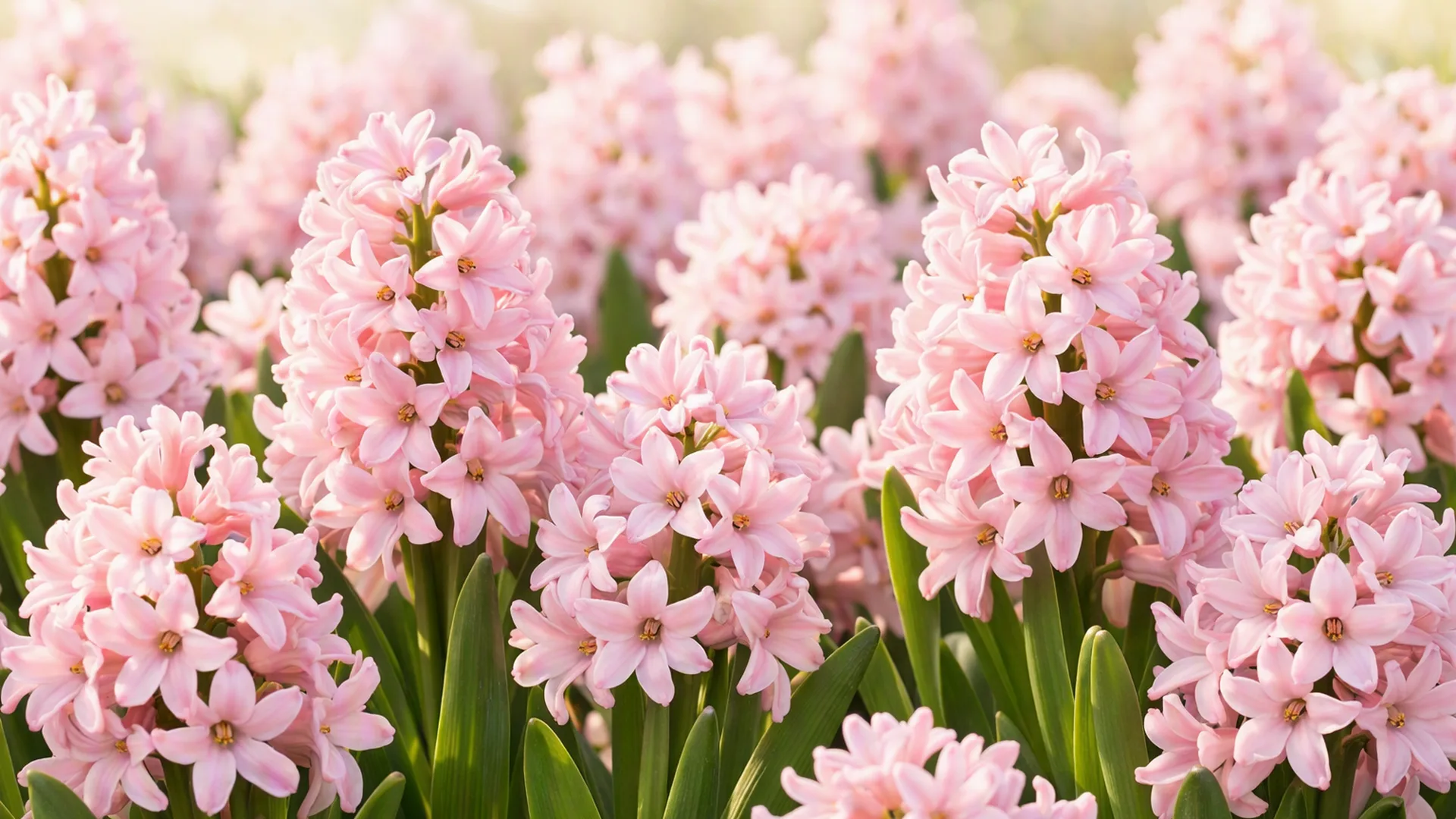
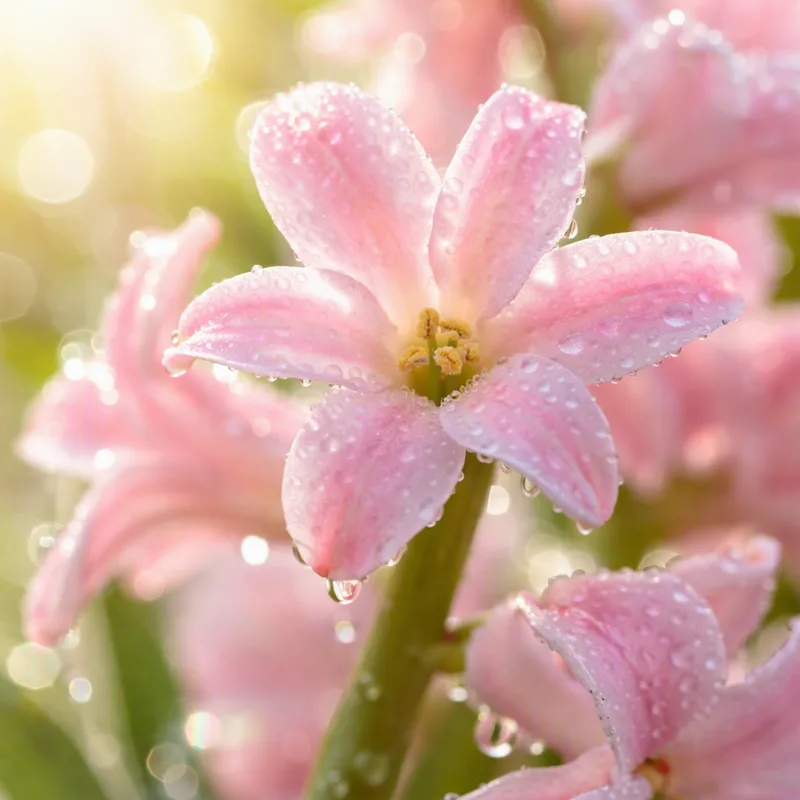
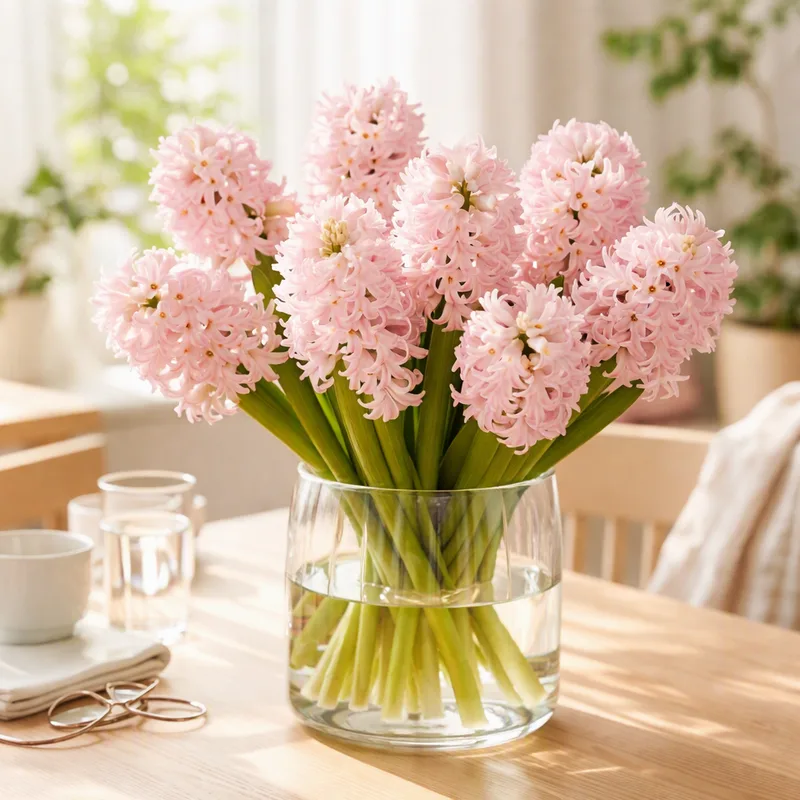
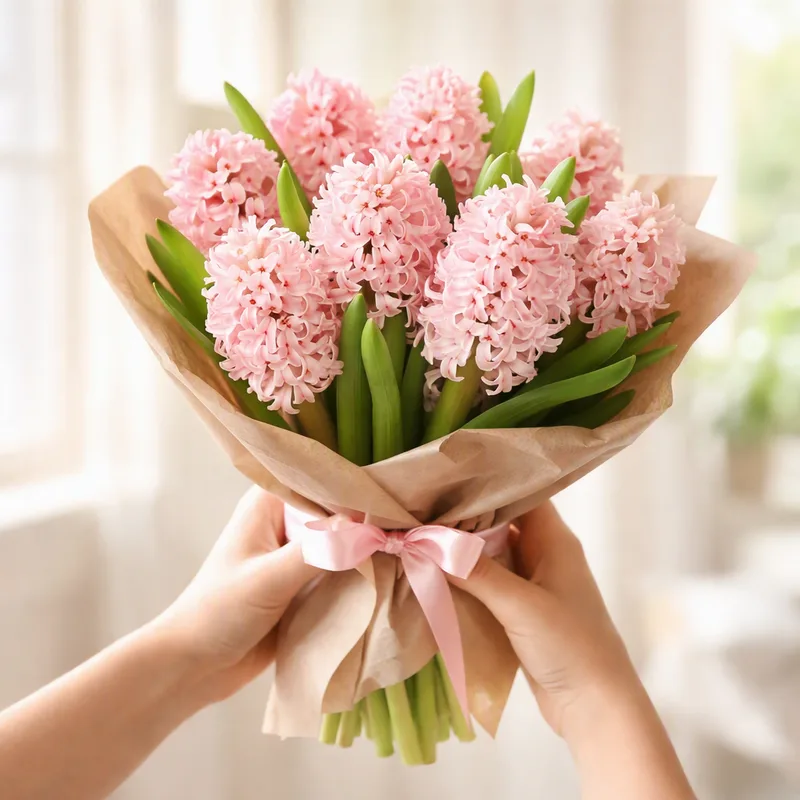
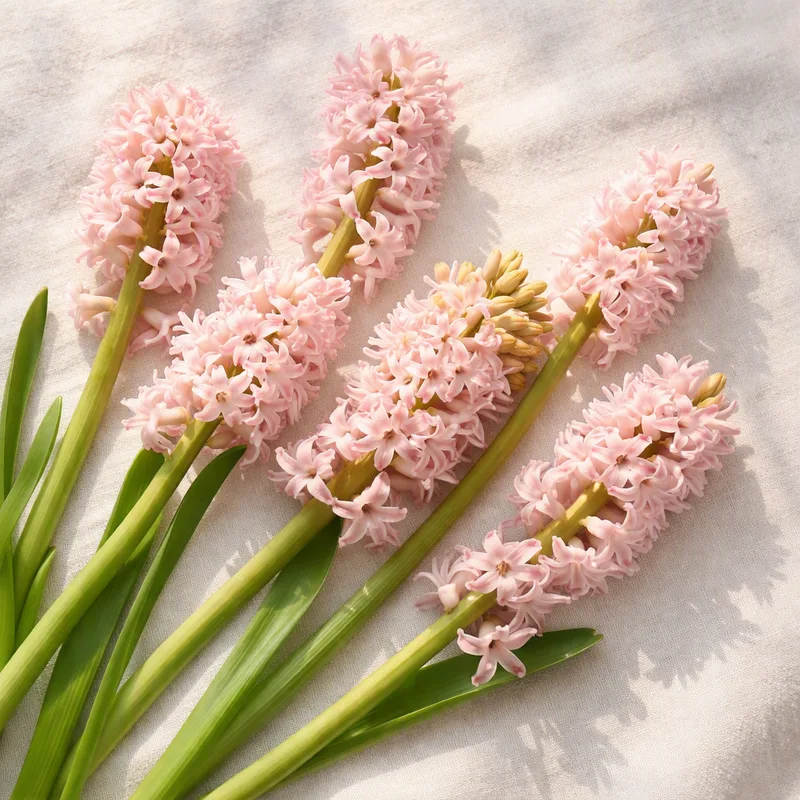
The common hyacinth is native to western Asia, from southern Turkey through Syria and Lebanon to northern Israel. It reached Europe in the 16th century, and the thick spikes sold now descend from Dutch breeding. Each spike carries dozens of small, waxy bells packed tightly around one stem, and the scent is strong enough to fill a small room.
The name is borrowed from Greek myth: Hyakinthos, a youth whose spilled blood was said to have given rise to the flower. That tale is part of why hyacinths turn up in poems and spring festivals across Europe.
Planting and forcing in an Irish winter
Our mild, damp winters suit hyacinths well, and the bulbs are fully hardy here. The RHS advises planting with the nose up, about 10 cm deep and at least 7.5 cm apart, in free-draining soil. Heavy, wet clay is the main enemy, because a bulb sitting in cold water will rot long before it flowers. Mix in grit, or choose a raised bed.
For indoor colour at Christmas, look for bulbs sold as prepared. They are kept cool and dark for several weeks until a pale shoot appears, then moved to a bright, cool windowsill. Away from radiators the flowers last far longer.
- Outdoors: plant in autumn, flowers arrive in March to April.
- Indoors: pots or glasses, cool room, turn the pot so stems stay upright.
- After flowering: let the leaves die back naturally, then lift or leave the bulb in free-draining ground.
Keep pets away from the bulbs
The ASPCA lists hyacinth as toxic to dogs, cats and horses, and the bulb is the most dangerous part. Signs include intense vomiting, diarrhoea (sometimes with blood), depression and tremors. If a pet has chewed any part of one, contact your vet straight away. Gloves are sensible when handling bulbs, as the juice irritates the skin of some gardeners.