
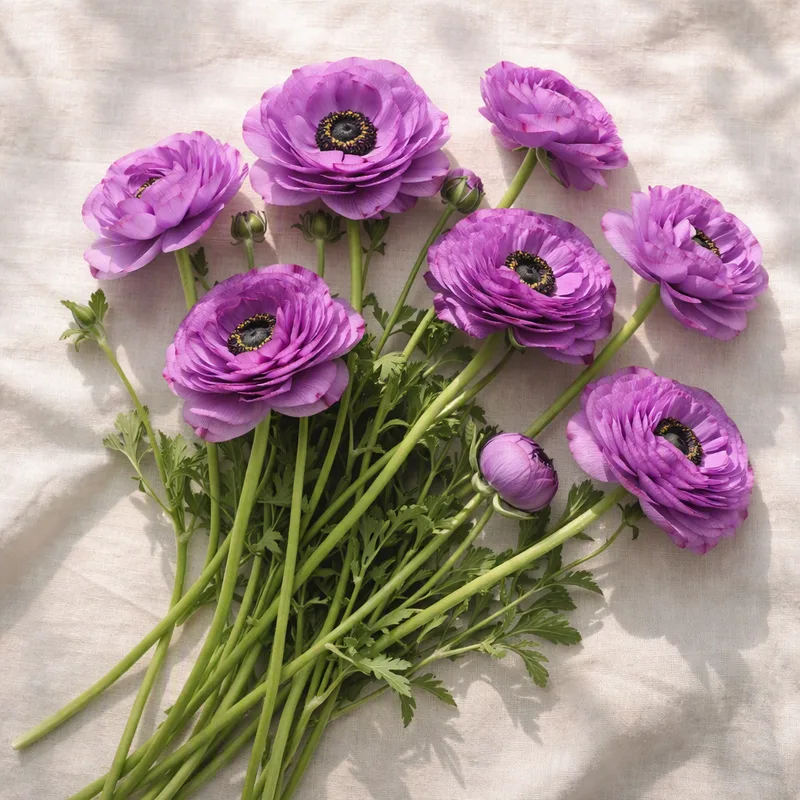
A Mediterranean buttercup in a rose's clothes
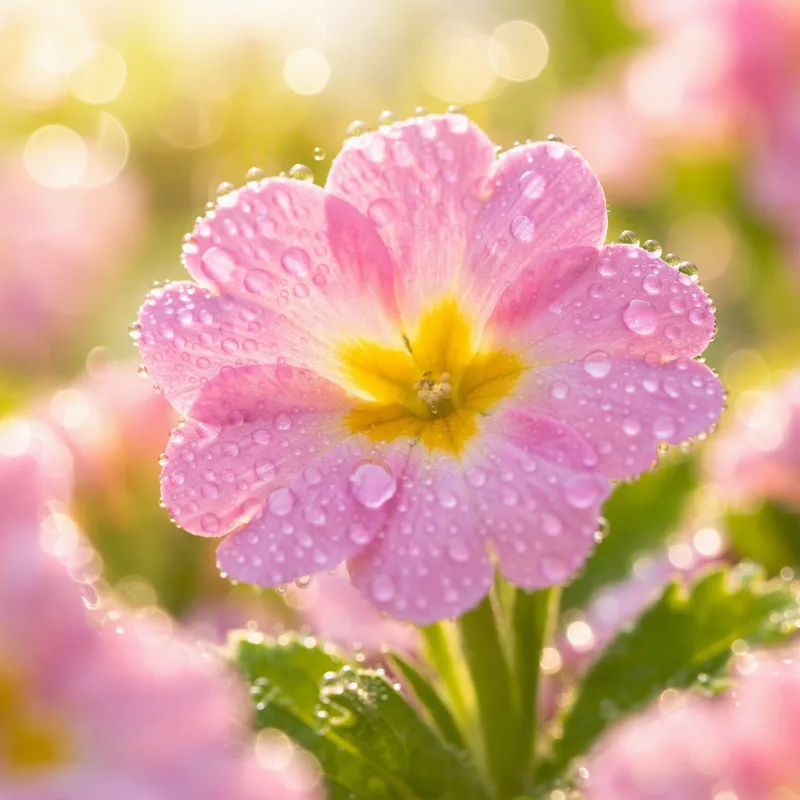
The Persian buttercup grows wild in the eastern Mediterranean, south-western Asia and north-eastern Africa, including the Greek islands of Crete, Karpathos and Rhodes. It is a herbaceous perennial up to about 45 cm tall. The wild flower is simple, only 3 to 5 cm across, in red, pink, yellow or white.
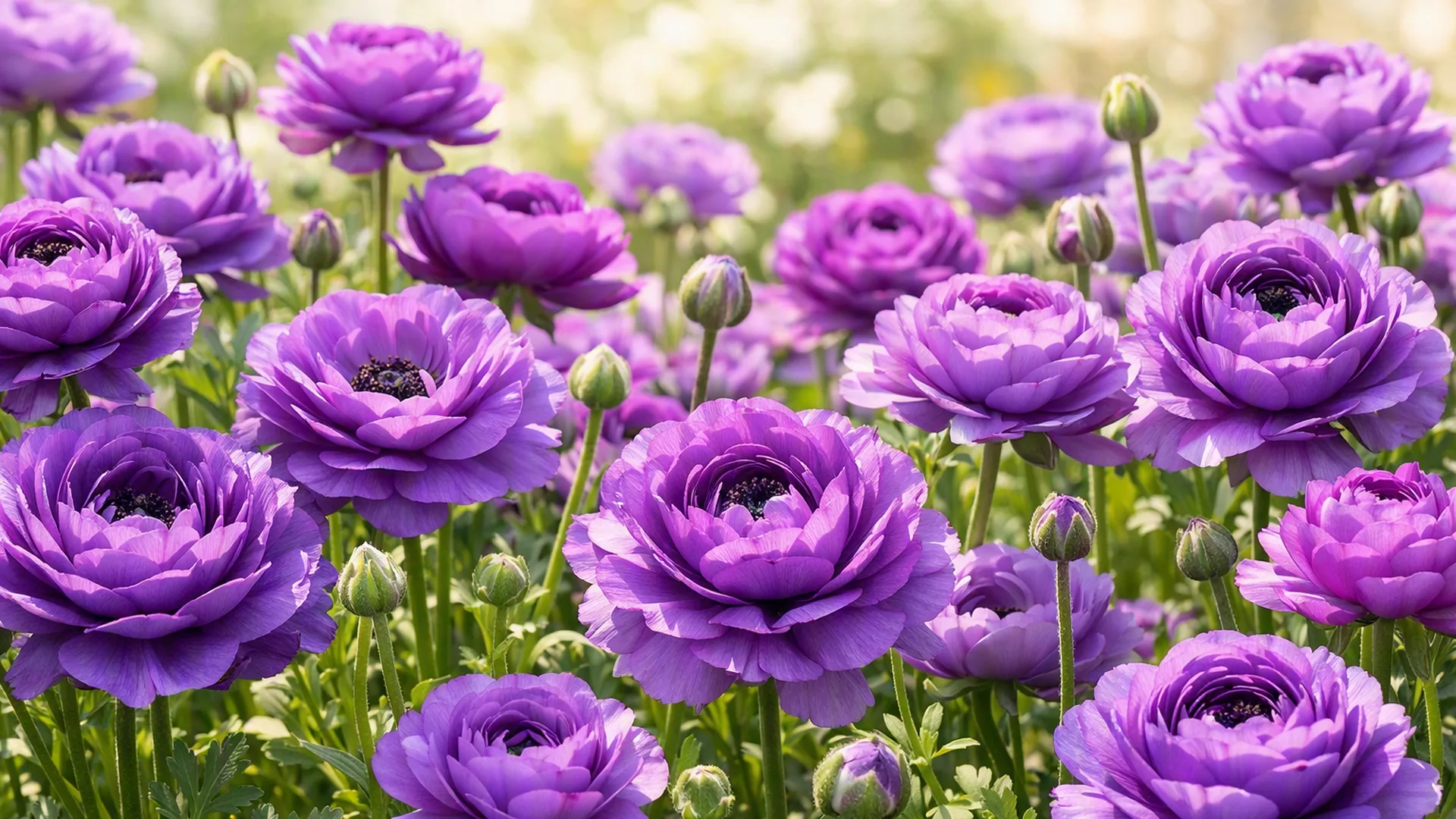
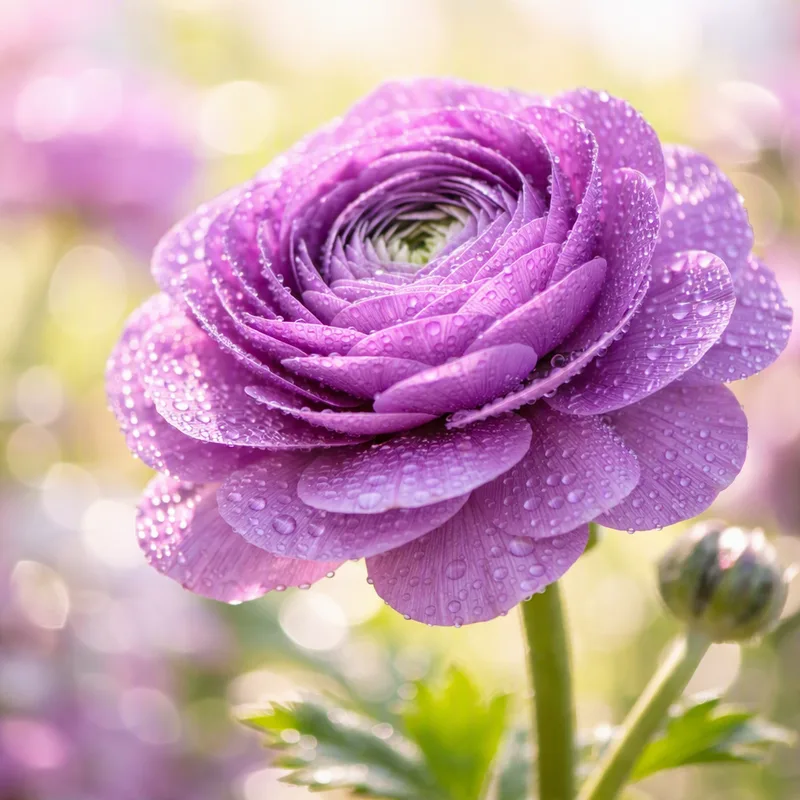
The ranunculus you meet in a flower shop is a different-looking thing. Breeders have produced double forms with petal stacked on petal, until each bloom resembles a tiny rose or peony. The single wild type is hardly grown commercially any more.
Related to our meadow flowers
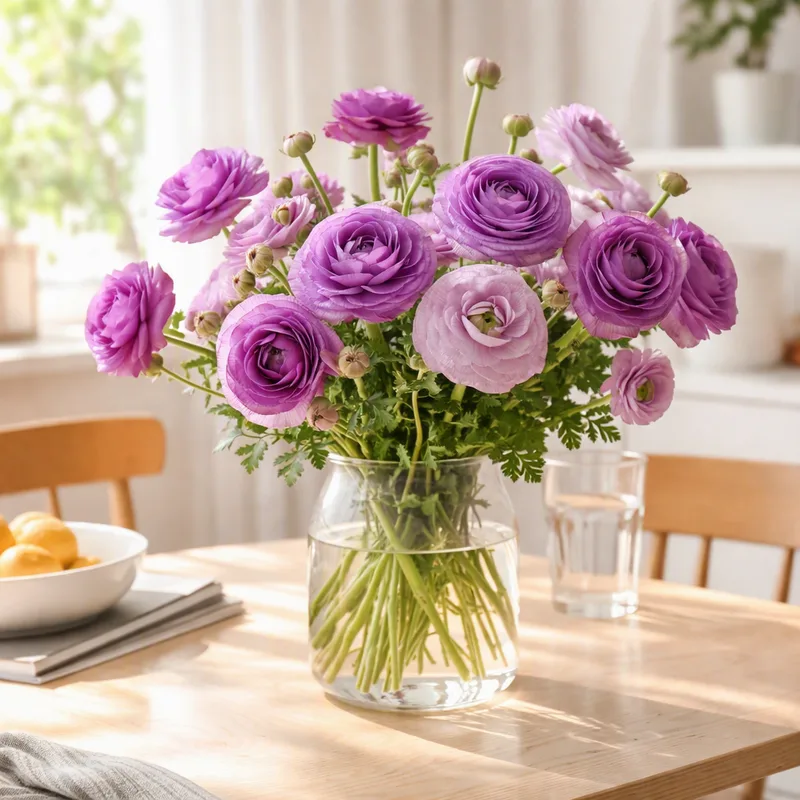
The name belongs to the genus Ranunculus, which also takes in the yellow buttercups of Irish fields. The garden plant grows from small, claw-shaped tubers and likes cool, bright weather. Cut stems are hollow and fragile, so they sit best among firmer flowers.
Growing in Ireland
- Plant the tubers in pots under cover in late winter, or outdoors once hard frosts are over.
- The plants tolerate light frost but are not hardy below about minus 10 degrees Celsius. Cold, wet soil is a bigger risk in Ireland than low temperatures, so make sure drainage is sharp.
- Full sun and a fertile, free-draining soil give the strongest stems.
- Water moderately; soggy ground rots the tubers.
Our mild springs suit them well, and flowers usually appear in late spring.
Irritant sap
Buttercup family plants contain protoanemonin, an irritant. The ASPCA warns that dogs, cats and horses can develop vomiting, drooling and mouth ulcers after chewing them. Stand vases out of reach and call a vet if you suspect a pet has chewed stems.