

Pink is the exception
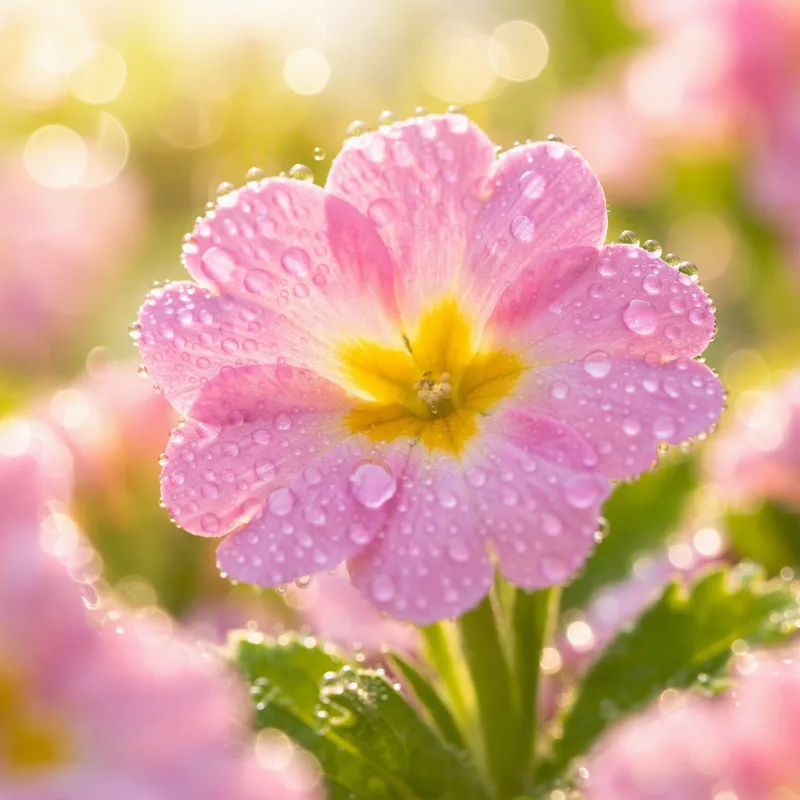
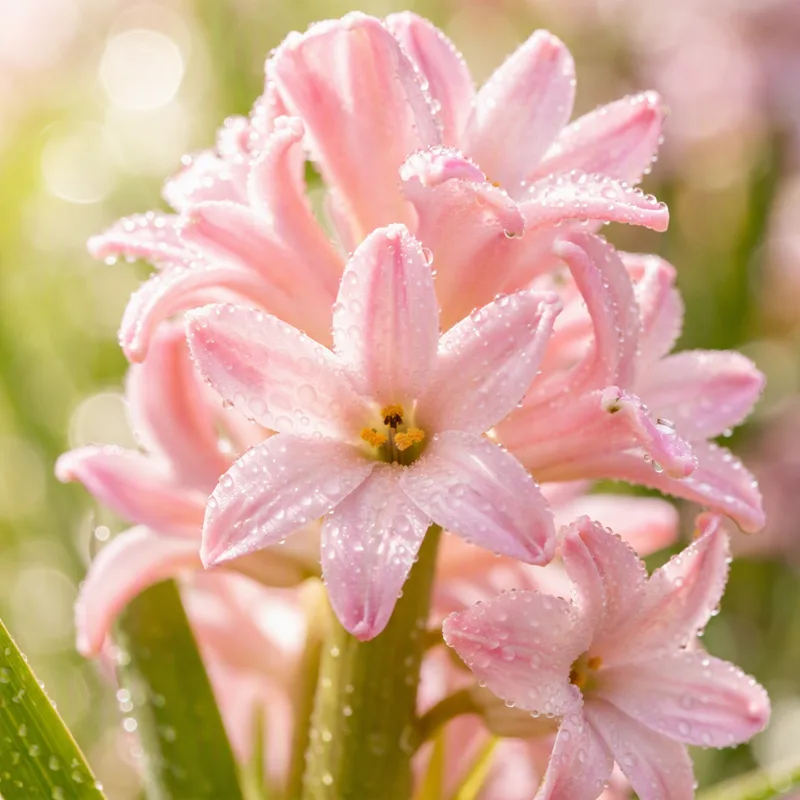
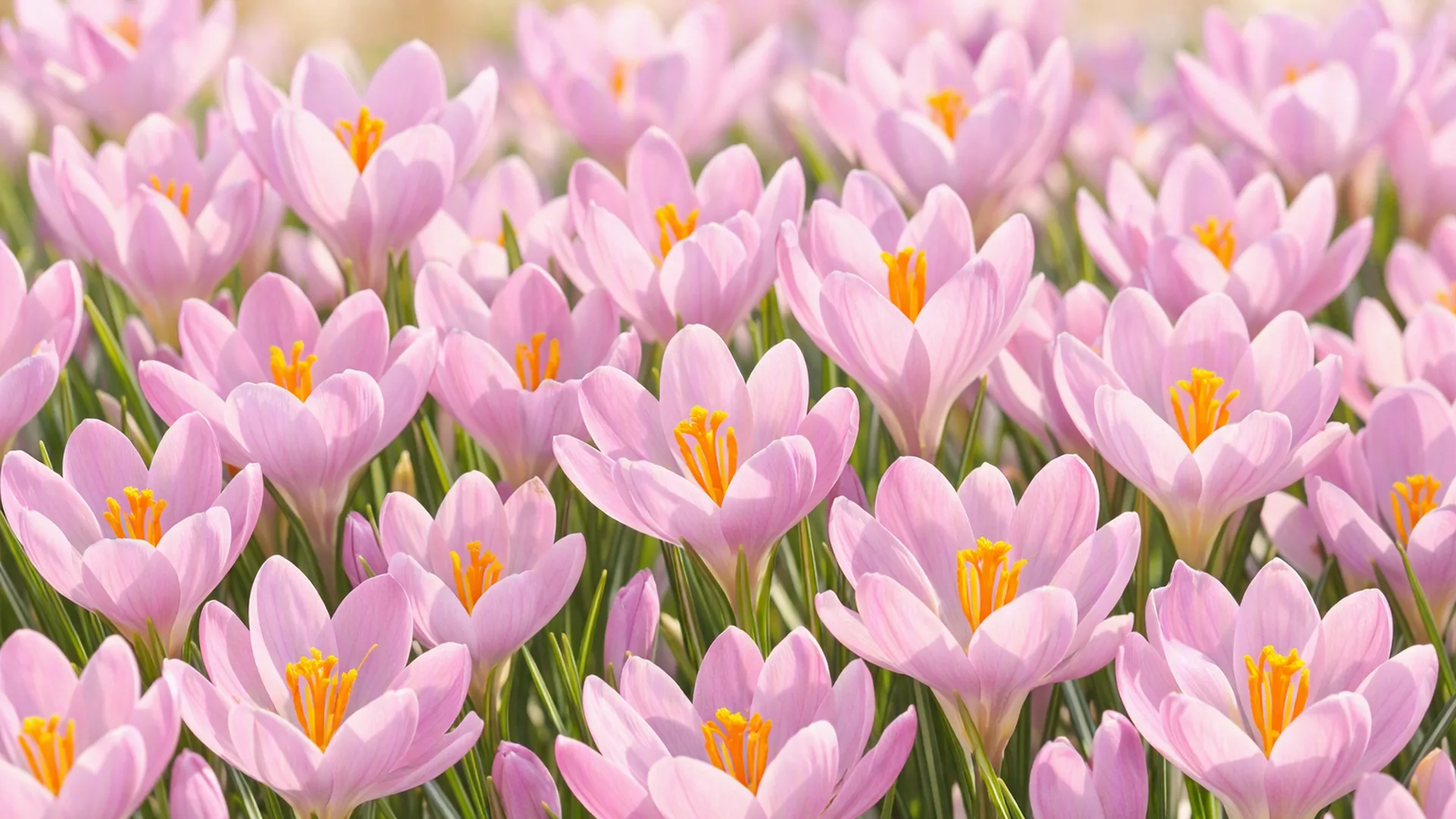
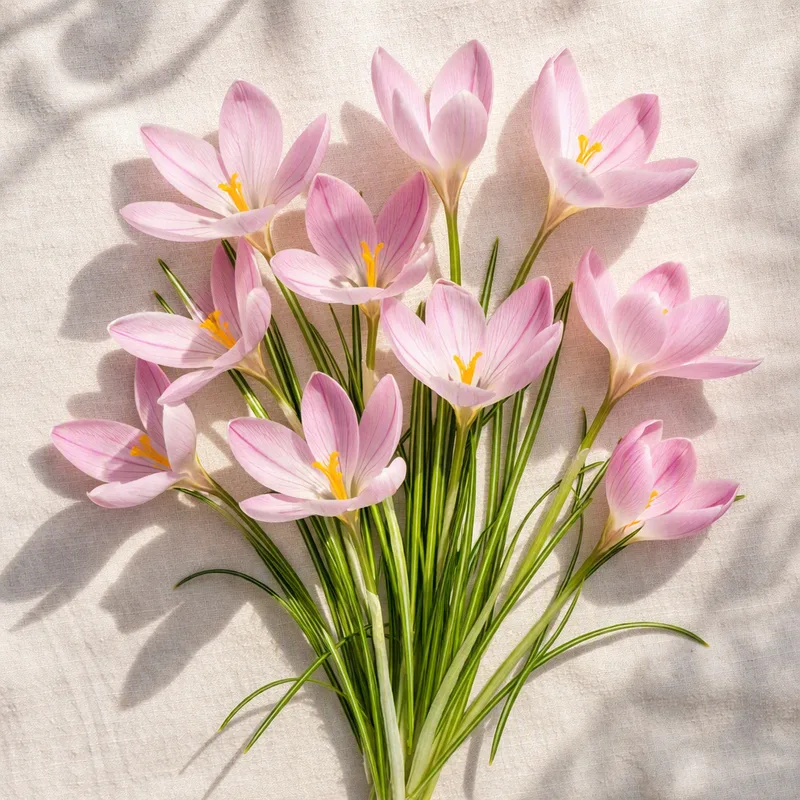
Among crocuses, lilac, pale violet, yellow and white dominate, and a flower of pure pink is unusual. Many varieties described as pink or rose are pale pinkish-lilac or bluish-pink, or white with lilac veining. Photographs on packets often look pinker than the flowers do in the garden.
If you care about the exact shade, read the variety description and look for a picture of the open flower. Light changes the impression as well: in the afternoon, violet often looks warmer and pinker than in the morning. The name "pink snow crocus" usually points to a snow crocus (Crocus chrysanthus) type with a soft rosy tone, so look closely before buying.
Planting plans
Pink-lilac crocuses go with white snowdrops, yellow winter aconites and the blue of scilla. In lawns they flower from late February. For a coordinated spring garden, mix pink-lilac and white and keep yellow to a minimum.
Care in brief
- Plant corms about eight centimetres deep in September or October.
- Choose sun to partial shade with no waterlogging.
- Leave the leaves to die back after flowering.
- A leaf mulch around the planting area helps.
Bees and bumblebees visit the flowers on the first mild days.
Pets and the look-alike
The ASPCA says spring crocuses can upset the stomach of cats and dogs. Meadow saffron or autumn crocus (Colchicum autumnale) looks similar but is much more toxic, including to people. Call the National Poisons Information Centre if someone has eaten an unknown bulb.