Pink among the primroses
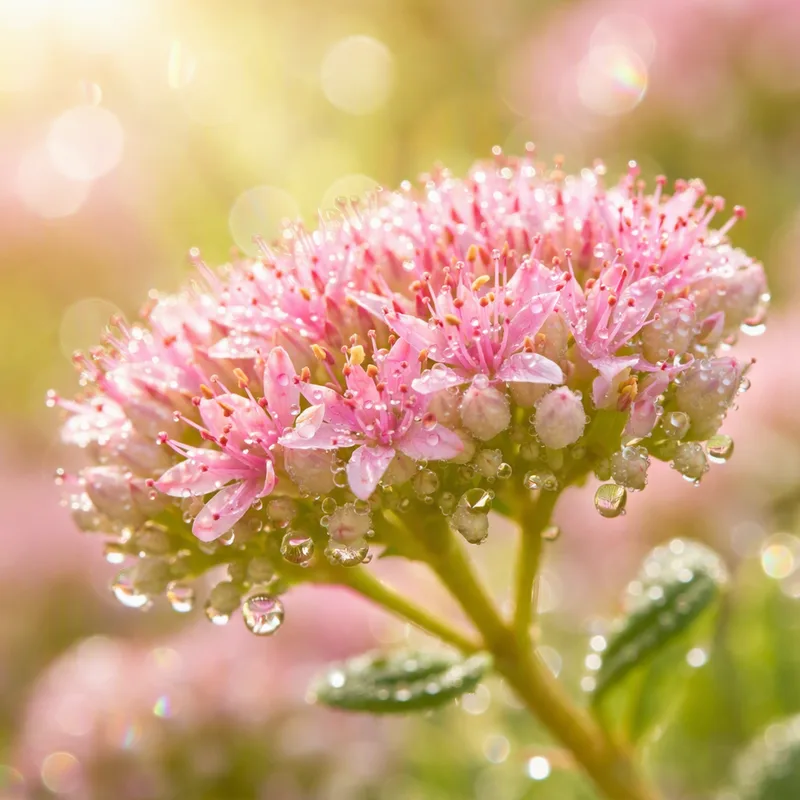
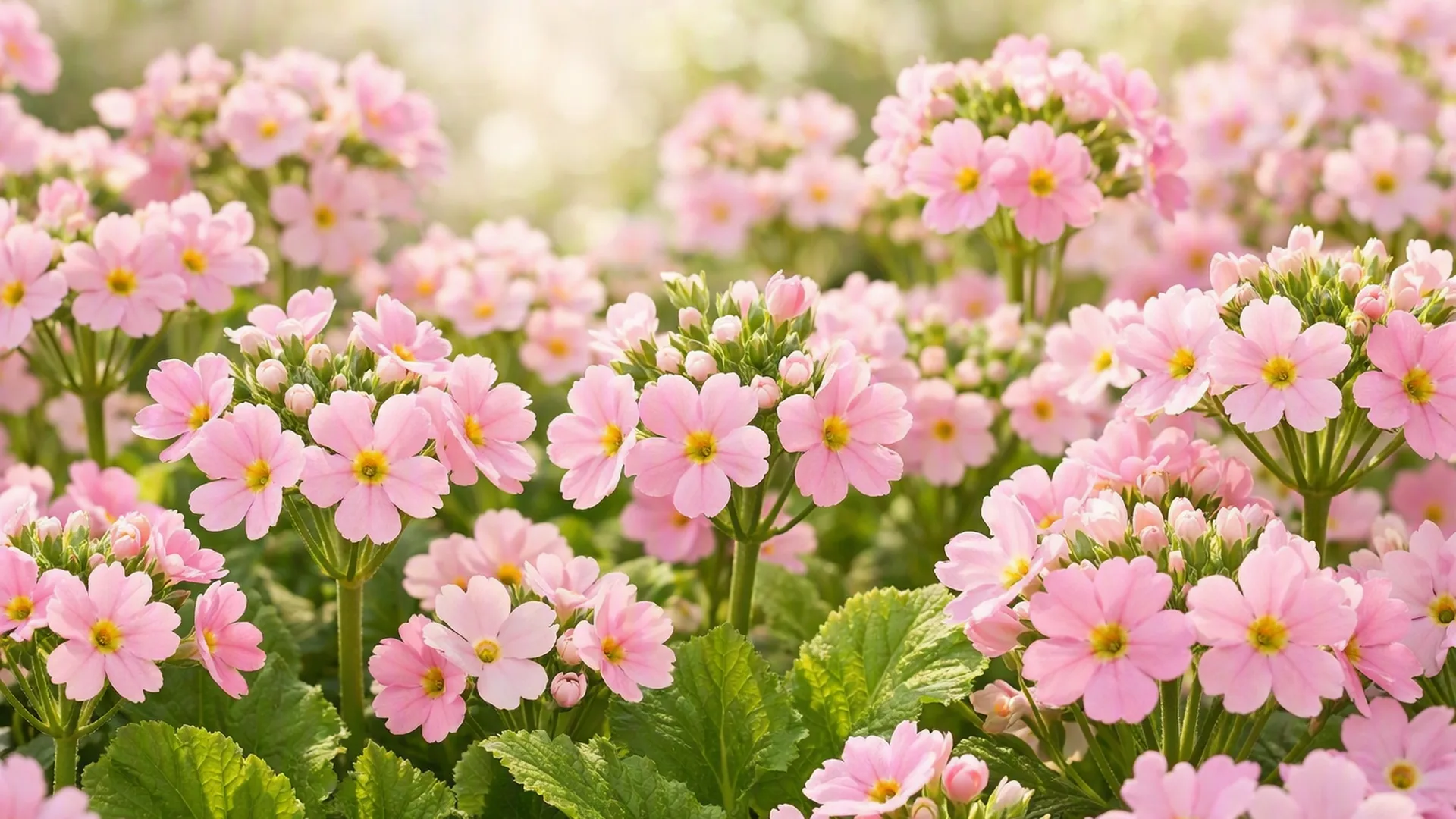
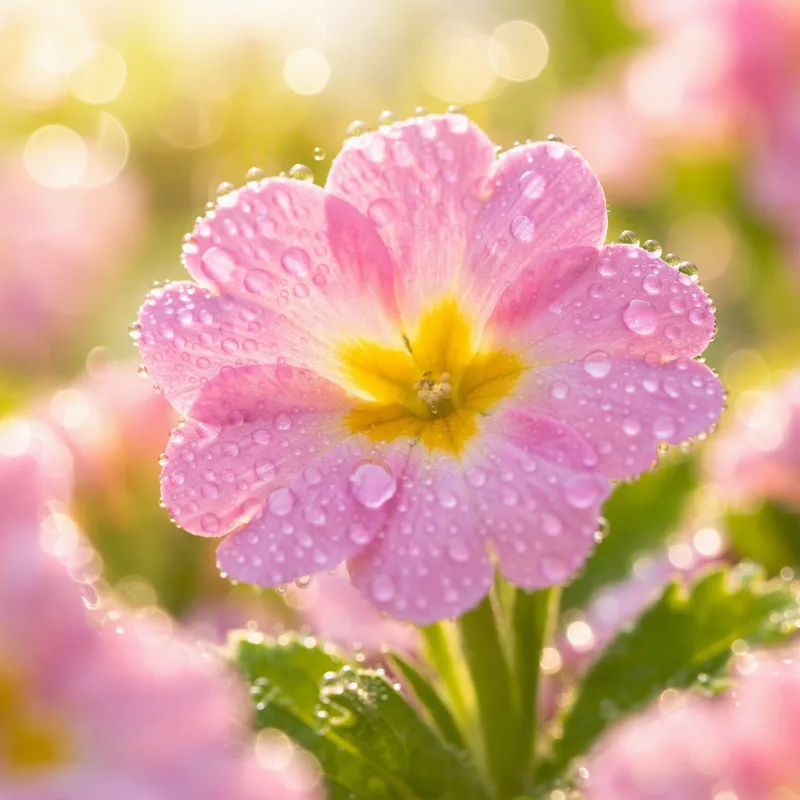
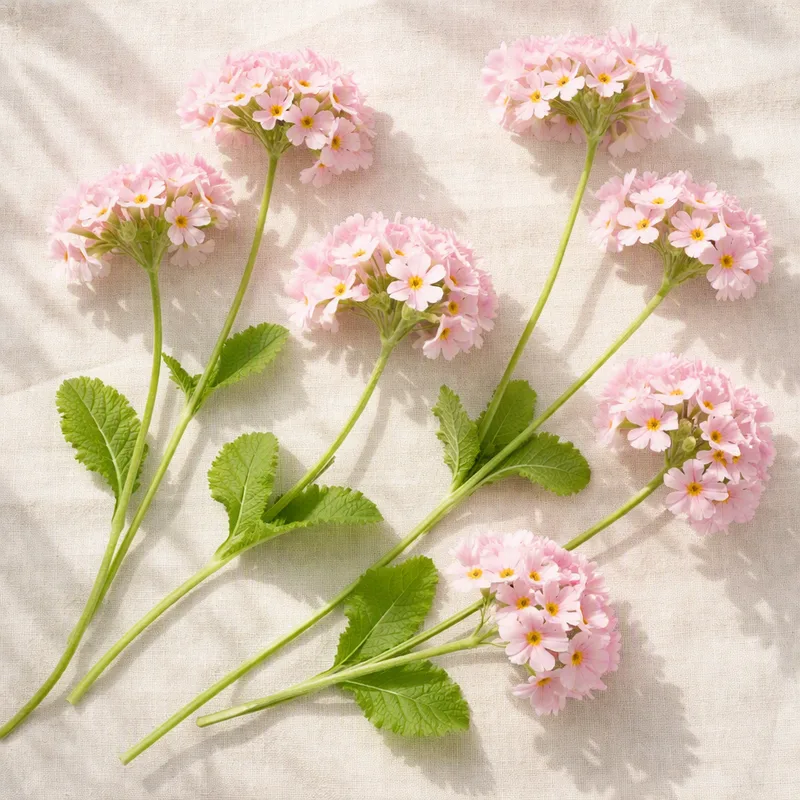
Pink is a natural variant in the primrose family. Wild populations of Primula vulgaris, mostly yellow, sometimes include a pink form, possibly a genetic variation rather than a garden escape. In shops, pink primulas range from pastel to hot cerise, and many have a lemon-yellow centre.
Pink for gifts
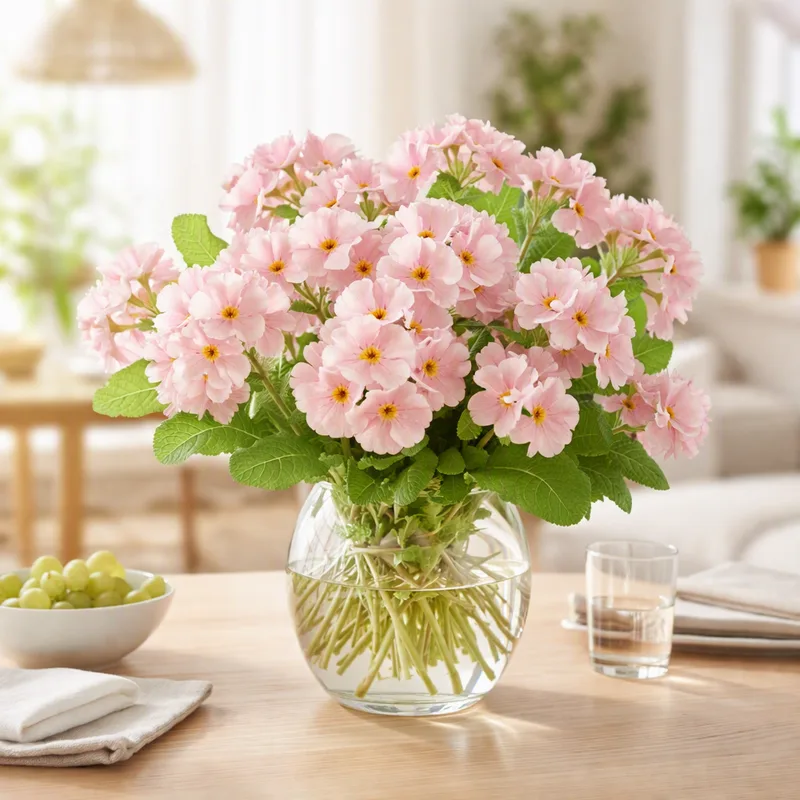
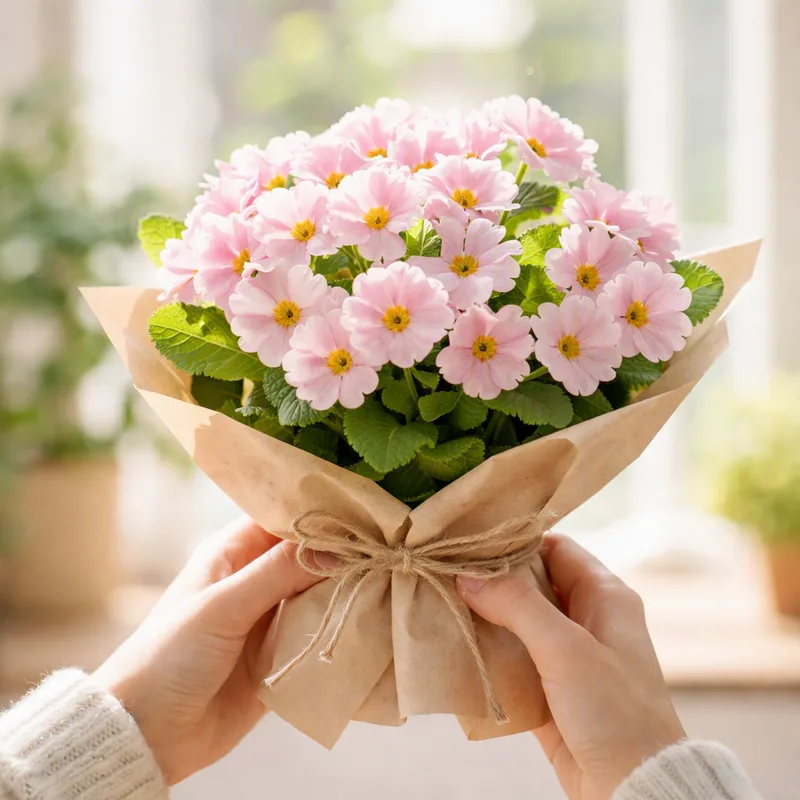
A pot of pink primulas is a lasting present at Mothering Sunday, when cut flowers are everywhere and a plant stands out. They also make a practical gift, because the plant can move into a border later instead of ending up in the bin.
Care
- Stand the pot near a bright window but away from heaters.
- Water from the base if the leaves are packed tightly.
- Remove faded heads and old leaves to prevent grey mould in damp weather.
- Plant out when flowering finishes, in dappled shade.
Heights are 10 to 25 cm and flowering lasts from February to May. In sheltered, mild gardens the first flowers can open early in the year.
Toxicity and skin
The ASPCA lists the primrose, Primula vulgaris, as toxic to dogs, cats and horses. The reported sign is mild vomiting. Primula obconica has hairs containing primin, which some people react to, so wash your hands after repotting. If your cat nibbled a leaf and shows no signs, still mention it to your vet at the next visit.
A final tip: pink primulas planted in the ground in autumn make a little bank of colour by late winter, and the clumps can be split after flowering to give you more plants for free.