What the name tells you
The word primula comes from the Latin for first, because the plants flower so early. The meaning that people search for is mostly in the name itself: spring is on its way.
White in the wild and in pots
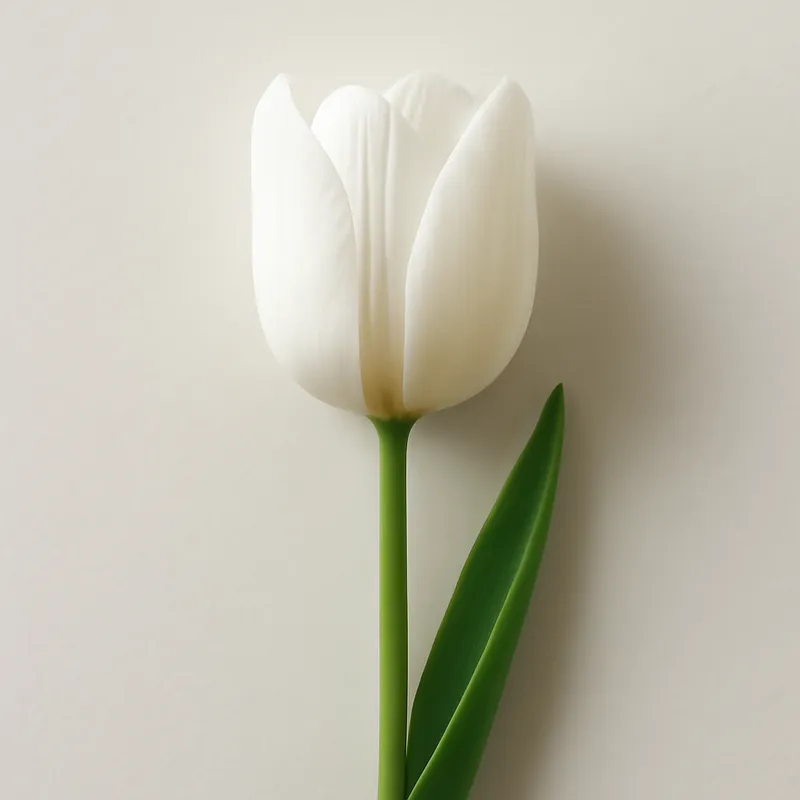
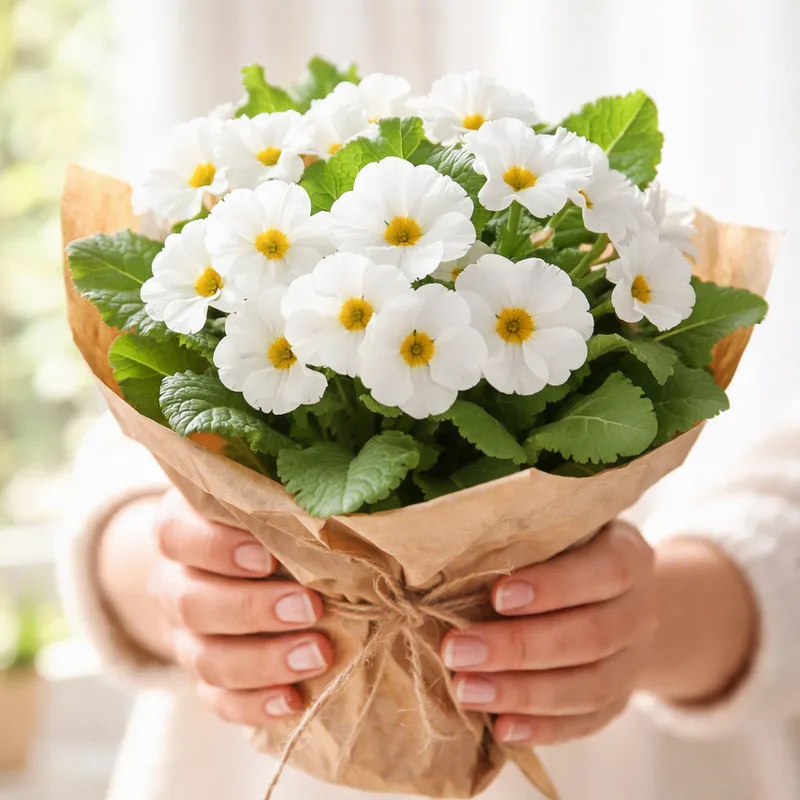
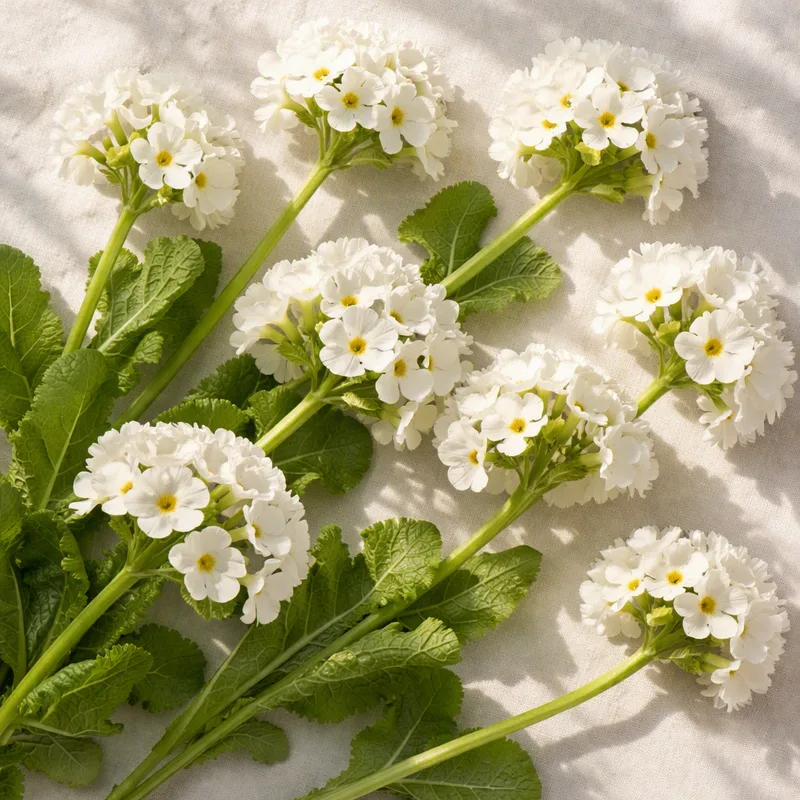
The common primrose, Primula vulgaris, is normally pale yellow, but white forms are known and several garden strains are bred for pure white or cream. A bright yellow eye gives the flower definition. Plants stay low, around 10 to 25 cm, which makes them neat for window boxes and porch steps.
Looking after white primulas
- Choose a spot with light shade; direct afternoon sun scorches petals.
- Keep the compost damp but not sodden.
- Remove spent flowers to encourage new buds.
- Feed lightly with a general liquid feed during flowering.
Rain can make white petals spot in the Irish spring, so a sheltered corner or a porch helps. After the flowers finish, plant the clumps in a shady border where the soil holds moisture, and they may bloom again next year.
Gifts and occasions
A white primula pot suits Mothering Sunday or Easter, when a living plant is wanted rather than cut stems. It lasts for weeks in a cool room.
Pets and skin
The ASPCA lists Primula vulgaris as toxic to dogs, cats and horses, with mild vomiting reported. Wash hands after handling, as some primulas can irritate sensitive skin.