What red means in heather
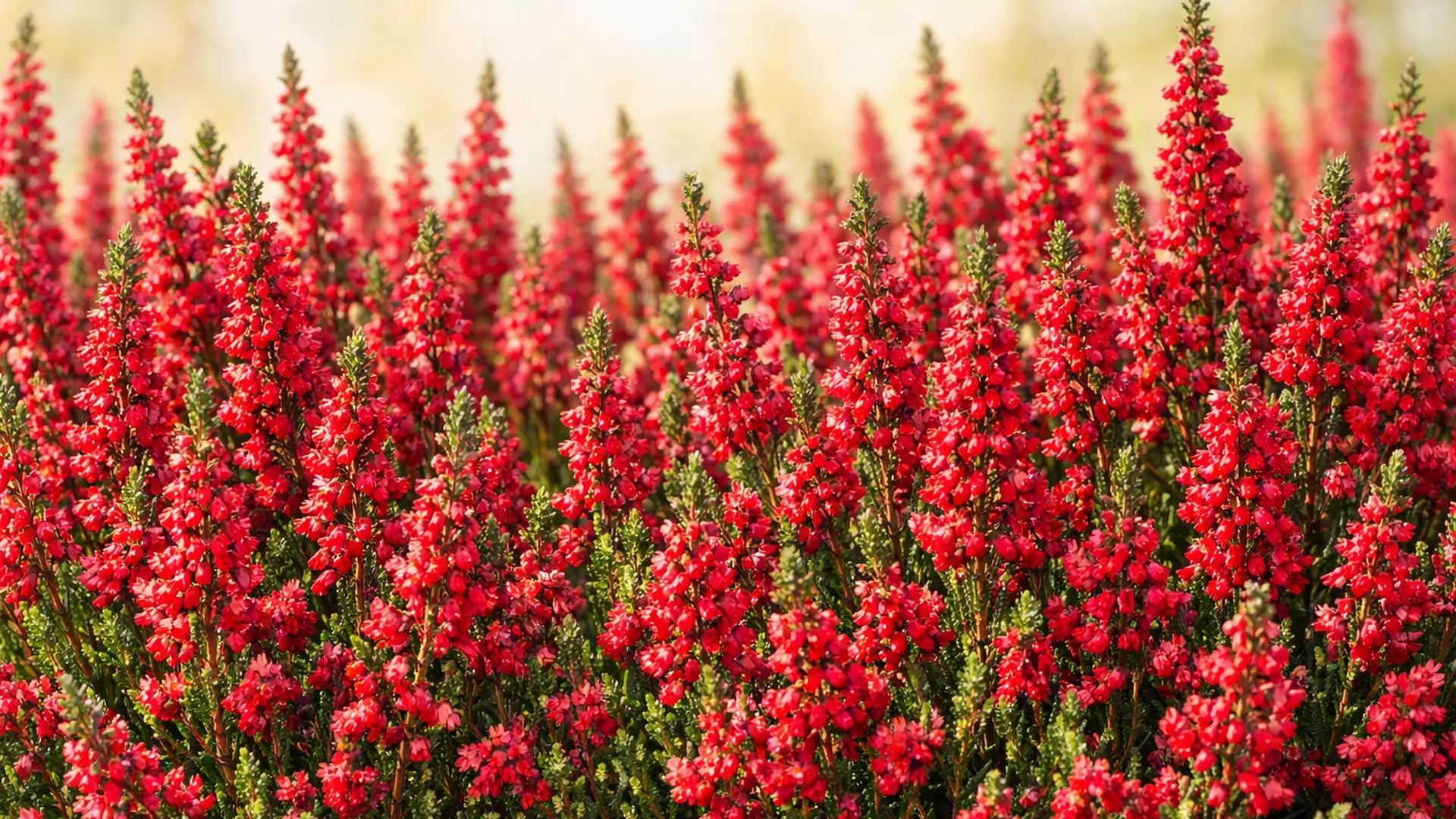
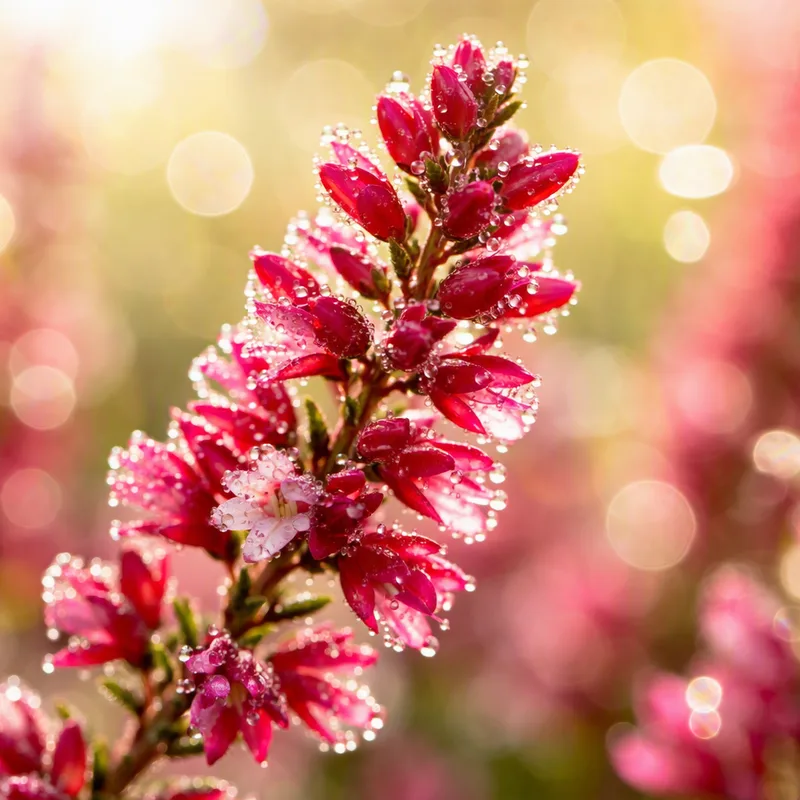
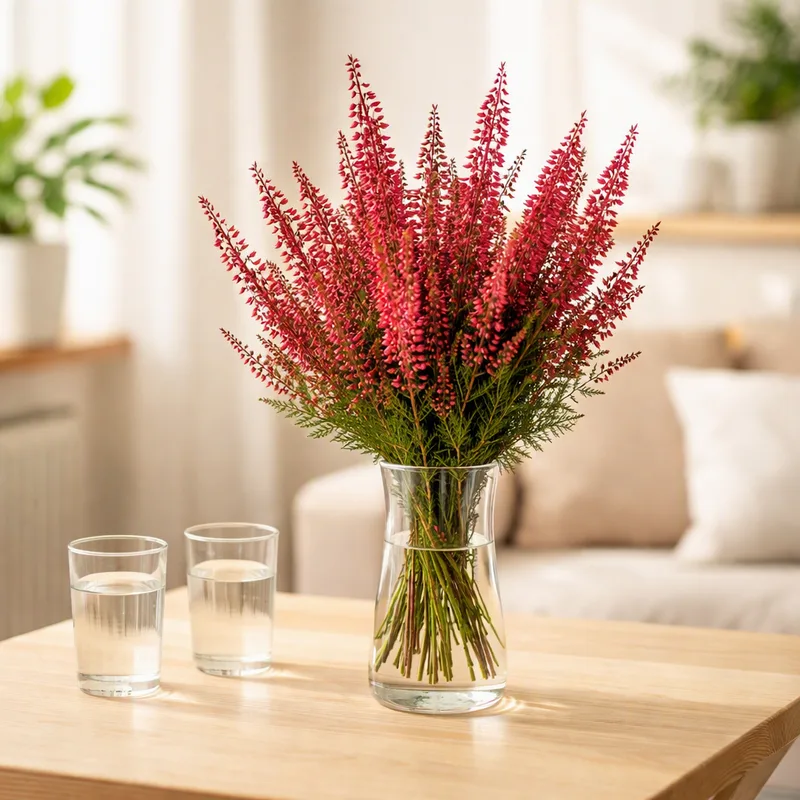
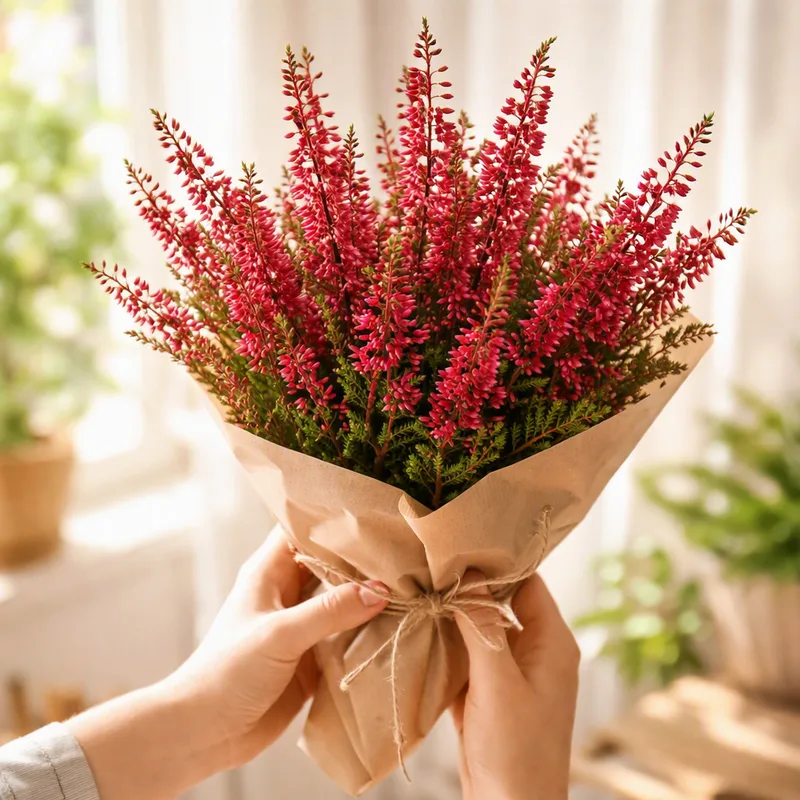
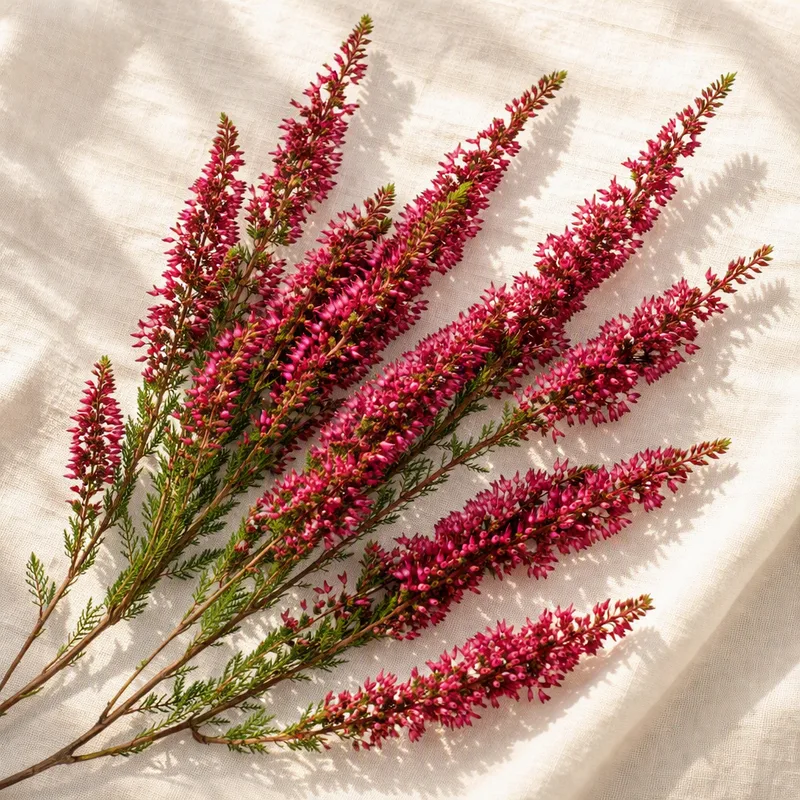
Wild Calluna is mauve. Gardeners have bred cultivars whose flowers lean towards deep pink, crimson and magenta, and the flowering season stretches from late July to November across different cultivars. The result is often called red heather, but you may notice a purple undertone, especially in cool light. Bud-blooming forms hold their colour for weeks because the buds stay closed.
Colourful foliage too
Some cultivars are selected for red or golden leaves, and their foliage often intensifies as winter arrives. That means a red-leaved heather can give more interest in January than in August. In a pot with bronze or silver companions, the effect is warm and weatherproof.
Looking after it
- Use ericaceous compost in a container, or plant in naturally acid ground.
- Put it in sun, not in a shaded corner.
- Water with rainwater where possible.
- Clip off old flower stems in early spring.
Heather is hardy and copes with exposure, which suits a windy Irish garden.
Where it earns its place
Heather grows wild across moorland and bog, yet cultivated reds are tidy enough for autumn pots and doorstep planters. A red heather next to a white one makes a simple two-tone display.
Pets
The ASPCA does not list Calluna among poisonous plants. Rhododendron and azalea, however, are poisonous to pets, so keep them out of the same pot if animals roam your garden. Calluna itself is tolerant of cold, drought and salt-laden wind once established, which is useful on exposed ground.