Geranium or pelargonium?
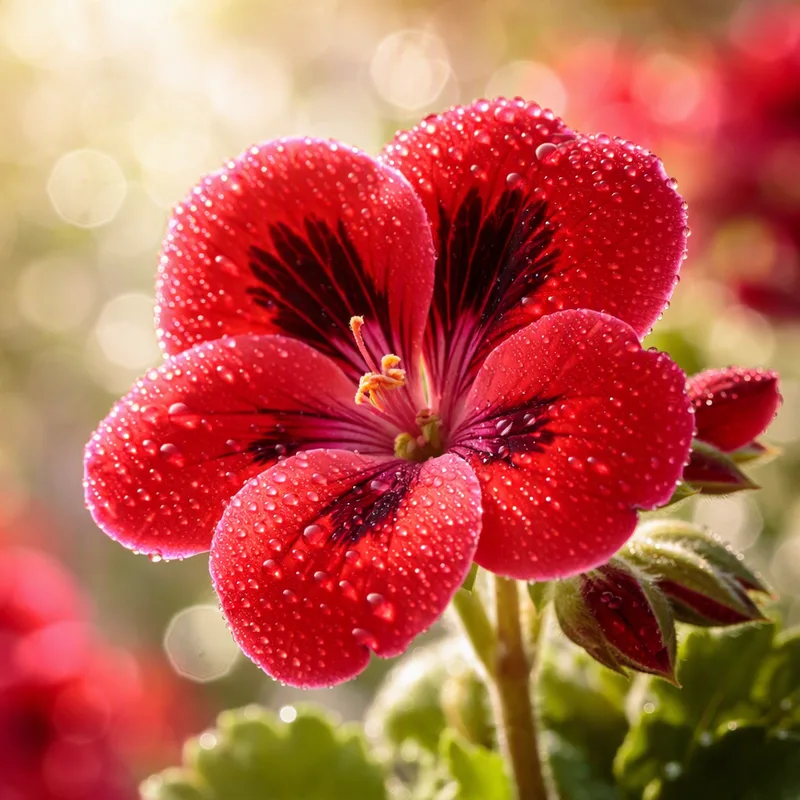
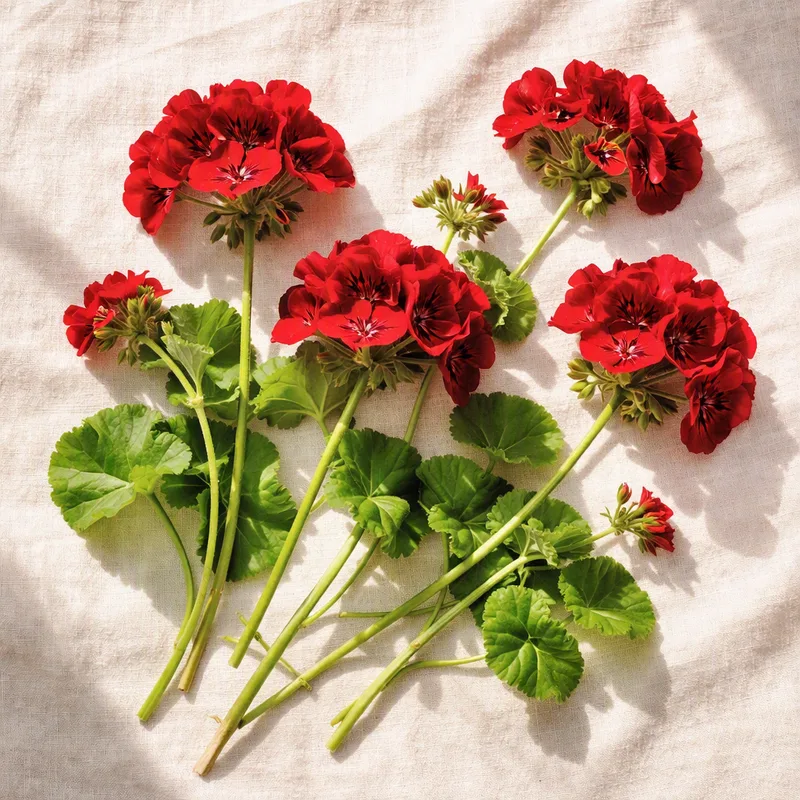
Linnaeus originally placed both groups under Geranium. In 1789 the French botanist L'Heritier separated them, and the name Pelargonium comes from the Greek for stork, because the seed head resembles a stork's beak. The true geraniums, or cranesbills, are hardy herbaceous perennials of cooler regions. Pelargoniums are evergreen and mostly from South Africa. Their flowers have a single plane of symmetry, whereas those of a true geranium are round and even, which is the quickest way to tell them apart.
The groups you will meet
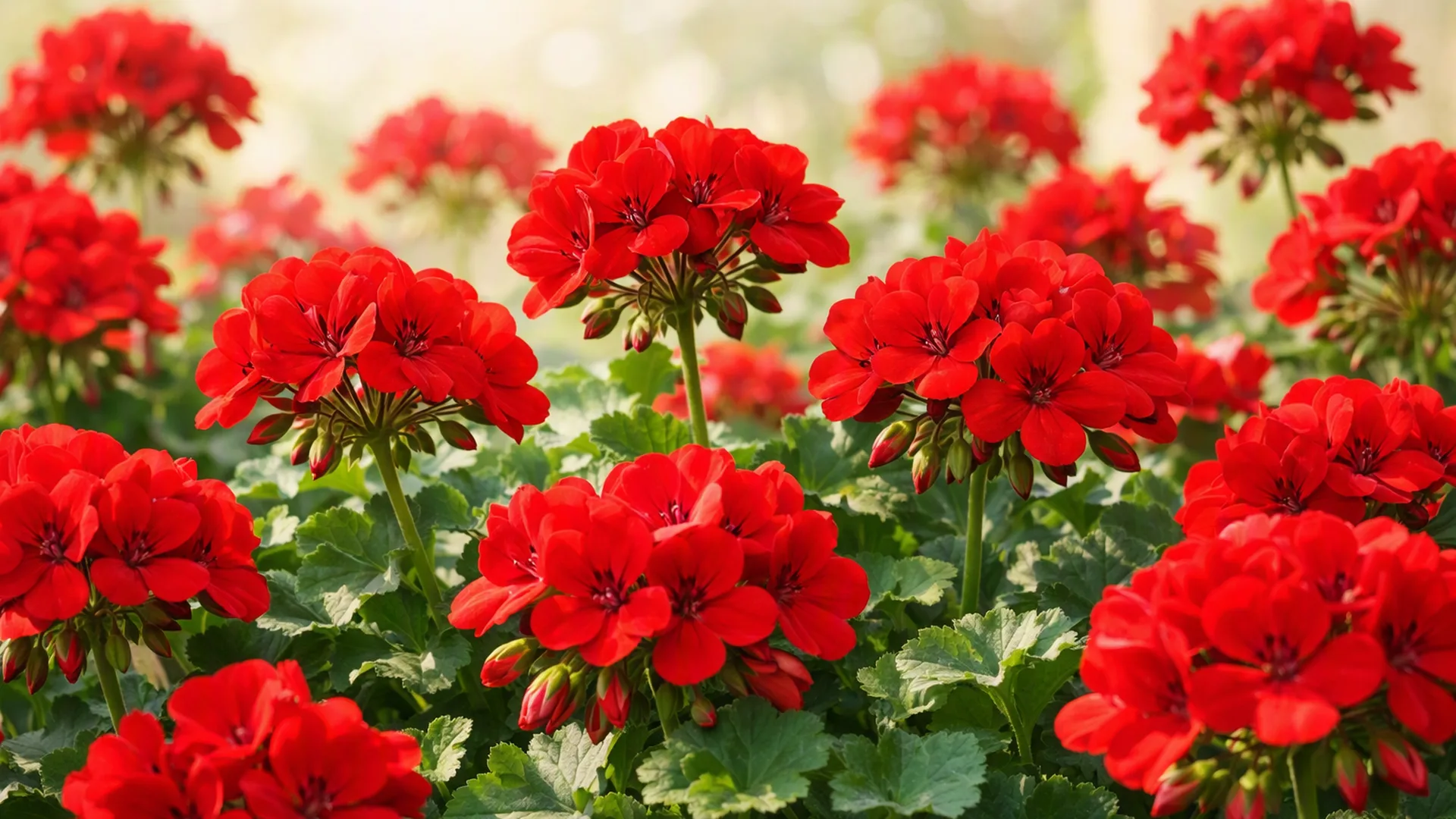
- Zonal pelargoniums have rounded leaves, often with a darker ring, and are the standard plant for pots and window boxes.
- Ivy-leaved types trail and suit baskets.
- Regal pelargoniums carry big, ruffled flowers.
- Scented-leaved types are grown for their fragrant foliage.
Sun, little water, no frost
All of them like light, tolerate drought and hate freezing weather. The RHS advises waiting until frosts have passed before planting out, and says to water moderately and deadhead regularly. On Ireland's mild coasts that can come earlier than in a midlands frost pocket, but a single clear night can finish a tender plant. Bring pots in before the first frosts of autumn, or take cuttings to keep going on a bright windowsill.
Animal warning
The ASPCA names Pelargonium as toxic to dogs, cats and horses. The substances geraniol and linalool can cause vomiting, loss of appetite, depression and dermatitis. Ask a vet if your pet has eaten any.