

The hedgerow shrub behind the flower
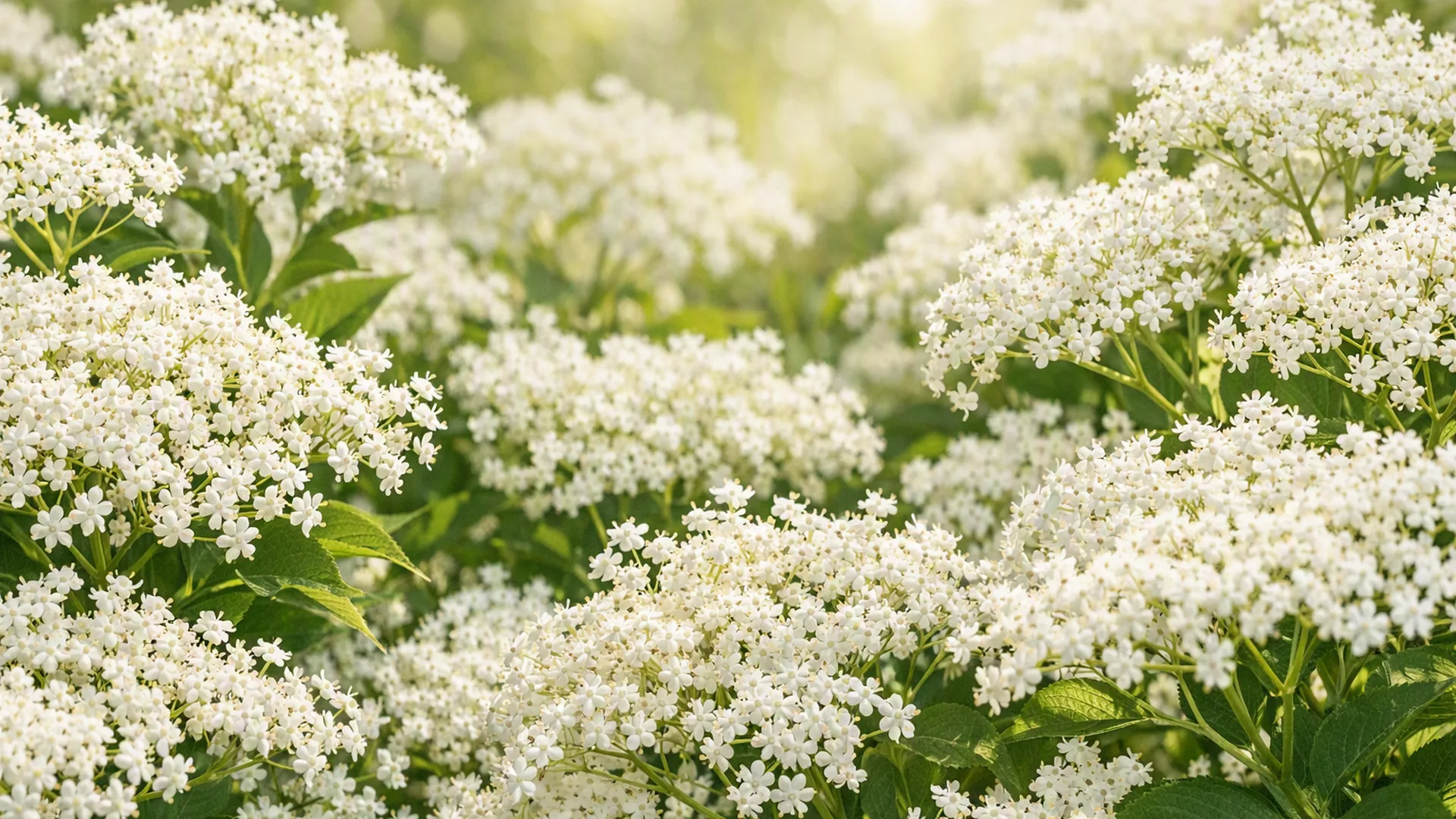
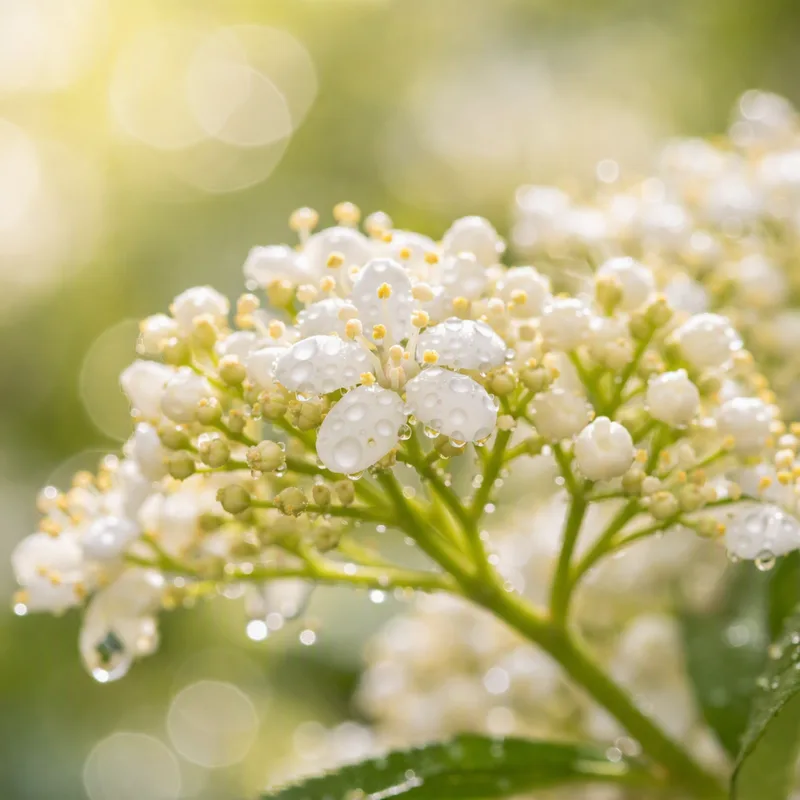
Elderflower comes from Sambucus nigra, the common or black elder, a deciduous shrub or small tree that is native across Europe and often reaches 6 to 10 metres. It grows on wet and dry fertile soil, mostly in sun, and is a familiar sight in Irish hedges and waste ground. The flat flower heads, or corymbs, measure 8 to 24 cm across and open in late May, June and July. Each tiny flower is ivory-white with five petals, and the scent attracts flies, beetles and bees.
By late autumn the same heads become drooping clusters of glossy purple-black berries that birds eat eagerly.
Colour and the bouquet question
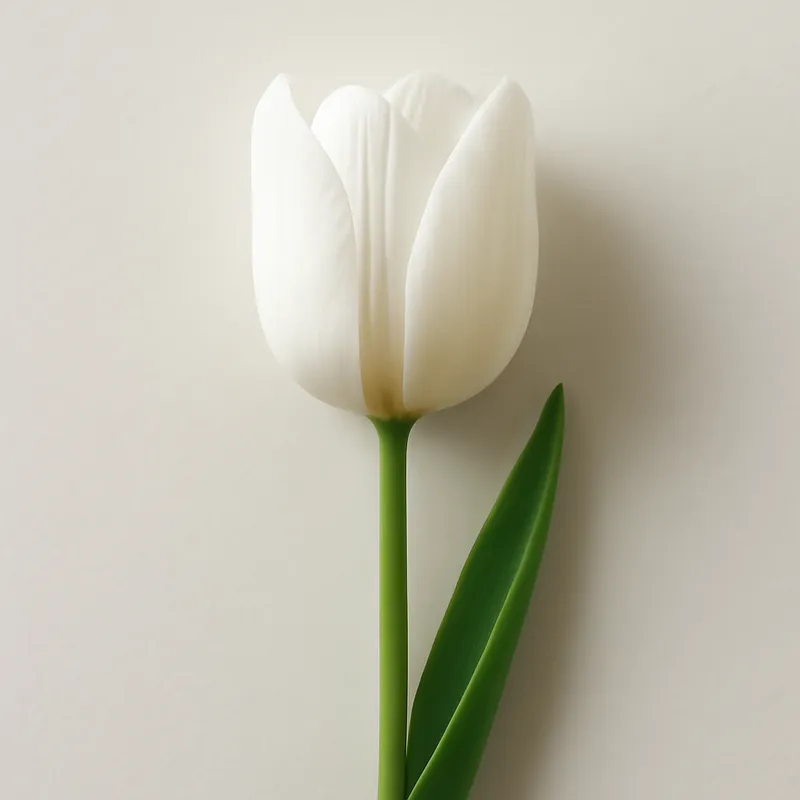
If you are wondering about elderflower colour, think cream rather than snow-white: ivory, sometimes with a hint of yellow as the heads age. In bouquets elder is usually used as a lacy, informal filler beside roses and grasses. Cut heads wilt quickly, so get them into deep water at once and use them soon.
What is safe to eat
- The flowers and fully ripe, cooked berries have a long tradition in cordial and wine.
- Leaves, stems, bark, roots and unripe berries are poisonous to mammals, because they contain the cyanogenic glycoside sambunigrin.
- Raw berries can upset the stomach, so cook them first.
Anyone picking wild elderflower should be sure of the identification, take the flowers only and leave the stalks behind.
Which bits are dangerous
Leaves, stems, bark and unripe berries contain a cyanogenic glycoside and are poisonous to mammals, which includes dogs, cats and horses. Keep trimmings from pets and farm animals, and seek medical or veterinary advice if a child or animal has eaten them.