A genus of more than a thousand species
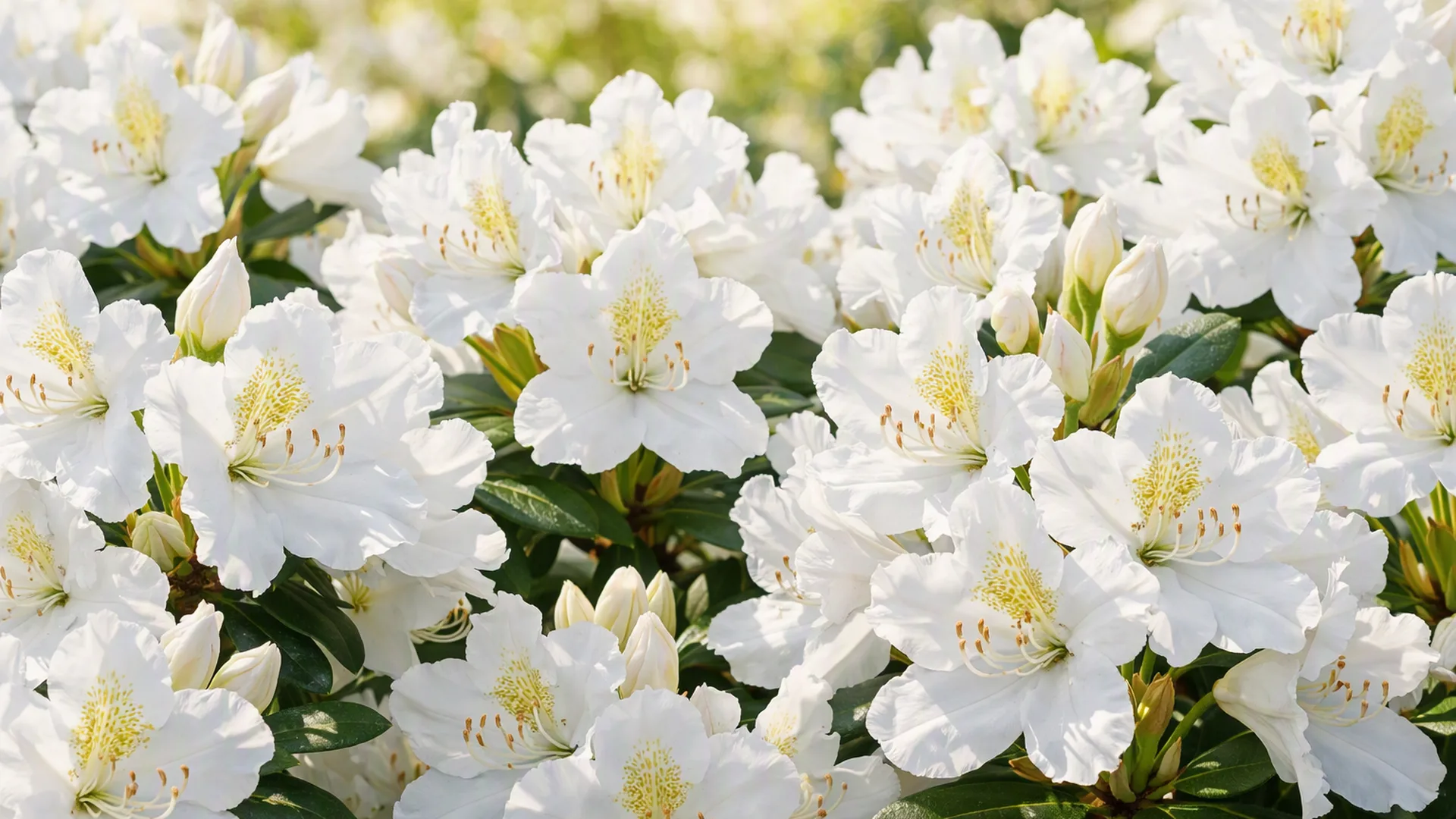
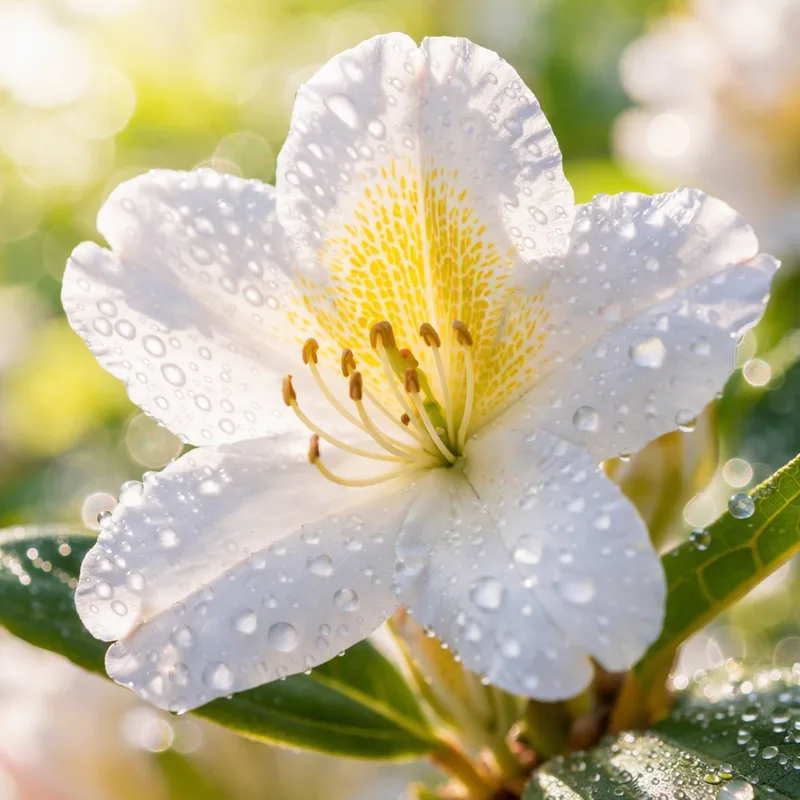
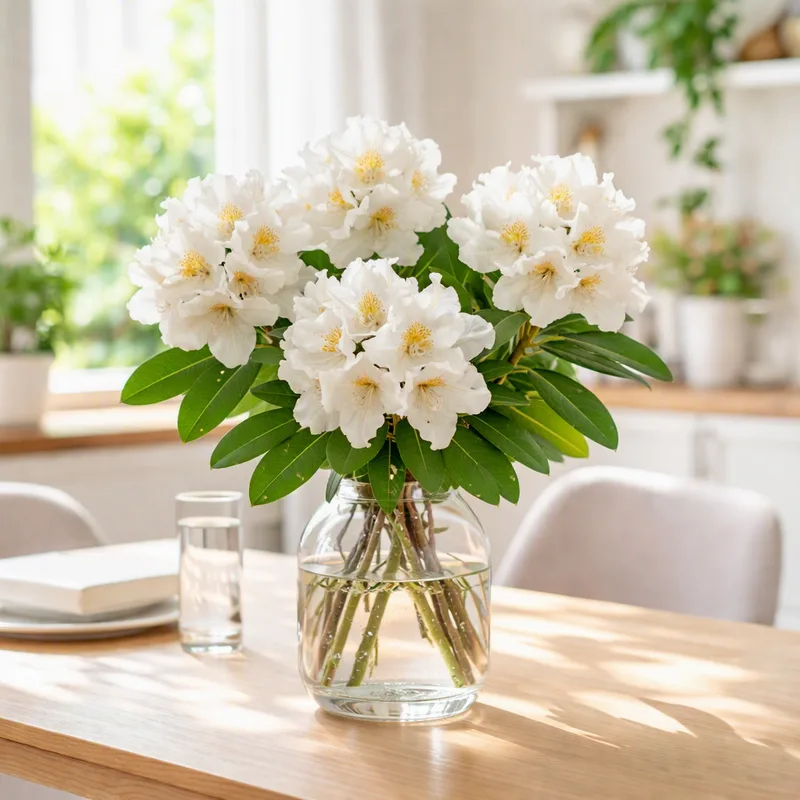
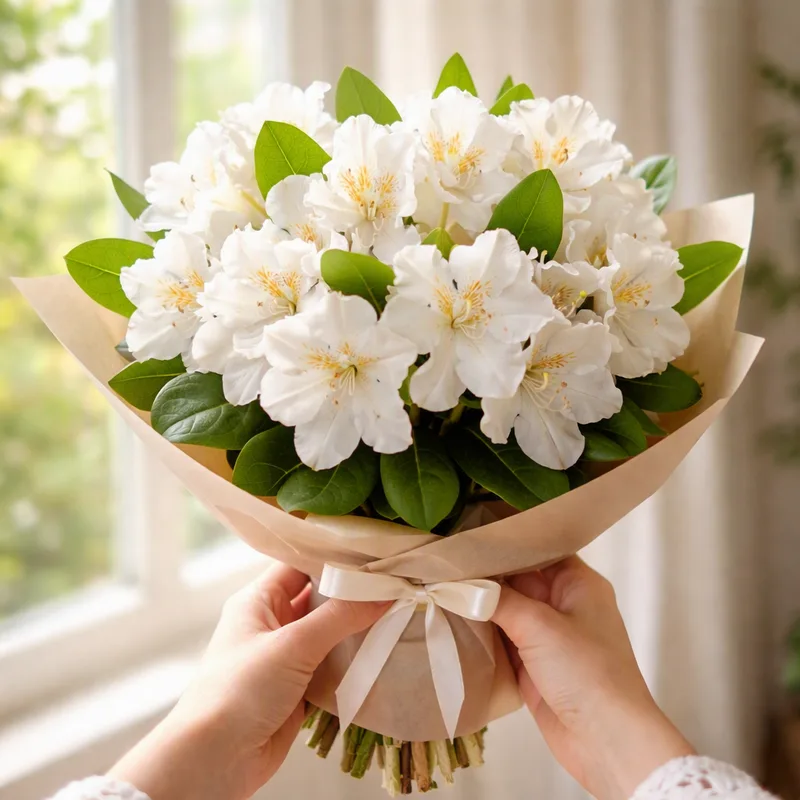
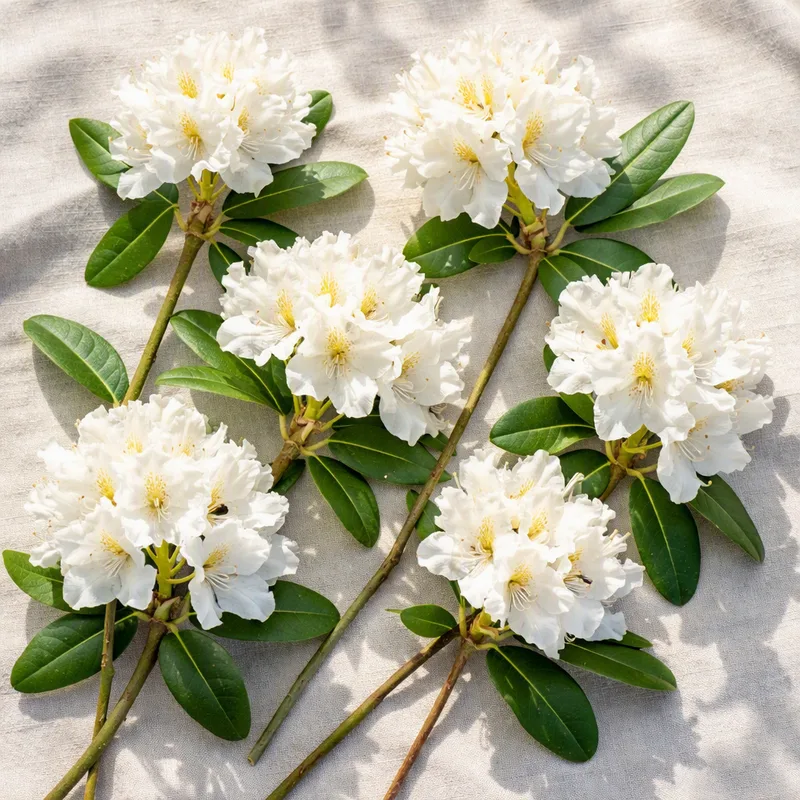
Rhododendron is one of the largest woody plant genera, with species from the Himalaya to south-east Asia, and azaleas are botanically included in it. Most garden shrubs are hybrids, and the family belongs to the heath family, Ericaceae. White flowers with a spotted throat, such as the old cultivar 'Madame Masson', are the traditional "classic" look.
An Irish success story with a catch
Rhododendrons want acid soil, around pH 4.5 to 5.5, steady moisture and shelter from cold wind. Large areas of Ireland have peaty or acidic ground and plenty of rain, so they are a familiar sight in older estate gardens and woodland. On limestone ground, such as the Burren, they struggle unless planted in raised beds of ericaceous compost.
- Plant shallow, with the top of the root ball level with the soil.
- Mulch with leaf mould or bark every autumn.
- Pick dappled shade and avoid exposed western gardens.
- Deadhead after flowering, being careful not to snap next year's buds.
A garden plant and a problem plant
The wild species Rhododendron ponticum, once planted for cover and ornament, now spreads in woodland, particularly in Killarney National Park, where it shades out native plants and is avoided by grazing animals. The National Biodiversity Data Centre and invasives.ie both treat it as an invasive species. Gardeners should choose named hybrids and never dump clippings in woods.
Toxic for people and animals
The leaves, nectar and pollen contain grayanotoxins. The ASPCA lists rhododendron as toxic to dogs, cats and horses, and honey made from the nectar can cause poisoning in people too. If in doubt, call your vet, or the National Poisons Information Centre for a person.