
Where white anemones appear
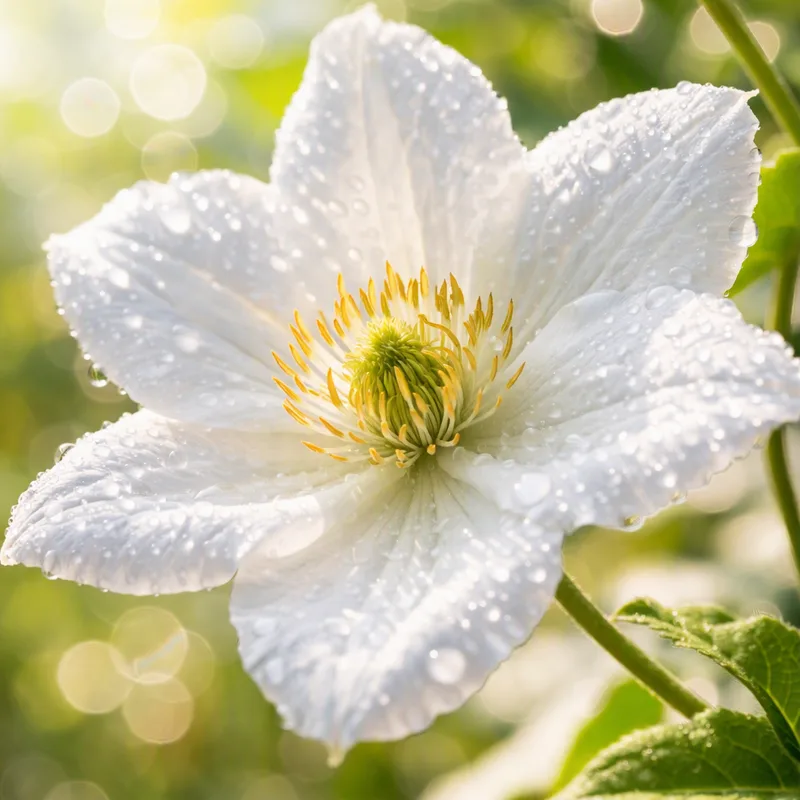
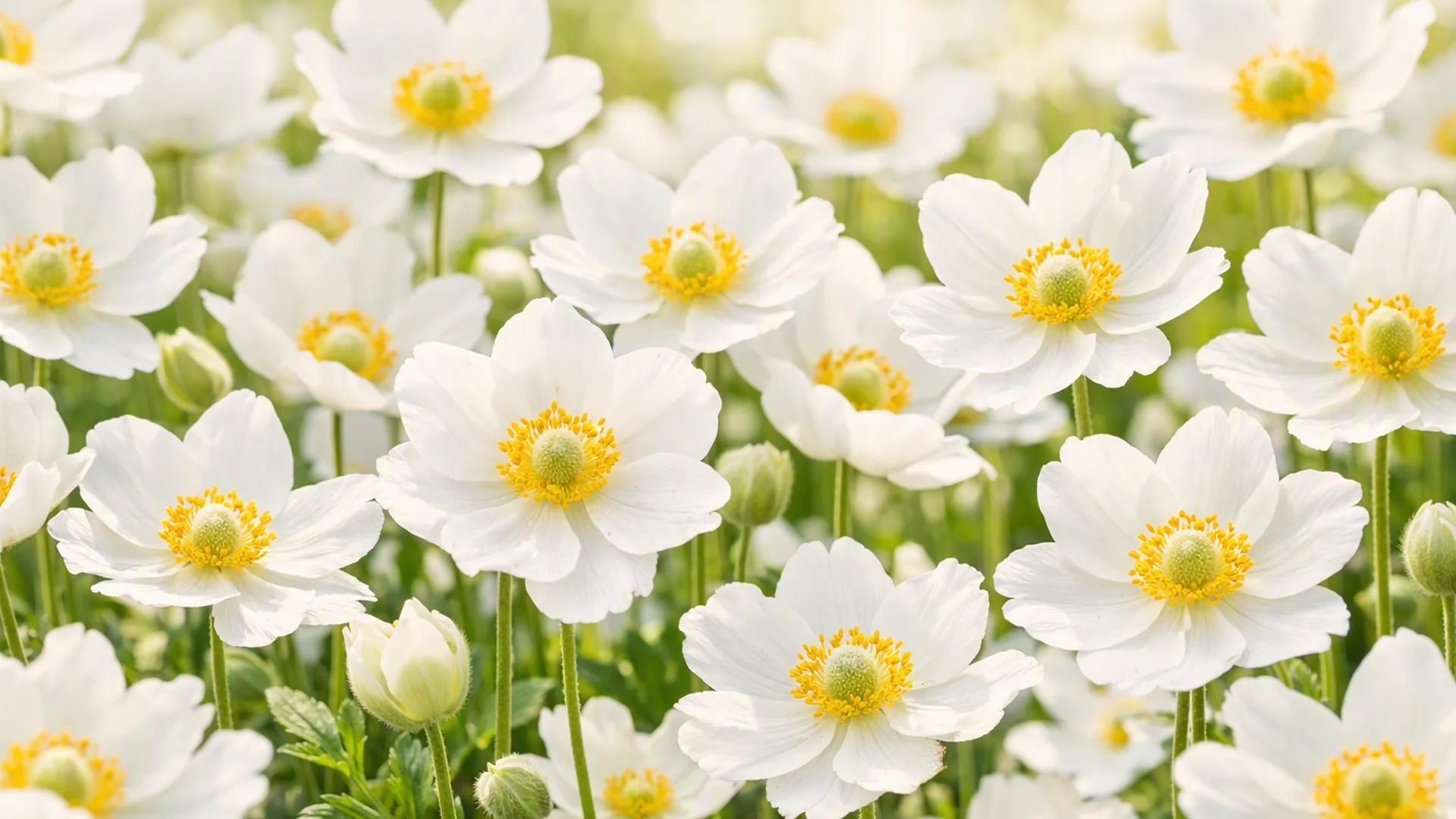
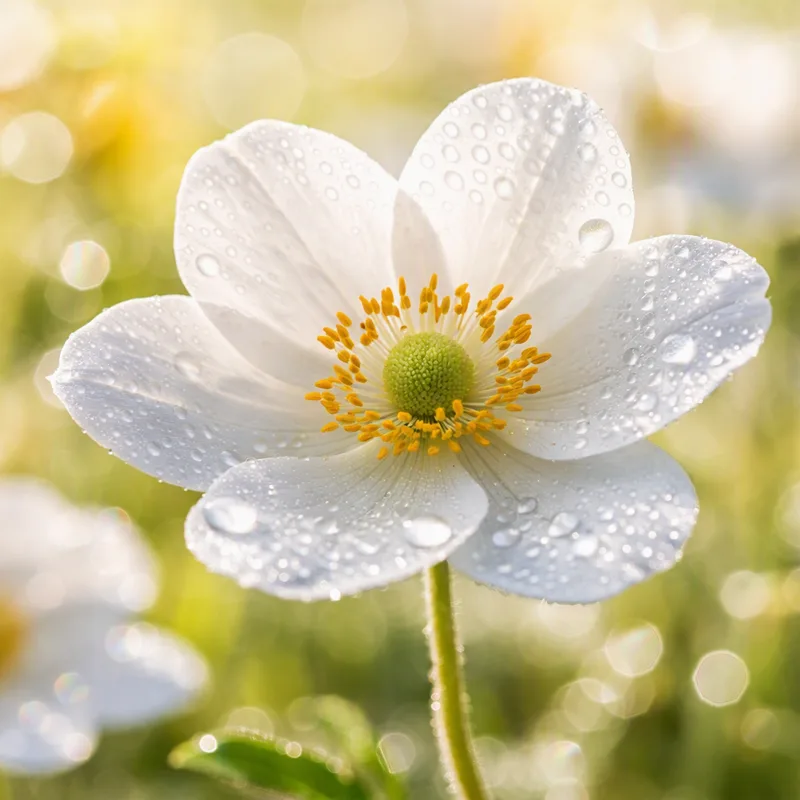
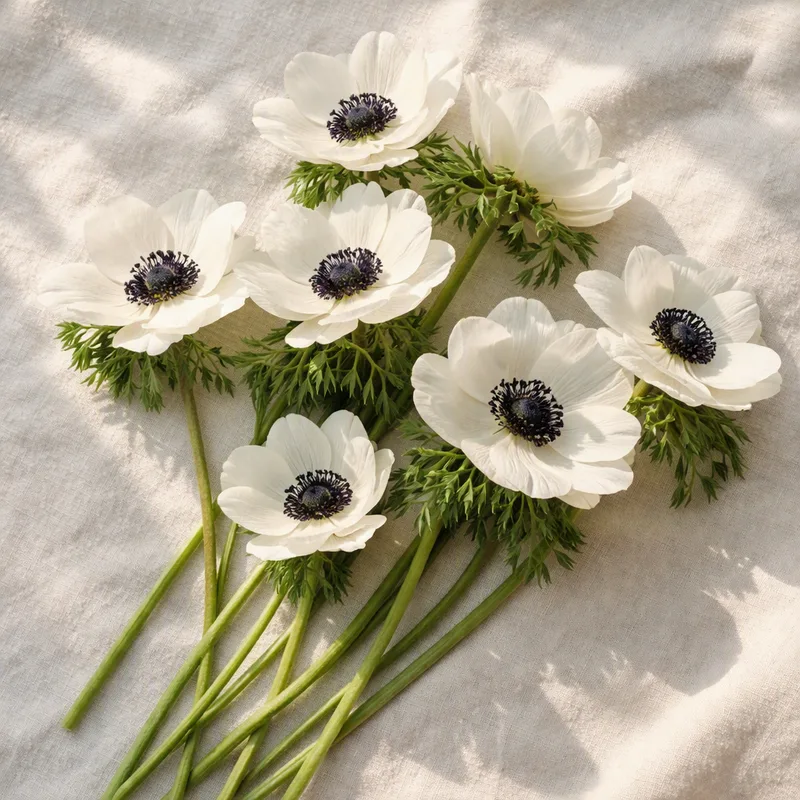
White is the commonest anemone colour in the wild. In Ireland and Britain it means Anemone nemorosa, the wood anemone, in bloom at the end of winter before the tree canopy closes. In gardens, white means 'Honorine Jobert', a Japanese anemone with tall stems and large white saucers from late summer to October. Poppy anemones also come in white, with a dark centre that makes them distinctive.
A symbol of expectation
In the language of flowers, anemones traditionally stand for anticipation. Searches for "anemone" alone are surprisingly many, and they often come from people who have met one on a walk and want its name.
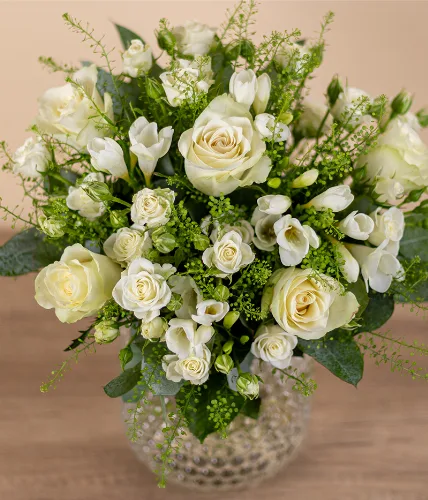
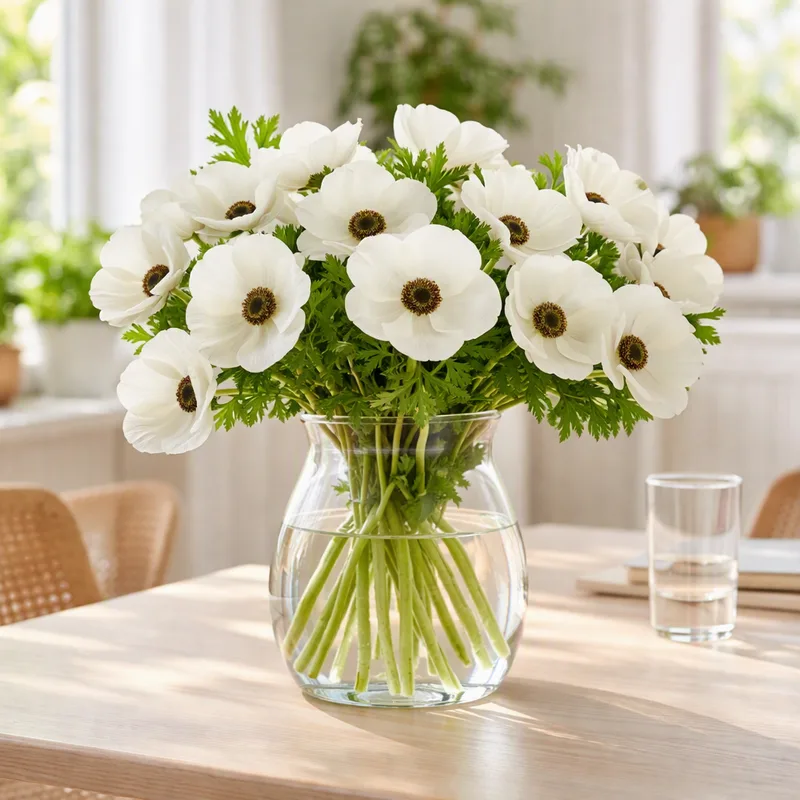
Choosing and caring for cut white anemones
- Pick stems with a closed, rounded bud and the petals just showing.
- Use a clean vase, because bacteria shorten the life of soft stems.
- Cut a little off the stem and put it into cool water.
- Do not stand the vase in direct sun.
White anemones in the Irish garden
'Honorine Jobert' loves moist soil that does not dry out, and it spreads steadily once settled. It copes well with Irish rainfall. The wood anemone prefers leafy shade and slowly forms colonies.
Caution
All anemones contain protoanemonin. The sap can irritate skin and the mouth and cause a sore stomach if eaten. Wear gloves when cutting stems, and keep cut flowers away from cats, dogs and small children.