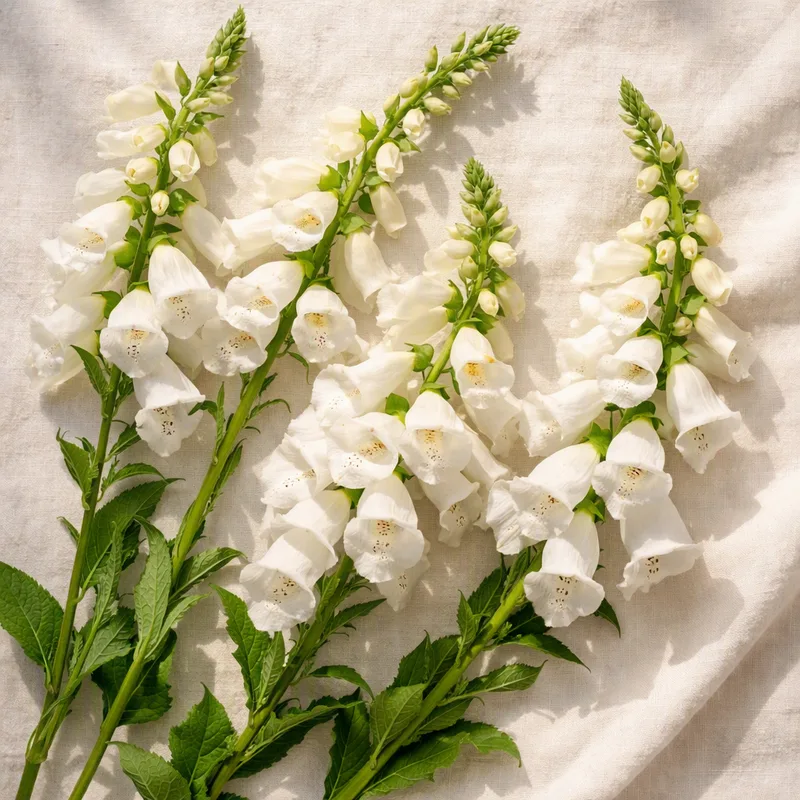
A pale form of a wild plant
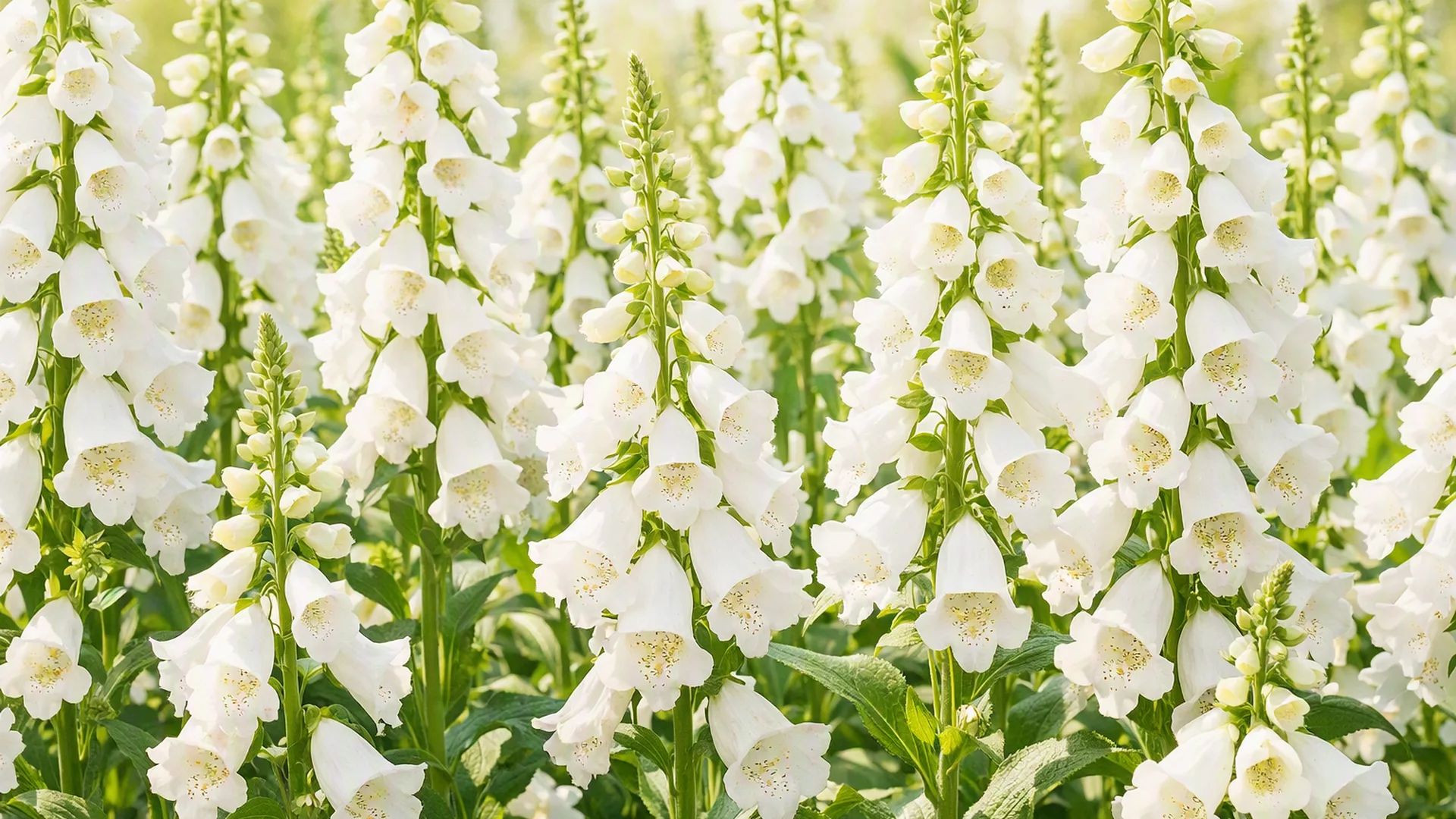
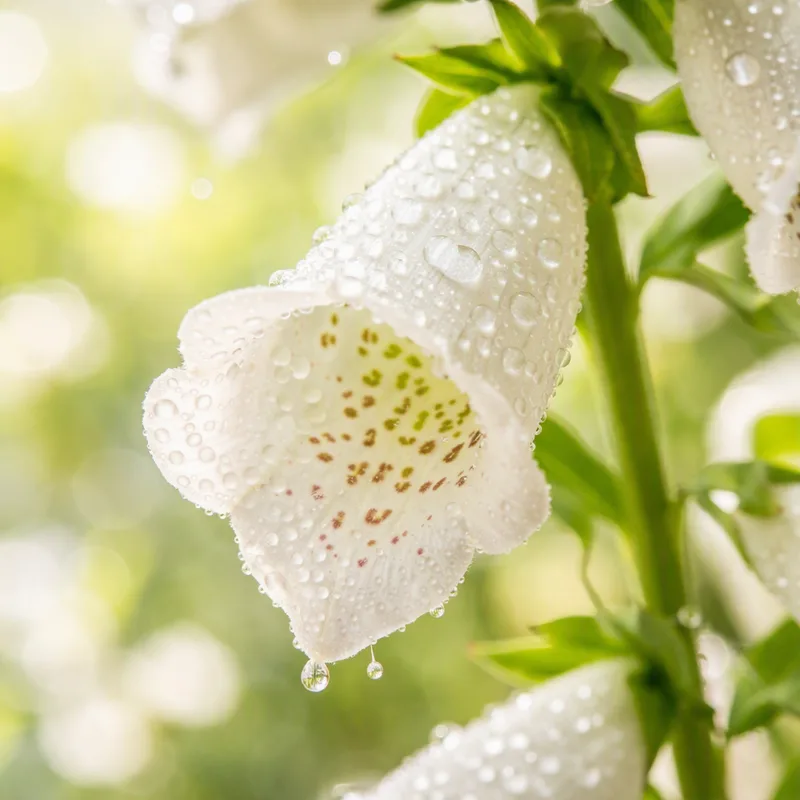
The wild flower, Digitalis purpurea, is typically purple, but cultivated plants may be pink, rose, yellow or white. White forms come true from seed only partly, so you will often find a few pink seedlings among them. Rogue the unwanted ones early if you want a pure white drift.
Where white looks best
Pale spires show well against dark hedges, yew and ivy, and brighten shady corners where few other flowers perform. They are especially attractive in an evening garden, and bumblebees continue to visit them. Because foxgloves are biennials, sow a new batch each summer to keep flowers every year.
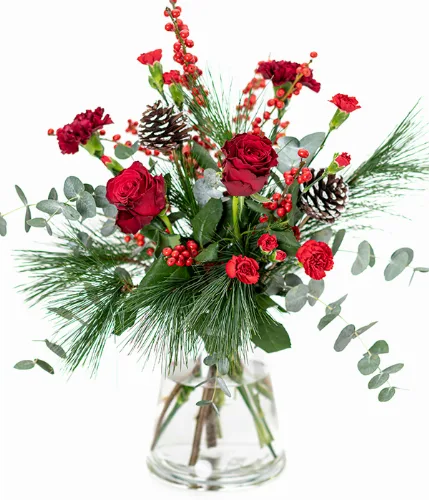
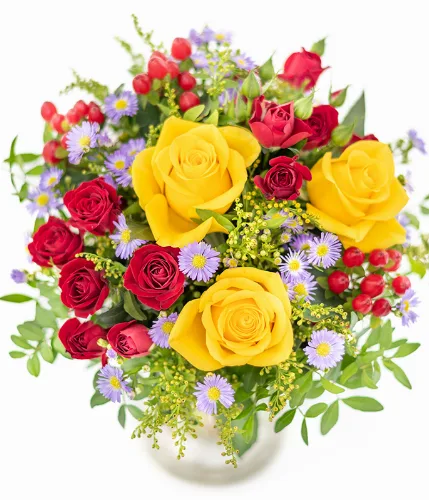
Florists and foxgloves
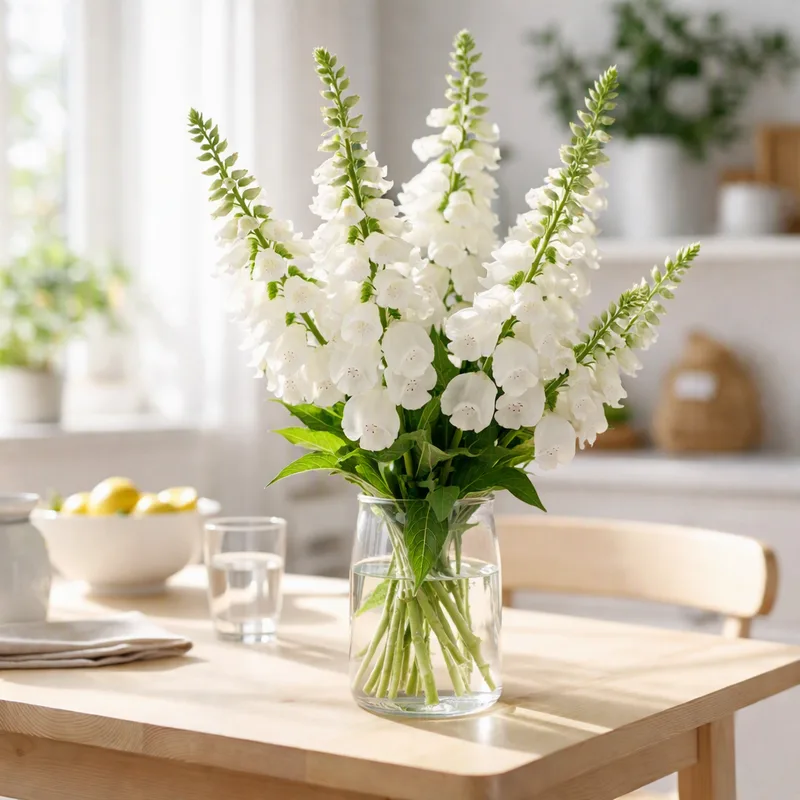
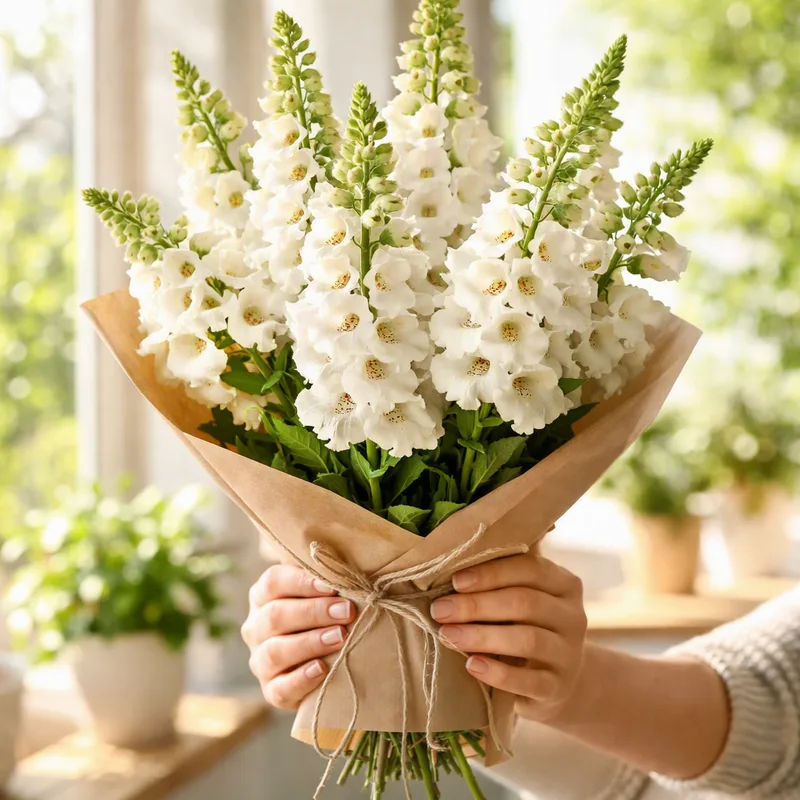
Foxglove is a spectacular tall cut flower, but sold in some bouquets only with care. Florist advice is to handle stems with clean hands, not to leave cut pieces where children or pets could chew them, and to wash hands afterwards.
Facts to remember
- Every part is poisonous, including the leaves, flowers and seeds.
- The plant gave medicine its digoxin, used for heart failure.
- It grows wild in Ireland.
- It does best in dappled shade.
Keep animals safe
According to the ASPCA, foxglove contains cardiac glycosides and is toxic to dogs, cats and horses. Signs include vomiting, weakness, irregular heartbeat and death. Contact a vet at once if an animal has eaten it.