
An old family
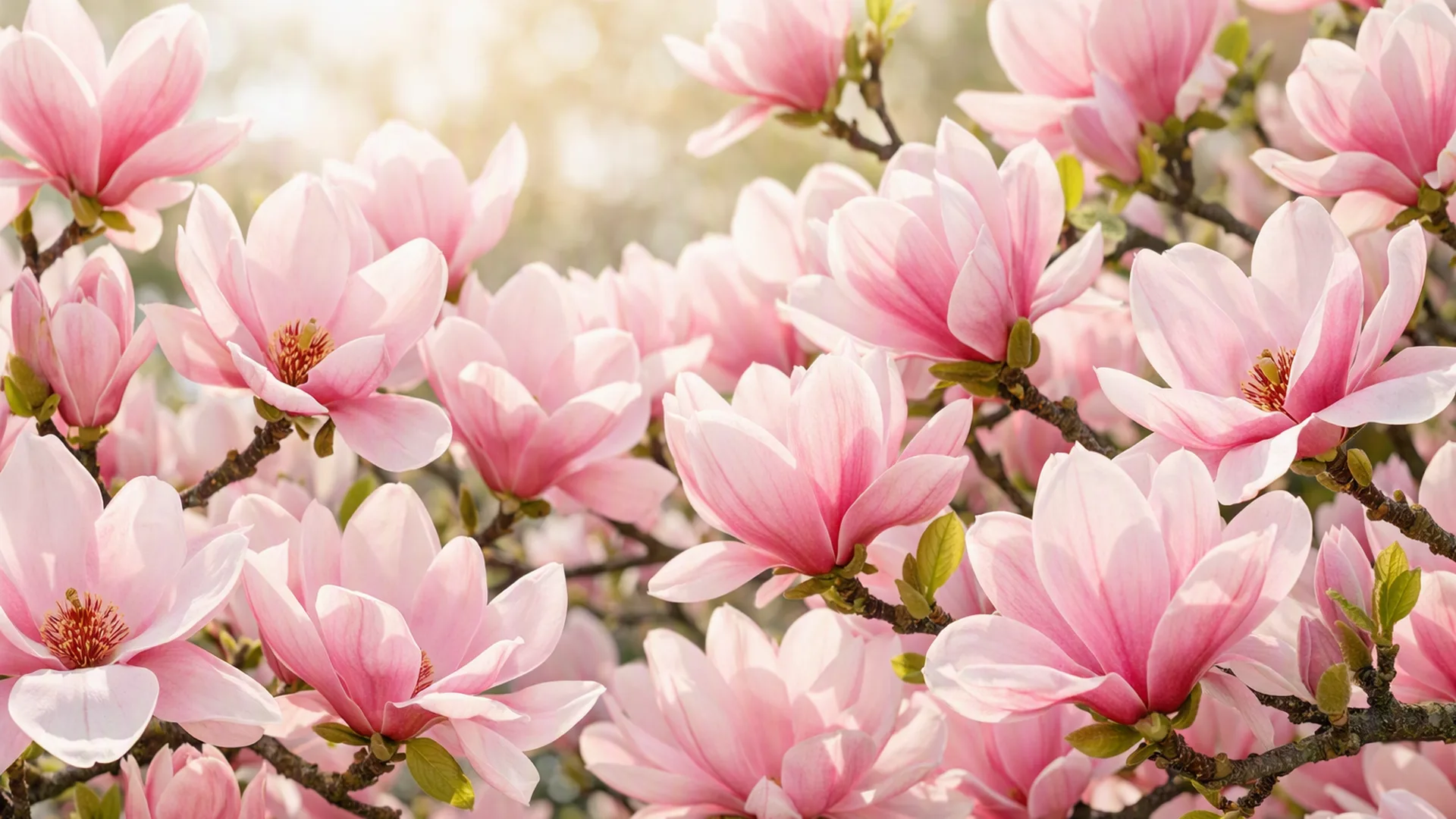
The genus Magnolia holds roughly 210 to 340 species, mostly in east and south-east Asia, with a second centre in the Americas. Fossils show the family goes back to the Cretaceous, long before bees evolved, and the flowers are thought to have developed to attract beetles. That explains their tough, waxy petals, which botanists call tepals because sepals and petals look the same.
The name comes from the French botanist Pierre Magnol, honoured by Charles Plumier in 1703.
Why magnolias suit Ireland
They like mild, moist air and rich soil, and many of the best-known species flower in March and April in sheltered Irish gardens. The one great danger is frost. Because many magnolias open before their leaves, a hard frost can turn the petals brown overnight.
- Plant in a place sheltered from cold easterly wind and out of an early-morning sun that thaws frosted blooms too fast.
- Avoid hollows where cold air collects.
- Give them room. Large species become big trees, while Magnolia stellata stays a compact shrub.
Soil and care
Most prefer deep, moist, humus-rich ground that is neutral to slightly acidic. Mulch each spring, but avoid digging near the trunk, since the roots are shallow and fleshy. Prune little and, if you must, in summer, because cuts made in late winter can bleed.
Patience pays
Young trees of the larger species can take years to flower, so buying a plant already budding, or a smaller type, is often kinder to the impatient.
Animals and magnolia
Magnolia has a reputation as a plant that is not poisonous to dogs, cats or horses, and the sister texts we checked say the ASPCA lists it that way. Chewing any plant material can still upset a stomach, so ring your vet if a pet eats a large amount.