
From the American west to the cottage border
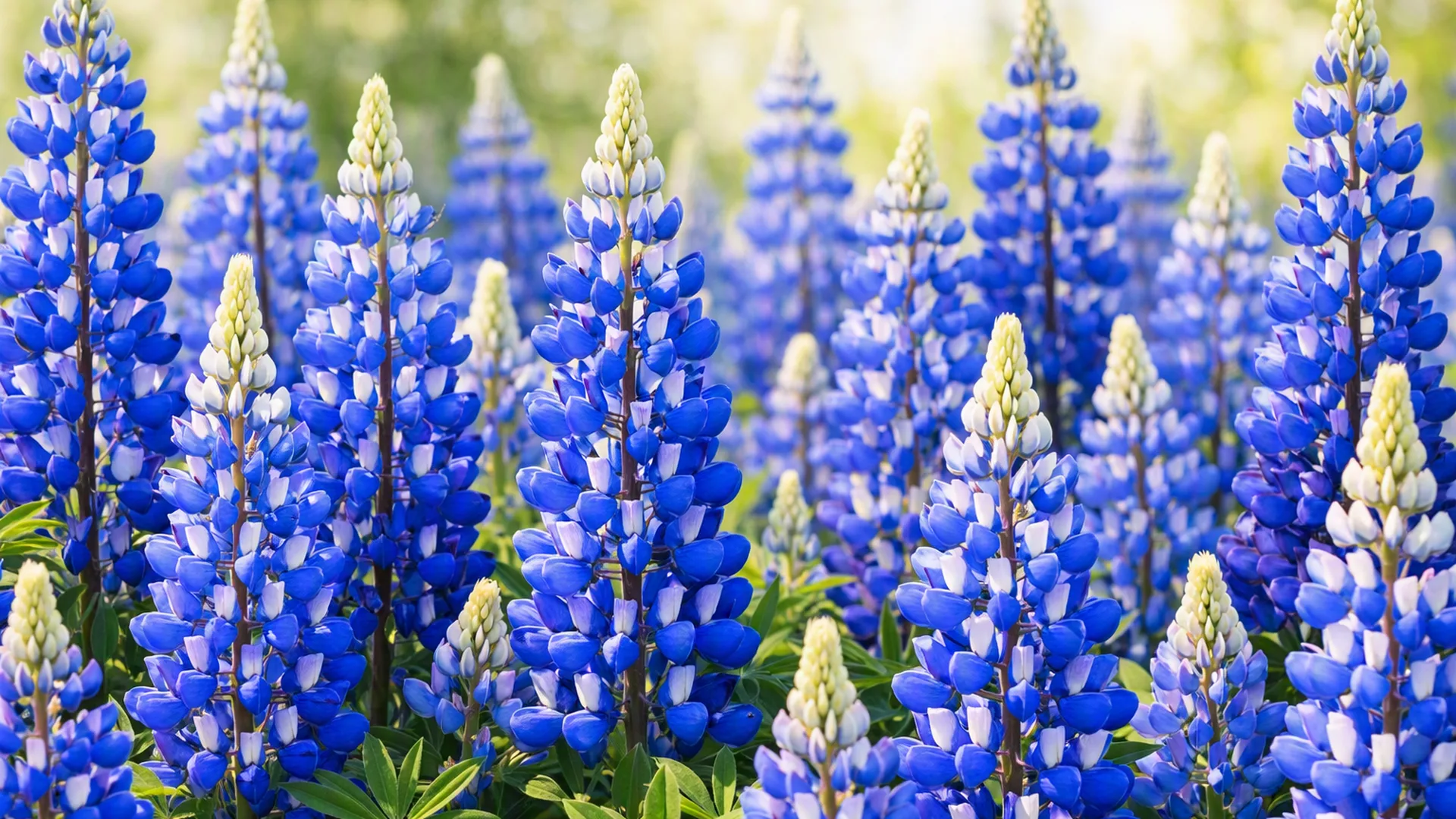
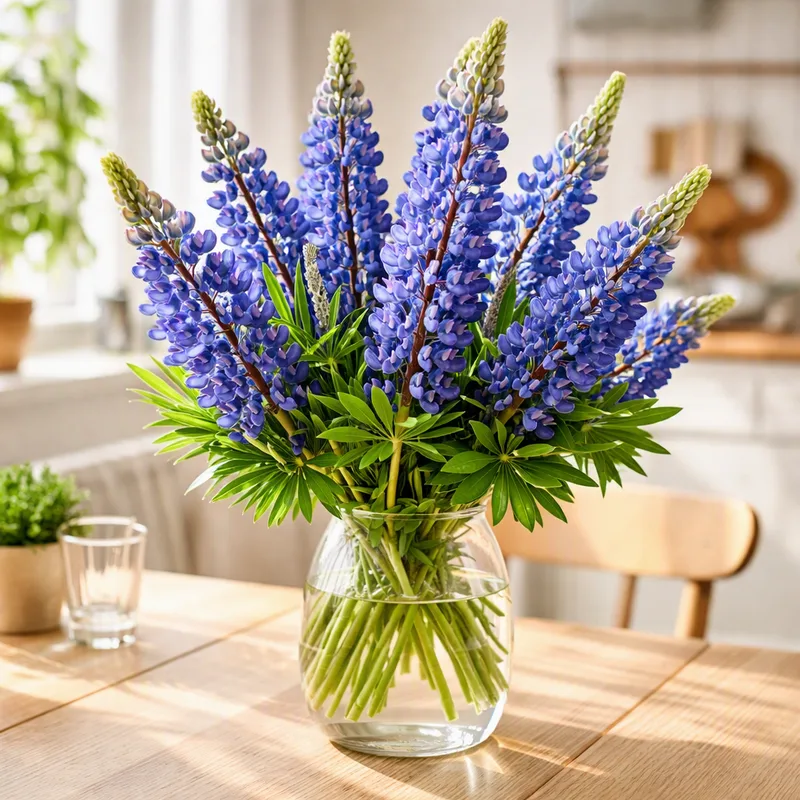
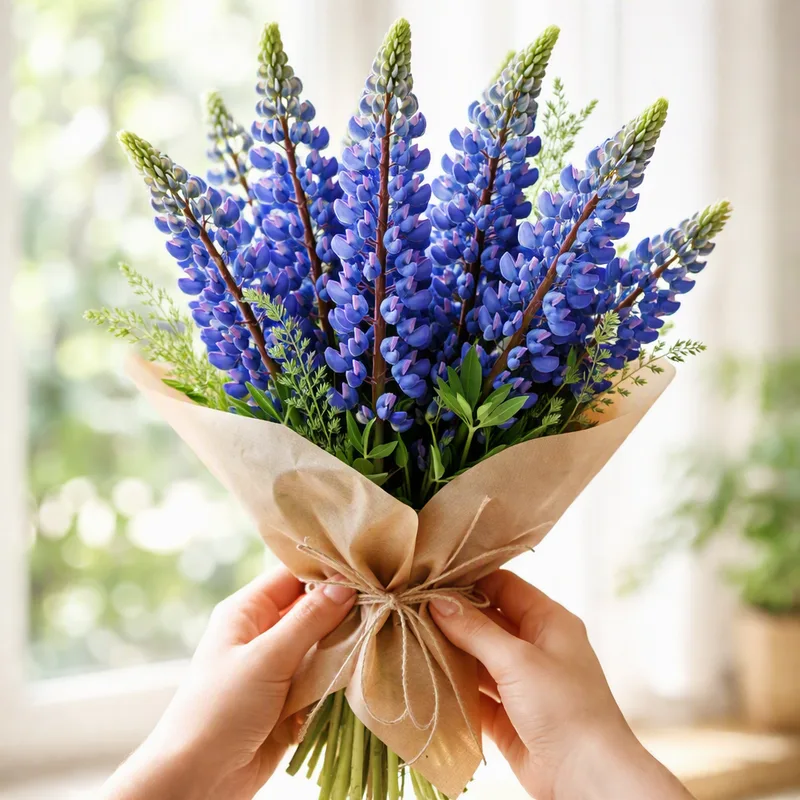
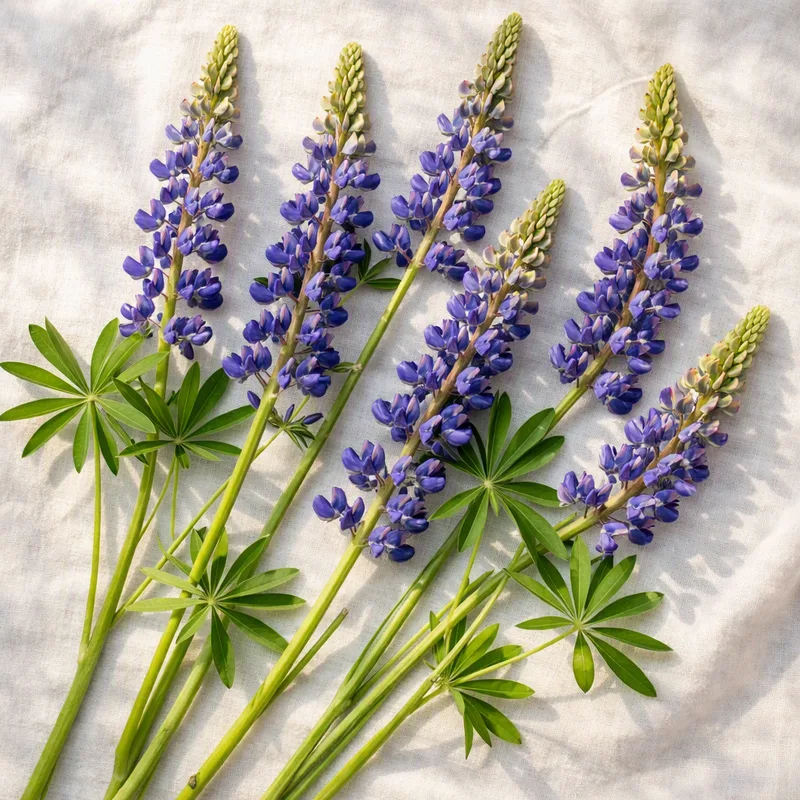
Lupinus polyphyllus was brought to Britain by the plant collector David Douglas in the 1820s. In the wild it is a stout perennial that reaches about 1.5m, with palmate leaves of 9 to 17 leaflets and tall spikes of pea-like flowers. Wild plants lean to blue and violet. The wider palette you see in gardens is mostly down to George Russell of York, whose Russell hybrids were shown at the Royal Horticultural Society in 1937.
What lupins like
They suit the kind of ground where many other perennials struggle, with one important exception.
- Light, free-draining soil in sun gives the best results.
- Heavy, wet clay shortens their life, and that matters in a rainy country.
- Their roots host nitrogen-fixing bacteria, so extra feeding is rarely needed.
- Slugs and snails love the young shoots, so protect them in spring.
- Cut spent spikes back before seed pods ripen if you want to keep the plant tidy.
Lupin flower meaning
Searches for the meaning of a lupin turn up different answers. Flower-language books do not agree, so it is safest to say the plant is best known for its cottage-garden presence and for feeding bees.
Spreading and safety
The species is classed as invasive in several countries, including New Zealand, and it seeds freely. If you garden next to a verge or a meadow, deadhead it and check local guidance from the National Biodiversity Data Centre on invasive plants. Garden lupins carry toxic alkaloids, particularly in the seeds, so keep children and pets away from the pods.