Red, or close to it
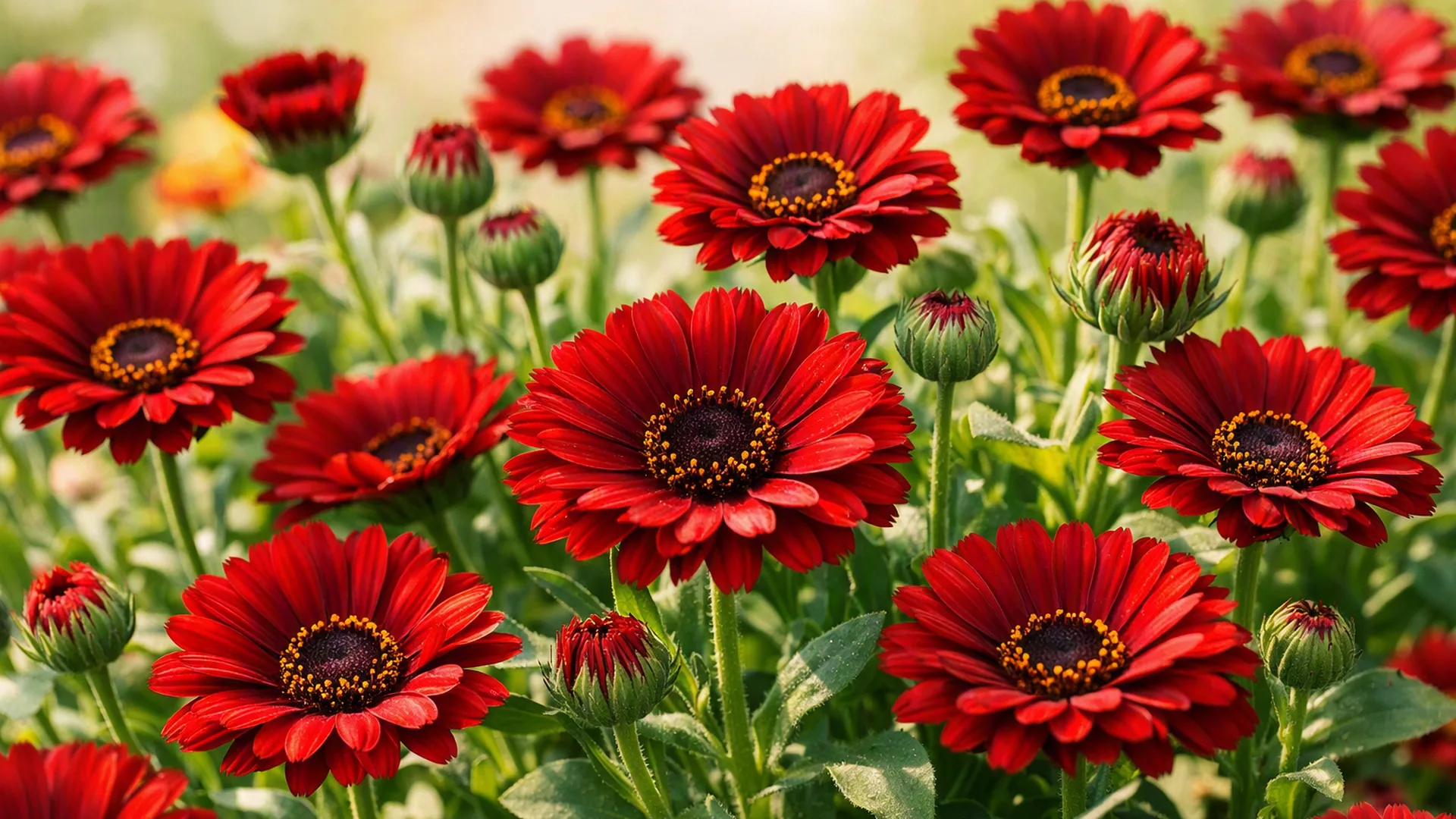
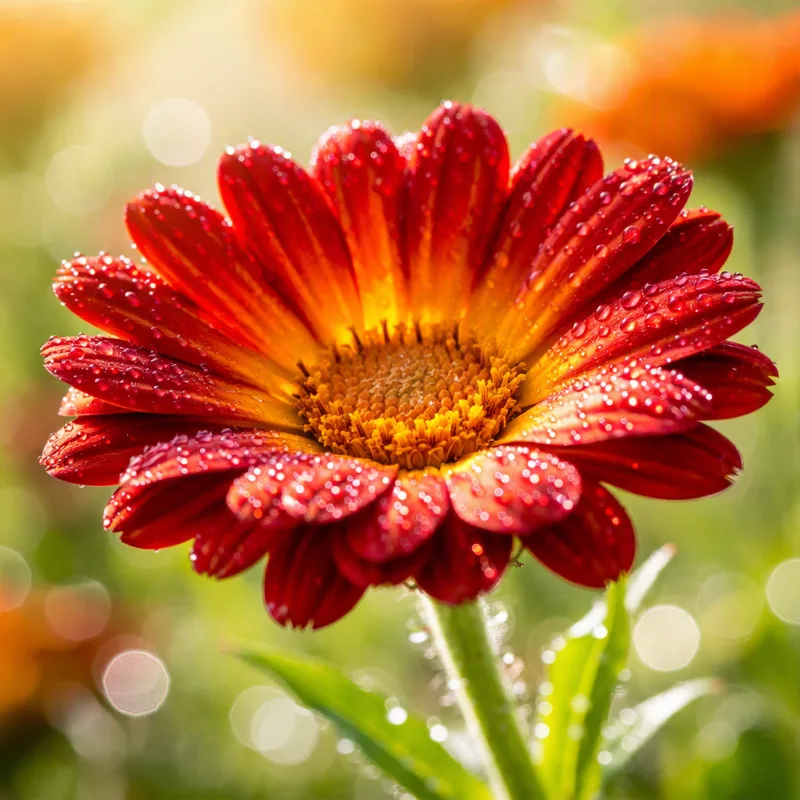
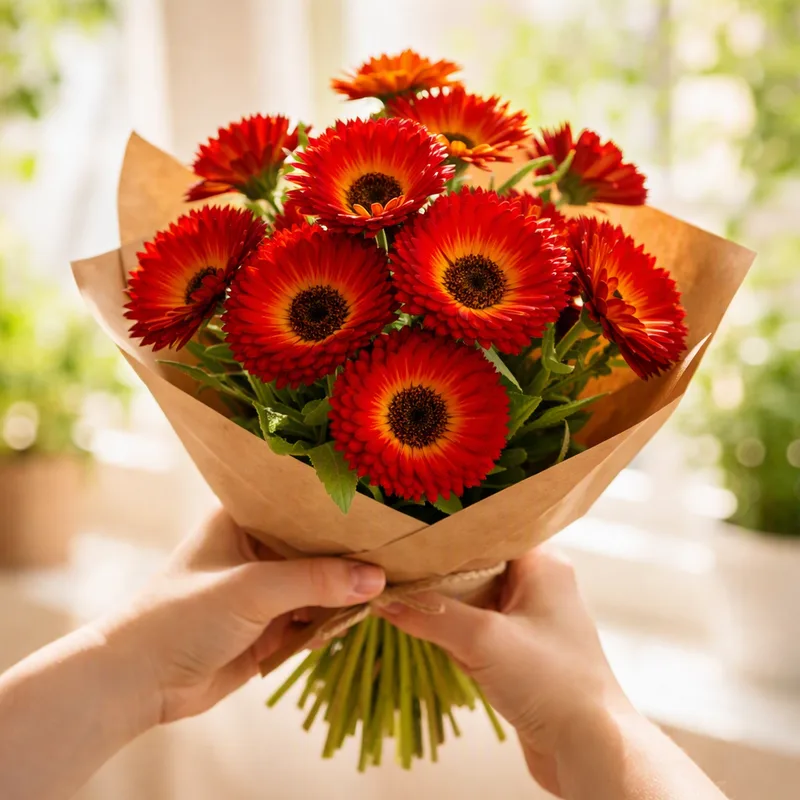
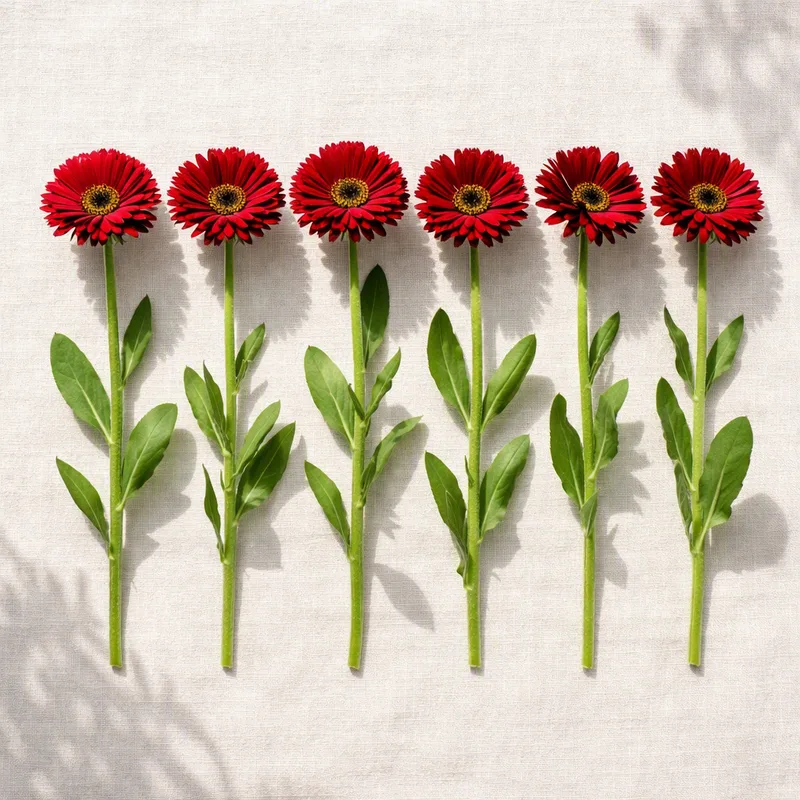
Natural Calendula officinalis never reaches pure red, so red calendula means a selection with strong orange-red tones. 'Indian Prince' is described as dark orange-red, and some strains carry mahogany backs on the petals so that the flower looks richer when seen from the side. In bright light the shade often looks redder than it does in a photograph or on a packet.
Using red tones
Rusty petals pair well with bronze fennel, dark dahlias and golden grasses in an autumn-leaning border. Beside blue flowers, such as cornflower, they give a vivid contrast. The same plant is good for filling gaps between perennials because it grows quickly and flowers from June until October.
Practical growing
- Sow seed in spring after the worst of the cold, then thin seedlings to leave a hand's width.
- Pick a sunny site; good drainage matters more than rich soil.
- Deadhead to keep the plant producing, and let one or two heads ripen for seed.
- Water in dry spells, particularly in pots, though Irish summers rarely demand much.
Plants usually stand 30 to 60 cm tall.
Cutting and arranging
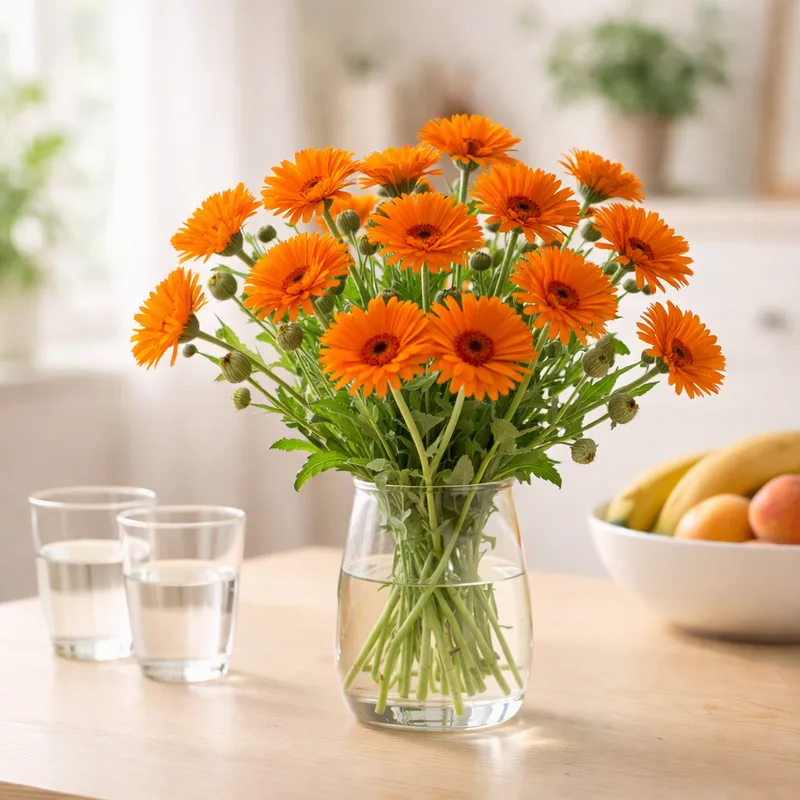
Harvest early in the day when the flowers have opened. In water, calendula keeps for five to eight days, and its scent is spicy. Strip lower leaves to keep the vase water clean.
Pets
The ASPCA lists pot marigold, Calendula officinalis, as non-toxic to dogs and cats. People who react to plants in the daisy family should handle it carefully.