
From blush to magenta
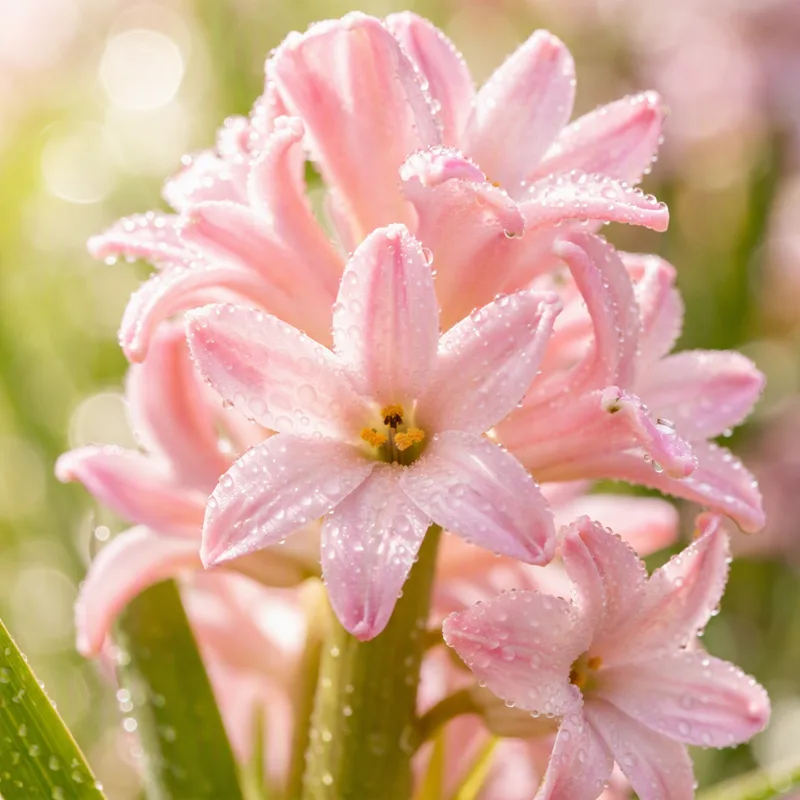
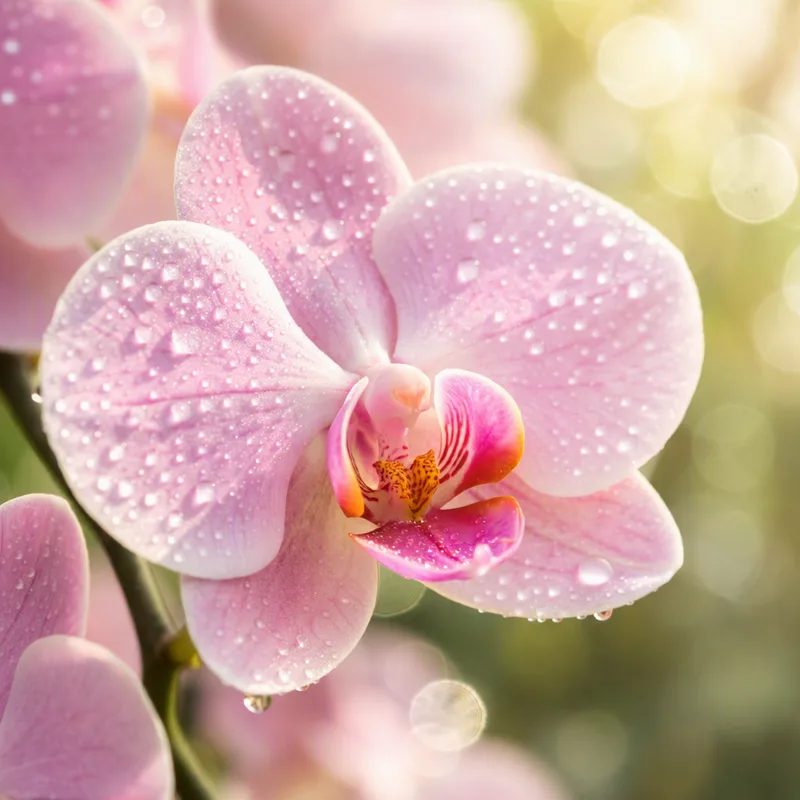
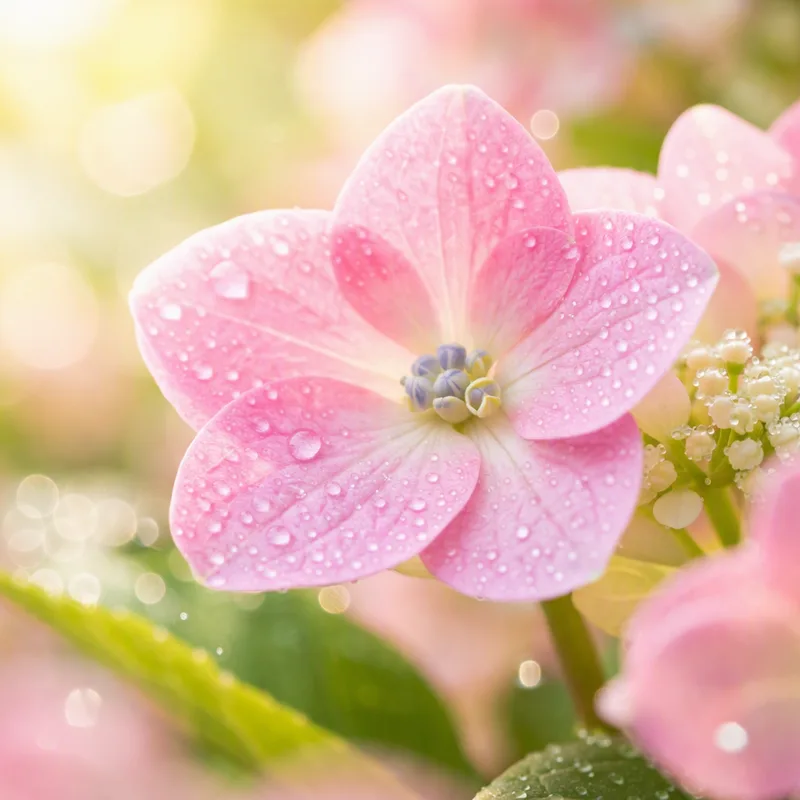
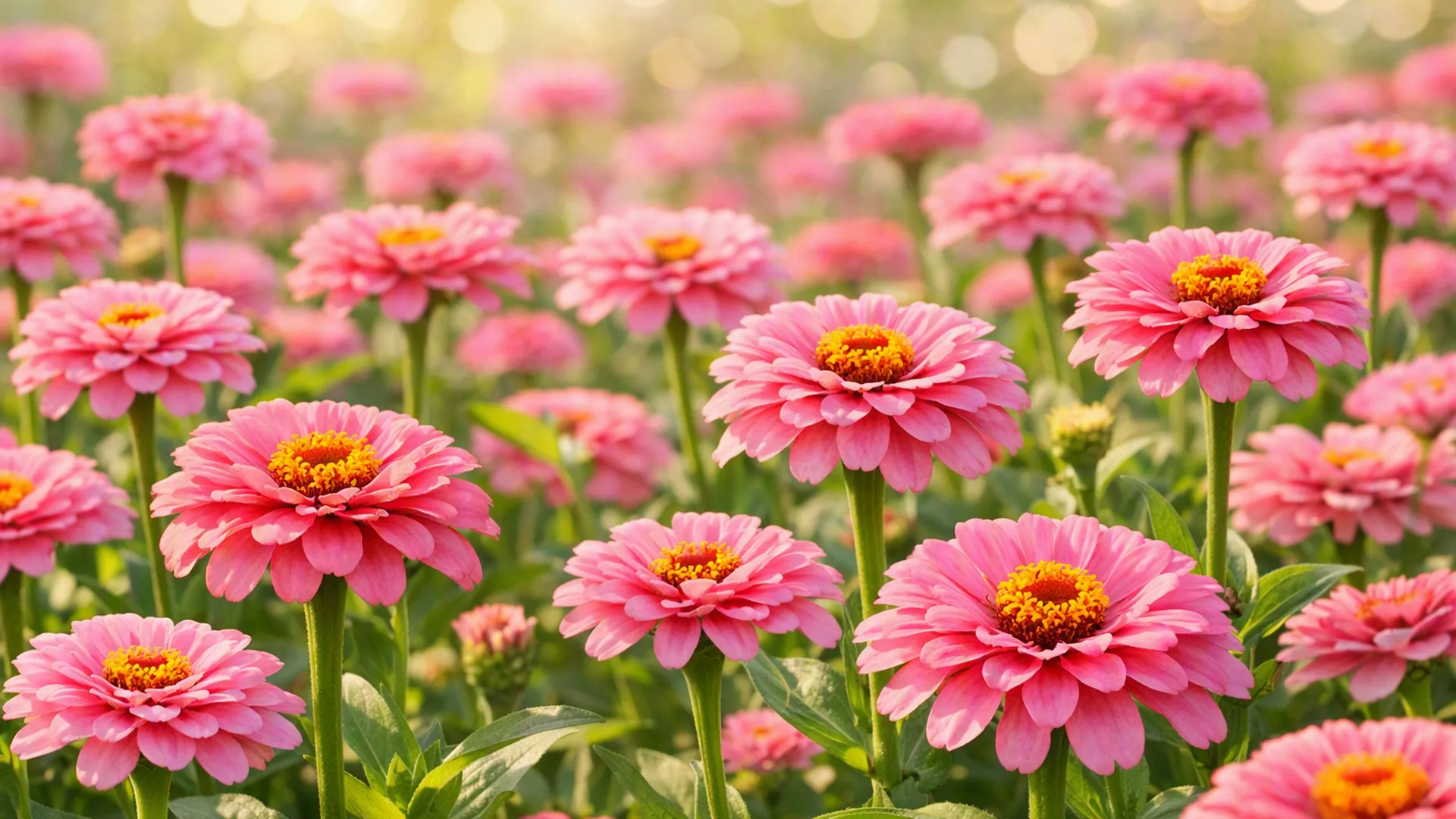
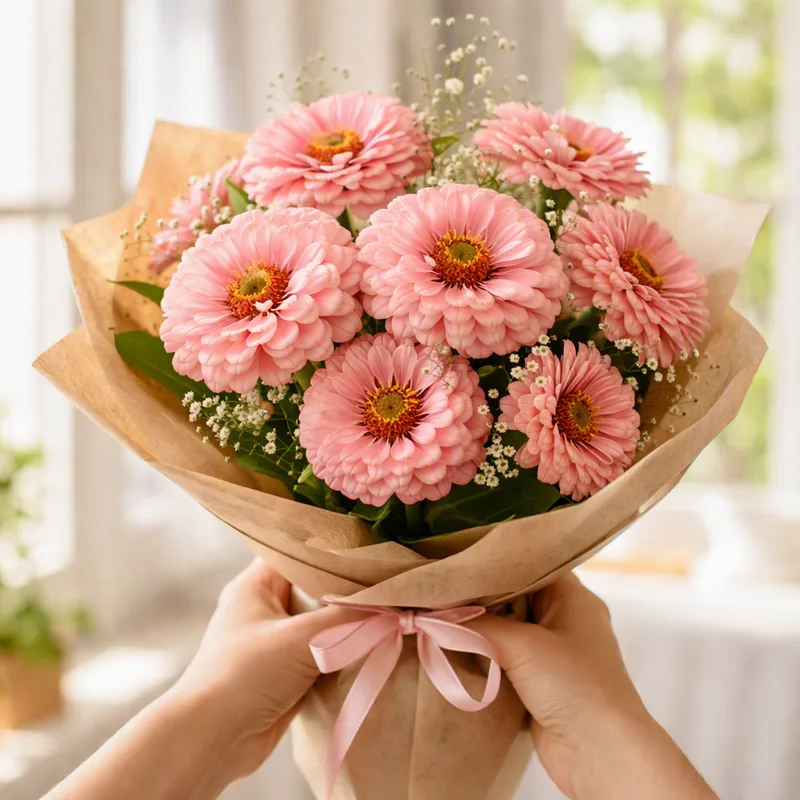
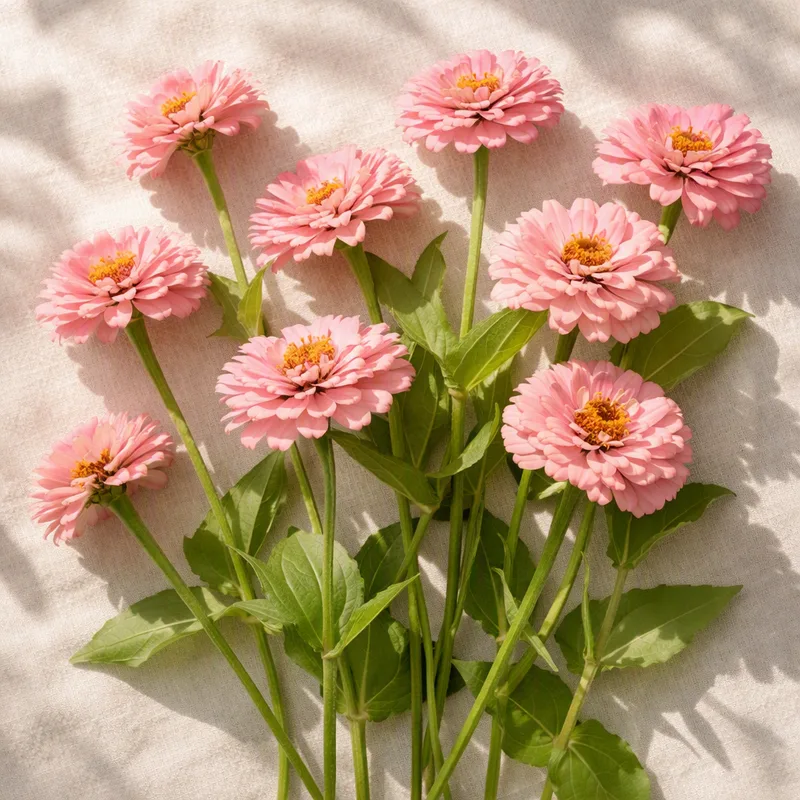
The wild zinnia is purple, and breeding opened the whole pink spectrum: soft pastel, rose, salmon-pink and strong magenta, some with paler or striped petals. Flower heads can be single and daisy-like or double and pom-pom shaped. In the language of flowers pink suggests affection, and zinnias themselves are associated with long-lasting friendship, which gives a late-summer jar a sensible message.
Raising them in a damp climate
Pinks are as easy as any other zinnia colour but share the plant's dislike of cold, wet soil. The key points for Ireland:
- Wait until the last frost has passed before planting out, usually late May.
- Choose a sheltered, sunny spot with free-draining soil, or grow in large pots with good compost.
- Look for mildew-resistant series if your area gets humid summers.
- Slugs love young plants, so protect the seedlings.
Heights vary from low edging types to cutting varieties of up to about 90 cm, so read the label and plan accordingly.
Garden role
Pink zinnias suit a cottage-style mix with cosmos, sweet peas and snapdragons. Used with deep purple or burgundy flowers they look richer, and with silvery foliage they look softer.
Picking and caring for cut stems
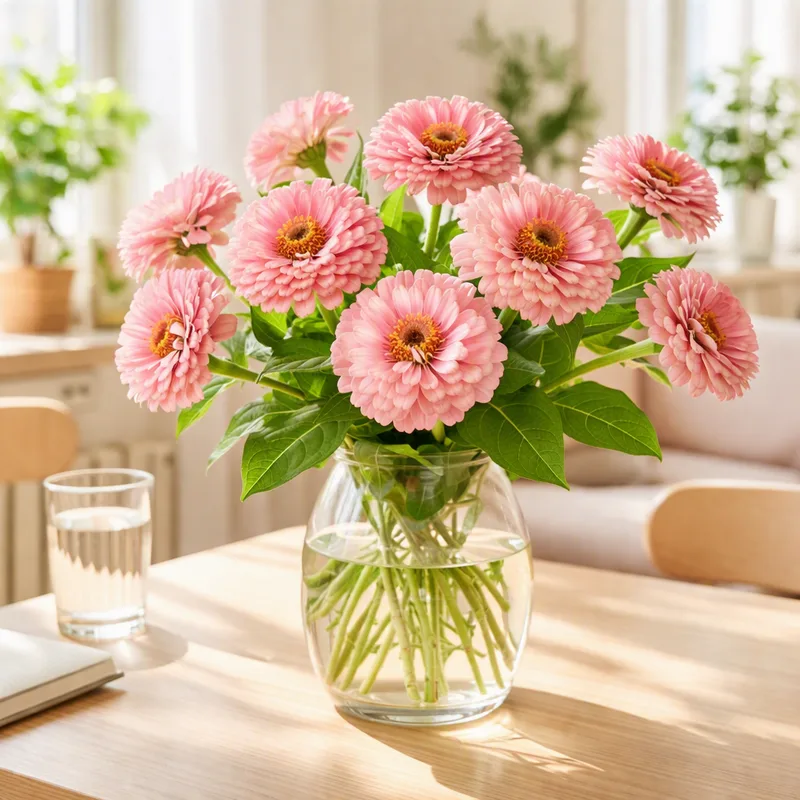
Cut stems when the flower is fully open and the neck is firm. Put them into clean water and replace it often, since zinnias cloud it fast. A bunch should last a week to ten days.
Zinnias and animals
According to the ASPCA, zinnias are non-toxic to dogs, cats and horses.