

What makes the white forms useful
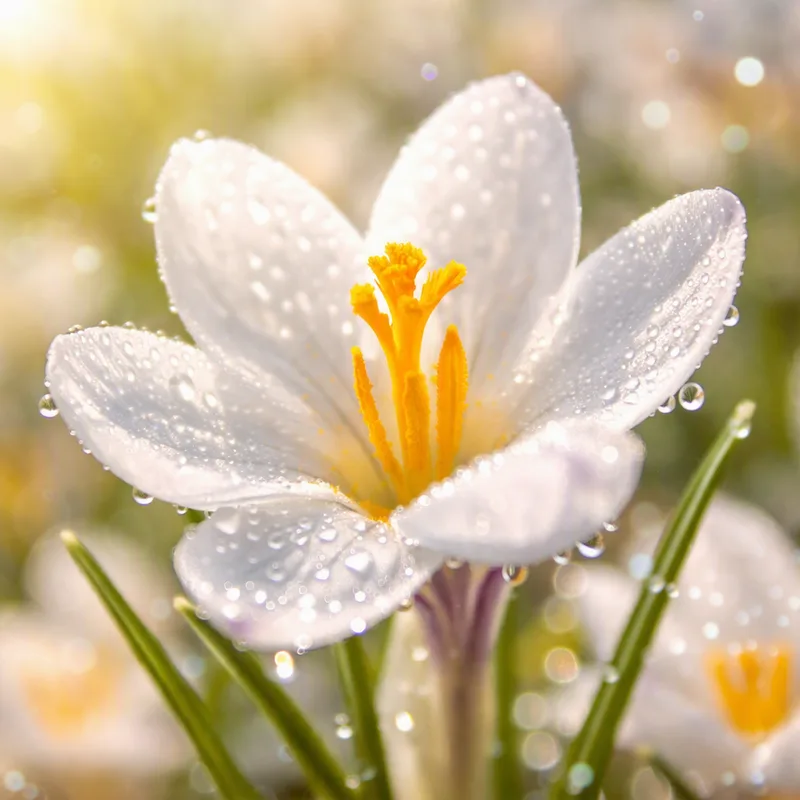
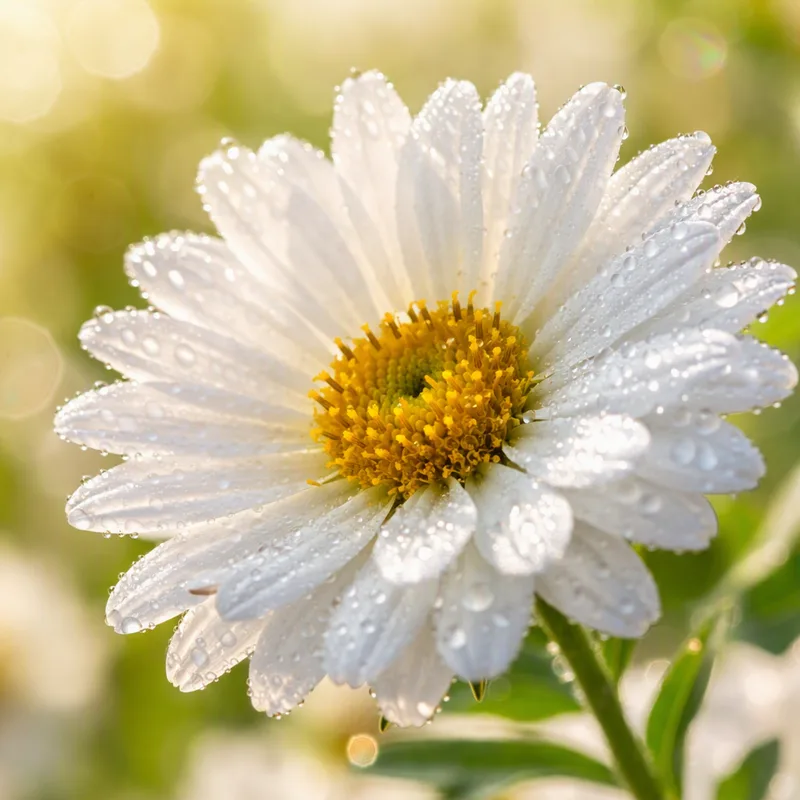
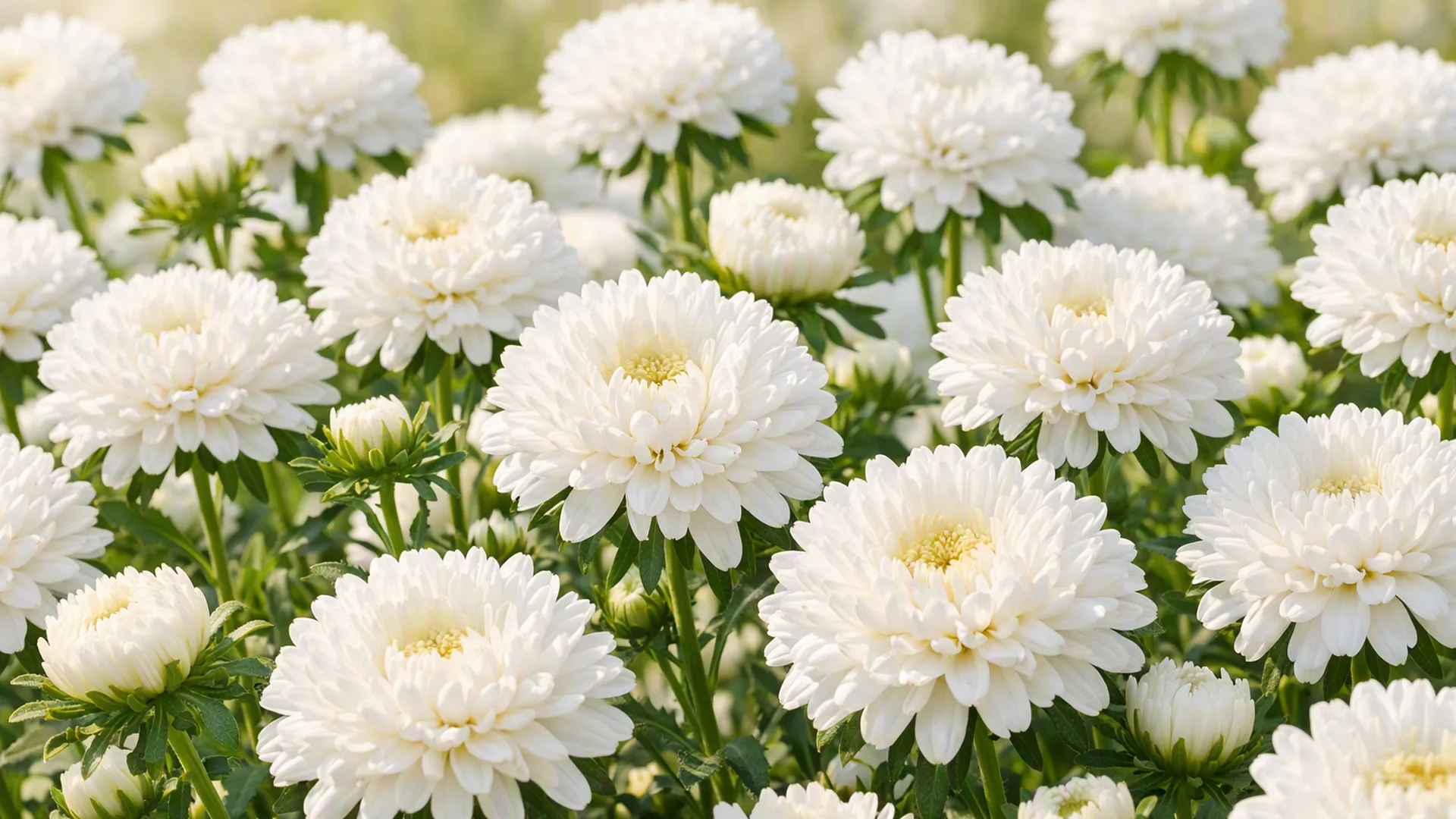
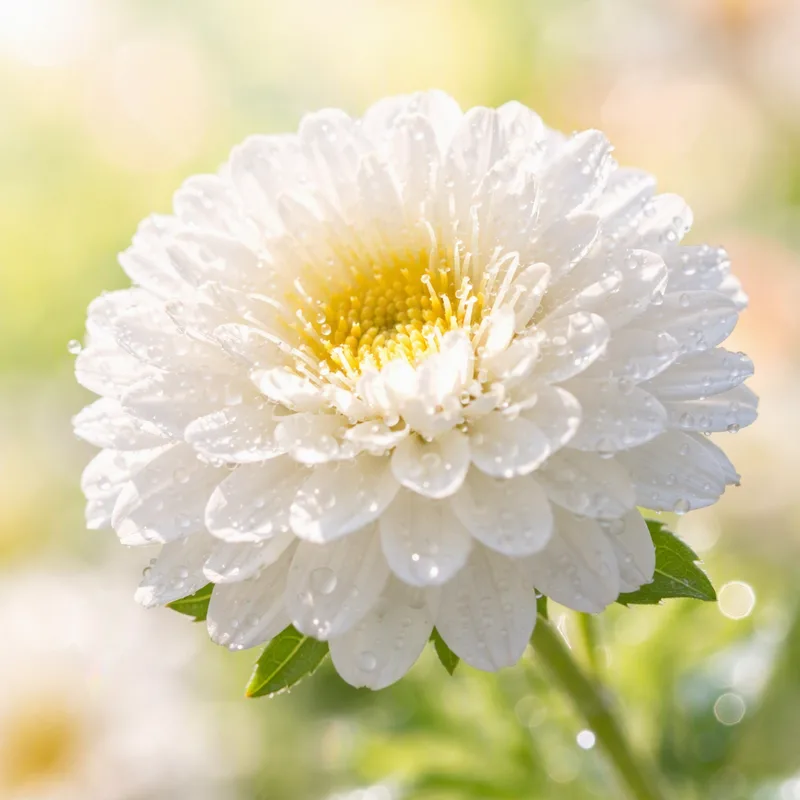
White China asters are the peacemakers in a bouquet. They calm stronger colours and show up well in the soft light of an Irish evening. The plant, Callistephus chinensis, comes from China and Korea; garden forms range from single daisies with yellow centres to full, shaggy doubles.
Meaning
Asters in general are traditionally linked with love, patience and daintiness, and in the language of flowers a white form suggests innocence. The name of the genus comes from Greek words for beautiful and wreath.
A season of white
Plan the sowing so there is no gap between spring bulbs and autumn dahlias.
- Sow indoors in March to April, or outdoors in May.
- Plant 25 to 30 cm apart in a sunny, fertile bed.
- Water in dry spells and feed every fortnight.
- Cut stems early in the morning when the first petals open fully.
Troubles to watch
Fusarium wilt is the main disease, and leafhoppers, aphids and mites can also bother them. Rotate beds every year. A cool, wet Irish summer also means slugs and grey mould, so give the plants space and air.
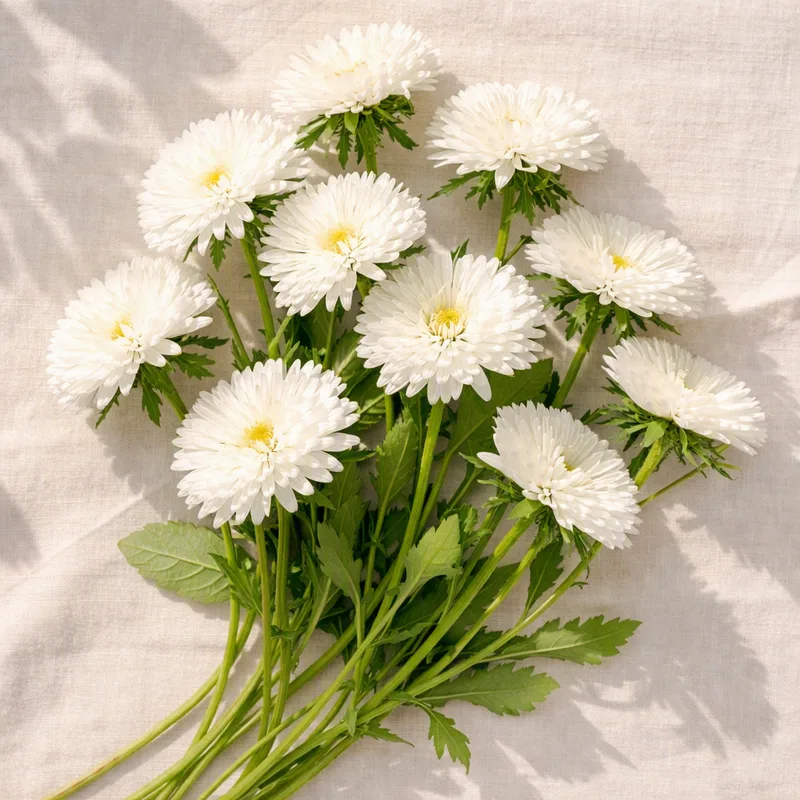
Cut stems when the flowers are about two-thirds open. Remove leaves below the water, use clean water and top up every couple of days. Whites look lovely with sweet peas and with blue cornflowers, and they hold up well in a summer wedding table arrangement.
Pet-friendly
The ASPCA lists China aster as non-toxic to dogs, cats and horses, so white asters are among the safer choices for homes with animals.