Rose, not candy
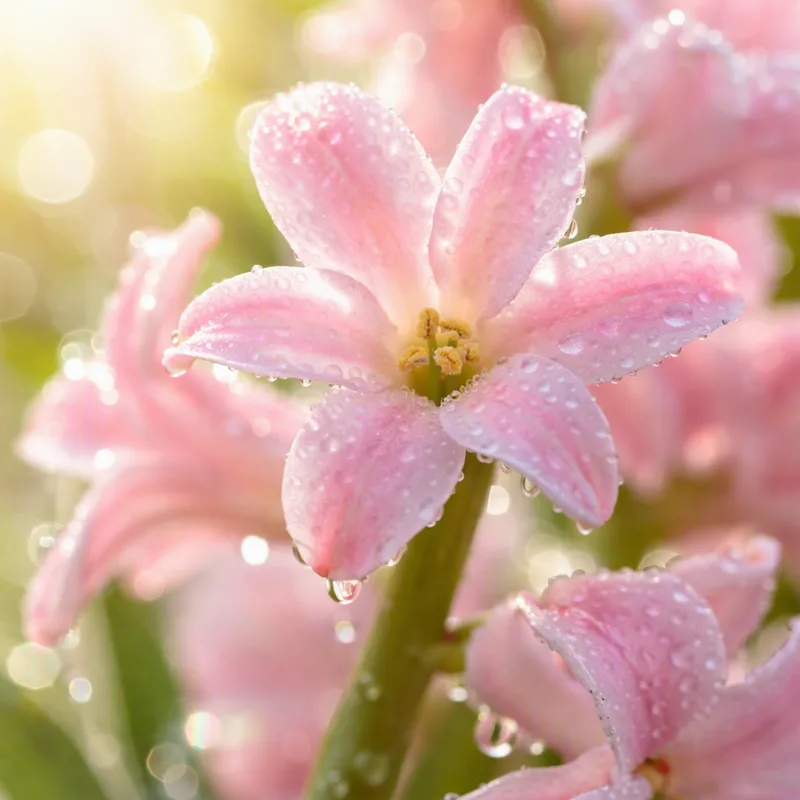
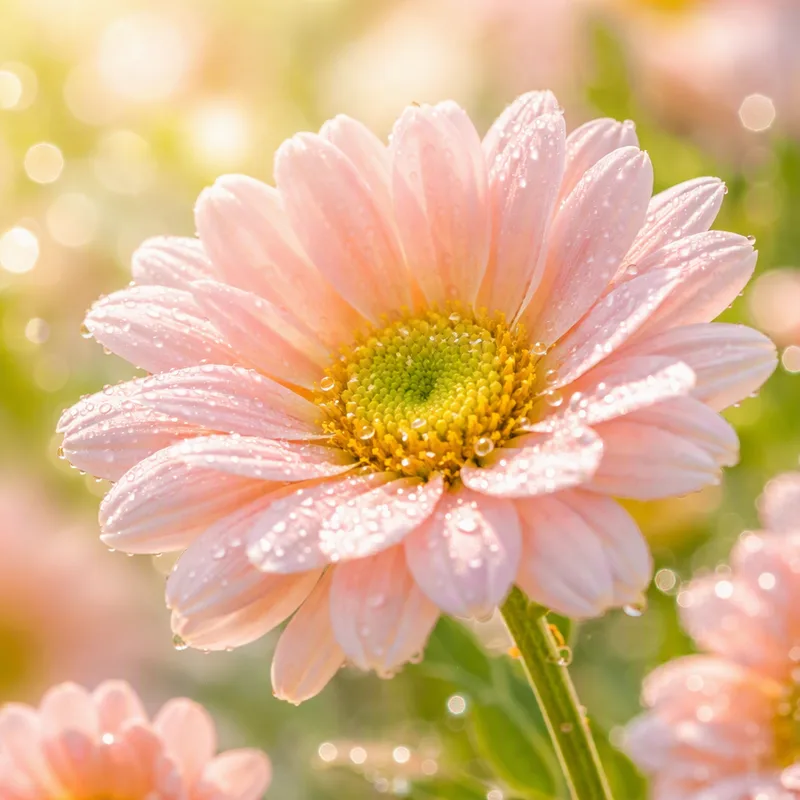
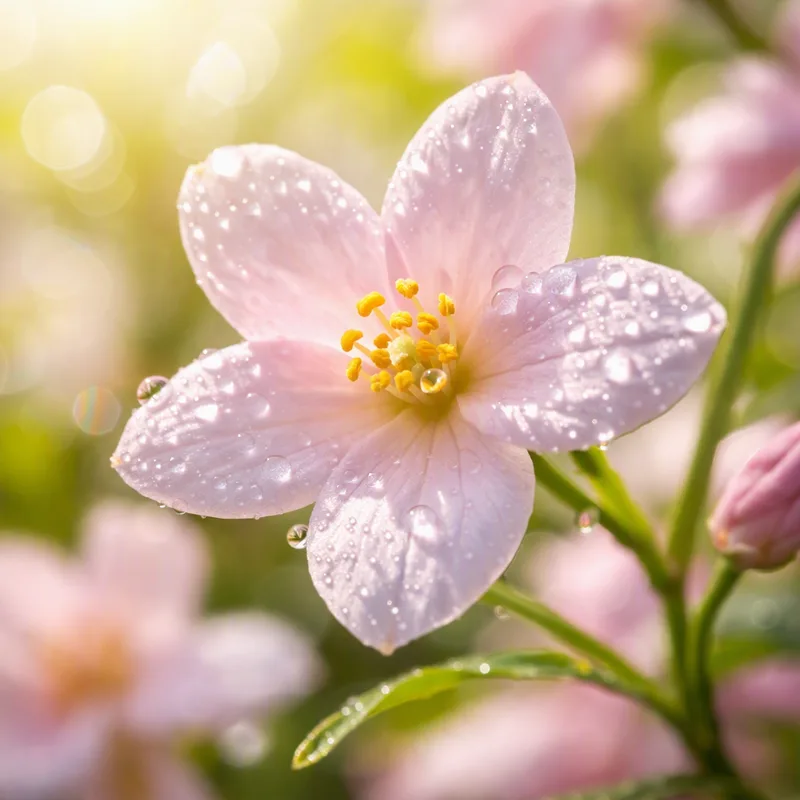
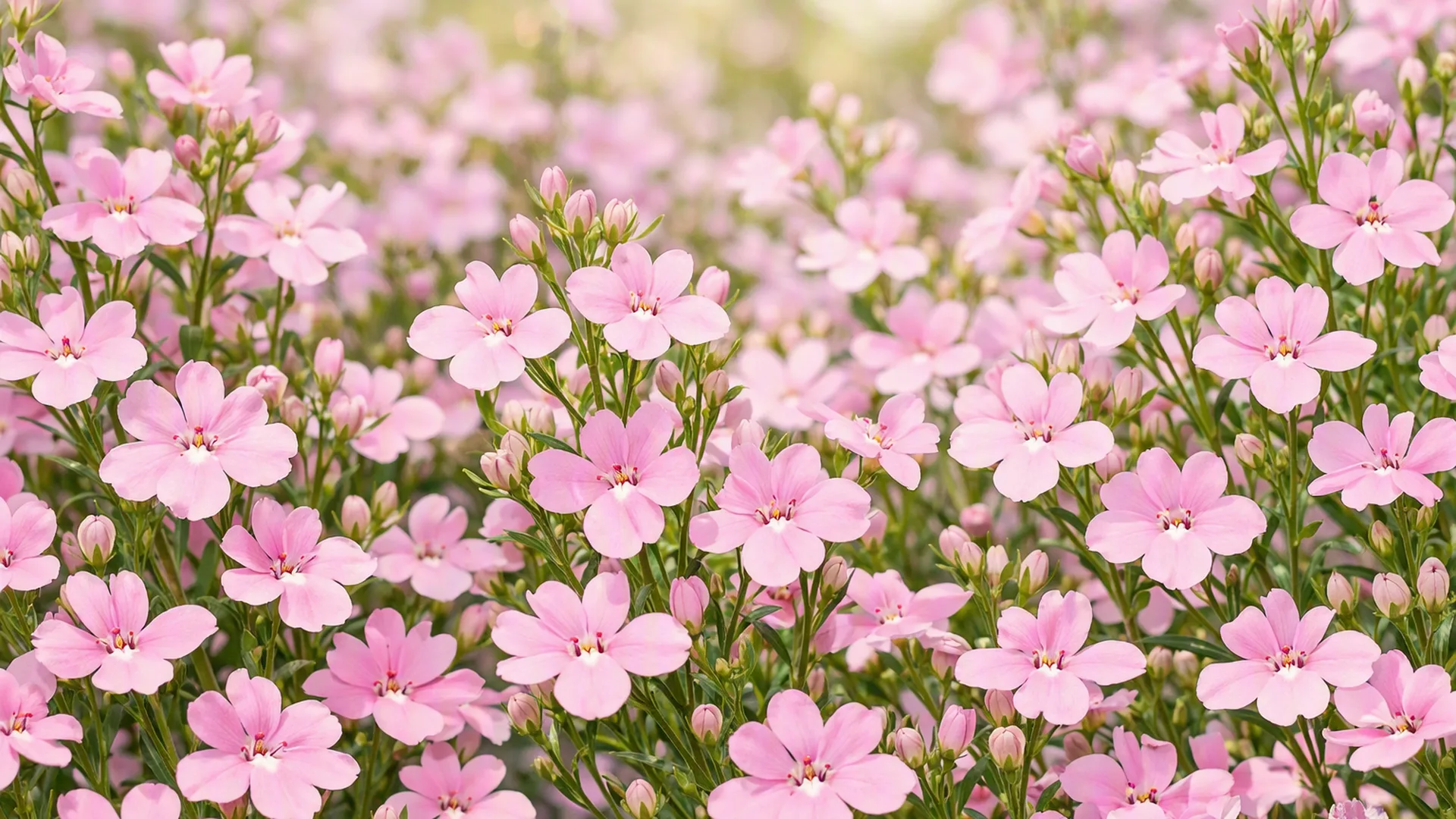
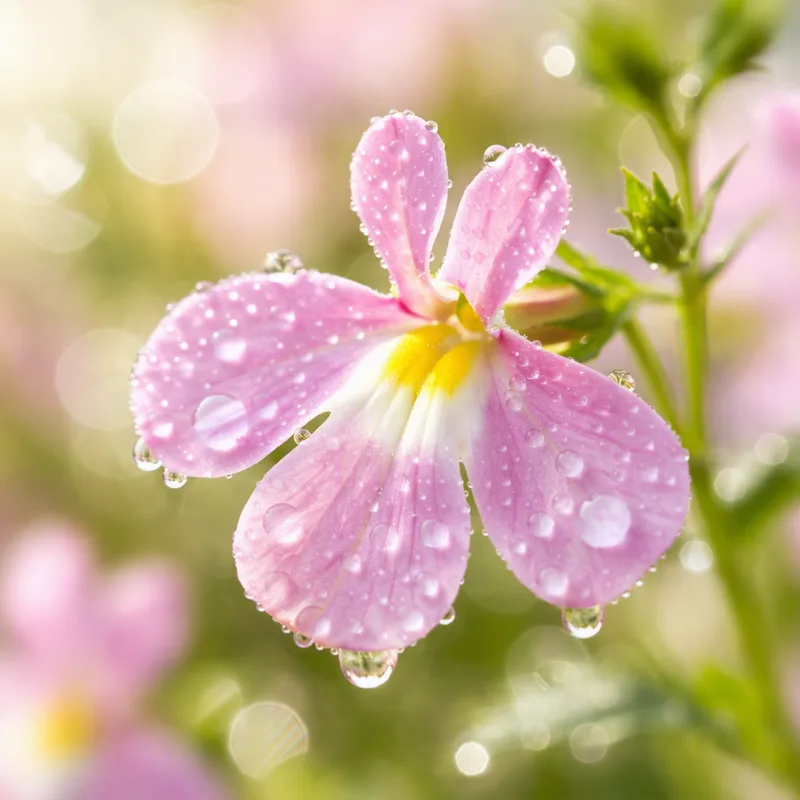
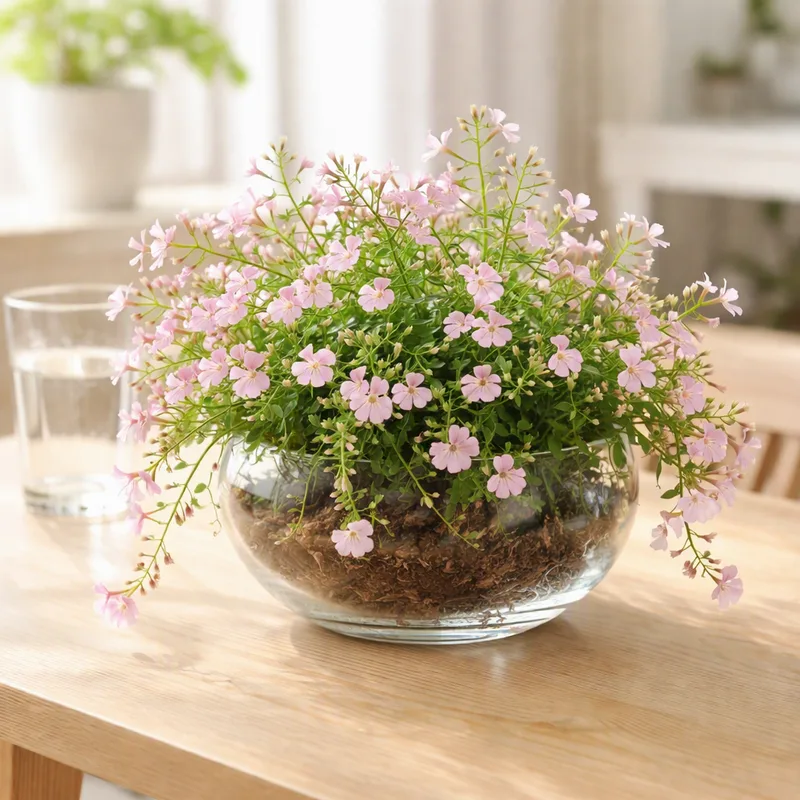
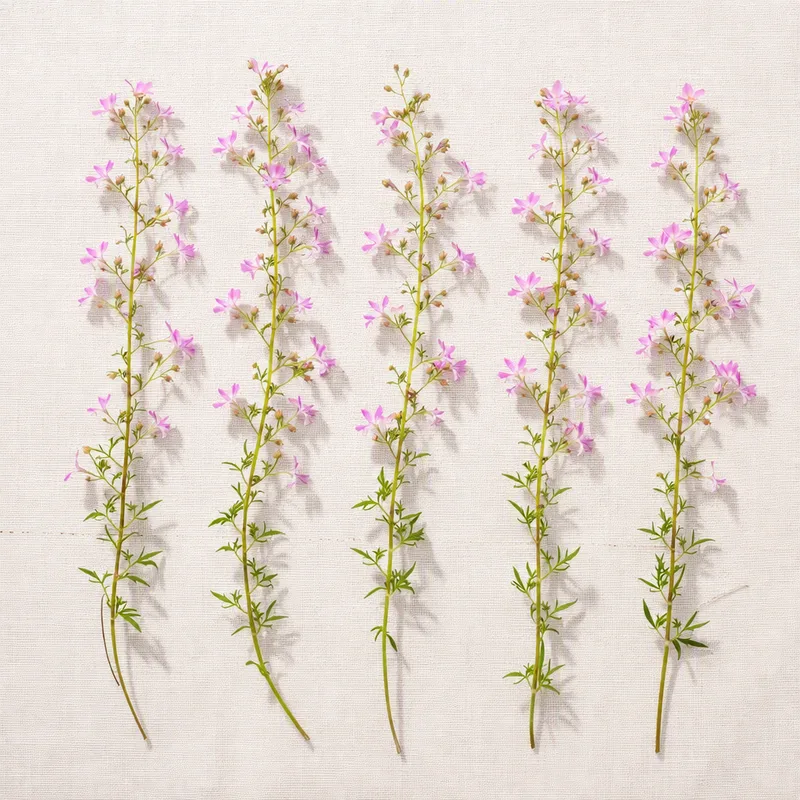
Pink forms of Lobelia erinus run from pale rose to a deeper pink, almost always with a white or pale eye. Several are sold as series, and 'Riviera Rose' is named among the well-known cultivars. The plant is the same small South African species as the blue one, selected over many generations for a different pigment.
A summer in the Irish climate
Lobelia likes cool, moist conditions, and a typical Irish summer suits it better than a heatwave. Wet weather is rarely a problem if the pot has drainage holes. What does hurt is frost, so wait until late May before planting out, and drying wind on exposed sites.
- Plant in full sun or light shade with good compost.
- Water small baskets daily in a dry spell.
- Feed every two weeks for a long display.
- Shear the plant by a half in midsummer if it goes leggy.
What a pink lobelia says
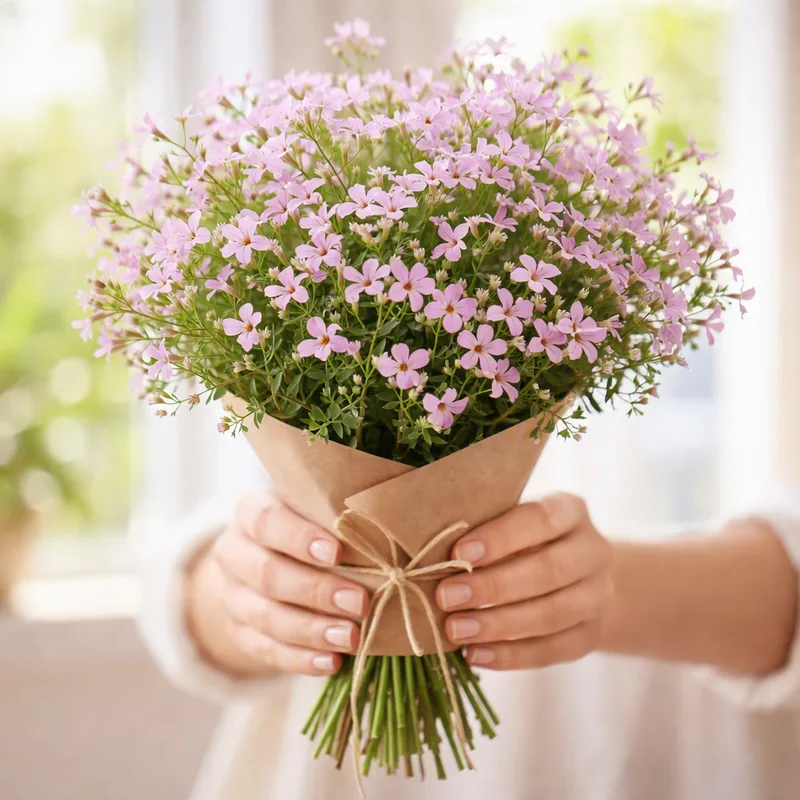
Pink generally stands for affection and gratitude. A basket of pink lobelia by the front door makes a cheerful welcome for Mothering Sunday guests, though the plants will not be ready to flower in March, so buy plugs for later in spring.
Chewing and handling
All lobelias contain alkaloids and are not meant to be eaten. The ASPCA lists the cardinal flower, a different Lobelia, as toxic to dogs, cats and horses, and signs include drooling and vomiting. If a child eats any, contact the National Poisons Information Centre; for a pet, ask your vet.