Cream and heavily scented
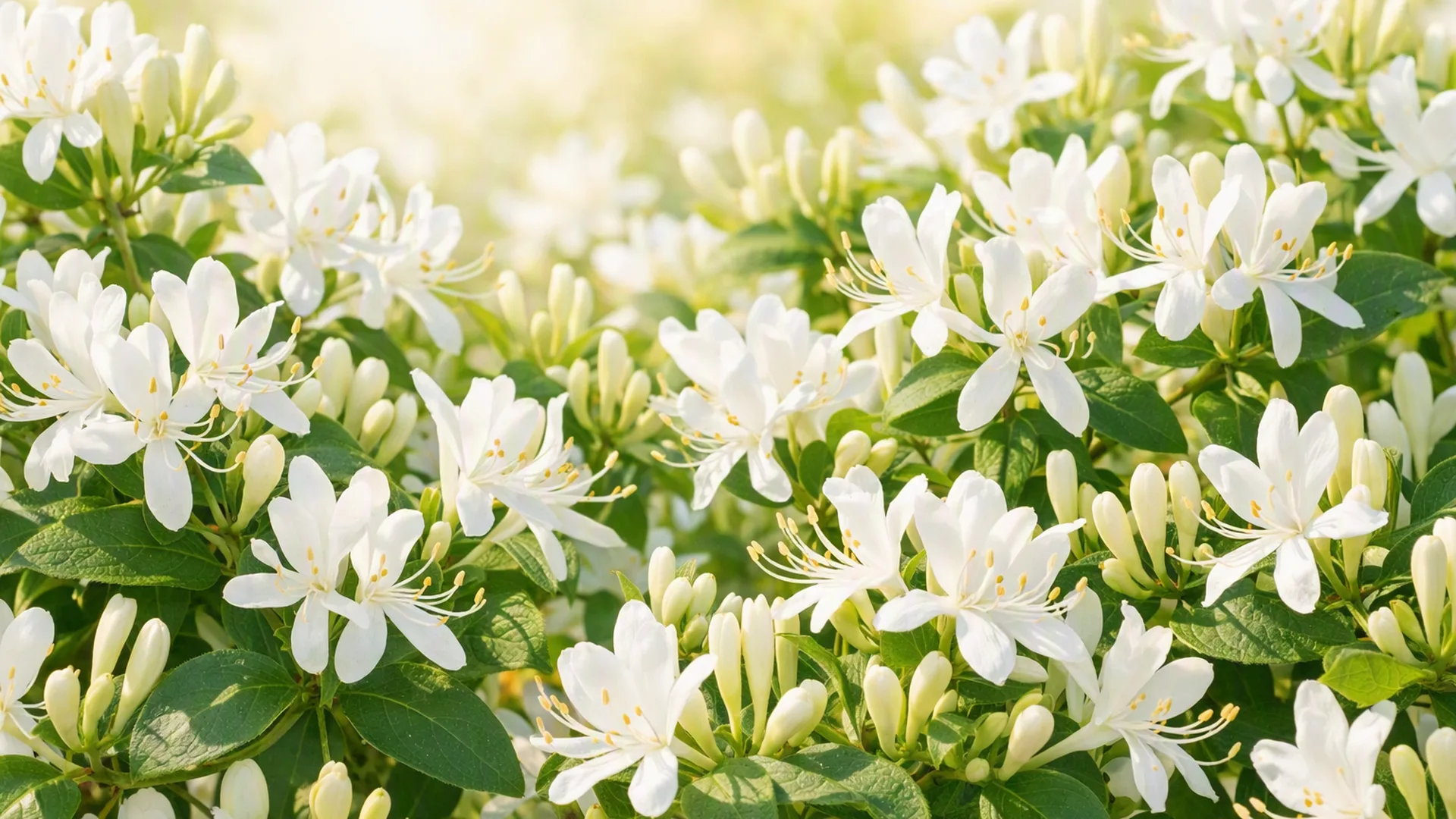
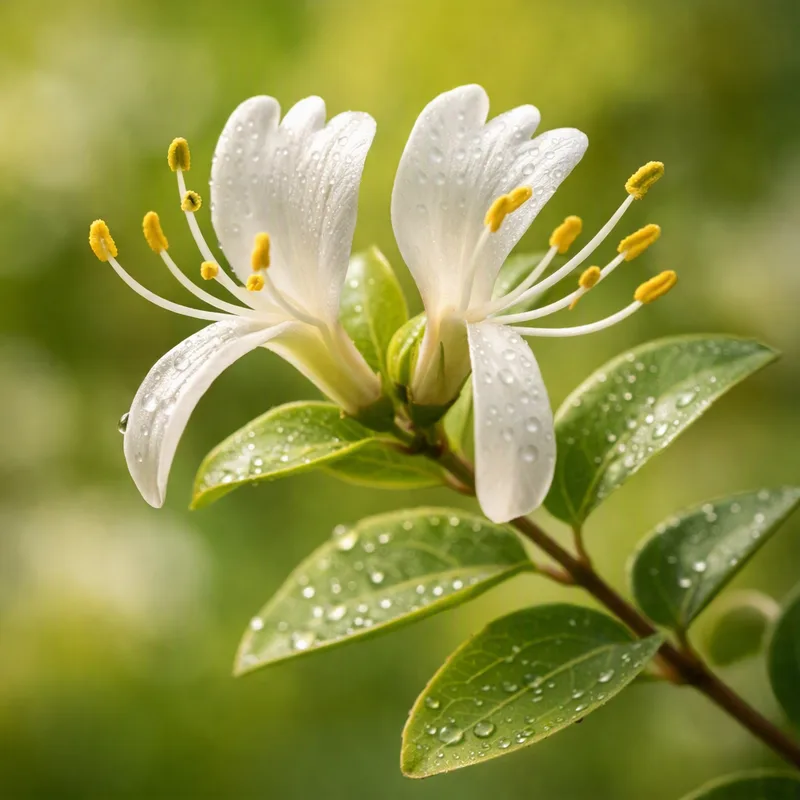
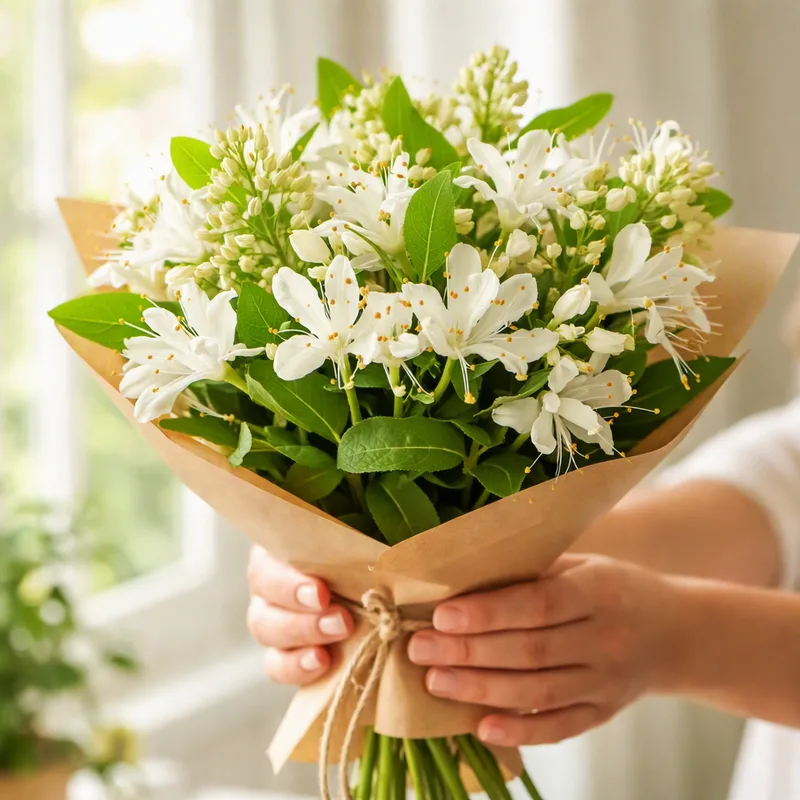
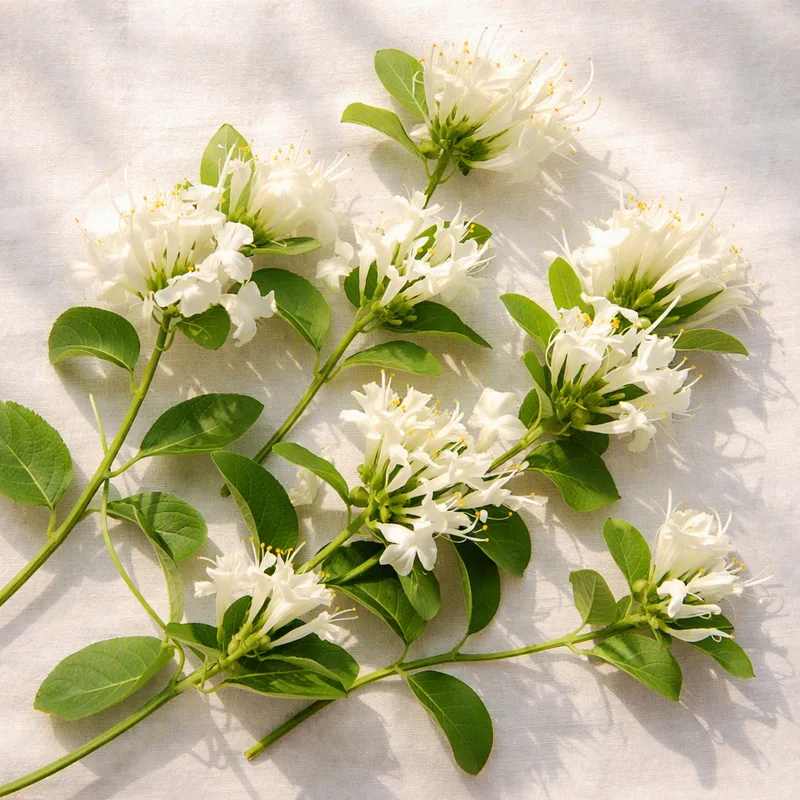
Creamy to ivory flowers are found on the Italian honeysuckle (Lonicera caprifolium). The flowers are carried in whorls at the shoot tips, open white and turn yellowish with age. Japanese honeysuckle (Lonicera japonica) is also white at first and turns yellow, and in mild regions it keeps part of its foliage over winter.
When buying, look for strong, well-branched shoots rather than a plant already in full flower. Plant in spring or autumn; the first proper display often waits until the second year. If you have a seat by the house, put the plant on the side sheltered from the wind so the scent is not blown away.
Why the scent peaks at night
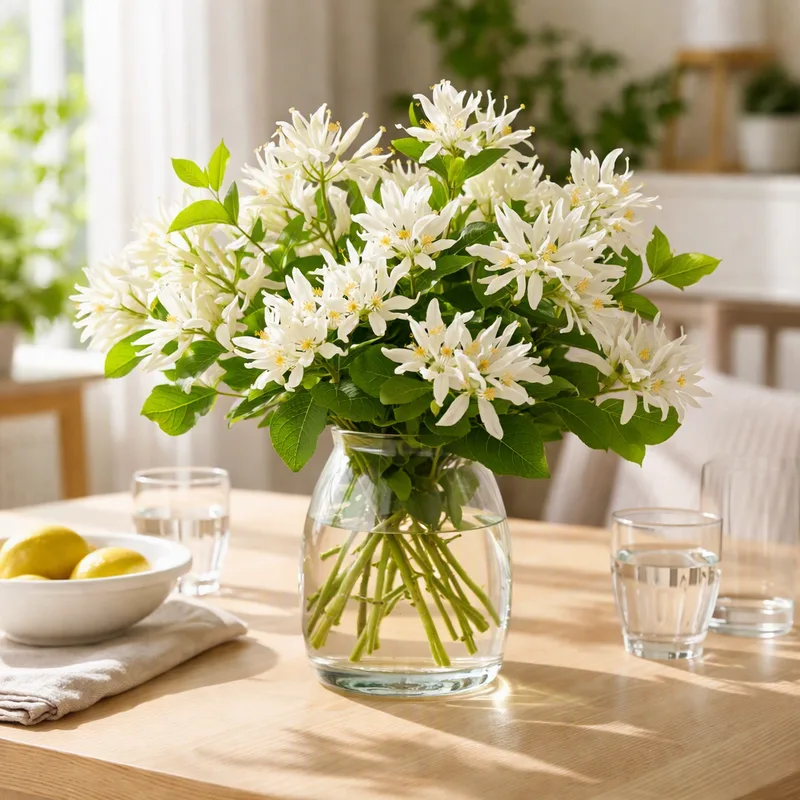
Pale flowers show up in the dusk, a clue to who pollinates them: moths drawn in by the fragrance. Trained on a trellis beside a patio, honeysuckle brings that perfume to summer evenings. It is far more a garden climber than a cut flower, and the blooms barely last in a vase.
Planting and pruning
- Choose fertile soil that holds moisture, with roots shaded and cool.
- Guide the shoots onto a trellis or wires; they twine by themselves.
- After flowering, thin the plant and cut out dead wood.
- Mulch around the base to hold moisture, helpful on free-draining soils.
Safety
The berries are mildly poisonous and unpleasant for children. The National Poisons Information Centre can advise if someone has swallowed them, and emergency services should be called if breathing or consciousness is affected. Keep berries away from pets and speak to your vet if an animal has eaten some.