Pale forms of a blue flower
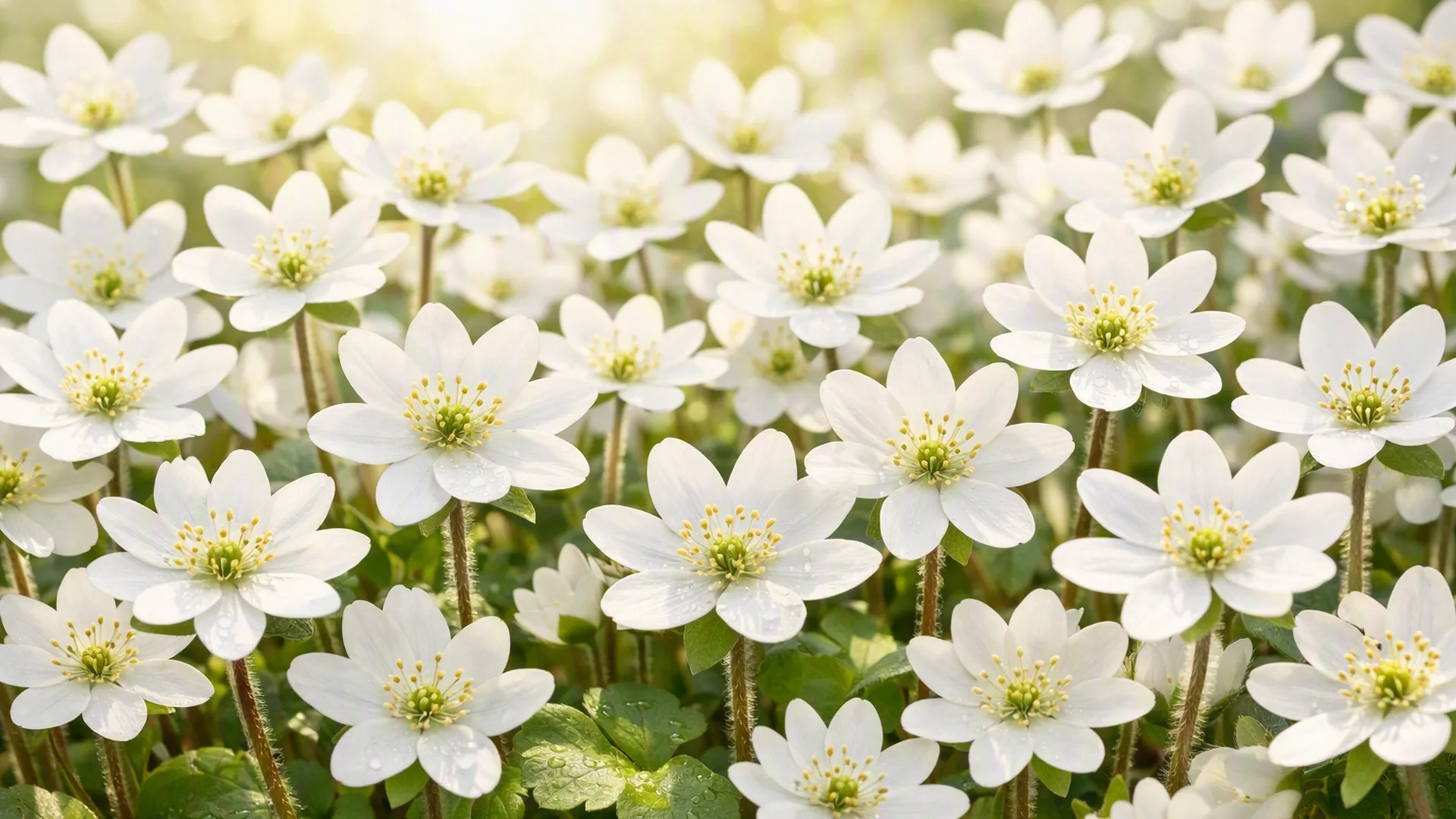
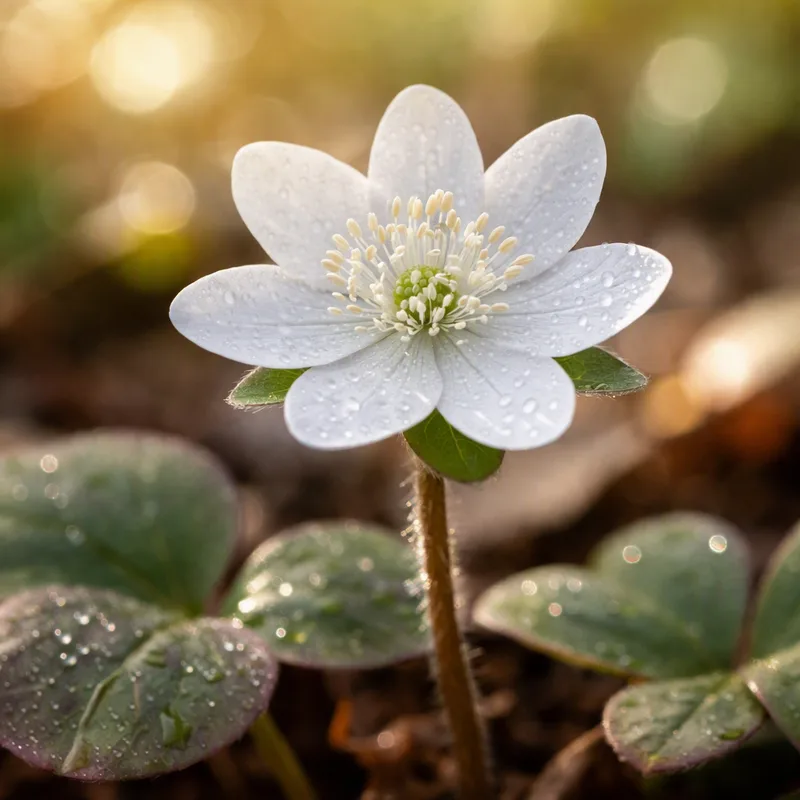
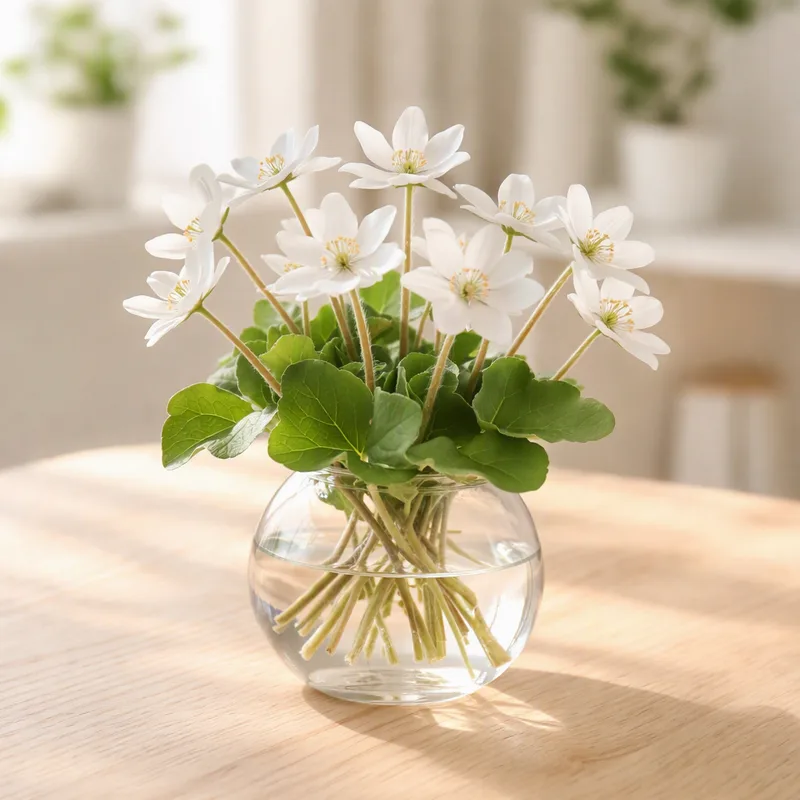
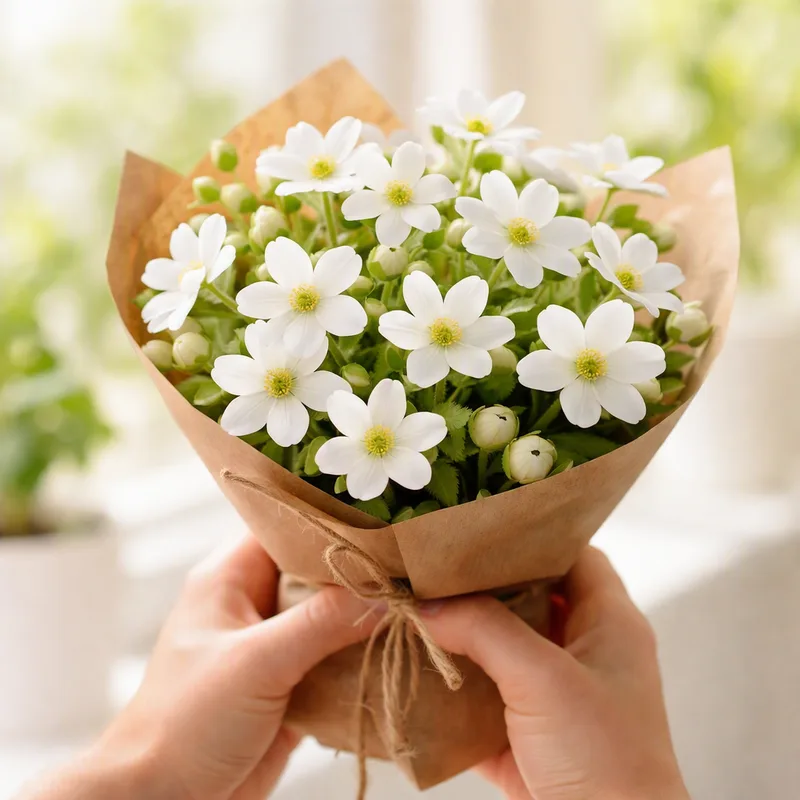
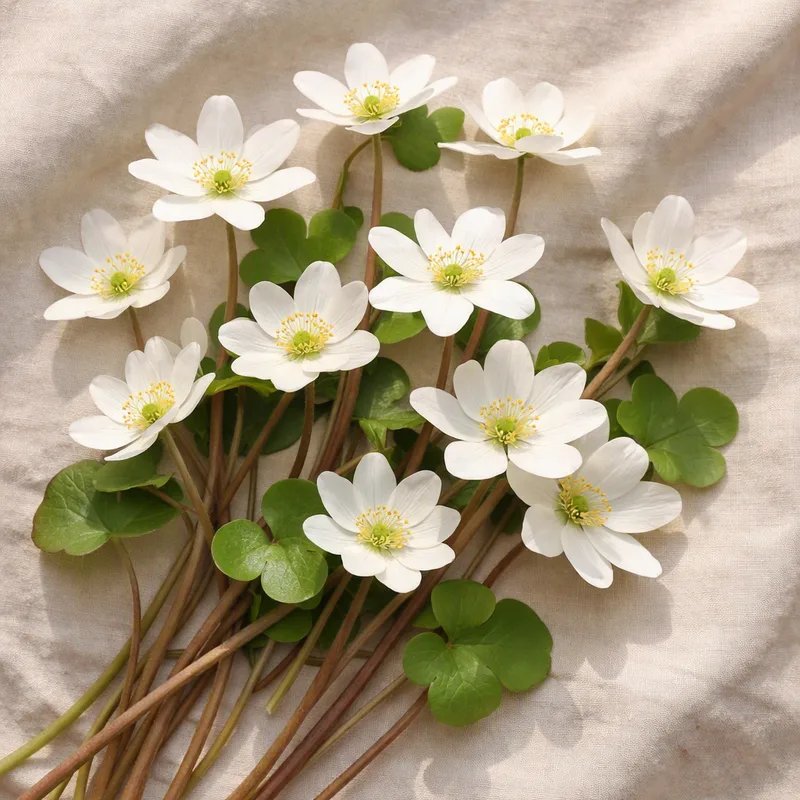
The wild flowers of Hepatica nobilis are usually deep blue to blue-violet, and white or pink are the exceptions. When you find a white one, either in a nursery or a woodland, you are looking at a naturally occurring colour variation, not a different species. The genus as a whole shows pink, purple, blue or white sepals, with three green bracts directly below them.
Searches such as "pale hepatica" and "hebatica" show how little-known the plant is by name. The correct spelling is hepatica, and the plant is also known as liverleaf or liverwort.
A flower for early insects
The blooms appear from late winter to spring. They produce pollen but no nectar, so early bees search first for nectar and then return to collect pollen when the stamens release it. Butterflies, moths, flies and beetles are also recorded as visitors to the genus. On a mild Irish day in March, a white hepatica can be one of the first food sources in a shady border.
Where to plant
- Partial shade under deciduous trees, where it receives spring light.
- Soil rich in humus that never dries out or sits wet.
- A spot where you will not disturb the roots; growth is slow.
Reading the meaning
The meaning most often quoted traces to the leaves, which resemble a liver, rather than to the flowers. That is where the old name comes from and not a symbol of anything in the language of flowers.
Handling with care
Fresh plants contain protoanemonin, so hepatica is slightly toxic and can irritate skin and mouth. Do not chew it, and keep children and animals away. If someone has eaten some, seek advice from your GP or the National Poisons Information Centre.