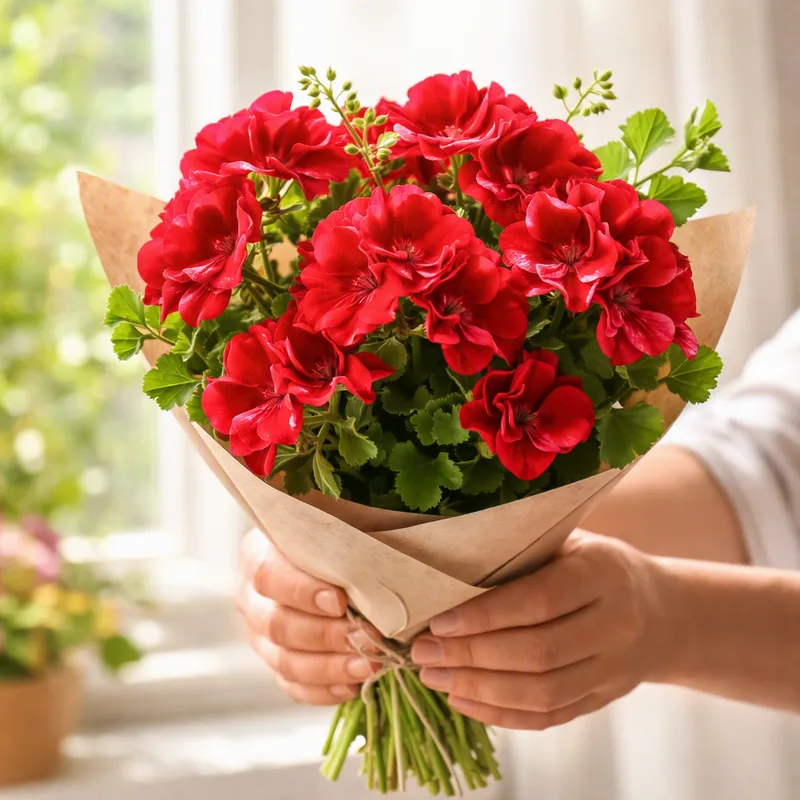
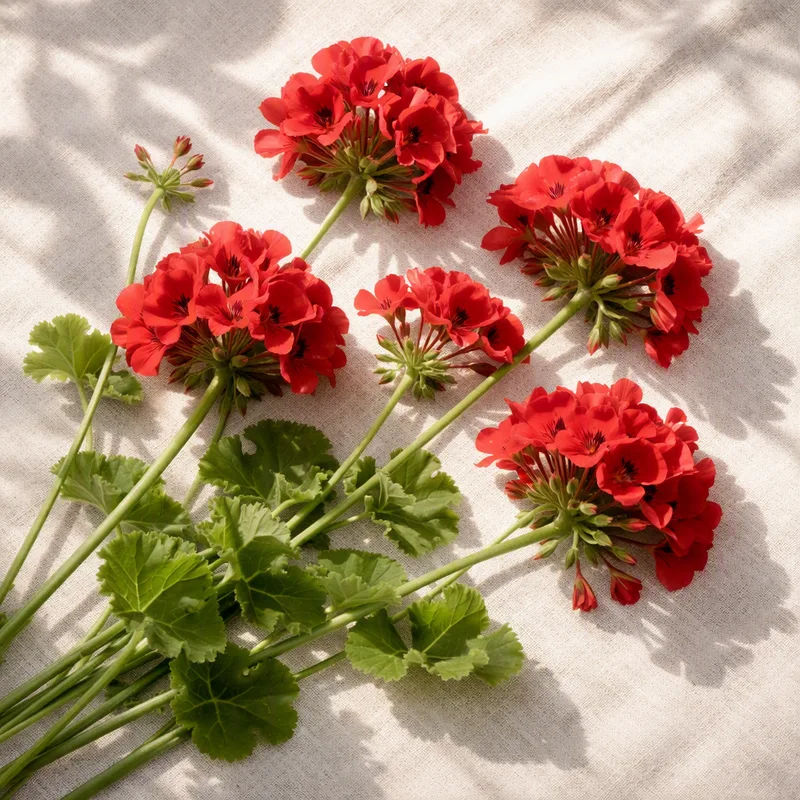
The old scarlet favourite
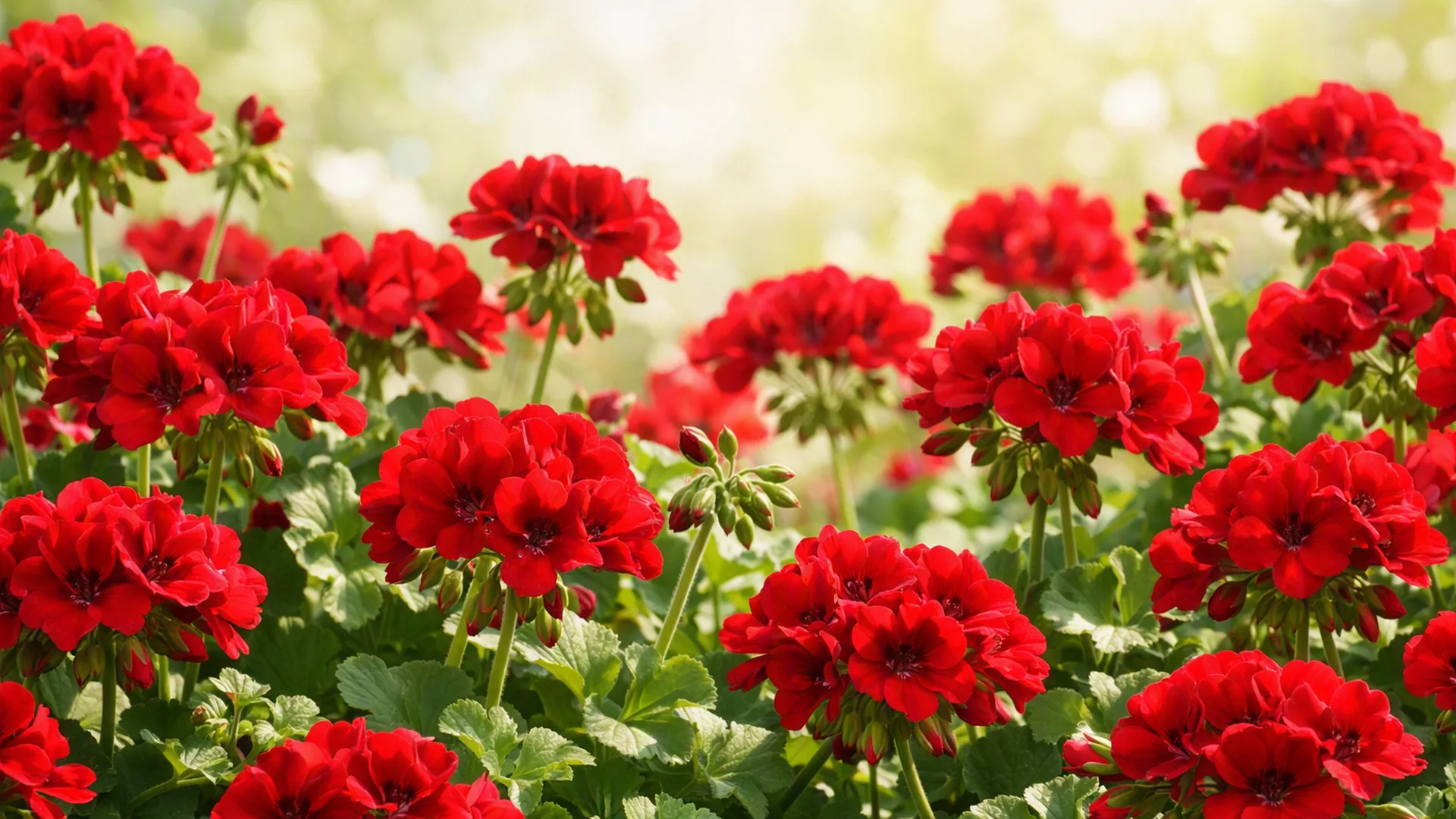
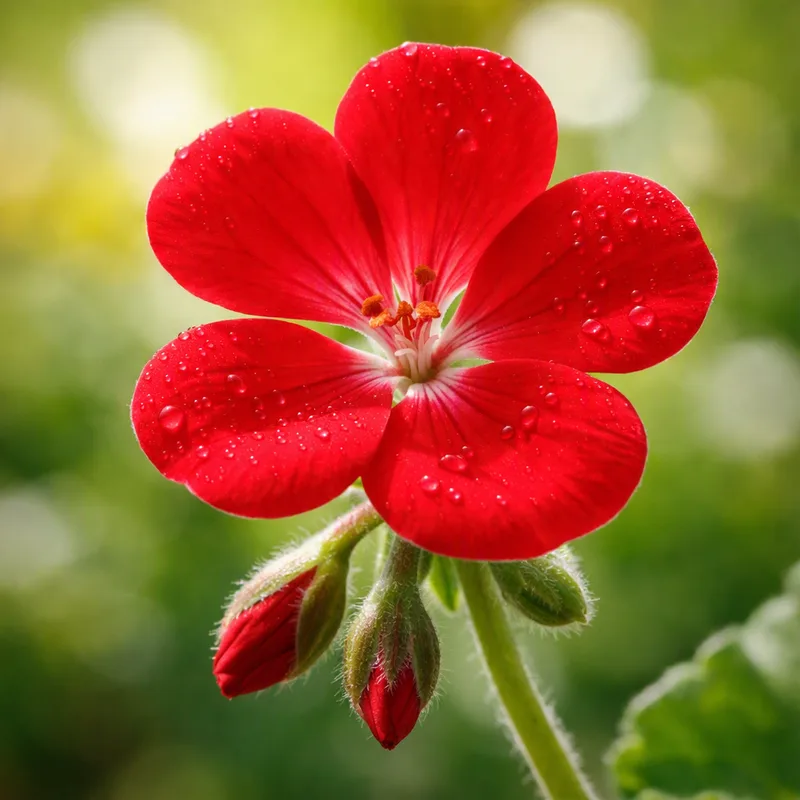
The zonal pelargonium (Pelargonium x hortorum) grew from crosses involving P. zonale and P. inquinans and is named for the dark band, or zone, on the leaf. An old and widely grown red is 'Paul Crampel', which has round heads of single scarlet flowers. Many people call the plant a geranium, but the botanical name is pelargonium.
Looking after it in summer
- Sun: full sun is best, though a little shade is tolerated.
- Water: moderate. Let the compost dry slightly between waterings, which suits the wet climate better than constant soaking.
- Food: a high-potash liquid feed, such as tomato fertiliser, every week or two once growth is under way.
- Tidying: remove faded flowers, especially after rain.
- Spacing: stagnant air favours mould and rust.
Three routes through winter
The plant tolerates drought but not frost. The RHS suggests two main routes: lift the plants before frost and keep them somewhere bright and frost-free, or take cuttings in late summer and grow those on a windowsill. Even a very mild winter can send a freeze, so do not leave pots outside.
Red geraniums and meaning
Search results for red geranium meaning vary. Treat any single claim as tradition at best; the plant is better known for its bold colour than for a fixed message.
Animal safety
Pelargoniums are toxic to dogs, cats and horses, says the ASPCA. Geraniol and linalool bring on vomiting, anorexia, depression and dermatitis.