One genus, thousands of kinds
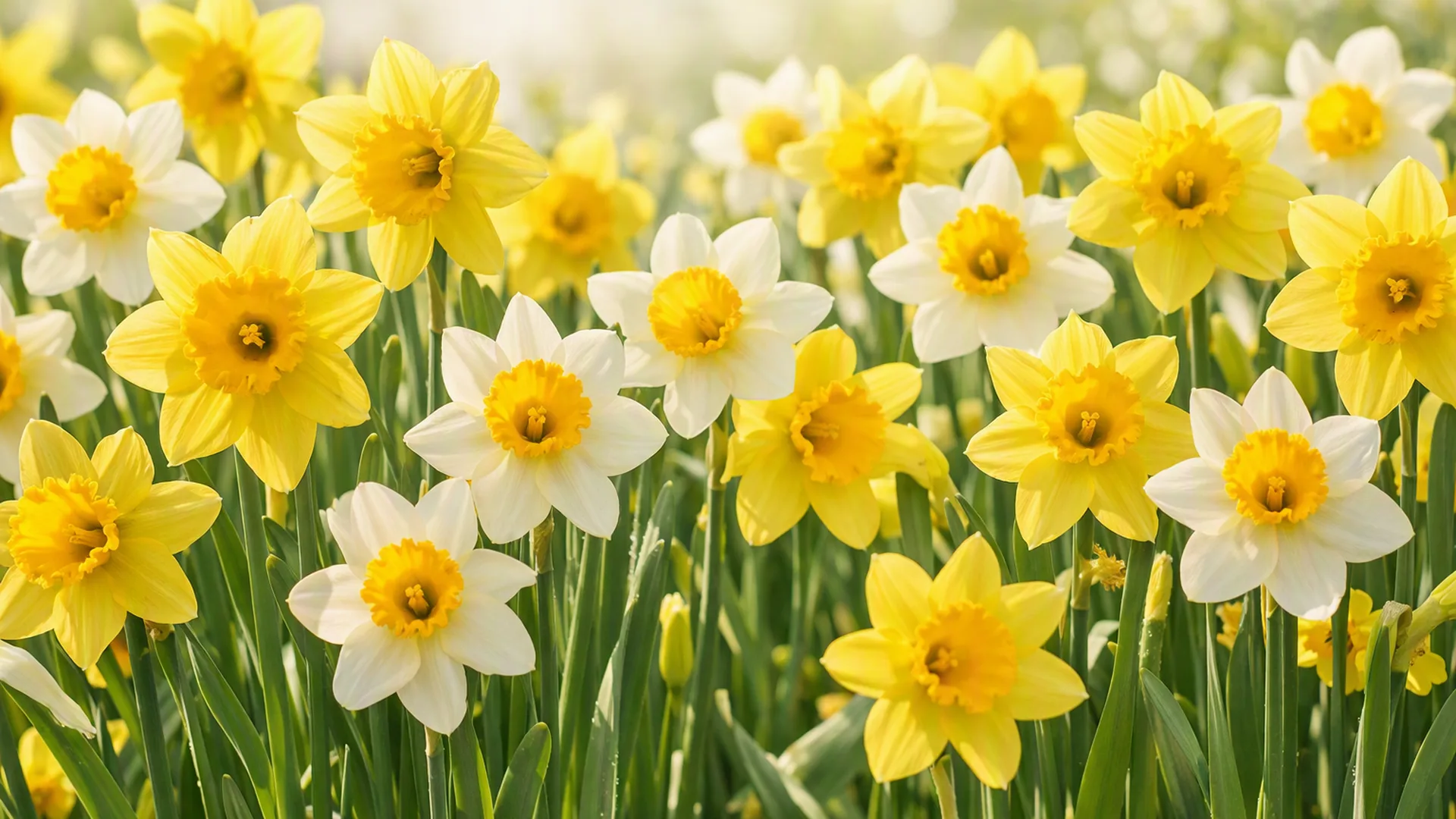
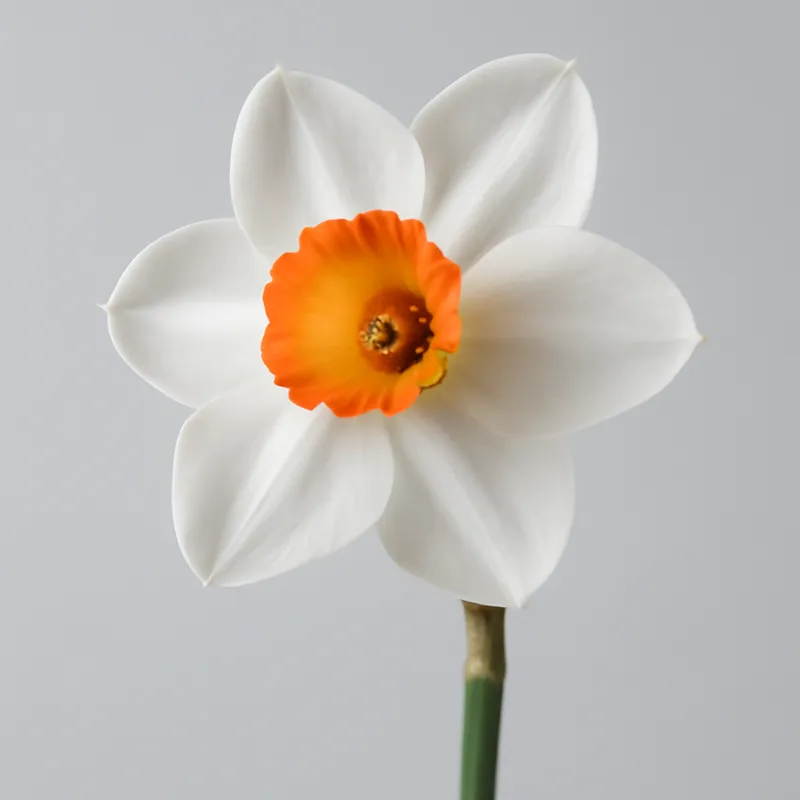
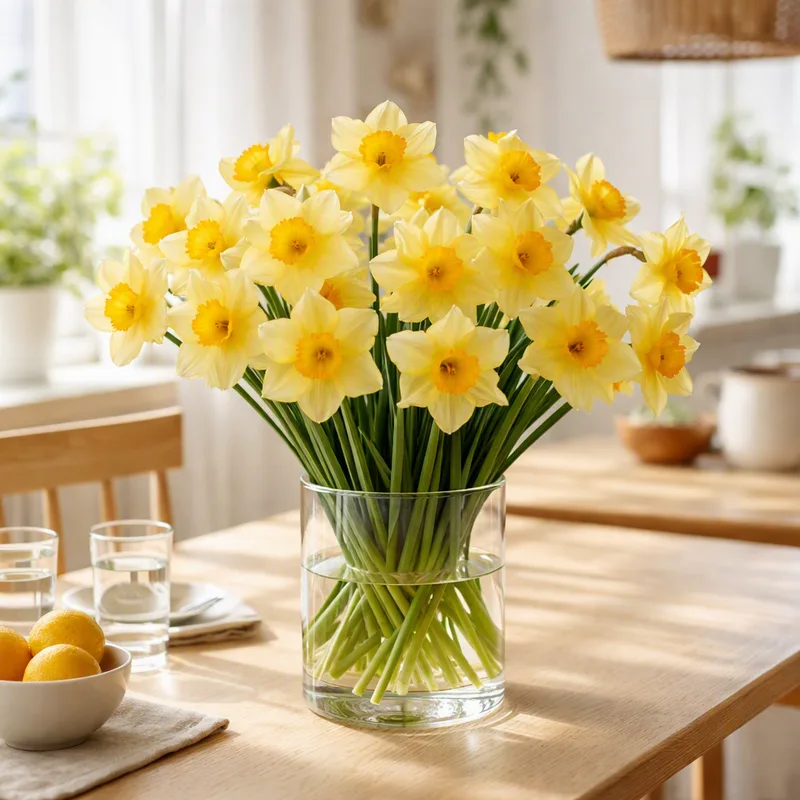
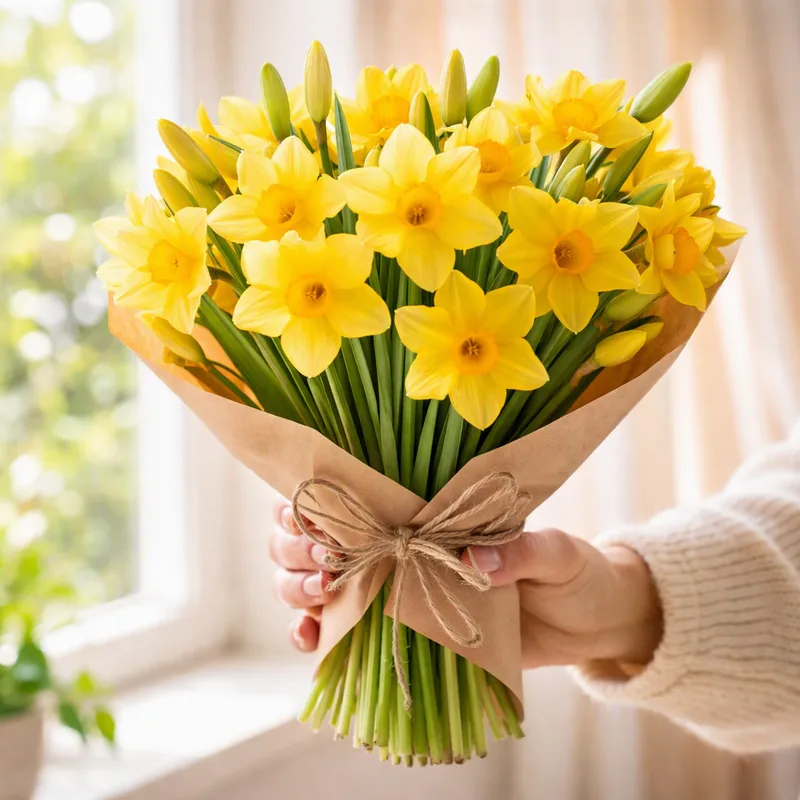
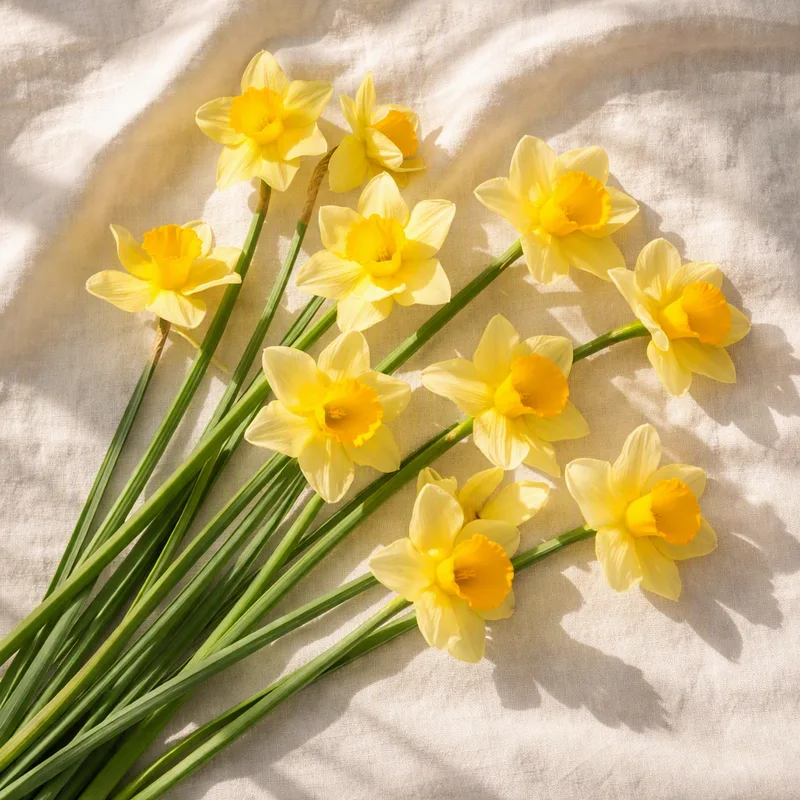
The genus Narcissus holds between about 50 and 85 species, depending on who counts, and more than 24,000 registered cultivars. It belongs to the amaryllis family. The feature that defines a daffodil is the corona, the cup or trumpet at the centre of the flower, and its shape is used to sort the varieties into groups. The yellow trumpet daffodil, Narcissus pseudonarcissus, is only one species among many; others include the poet's narcissus and the tazettas.
Daffodils in Ireland
Daffodils fit the Irish year well. They come into flower around St Patrick's Day, mark Mothering Sunday in March, and are the symbol of the Irish Cancer Society's Daffodil Day. The damp, mild climate suits the bulbs, and they naturalise happily in grass.
Planting bulbs
- Plant in September or October in well-drained soil; in wet ground the bulbs rot.
- Set them about three times as deep as the bulb is tall.
- Daffodils need winter cold, so they stay outdoors.
- After flowering, leave the leaves until they turn yellow naturally, since they feed the bulb for next year.
Pots on a balcony work too, if water can drain away.
In the vase
Freshly cut daffodils release a slimy sap that makes other flowers wilt. Stand them alone in water first for several hours, and do not re-cut the stems afterwards before adding them to a mixed bunch.
Poisonous to pets and people
All parts contain alkaloids such as lycorine, strongest in the bulb. The ASPCA lists daffodils as toxic to dogs, cats and horses, with vomiting, drooling and diarrhoea, and in large amounts tremors and heart rhythm problems. In people, eating them can cause vomiting and diarrhoea. Bulbs are sometimes mistaken for onions, so store them separately.