


Plant for the wet side of the garden
The genus belongs to the saxifrage family and grows from Japan and the Himalayas to the Indonesian islands, with one species in the south-eastern United States. Wikipedia lists around 28 species. It is sometimes called false goat's beard or false spirea, although it is not related to either. The Royal Horticultural Society calls it hardy, easy and robust, happiest in damp soil and dappled shade.
What to do and what to avoid
Most Irish gardens give it an easy start. The caveat is that damp is not the same as waterlogged, which the RHS stresses.
- Choose dappled shade or a spot with morning sun and evening shade.
- Add plenty of compost before planting and water thoroughly in the first year.
- Mulch each spring to hold moisture and keep the roots cool.
- Divide clumps about every four years to keep them vigorous.
The seasonal picture
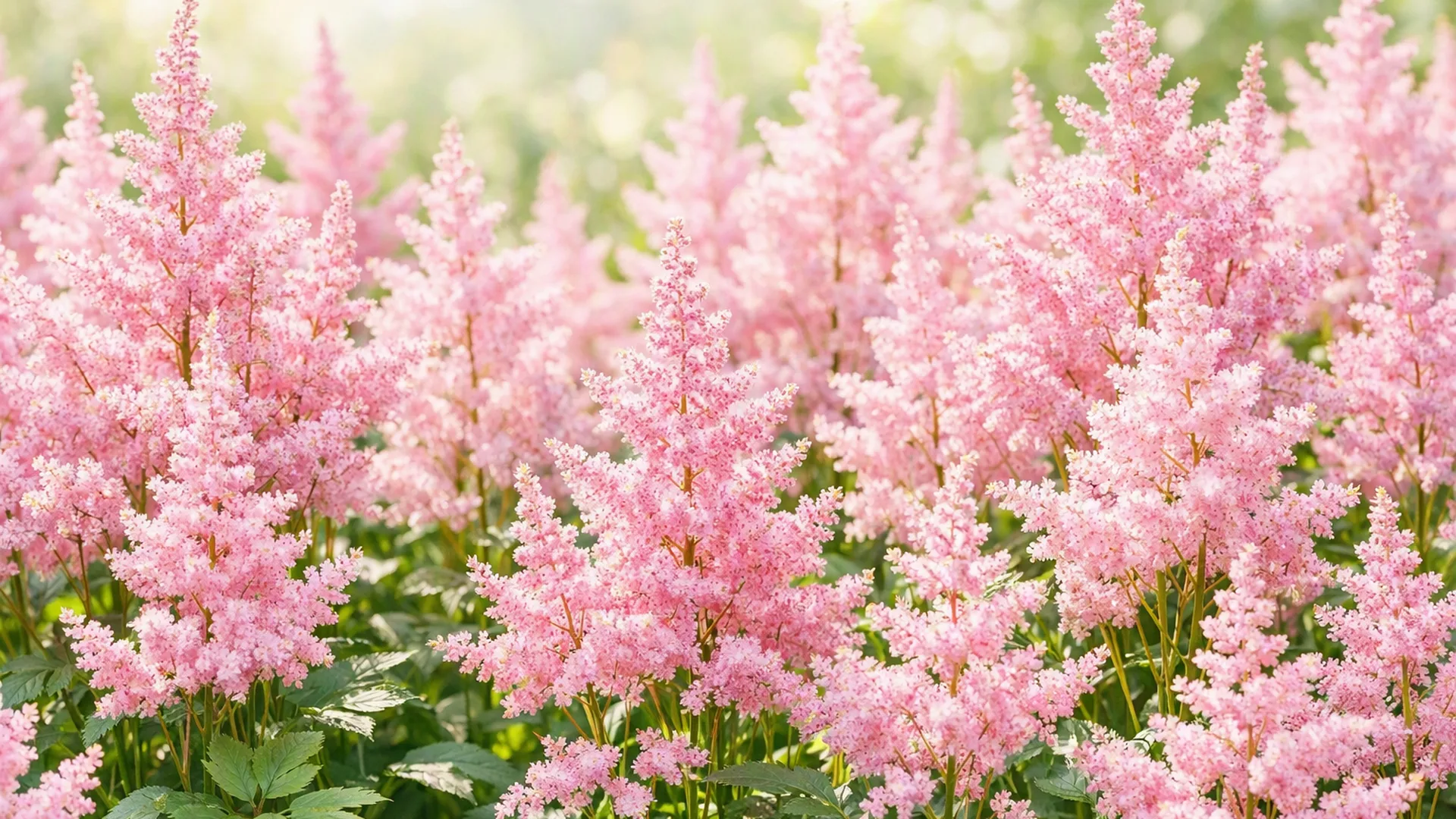
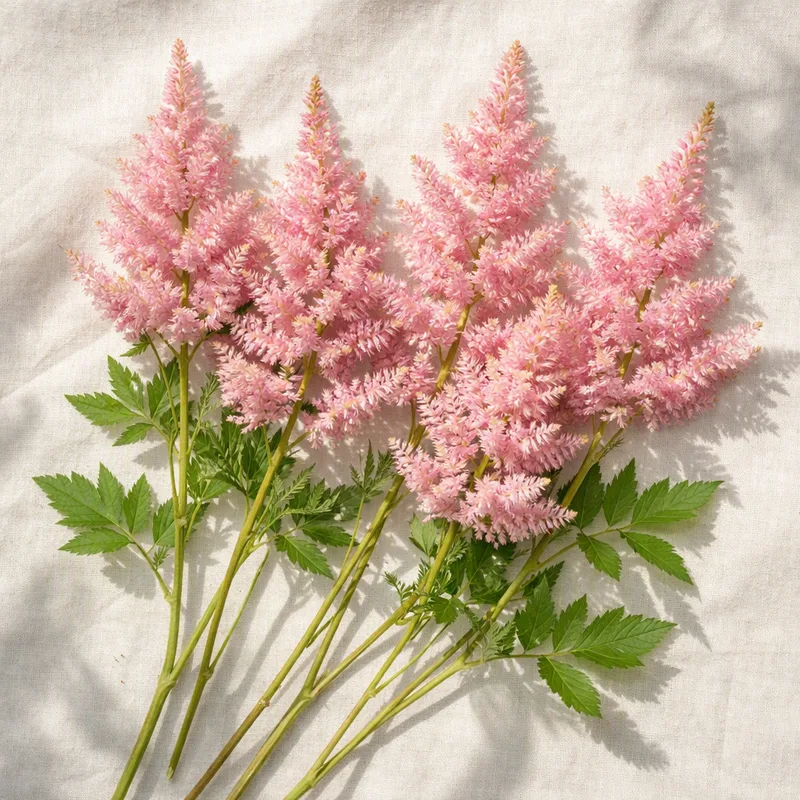
Plumes rise above ferny foliage in summer in shades of mauve, pink, red or white. Early and late varieties extend the season. When the flowers fade they turn brown but stand up all winter and look good with frost on them, so leave them and cut back in late winter.
Dogs, cats and horses
Astilbe does not appear in the ASPCA's toxic-plant database. That is reassuring, but any plant eaten in quantity may upset an animal's stomach, so ring your vet if you are concerned.