

Not the same as Michaelmas daisy
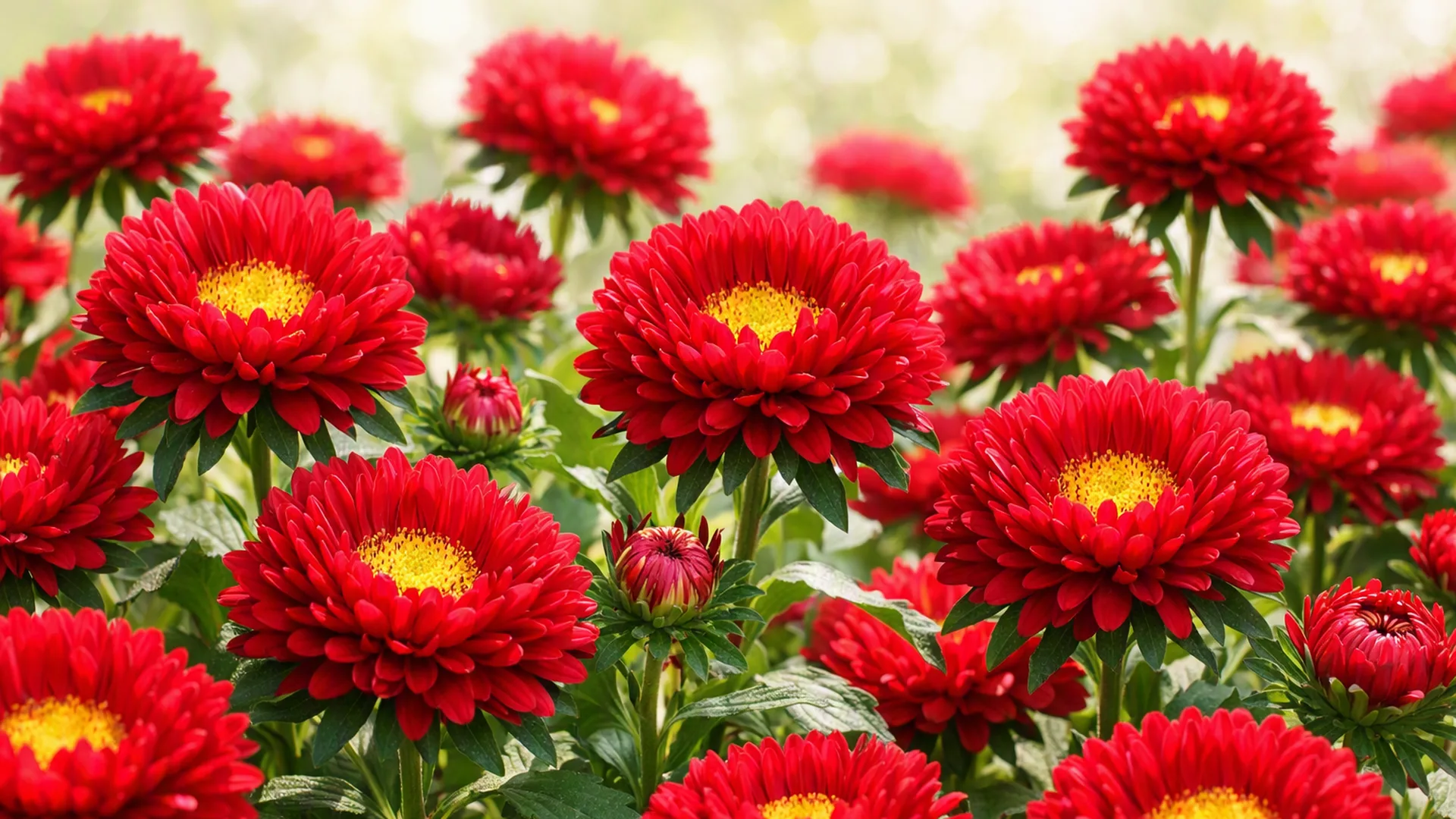
China aster belongs to its own genus, Callistephus, and the genus contains just one species. It is native to China and Korea and has been in cultivation in China for around 2,000 years, reaching Europe by 1728 at the latest. The perennial 'asters' people grow for autumn colour in Irish borders, the Michaelmas daisies, are a different group.
Sowing and growing
It is an annual, so every plant starts from seed each spring.
- Sow under cover in March or April, or outdoors after the last frosts.
- Plant out in a sunny, sheltered spot in rich, fertile soil.
- Pinch out the tip of young plants for a bushier habit.
- Stake taller kinds, because Atlantic wind can flatten them.
Slugs love young seedlings, so protect them. The main disease is fusarium wilt, a soil fungus, and some cultivars resist it better than others. Rotate the bed each year and avoid growing asters in the same patch two years running.
Cut flower qualities
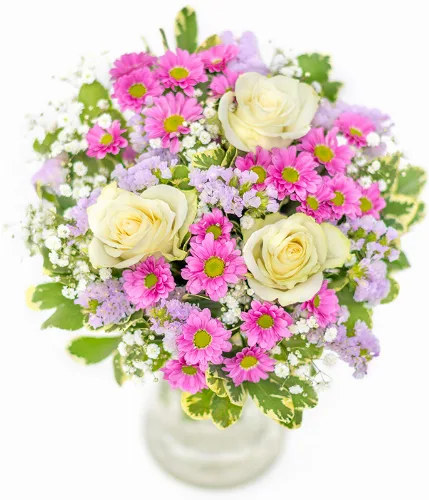
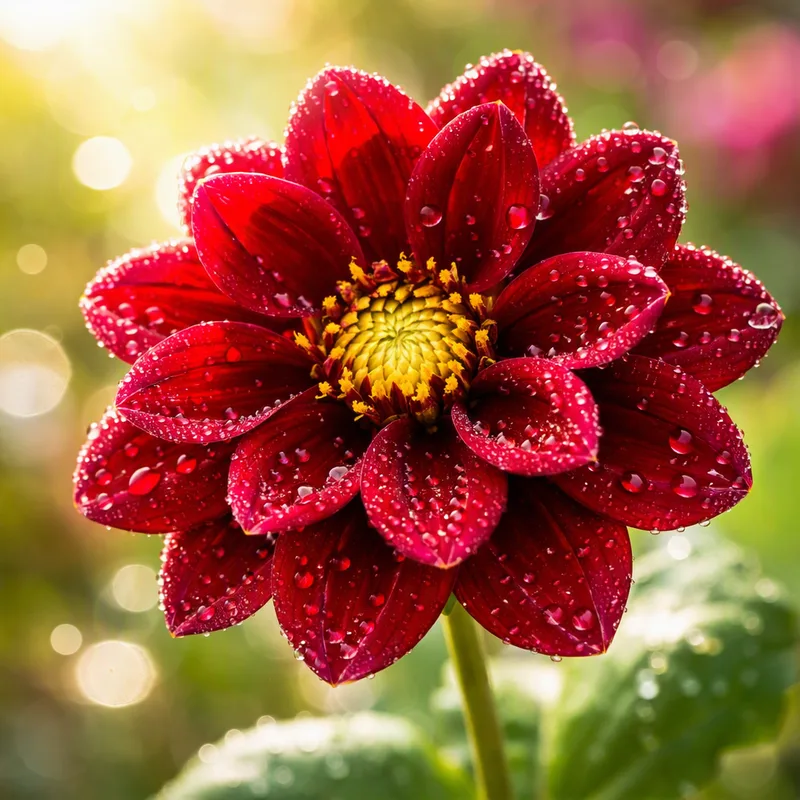
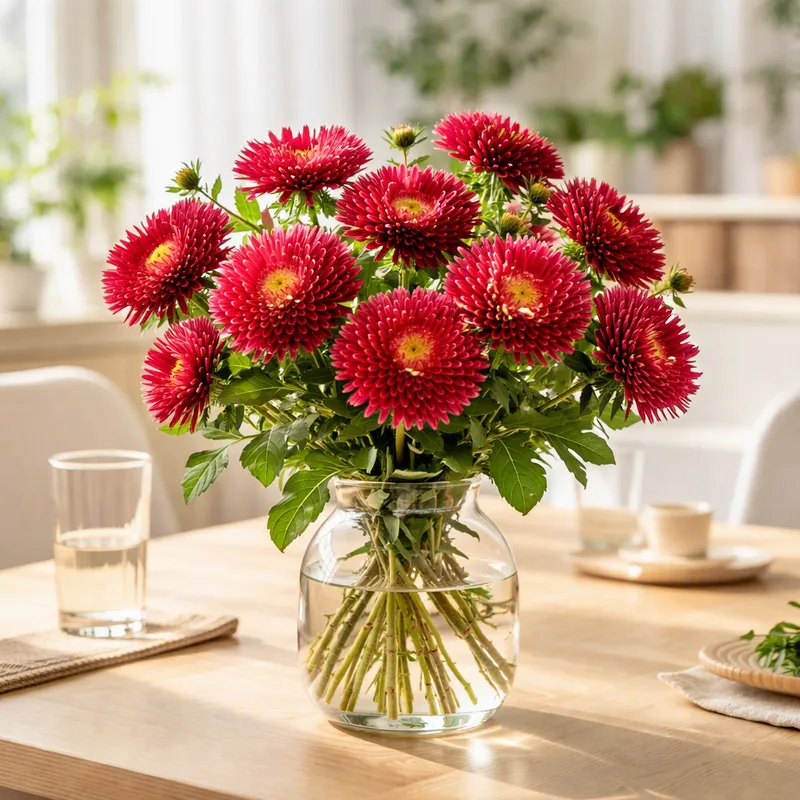
The blooms range from single daisies to full pompom doubles and last well in a vase, about a week to ten days if you change the water. They are a favourite of gardeners who grow flowers for the house.
Planning a cutting row
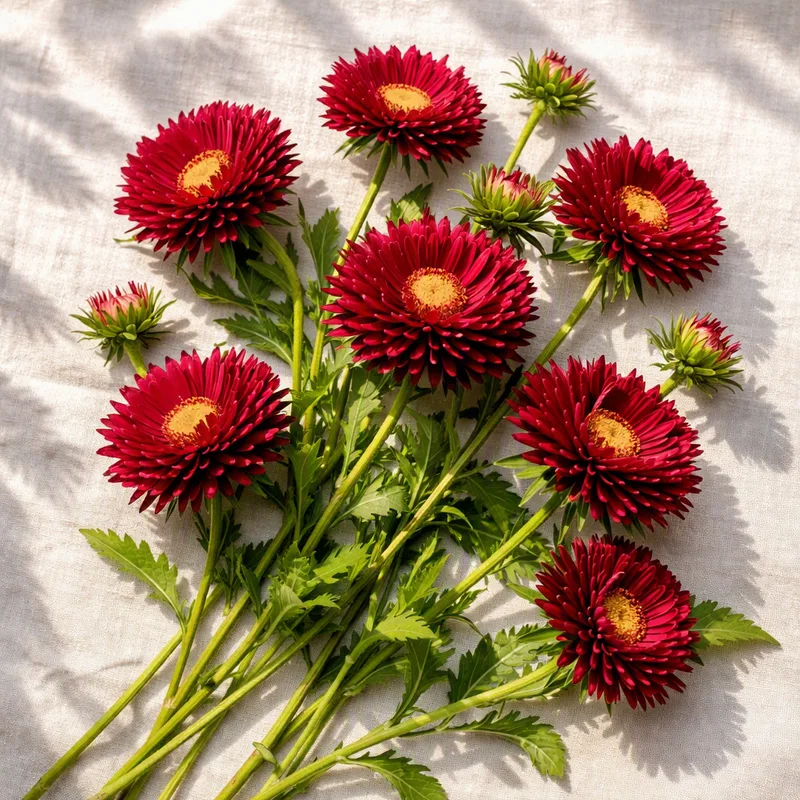
If you want a steady supply, sow in two or three batches a fortnight apart. Pick stems when the flower is about two-thirds open, strip the lower leaves and stand them in deep water for a few hours before arranging. Taller, long-stemmed seed strains are sold as cut-flower types, while dwarfs suit pots.
Pets
Good news: the ASPCA lists China aster as non-toxic to dogs, cats and horses. Still, vases of any plant are best kept out of reach of nibbling animals.